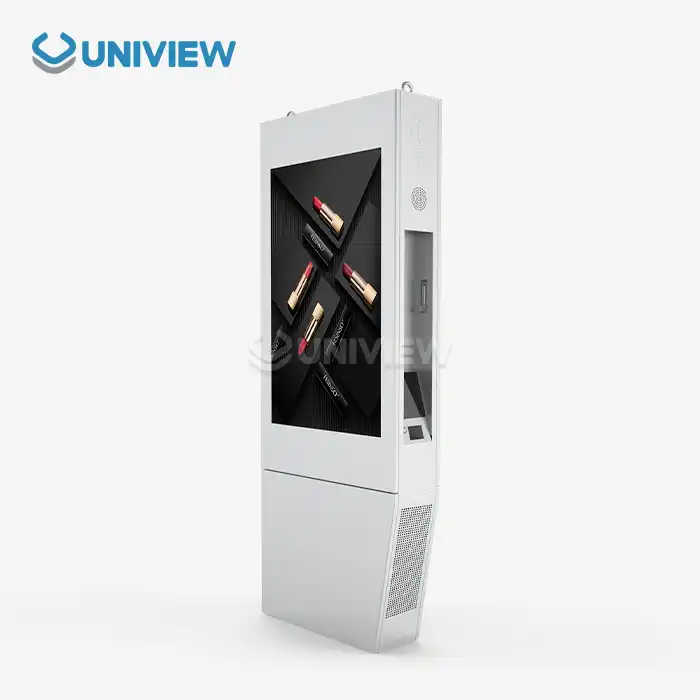
Yes, rechargeable digital signage displays are good for emergencies since they can relay critical info when power sources fail.These new displays have high-tech battery systems built into them that let them keep working during natural disasters, power outages, and infrastructure failures. Depending on the size of the screen and how it is used, modern rechargeable digital signs usually work for 8 to 24 hours without hhaving to be plugged in. Their first aid skills make them very important for keeping the business going, giving safety instructions, and making sure that people can talk to each other in critical situations.
Understanding Rechargeable Digital Signage and Its Emergency Utility
Rechargeable digital signage displays are a huge step forward in emergency communication technology. These advanced gadgets have high-capacity lithium-ion battery systems built into them so that they can keep working when they lose power from the grid.
Core Technology and Battery Integration
Emergency-ready digital signage is based on advanced power management systems. Today's displays come with smart battery controllers that use energy more efficiently without hurting display quality. These systems change the brightness, refresh rates, and processing power based on the battery level. This helps them stay useful during important times.
Battery technology has come a long way. The newest batteries have cells that are dense with energy and can power screens for long periods of time. The integration includes advanced charging circuits that stop overcharging and keep the battery healthy during normal use. This makes sure that the system is totally reliable when emergencies happen.
Different Types of Emergency Tools
Emergency-ready signs are made in a lot of different ways so that they can be used for different jobs. While fixed installations offer long-term emergency communication support, portable units can be set up and ready to use quickly. Touch-enabled models make it easier to use interactive emergency procedures, which let people see detailed evacuation plans or report incidents right on the screen.
The weather-resistant outdoor models have tough housings with IP65 to IP66 ratings, which make sure they work during even the most severe weather. These units can be seen in direct sunlight because of high-brightness displays of 2,000 to 4,000 nits, and they can operate quietly at 60 dB even in difficult environments.
Comparing Rechargeable Digital Signage with Traditional and Solar-Powered Options
It's important to know how battery-powered displays perform in emergencies compared to other types of displays in order to understand their benefits.
Benefits Over Typical Wired Systems
Standard digital signs don't work when the power goes out, because they need to be plugged into the wall. This isn't an issue for rechargeable units since they have their own power sources that turn on when they're not plugged in. This feature makes installation easier since displays can be placed in the best spots for emergency communication without having to worry about how close they are to electrical infrastructure.
When things change quickly in an emergency, the ease of moving something becomes very important. Displays powered by batteries can be quickly moved to meet changing communication needs, but older systems stay where they might not work well.
How Well It Works Next to Solar-Powered Choices?
While solar-powered signs are eco-friendly, they aren't useful in emergencies. When it's very important to be able to talk to each other, solar panels may not work as well if there is bad weather, coverage from debris, or long periods of time with little sunlight.
Rechargeable digital signage displays the same way all the time, no matter the weather or how much sun is out. Emergency planners can figure out the best times to talk to each other by using the predictable operational time of their pre-charged batteries. Since they are so dependable, they are a better option for critical emergencies where people not being able to talk to each other is not okay.
How to Ensure Rechargeable Digital Signage Operates Effectively in Emergencies?
To get the best emergency performance, you need to plan ahead and regularly check that displays are working perfectly when they're needed most.
Ways to Manage and Optimize Battery
During normal operations, good battery management is the start of effective emergency operation. Regularly charging the battery keeps it healthy, and automated monitoring systems keep track of how much capacity is lost and predict when the battery needs to be replaced. Smart charging algorithms make sure that batteries don't get damaged by being charged too much and that they are always ready for emergency use by staying at the right charge level.
Keeping the right temperature is very important for batteries during emergencies. Quality displays have thermal management systems that keep the right temperature for operating. This stops them from overheating during summer emergencies and losing performance in the winter.
Installation and integration planning that is strategic
Placement strategy has a direct impact on how well emergencies are handled. Places with high visibility make sure that the biggest possible audience can see them, and making sure that they are easy to use allows maintenance teams to fix the units even in emergencies. When you add existing emergency systems to the mix, you get a full communication network that improves the overall emergency response.
Redundancy planning stops single points of failure by using multiple displays in important areas. This way of communicating makes sure that no matter what, you can still talk to people if you have tech problems during an emergency.
Selecting the Best Rechargeable Digital Signage for Emergency Use
When buying emergency-ready signs, you need to carefully consider technical details, how well the signs work in different environments, and how long they will last.
Important Technical Details for Emergency Use
Battery capacity is the most important factor for emergency use because it determines how long the device can be used during a power outage. Depending on the size of the screen and how power is managed, modern displays can work for 8 to 24 hours. Display brightness features make sure that you can see the screen in different lighting situations. High-brightness models keep the picture clear even when emergency lights are on or when you're outside in the daytime.
During emergencies, connectivity features make it possible to manage content from afar in order to let emergency managers update information on several screens at the same time. The ability to communicate wirelessly makes sure that displays stay connected even when you can't use a network of wires.
Standards for Environmental Compliance and Durability
Emergency conditions often call for strong construction because of harsh environmental factors. Quality displays use advanced surface treatment technology on corrosion-resistant materials to make sure they last in tough conditions. During severe weather, up to 16 levels of wind resistance ratings make sure that the structure stays intact.
When everyone follows the rules set by Europe, America, and Japan, products can be trusted and will not hurt anyone when they are used in different countries around the world. These certificates give people confidence that they will work well in important emergencies where a failure could make things less safe.
Uniview Commercial: Your Trusted Partner for Emergency-Ready Digital Signage Solutions
Uniview Commercial's specialty is making high-tech, rechargeable digital signage displays that are specifically designed for use in emergencies all over the world in the B2B market. Our wide range of products includes high-brightness LCD and LED displays that are made to keep working during power outages and difficult environmental conditions.
Using the latest technology
Our emergency-ready displays have the latest in battery management technology, which makes sure they can be used for a long time during critical situations. Even when used in an emergency for a long time, advanced heat dissipation technology keeps the device working well, and environmental simulation testing shows that it can be trusted to work in very harsh conditions.
When high-quality offline coated AR glass is used, images that are very clear and bright (2000 to 4000 nits) are guaranteed to be visible in any emergency lighting condition. This 60 dB device maintains communication effectiveness without adding to the noise pollution in emergency situations.
Global Support and Ability to Personalize
Uniview Commercial knows that emergency applications have special needs, so they offer custom solutions that fit the needs of different businesses. Our engineering team works with clients to make custom displays that meet very specific needs for emergency communication. They also make sure that the displays are still cheap for use in large-scale deployments.
We're in over 100 countries and regions, and we offer complete support around the world, including the ability to respond to customers online at any time and longer warranties of 3 to 5 years. This international support network makes sure that services can be accessed from any location, which is important for keeping emergency readiness in operations around the world.
Conclusion
Digital signs with rechargeable digital signage displays can do important emergency communications that wired systems can't. They can be deployed quickly, are environmentally durable, and have their own power sources. These features make them very important for keeping operations going during critical situations. When emergency communication is most important, proper choice and care guarantee dependable performance. As emergency preparedness becomes more important for businesses around the world, buying good battery-powered signs is a smart move that makes safety measures and the ability to keep working during difficult times stronger across a range of industries.
FAQ
How long unpowered rechargeable digital signs last?
Depending on screen size, brightness, and battery power, good rechargeable digital signs can last 8–24 hours without power. Bigger, brighter screens wear out faster. Devices last longer with smaller, power-efficient screens. Intelligent power management systems automatically maintain power during emergencies.
In an emergency, can rechargeable screens be used outside?
Yes, good rechargeable screens work for outdoor emergencies. The best IP65–IP66 devices resist water, dust, and corrosion. They also resist level 16 winds. It can be seen in bright sunlight and used in extreme temperatures in emergencies.
What preparations are needed?
Regular maintenance includes monthly battery checks, quarterly firmware updates, and annual performance diagnostics. Maintain battery capacity by following manufacturer charging cycle instructions. Monitor temperature, humidity, and other environmental factors. Mounting systems and enclosures are physically checked for emergency safety.
Partner with Uniview Commercial for Reliable Emergency Communication Solutions
When communication in an emergency can't fail, pick Uniview as the company that makes your rechargeable digital signage displays. Our proven technology combines advanced battery systems with rugged construction to make sure it works in critical situations. We offer emergency-ready signs for your business with full support around the world, long warranties, and the ability to make your own choices. Our skilled team knows the special problems that come up with emergency applications and provides the most reliable solutions. Ready to get better at being ready for emergencies? To talk about your exact needs and find out how our emergency-ready displays can help make your safety plans stronger, email us at sales@univiewlcdisplay.com.
References
1. National Emergency Management Association. "Digital Communication Systems in Emergency Response: Best Practices and Implementation Guidelines." Emergency Management Journal, 2023.
2. International Association of Emergency Managers. "Battery-Powered Communication Technologies for Critical Infrastructure Protection." Crisis Communication Review, 2023.
3. Federal Emergency Management Agency. "Emergency Communication Systems: Technology Standards and Operational Requirements." Government Emergency Response Publications, 2024.
4. International Electrotechnical Commission. "Environmental Testing Standards for Emergency Communication Equipment." IEC Technical Standards Documentation, 2023.
5. Emergency Communications Research Institute. "Reliability Analysis of Portable Digital Signage in Disaster Response Scenarios." Emergency Technology Assessment Report, 2024.
6. Global Emergency Preparedness Council. "Power-Independent Communication Solutions for Business Continuity Planning." Strategic Emergency Management Quarterly, 2023.