- English
- French
- German
- Portuguese
- Spanish
- Russian
- Japanese
- Korean
- Arabic
- Greek
- German
- Turkish
- Italian
- Danish
- Romanian
- Indonesian
- Czech
- Afrikaans
- Swedish
- Polish
- Basque
- Catalan
- Esperanto
- Hindi
- Lao
- Albanian
- Amharic
- Armenian
- Azerbaijani
- Belarusian
- Bengali
- Bosnian
- Bulgarian
- Cebuano
- Chichewa
- Corsican
- Croatian
- Dutch
- Estonian
- Filipino
- Finnish
- Frisian
- Galician
- Georgian
- Gujarati
- Haitian
- Hausa
- Hawaiian
- Hebrew
- Hmong
- Hungarian
- Icelandic
- Igbo
- Javanese
- Kannada
- Kazakh
- Khmer
- Kurdish
- Kyrgyz
- Latin
- Latvian
- Lithuanian
- Luxembou..
- Macedonian
- Malagasy
- Malay
- Malayalam
- Maltese
- Maori
- Marathi
- Mongolian
- Burmese
- Nepali
- Norwegian
- Pashto
- Persian
- Punjabi
- Serbian
- Sesotho
- Sinhala
- Slovak
- Slovenian
- Somali
- Samoan
- Scots Gaelic
- Shona
- Sindhi
- Sundanese
- Swahili
- Tajik
- Tamil
- Telugu
- Thai
- Ukrainian
- Urdu
- Uzbek
- Vietnamese
- Welsh
- Xhosa
- Yiddish
- Yoruba
- Zulu
Creative Uses of Indoor Standing Displays in Marketing
Digital screens that stand alone inside have changed the way companies connect with their customers, turning static marketing into dynamic, interactive experiences. These indoor standing digital display options are very flexible and can be used in a wide range of business settings to get people's attention, send targeted messages, and create memorable brand experiences. These displays are strong marketing tools that can be used anywhere, from store showrooms to corporate halls. They use cutting-edge technology and smart placement to get customers interested and boost business results.

Understanding Indoor Standing Digital Displays for Marketing
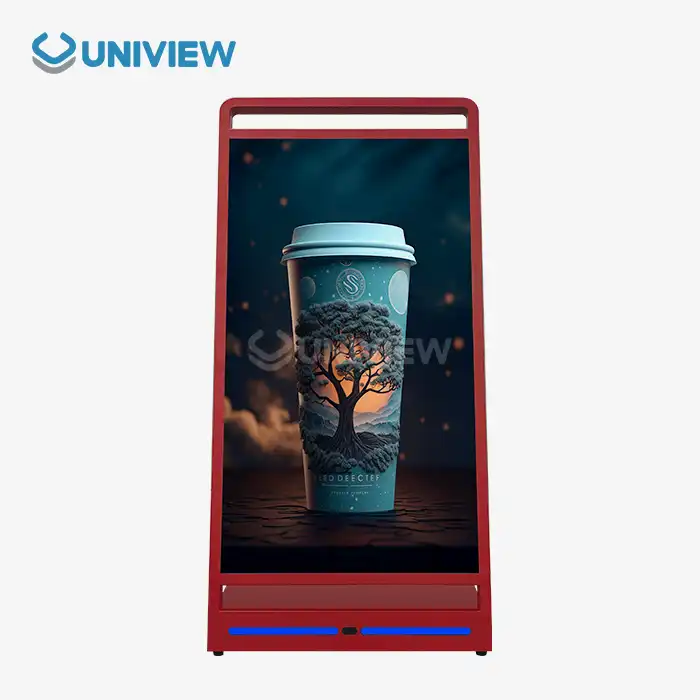
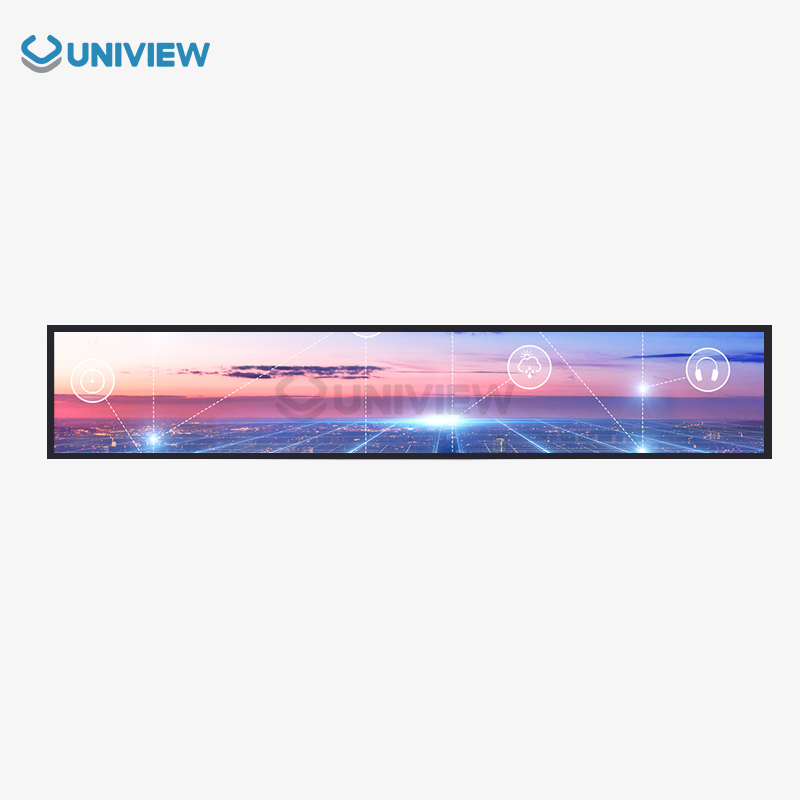
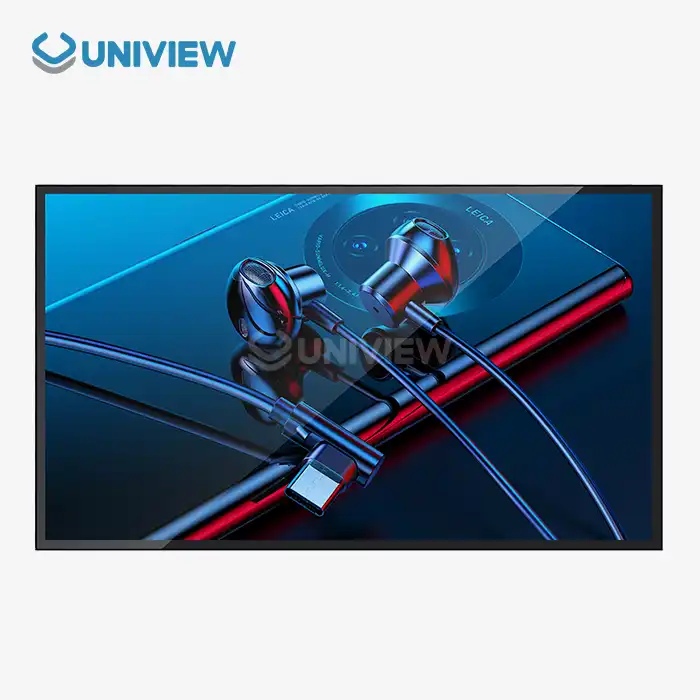
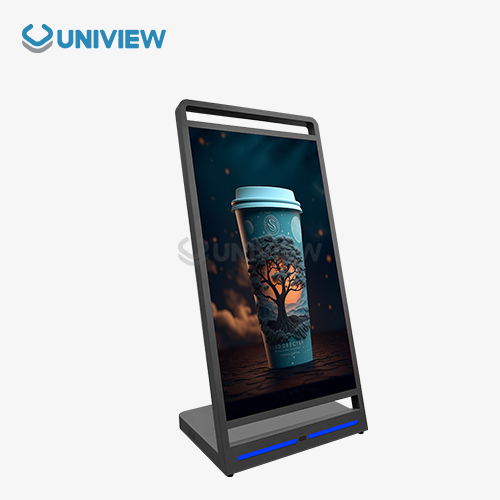
Indoor standing digital display technology is a complex mix of new ideas in hardware engineering and marketing. These stand-alone units have high-resolution LCD or LED screens on sturdy bases. They were made for business settings inside, where visual effect is very important, such as retail stores, corporate offices, and event venues, to effectively capture the attention of customers and convey important information.
Core Technical Features and Capabilities
Modern digital board displays use commercial-grade IPS screens with sizes from 1080p to 4K and are designed to work nonstop, 24 hours a day, seven days a week. The technology behind the display uses brightness levels that are usually between 450 and 700 nits. These levels are best for indoor lighting situations, and they keep the picture clear from all viewing angles.
Industrial-grade materials, such as cold-rolled steel or aluminum shapes with automatic powder coating for chemical protection, are used to build the structure. The weighted base plates on these units keep them stable so they don't fall over by mistake. They are made with anti-topple design principles that keep people safe in high-traffic areas.
For cost-effective cloud signage control, the hardware design includes either ARM-based System-on-Chip (SoC) modules running Android or x86 OPS (Open Pluggable Specification) modules supporting Windows or Linux for more complicated dynamic computing needs. Because of this, businesses can pick systems that work with the IT infrastructure they already have and the way they like to handle content.
Display Types and Technology Options
Digital signage makers offer a range of display technologies to meet the needs of different marketers. For setups that face a window, LED technology offers better brightness levels of 2500 nits or more, while LCD options provide accurate colors and low energy use for most indoor uses.
Engaging customers with product listings, wayfinding systems, and brand storytelling experiences is possible with touchscreens on passive displays. Models that don't have touchscreens focus on broadcast messages, which works well for advertising efforts and delivering information, but they may lack the interactive features that enhance customer engagement compared to touchscreen models.
Benefits for B2B Marketing Strategies
These flexible marketing tools offer measurable benefits such as higher rates of visual engagement, the ability to change content in real time, lower costs compared to standard print media, and full analytics for campaign optimization. Being able to change content from afar saves money on printing costs and lets you respond quickly to changes in the market and advertising possibilities.
Creative Marketing Applications of Indoor Standing Displays
Businesses today use indoor standing digital display technology for a wide range of creative purposes that go far beyond standard advertising. You can see how flexible and powerful well-designed digital sign tactics can be by looking at these creative examples.
Interactive Product Showcases and Demonstrations
Touchscreen displays that let customers look at features, specs, and benefits of products are great for retail settings because they keep consumers interested. Car shops use these screens to display various vehicle combinations. Customers can change the colors, features, and prices of the vehicles in real time, while salespeople focus on getting to know them.
At trade shows, tech companies use interactive screens to show off their software, which lets potential customers explore the features of their products on their own. These self-service demos make it easier for customers to use the product and make sure that messages are always delivered correctly.
Personalized Digital Messaging Systems
Advanced content management systems let you target people based on the time of day, their traits, and the way they usually act. These features are used by corporate halls to show the right information to each type of guest, such as investor presentations during business hours, content for staff that recognizes employees, and highlights of the company's accomplishments for client meetings.
Hospitality places use changeable advertising that changes based on events in the area, the time of year, and what guests want. During wellness meetings, hotels show focused ads for spa services. During corporate conferences, they move to ads for the business center.
Social Media Integration and Live Content
Real-time social media integration turns static displays into tools for community involvement that are always changing. Restaurants show live Instagram feeds with pictures and reviews from past customers. This is called "social proof," and it affects people's decisions about where to eat. Live Twitter feeds and hashtag campaigns are shown at event sites to get people involved and spread the word about the event beyond its physical boundaries.
Social integration, which refers to the process of fostering connections and interactions among employees, is used in corporate settings to show off employee successes, company news, and industry awards. This encourages engagement within the company and wows guests with its culture and achievements.
Wayfinding and Information Kiosks
Large sites use all-encompassing ways, such as indoor standing digital displays, to help people find their way, which makes things easier for visitors and improves their experiences. Medical centers use interactive guides and indoor standing digital displays to help people find offices, see how long they will be waiting, and learn about health. Wayfinding signs and indoor standing digital displays in shopping areas show where stores are, what events are going on, and where to park.
These uses show that digital signage is useful for more than just ads. It makes businesses more efficient and improves customer happiness by making it easier for them to find their way around and get information.
How to Choose the Best Indoor Standing Digital Display for Marketing
To choose the best digital signage options, you need to carefully look at the technical requirements, functional needs, and long-term strategy goals. They have to find a mix between current needs and the ability to grow in the future, all while making sure that the new system works with the marketing infrastructure that is already in place, such as existing software platforms and hardware compatibility.
Critical Technical Specifications
Resolution clarity has a big effect on how engaged viewers are and how well the material works. For close-up tasks like interactive product catalogs, 4K displays offer a lot of detail, while 1080p resolution is fine for general advertising material seen at a modest distance. Choosing the right screen size depends on how far away you want to see it. Bigger screens work well in big halls, while smaller screens work well in small shops.
Connectivity choices decide how well new systems can work with old ones. Modern screens can connect to HDMI, USB, Ethernet, and WiFi networks, so they can show material from various sources. For cloud-based content management to work, your network needs to be stable. Local storage choices, on the other hand, let you make backups even if your network goes down.
Energy usage significantly influences long-term running costs. Energy-efficient LED light systems lower power costs while reducing heat production. This makes parts last longer and reduces the need for cooling in climate-controlled spaces.
Touchscreen Versus Non-Touchscreen Functionality
Interactive tablet screens cost more to buy at first, but they get more engaged customers by letting them interact with the screen. These units work well for tasks that need human input, like customizing products or looking through a lot of information. Models without touchscreens put more emphasis on display quality and dependability, making them perfect for advertising and public messages.
Budgets need to take into account more than just the original buy price. They also need to account for ongoing costs like software licensing, technical help, and maintenance. Touchscreen screens need to be calibrated and cleaned on a regular basis, while non-touchscreen units don't need as much upkeep because they are easier to use.
Brand Comparison and Reliability Assessment
Leading makers like Samsung, LG, Philips, NEC, and Elo have clear benefits when it comes to product quality, new ideas, and customer service after the sale. Samsung focuses on screen quality and color accuracy, while LG is more concerned with saving energy and integrating smart platforms, which makes them suitable for different types of consumers and business applications. Commercial-grade units from well-known brands usually come with longer warranties and installation by a professional.
Uniview Commercial stands out because it can be customized better than anyone else and offers solutions that are specifically designed to meet business needs. Our products have high-quality offline-coated AR (anti-reflective) glass that makes images very clear and bright (2000 to 4000 nits), which is brighter than what most companies offer and gives your goods more force and exposure.
Optimizing Indoor Standing Displays for Long-Term Marketing Success
Sustainable rollout methods get the best return on investment while keeping performance steady over long periods of operation. Professional installation and preventative maintenance plans protect investments in equipment and keep marketing working at its best by ensuring that displays are functioning optimally and are regularly updated to reflect current marketing strategies.
Strategic Placement and Installation Considerations
The best location takes into account things like sightlines, foot traffic, and natural lighting to make things more visible and captivating. Displays placed near choice spots, like product entrances, checkout areas, and waiting areas where customers have time to think about marketing messages, are beneficial for stores.
When installing things in a business, you need to think carefully about how they look and how they fit with your brand's image. The lobby's architecture should match the displays, which should be visible from all angles. Installations in conference rooms need to be placed in a way that doesn't get in the way of presentations or meetings, ensuring that they are strategically located to enhance visibility and accessibility for all participants.
Height changes let you see things from different angles and meet mobility needs, ensuring that individuals of varying heights and abilities can access and engage with the displays effectively. Universal design principles ensure that all people, regardless of their physical abilities, can see the content during presentations. Security measures keep expensive equipment safe from theft or vandalism.
Maintenance Protocols and Performance Monitoring
Regular checks of gear find problems before they affect marketing efforts, ensuring that any issues are addressed promptly to maintain optimal performance and prevent disruptions in service. Cleaning the screen once a week keeps it clear and sensitive to touches, and software changes once a month make sure it works with new content management systems and security protocols.
Temperature tracking stops harm from overheating, which can shorten the life of a display by a lot. Proper airflow around display units lets heat escape, and weather settings keep things running at their best. By making regular backups, you can avoid losing information and get back up and running quickly after a system failure.
Professional servicing agreements provide expert assistance and ensure adherence to the guarantee. Scheduled checks by experienced techs find worn-out parts before they break. This feature keeps marketing presence consistent and minimizes downtime.
Analytics and Performance Measurement
Built-in analytics tools let you evaluate a campaign in a wide range of ways, including tracking contacts, analyzing content success, and learning more about how people behave. Heat mapping technology shows where information should go on a screen to get the best results, and stay time measurements show how well a message is getting through.
Conversion tracking connects exchanges with displays to sales results, which lets you get a more accurate return on investment (ROI) for your marketing efforts. With A/B testing, you can improve your content by systematically comparing design elements, message methods, and how well your calls to action work.
When you connect it to your current business intelligence tools, you can see how your marketing is doing across all platforms. Data-driven insights help shape future content strategies and show leaders and stakeholders how marketing has affected the business.
Future Trends and Innovations in Indoor Standing Digital Displays
New technologies keep changing what digital signs can do, opening up new ways to sell and interact with customers that have never been seen before. Knowing about these changes helps buying pros make smart investment choices that keep them ahead of the competition.
Advanced Display Technologies and AI Integration
Ultra-high-resolution panels that are getting close to 8K create incredibly detailed visual experiences that stand out even in places with a lot of other visuals. Fine pixel pitch LED technology lets content change smoothly and gets rid of pixelation that can be seen up close.
AI's predictive personalization modifies the delivery of content by altering messages according to viewer demographics, behavior trends, and environmental factors. Machine learning systems look at interaction data to automatically find the best times, places, and ways to show information.
Face recognition technology lets you customize content based on your demographics while protecting your privacy by processing data anonymously. When age and gender are detected, suitable advertising material is shown without any personal information being stored.
Internet of Things Connectivity and Smart Integration
IoT connection lets displays talk to other smart building systems, inventory management platforms, and customer relationship management tools, forming a fully integrated environment. Real-time inventory updates take out-of-stock items from promotional material automatically while promoting options that are still in stock.
Environmental monitors change the brightness and content of the display based on the amount of light and the number of people using it. This saves energy and keeps the clarity at its best. Integration with HVAC systems makes it possible for displays to work with building control systems in the most efficient way possible.
When screens are connected to smart cities, they can show real-time information about public transportation, the weather, and emergencies. This gives users more information and strengthens community ties.
Sustainability and Energy Efficiency Advances
The next version of LED technology is much brighter than the previous generations, but it uses substantially less energy. Advanced power management systems change how much power is used automatically based on the material being viewed and the conditions of the viewer.
Recycling materials and using environmentally friendly ways to make things lowers the damage done to the earth while keeping the quality and longevity of the goods. Modular component designs let you change and update parts in a selective way, which extends the life of products and cuts down on electronic waste.
Solar integration lets it work without the power grid in some places, and battery backup systems make sure it keeps running when the power goes out. These features of sustainability are appealing to groups that care about the earth and cut down on operational costs.
Conclusion
Indoor standing digital display technology has changed the way many industries sell their products and services. It gives businesses that want to stay ahead of the competition a lot of new ways to be flexible and get people involved. These complex systems use cutting-edge hardware engineering and smart software tools to give measurable results by making the customer experience better and allowing for data-driven optimization. Modern versions include a lot more than just standard ads. They include interactive displays, personalized messages, social media integration, and full solutions for finding your way that are good for both businesses and customers. When choosing and deploying these systems strategically, it's important to think about long-term goals, technical specs, and functional needs in order to get the best return on investment and make sure that the systems work well for long periods of time.
FAQ
Q: What screen sizes work best for different marketing applications?
A: Choosing a screen size is mostly based on how far away you want to see it and how much room you have. 43-55-inch displays work well in retail settings where customers can see and interact with the screen up close, while 65-75-inch displays work better in business areas where people can see more. For trade shows, 32- to 43-inch displays make the best use of booth space. On the other hand, 75-inch or larger displays make the most impact from far away, like in airports or shopping malls.
Q: How much energy do these displays consume, and what are the cost implications?
A: Depending on the screen size and lighting levels, modern indoor standing digital display units use between 150 and 400 watts. Older technologies use up to 40% more energy than energy-efficient LED light systems, which can significantly increase operational costs over time due to higher electricity bills and maintenance needs associated with less efficient technology. Annual energy costs for each display are usually between $130 and $350, depending on the utility rates in the area and the fact that they are on for 24 hours a day. Costs are cut even more by smart power management features that can automatically change the lighting and set schedules.
Q: Can displays be customized for specific marketing needs and brand requirements?
A: Many modern digital sign systems let you make many changes, such as making your own enclosures, color schemes, mounting solutions, and software interfaces. Content management systems can work with branding templates, custom interactive apps, and marketing automation tools that are already in place. Hardware changes can be made to meet different placement needs, weather conditions, and personal tastes in terms of looks while still meeting performance standards.
Q: What maintenance requirements should be expected for long-term operation?
A: Regular upkeep includes wiping the screen down with a damp cloth once a week, updating the software once a month, and checking the hardware every three months. Professional maintenance every six months makes sure that the machine works at its best and finds problems before they cause downtime. Depending on how often it is used, the touch screen may need to be calibrated once a month. Most business screens are made to last for 60,000 hours or more with only minor upkeep, like cleaning and software updates.
Partner with Uniview Commercial for Superior Indoor Digital Signage Solutions
Uniview Commercial delivers industry-leading indoor standing digital display solutions that exceed expectations through superior engineering, innovative features, and comprehensive support services. Our customizable displays feature ultra-clear AR glass technology with brightness levels reaching 4000 nits, ensuring exceptional visibility across diverse environments while maintaining energy efficiency and reliable performance.
As a trusted indoor standing digital display manufacturer, we provide complete turnkey solutions, including professional installation, content management training, and extended warranty coverage up to five years. Our global support network ensures 24-hour response capabilities, while comprehensive insurance coverage protects your investment throughout the operational lifecycle.
Contact our specialized team at sales@univiewlcdisplay.com to explore customized solutions that align with your marketing objectives and budget requirements. We invite you to experience the Uniview difference through personalized demonstrations and detailed project consultations.
References
1. Digital Signage Market Research: Global Industry Analysis and Growth Projections 2023-2028. International Display Technology Association.
2. Indoor Digital Display Effectiveness Study: Consumer Engagement and Marketing ROI Analysis. Journal of Digital Marketing Technology.
3. Commercial Display Technology Standards and Best Practices for B2B Applications. Society for Information Display Professional Guidelines.
4. Energy Efficiency in Commercial Digital Signage: Comparative Analysis of LED and LCD Technologies. Commercial Building Energy Management Review.
5. Interactive Display Technology Impact on Customer Experience and Sales Conversion Rates. Retail Technology Research Institute.
6. Future Trends in Digital Signage: AI Integration and IoT Connectivity in Commercial Applications. Digital Advertising Technology Quarterly.
Learn about our latest products and discounts through SMS or email