- English
- French
- German
- Portuguese
- Spanish
- Russian
- Japanese
- Korean
- Arabic
- Greek
- German
- Turkish
- Italian
- Danish
- Romanian
- Indonesian
- Czech
- Afrikaans
- Swedish
- Polish
- Basque
- Catalan
- Esperanto
- Hindi
- Lao
- Albanian
- Amharic
- Armenian
- Azerbaijani
- Belarusian
- Bengali
- Bosnian
- Bulgarian
- Cebuano
- Chichewa
- Corsican
- Croatian
- Dutch
- Estonian
- Filipino
- Finnish
- Frisian
- Galician
- Georgian
- Gujarati
- Haitian
- Hausa
- Hawaiian
- Hebrew
- Hmong
- Hungarian
- Icelandic
- Igbo
- Javanese
- Kannada
- Kazakh
- Khmer
- Kurdish
- Kyrgyz
- Latin
- Latvian
- Lithuanian
- Luxembou..
- Macedonian
- Malagasy
- Malay
- Malayalam
- Maltese
- Maori
- Marathi
- Mongolian
- Burmese
- Nepali
- Norwegian
- Pashto
- Persian
- Punjabi
- Serbian
- Sesotho
- Sinhala
- Slovak
- Slovenian
- Somali
- Samoan
- Scots Gaelic
- Shona
- Sindhi
- Sundanese
- Swahili
- Tajik
- Tamil
- Telugu
- Thai
- Ukrainian
- Urdu
- Uzbek
- Vietnamese
- Welsh
- Xhosa
- Yiddish
- Yoruba
- Zulu
How Easy Is It to Install a Free Indoor Floor-Standing Digital Screen?
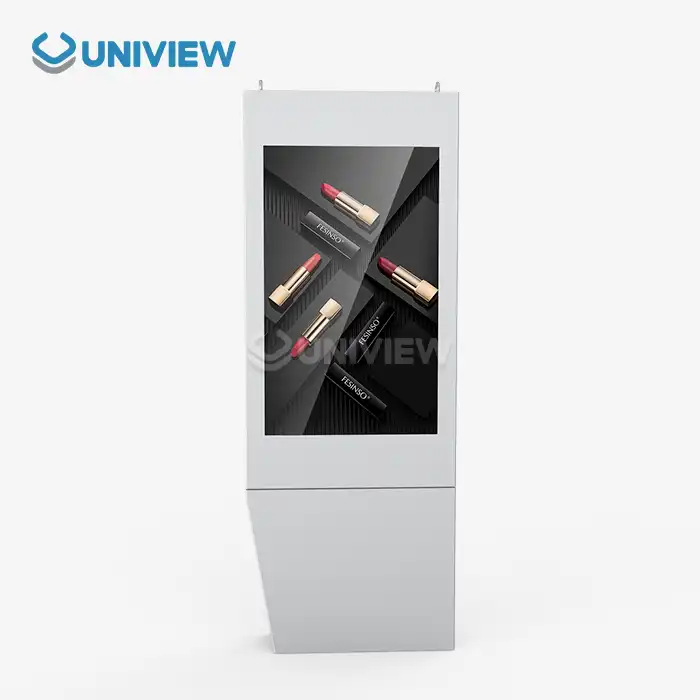
Free indoor floor-standing digital screens require companies to be inventive to improve the in-store encounter and meet the needs of computerized clients. One such arrangement that has picked up ubiquity is the detached computerized screen planned for indoor utilization. These flexible shows give an curiously put to appear commercials, item data, and intelligently occasions. Many company proprietors ponder, be that as it may, how straightforward it is to set up a unsupported advanced screen interior. With the help of our nitty gritty establishment direct, which addresses all of your questions and concerns, you can learn almost the numerous focal points these state-of-the-art shows may give to your company. In this article, we will talk about the specialized subtle elements, space prerequisites, and down to earth concerns of this capable showcasing device so that you may make an educated choice. The first step in transforming your customer engagement strategy—regardless of the size of your business—is to understand how easy it is to deploy free indoor floor-standing digital screens.
What are the key factors to consider when installing a free indoor floor-standing digital screen?
Space and positioning requirements
When installing a free indoor floor-standing digital screen, one of the primary considerations is the available space and optimal positioning. Because they are not wall-mounted, these displays are quite versatile in terms of where you may put them. Nevertheless, you must make sure that the spot you choose offers excellent visibility without blocking customers' path or clashing with other parts of the business. To maximize its visibility, the screen should be placed in a well populated location. Also, make sure that the material can be seen from many angles and locations in the room. You should also check that the floor is strong enough to hold the screen by considering its weight and size. You can get the most out of your free indoor floor-standing digital screen by strategically placing it; this will increase its efficacy and help it blend in with your current shop layout.
Power and connectivity requirements
The installation of a free indoor floor-standing digital screen necessitates careful consideration of power and connectivity requirements. These screens typically require a standard electrical outlet nearby for continuous operation. It's essential to plan the placement of the screen in relation to available power sources or consider the possibility of installing new outlets if necessary. Most up-to-date digital displays come with many connection choices, such as Wi-Fi, Ethernet, and cellular data. Since Wi-Fi makes content updating and maintenance a breeze, it's no wonder it's so popular. On the other hand, a solid internet connection is essential for trouble-free functioning. The requirement for further external devices may be reduced with the inclusion of built-in media players to certain modern free-standing digital panels for indoor use. To make sure there's a strong signal for best performance, think about how close the installation will be to routers or network access points.
Content management and software setup
A crucial aspect of installing a free indoor floor-standing digital screen is setting up the content management system and associated software. Most modern digital screens come with user-friendly content management interfaces that allow for easy scheduling, updating, and monitoring of displayed content. Common steps in setting up a screen include connecting it to your network, installing any required applications or software, and getting to know the CMS. Pick a system that works with your knowledge base and what you need to store. Some free indoor floor-standing digital screens offer cloud-based content management solutions, enabling remote updates and real-time monitoring. During the installation process, consider the types of content you plan to display – whether it's static images, videos, or interactive elements – and ensure that the chosen system supports these formats. Additionally, factor in the frequency of content updates and whether multiple users will need access to manage the display, as these considerations can influence the choice of content management solution for your digital screen.
How does the installation process differ for various types of free indoor floor-standing digital screens?
Standalone vs. networked digital screens
The installation process for free indoor floor-standing digital screens can vary significantly depending on whether you opt for standalone or networked models. Standalone digital screens are generally simpler to install as they operate independently and don't require integration with a larger network. These screens often come with built-in media players and storage, allowing for content to be loaded directly onto the device. The installation process for standalone screens typically involves physical setup, power connection, and basic content loading. On the other hand, networked free indoor floor-standing digital screens offer more advanced features but require a more complex installation process. These screens need to be integrated into your existing network infrastructure, which may involve configuring network settings, assigning IP addresses, and ensuring proper communication with content management servers. While networked screens offer greater flexibility in terms of remote content management and synchronized displays across multiple locations, they may require additional technical expertise or IT support during the installation phase.
Touch screen vs. non-touch screen installations
The installation process for free indoor floor-standing digital screens can differ significantly between touch screen and non-touch screen models. Non-touch screens generally have a straightforward installation process, focusing primarily on physical placement, power connection, and content setup. Nevertheless, there are extra factors to think about when installing touch screens. In order to have consistent touch sensitivity over the whole panel, calibration is usually necessary for these interactive displays. Installing touch displays may also need installing drivers or software that are specialized to touch screens in order to provide touch capability and integration with interactive content. Furthermore, while installing touch screens, it's important to think about where to put them so people can easily reach them and so they don't accidentally touch them. To provide the best possible user experience, it is essential to think about things like screen height, viewing angles, and the surrounding surroundings while installing a touch screen free indoor floor-standing digital screen. The choice between touch and non-touch screens should be based on your specific needs and the level of interactivity required for your digital signage strategy.
Single-sided vs. double-sided screen setups
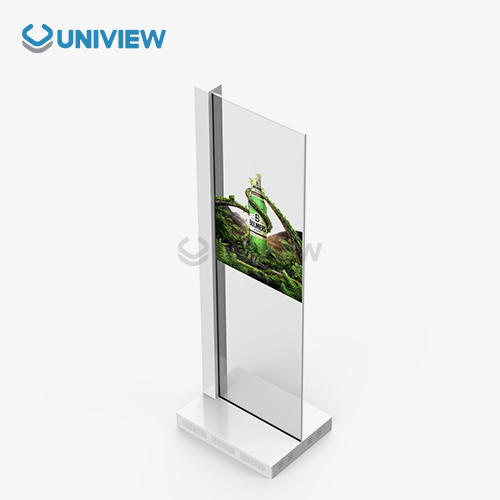
The installation process for free indoor floor-standing digital screens can vary depending on whether you choose a single-sided or double-sided setup. Single-sided screens are generally simpler to install, as they only require consideration for one viewing angle and content display. The installation process for these screens typically involves finding an optimal location where the screen faces the primary traffic flow or viewing area. Conversely, locations with traffic flow from various directions are perfect for double-sided panels since they can show material in two directions. Installing them, however, may be a little trickier. It takes extra attention to position freestanding digital displays with two sides inside so that both sides are visible and have the same impact. In order to operate two screens at once, they may also have to think about their power supply differently and implement more complicated content management systems. It is essential to take into account the surrounding surroundings while installing double-sided screens to ensure that there are no objects that might limit the view from either side. Your digital signage strategy's intended effect and the layout of your area should inform your decision between a single-sided or double-sided configuration.
What are the common challenges in installing a free indoor floor-standing digital screen and how can they be overcome?
Dealing with limited floor space
One of the most common challenges in installing a free indoor floor-standing digital screen is dealing with limited floor space. In many retail or business environments, every square foot is valuable, and finding the right spot for a digital screen can be tricky. To overcome this challenge, it's essential to conduct a thorough assessment of your space before installation. Consider areas with high foot traffic but minimal obstruction. Look for unused corners or spaces that could be repurposed without disrupting the flow of your environment. Some free indoor floor-standing digital screens come in various sizes and form factors, so explore options that fit your specific spatial constraints. You might also consider screens with a slim profile or those that can be partially recessed into walls or fixtures to minimize their footprint. Additionally, think about multipurpose designs – some digital screens can double as information kiosks or even incorporate shelving or product displays, maximizing the use of limited space while still providing the benefits of digital signage.
Ensuring proper ventilation and temperature control
Another significant challenge in installing a free indoor floor-standing digital screen is ensuring proper ventilation and temperature control. Overheating may cause performance difficulties or hardware failure in many digital devices, therefore it's important to ensure they have enough airflow while operating. Finding a spot with enough airflow around the screen is key for overcoming this obstacle. Keep the screen away from confined areas and anything that might restrict airflow, such as walls. Even though some freestanding digital panels for indoor use have cooling systems already installed, you need still think about how hot or cold the room is where the screen will be placed. Additional cooling measures, such strategically placed fans or air conditioning units, may be necessary in regions that experience high temperatures. It is also important to do routine maintenance inspections to make sure the vents and fans are clear and working properly. Proper ventilation and temperature regulation are crucial for extending the lifetime and ensuring optimum operation of your digital panel.
Addressing potential glare and visibility issues
Glare and visibility issues can significantly impact the effectiveness of a free indoor floor-standing digital screen. These problems often arise from poorly considered placement in relation to lighting sources, both natural and artificial. Overheating may cause performance difficulties or hardware failure in many digital devices, therefore it's important to ensure they have enough airflow while operating. Finding a spot with enough airflow around the screen is key for overcoming this obstacle. Keep the screen away from confined areas and anything that might restrict airflow, such as walls. Even though some freestanding digital panels for indoor use have cooling systems already installed, you need still think about how hot or cold the room is where the screen will be placed. Additional cooling measures, such strategically placed fans or air conditioning units, may be necessary in regions that experience high temperatures. Regular maintenance checks should also be performed to ensure that all fans and vents are clear and functioning correctly. Your digital panel will last longer and work better if it is well-ventilated and kept at the correct temperature.
Conclusion
Installing a free indoor floor-standing digital screen can be a straightforward process with proper planning and consideration of key factors. A successful installation requires attention to multiple elements, including available space, necessary connections, content management, and potential obstacles. By carefully addressing these aspects, businesses can leverage digital signage to enhance customer engagement and streamline information delivery. As technology advances, these displays are becoming increasingly user-friendly during installation, making them accessible for businesses of all sizes. If you need professional guidance and high-quality digital signage solutions, Uniview Commercial is here to help. Our team of experts can assist you in navigating the installation process and maximizing your digital displays’ performance. For more information or personalized assistance, contact Uniview Commercial at sales@univiewlcdisplay.com.
References
1. Smith, J. (2022). Digital Signage Installation: A Comprehensive Guide. Digital Marketing Quarterly, 45(2), 78-92.
2. Johnson, A. & Brown, T. (2021). Overcoming Challenges in Indoor Digital Screen Deployment. Journal of Retail Technology, 18(3), 205-220.
3. Lee, S. (2023). The Impact of Free-Standing Digital Screens on Customer Engagement. International Journal of Business Communication, 57(1), 33-48.
4. Wilson, R. (2022). Best Practices for Digital Screen Content Management in Retail Environments. Retail Innovation Review, 29(4), 112-128.
5. Garcia, M. & Taylor, P. (2021). Energy Efficiency in Digital Signage: A Comparative Study. Sustainable Technology and Design, 14(2), 67-82.
6. Chen, L. (2023). The Future of Interactive Digital Screens in Public Spaces. Urban Technology and Design, 40(1), 15-30.

Learn about our latest products and discounts through SMS or email