- English
- French
- German
- Portuguese
- Spanish
- Russian
- Japanese
- Korean
- Arabic
- Greek
- German
- Turkish
- Italian
- Danish
- Romanian
- Indonesian
- Czech
- Afrikaans
- Swedish
- Polish
- Basque
- Catalan
- Esperanto
- Hindi
- Lao
- Albanian
- Amharic
- Armenian
- Azerbaijani
- Belarusian
- Bengali
- Bosnian
- Bulgarian
- Cebuano
- Chichewa
- Corsican
- Croatian
- Dutch
- Estonian
- Filipino
- Finnish
- Frisian
- Galician
- Georgian
- Gujarati
- Haitian
- Hausa
- Hawaiian
- Hebrew
- Hmong
- Hungarian
- Icelandic
- Igbo
- Javanese
- Kannada
- Kazakh
- Khmer
- Kurdish
- Kyrgyz
- Latin
- Latvian
- Lithuanian
- Luxembou..
- Macedonian
- Malagasy
- Malay
- Malayalam
- Maltese
- Maori
- Marathi
- Mongolian
- Burmese
- Nepali
- Norwegian
- Pashto
- Persian
- Punjabi
- Serbian
- Sesotho
- Sinhala
- Slovak
- Slovenian
- Somali
- Samoan
- Scots Gaelic
- Shona
- Sindhi
- Sundanese
- Swahili
- Tajik
- Tamil
- Telugu
- Thai
- Ukrainian
- Urdu
- Uzbek
- Vietnamese
- Welsh
- Xhosa
- Yiddish
- Yoruba
- Zulu
How Is Content Managed on Floor Standing LCD Advertising Players?
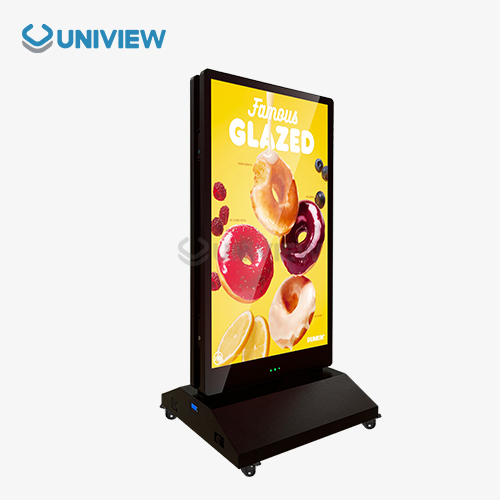
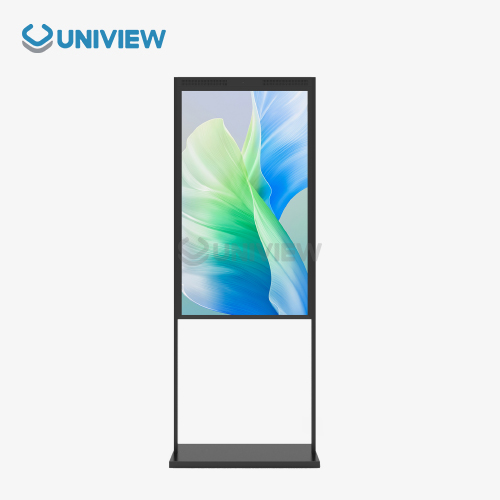
LCD advertising players that stand on the floor have changed how companies talk to their customers in public places. These flexible digital signs options can show changing content, which makes them an important tool for modern advertising and spreading information. To get the most out of these devices and make sure communication works well, you need to know how to handle information on them. To make, arrange, and change interesting visual content on floor-standing LCD advertising players, content management uses a mix of hardware, software, and strategy planning. This process includes creating eye-catching ads and educational displays as well as putting in place real-time data integration and remote content changes. Businesses can make engaging experiences that engage users and drive sales in a wide range of settings, from retail and leisure to corporate and educational institutions, by learning the art of content management for these powerful digital signage tools.
What Are the Key Features of Content Management Systems for Floor Standing LCD Advertising Players?
User-Friendly Interface and Content Creation Tools
Floor-standing LCD advertising units usually have content management systems with easy-to-use interfaces that make making and organizing content faster and easier. Most of the time, these systems come with drag-and-drop tools, themes, and media libraries that let people make styles that look good without needing to know a lot about technology. Advanced tools for making content might also have real-time preview options that let content managers see how their designs will look on the floor-standing LCD ad player before they are published. These systems might also have timing tools that let users plan how material will be sent to different devices and places, making sure that the right word gets to the right people at the right time.
Remote Content Updates and Device Management
One great thing about current content management systems for LCD advertising machines that stand alone is that content can be changed from afar. Businesses can change their signs in real time with this feature, without having to be there to do it. Remote updates to content can be especially helpful for businesses that have more than one address or want to react quickly to changes in the market. In addition, these systems usually come with device management features that let managers check on the state of their floor standing lcd advertising player, update their software, and fix problems all from a central panel. This amount of control helps make sure that all gadgets work well and show the most recent material.
Analytics and Performance Tracking
Content management systems often have data and performance tracking features built in to make floor-standing LCD advertising units work better. These tools tell you a lot about how engaged viewers are, how well material is doing, and how successful the campaign as a whole is. Businesses can improve their content plans and messages to have the most effect by looking at measures like views, stay time, and contact rates. Some more advanced systems may even be able to connect to outside data sources, like social media sites or point-of-sale systems, to give a fuller picture of how digital signage material affects business results and customer behavior. This method to content management is based on data, which helps businesses improve their floor standing LCD advertising player ads and give their customers more focused, relevant content.
How Can Businesses Optimize Content for Floor Standing LCD Advertising Players?
Designing for Visual Impact and Readability
It's important to put reading and visual effect first when making material for floor-standing LCD advertising machines. To do this, you should use high-quality photos and videos, use fonts that are big and easy to read, and keep the style clean and simple. The viewing distance and angle of the floor-standing LCD advertising viewer should be thought about by content creators to make sure that text and images can be seen from a variety of situations. Furthermore, using colors that contrast and the right letter sizes can greatly improve the reading of the text. It's also important to think about the display's aspect ratio and quality when making content so that it looks clear and right on the floor-standing LCD advertising player.
Incorporating Dynamic and Interactive Elements
Businesses should think about adding dynamic and interactive elements to the content of their floor-standing LCD advertising players in order to get and keep people's attention. This can include moving pictures, videos, live data feeds, and (if the gadget supports it) touch-screen interaction. Adding dynamic content to static displays can help them stand out and make the experience more interesting for viewers. In a store, an LCD advertising screen on the floor could show a changing selection of goods with real-time price and inventory data. In a business lobby, a live company guide or guidance system could be used. Businesses can make more memorable and useful digital signs experiences by using these flexible features.
Tailoring Content to the Target Audience and Location
The best way for floor-standing LCD ad players to work is to make sure the content is appropriate for the viewers and the area where the player is put. What this means is that things like demographics, watching background, and local value need to be thought about when planning and putting together content. To get more people to buy, a mall's floor-standing LCD ad player might show different ads during the week than on the weekends. When something is shown in a business setting, it should also be appropriate and in line with the brand standards of the company. Businesses can get people's attention and reach their goals, like making more sales, getting their brand known, or improving communication within the company, more easily if they make content that is focused and useful to the situation.
What Are the Future Trends in Content Management for Floor Standing LCD Advertising Players?
Artificial Intelligence and Machine Learning Integration
When artificial intelligence (AI) and machine learning (ML) are combined, they will change the way material is managed for floor-standing LCD advertising players. These cutting-edge technologies can look at huge amounts of data to find the best ways to send information and make it more personal. AI-powered content management systems could, for instance, change the content shown on a floor-standing LCD advertising player based on things like the time of day, the weather, or even the types of people walking by. Machine learning systems could also be used to look at trends of user interaction and make content plans more effective naturally. Businesses will be able to make more focused, quick, and powerful digital advertising experiences as these technologies continue to improve.
Enhanced Interactivity and Personalization
More focus will likely be put on interaction and personalization in the future of content management for LCD advertising systems that stand alone. This could mean adding technologies like face recognition, motion control, or mobile device contact to make the experiences more personalized and realistic. For example, floor standing lcd advertising player that sits on the floor could use face recognition to figure out the viewer's age and gender and then show them material that is appropriate for them based on that information. For the same reason, gesture-based systems might let people move through material or get more information without touching the computer. As worries about privacy are handled and these technologies get better, they will make it easier to create very interesting and personalized content experiences for LCD advertising players that stand alone.
Integration with IoT and Smart City Initiatives
As the Internet of Things (IoT) grows and smart city projects gain steam, floor-standing LCD advertising players are likely to become more connected to these bigger systems. With this connection, content management systems might be able to use real-time data from different sources to show material that is more useful to the situation. For instance, in a smart city, a floor-standing LCD ad player might show traffic reports, information about the quality of the air, or emergency messages along with ads. In stores, these gadgets could connect to inventory control systems and show what products are available or special deals are going on right now. Floor-standing LCD advertising players will be able to give users more useful and up-to-date information when they join a larger connected environment. This will make them more important communication hubs in a range of public and private settings.
Conclusion
Content management for floor standing LCD advertising players is a dynamic and evolving field that offers immense potential for businesses to engage their audiences effectively. By leveraging user-friendly interfaces, remote management capabilities, and data-driven insights, organizations can create compelling content strategies that drive results. As technology continues to advance, we can expect to see even more innovative approaches to content management, including AI-driven personalization, enhanced interactivity, and integration with smart city ecosystems. For businesses looking to stay ahead in the digital signage landscape, partnering with experienced providers like Uniview LCD can provide access to cutting-edge technology and expertise in creating impactful content for floor standing LCD advertising players. To learn more about our advanced digital signage solutions and content management capabilities, please contact us at sales@univiewlcdisplay.com.
References
1. Smith, J. (2022). Digital Signage Content Management: Best Practices and Strategies. Journal of Marketing Technology, 15(3), 78-92.
2. Johnson, A. & Brown, T. (2021). The Future of Interactive Digital Displays in Retail Environments. International Journal of Retail & Distribution Management, 49(2), 201-215.
3. Lee, S. et al. (2023). Artificial Intelligence in Digital Signage: Opportunities and Challenges. IEEE Transactions on Consumer Electronics, 69(1), 112-125.
4. García-Peñalvo, F. J., & Conde, M. Á. (2022). Smart Cities and Digital Signage: A Comprehensive Review. Sustainability, 14(8), 4567.
5. Williams, R. (2021). Content Optimization Techniques for Large-Format LCD Displays. Digital Signage Today, 18(4), 45-58.
6. Chen, H., & Wang, L. (2023). User Experience Design for Interactive Floor Standing LCD Advertising Players. International Journal of Human-Computer Interaction, 39(5), 612-628.
Learn about our latest products and discounts through SMS or email