- English
- French
- German
- Portuguese
- Spanish
- Russian
- Japanese
- Korean
- Arabic
- Greek
- German
- Turkish
- Italian
- Danish
- Romanian
- Indonesian
- Czech
- Afrikaans
- Swedish
- Polish
- Basque
- Catalan
- Esperanto
- Hindi
- Lao
- Albanian
- Amharic
- Armenian
- Azerbaijani
- Belarusian
- Bengali
- Bosnian
- Bulgarian
- Cebuano
- Chichewa
- Corsican
- Croatian
- Dutch
- Estonian
- Filipino
- Finnish
- Frisian
- Galician
- Georgian
- Gujarati
- Haitian
- Hausa
- Hawaiian
- Hebrew
- Hmong
- Hungarian
- Icelandic
- Igbo
- Javanese
- Kannada
- Kazakh
- Khmer
- Kurdish
- Kyrgyz
- Latin
- Latvian
- Lithuanian
- Luxembou..
- Macedonian
- Malagasy
- Malay
- Malayalam
- Maltese
- Maori
- Marathi
- Mongolian
- Burmese
- Nepali
- Norwegian
- Pashto
- Persian
- Punjabi
- Serbian
- Sesotho
- Sinhala
- Slovak
- Slovenian
- Somali
- Samoan
- Scots Gaelic
- Shona
- Sindhi
- Sundanese
- Swahili
- Tajik
- Tamil
- Telugu
- Thai
- Ukrainian
- Urdu
- Uzbek
- Vietnamese
- Welsh
- Xhosa
- Yiddish
- Yoruba
- Zulu
Premium Semi-Outdoor Window Facing Display for High Traffic Areas
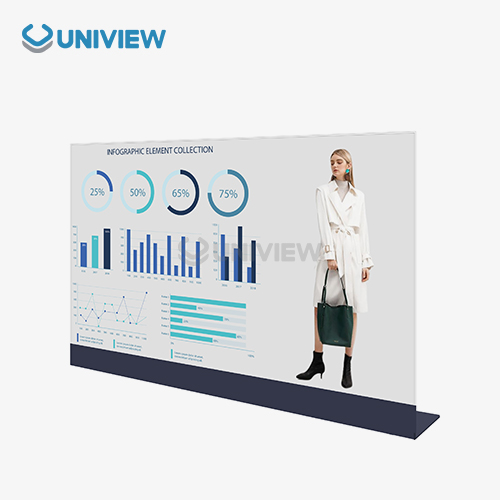
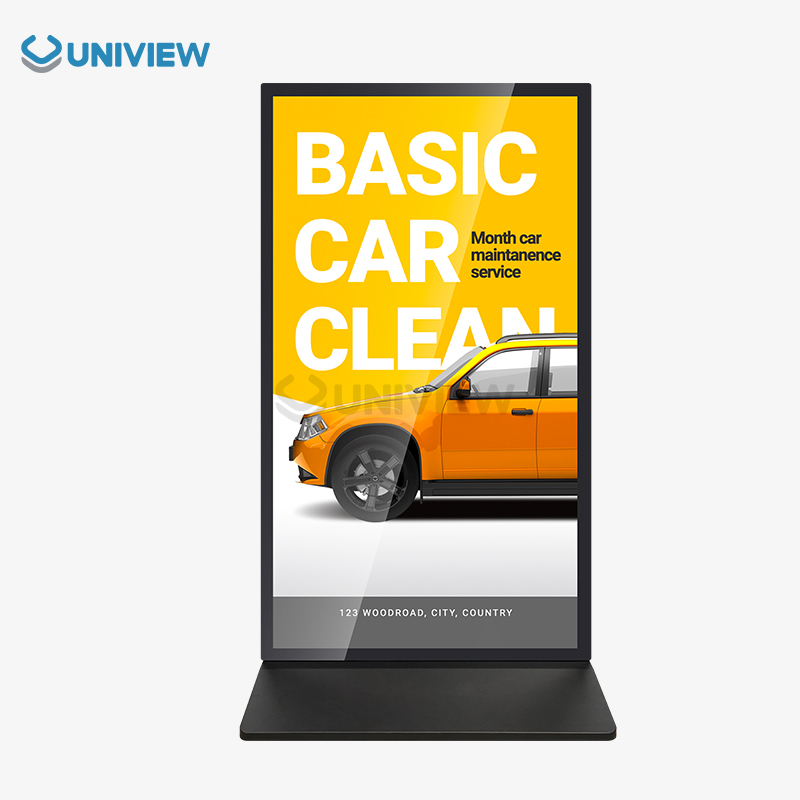
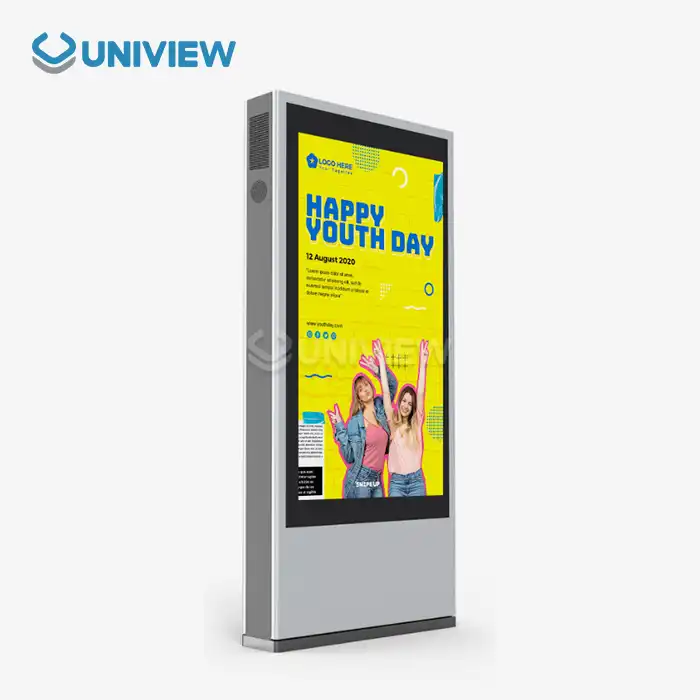
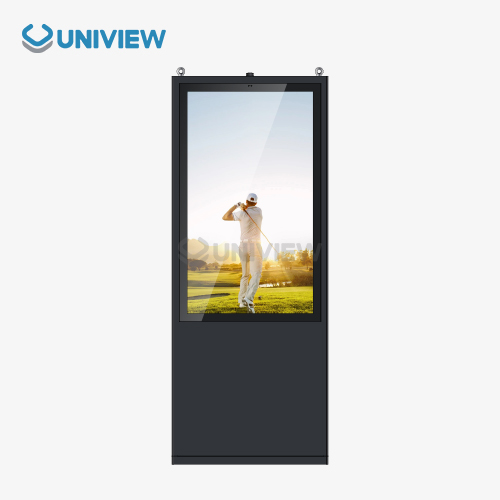
Businesses that want to be seen in busy areas should look at premium semioutdoor window facing display options. They are the best combination of indoor comfort and outdoor sturdiness. Advanced LED technology and waterproof engineering work together in these high-tech display systems to give you great performance even in tough situations. Whether you run a shop, a transportation hub, or a dining venue, these displays have the brightness and dependability you need to get people's attention and keep them interested in partially shaded outdoor settings.

Understanding Semi-Outdoor Window Facing Displays
Semioutdoor window displays are now the standard for businesses that need to be seen in tough conditions. These creative solutions fill in the important gap between regular indoor screens and fully protected outdoor setups. They are the perfect middle ground for places that get some weather.
Core Technology and Design Features
Several cutting-edge technologies are used together in semi-outdoor window displays to make them work better. Extreme brightness levels, usually between 2000 and 4000 nits, are made possible by LED backlighting systems. This means that the material can be seen even in full sunlight. The screen panels have high-quality offline-coated AR glass in them that makes the pictures very clear while reducing the glare and reflections that can happen with setups that face windows. The tech behind these screens puts a lot of thought into how they will work in different environments. Weatherproof covers meet standards IP65 to IP66 and keep internal parts safe from dust and water harm. Advanced thermal management keeps working temperatures at the right level with heat dissipation systems, and corrosion-resistant surface treatments make products last longer in harsh circumstances.
Brightness and Visibility Optimization
To get the best vision in partially open areas, you need to pay close attention to brightness levels and anti-glare technologies. The output of modern semi-outdoor window-facing display units is automatically adjusted to keep viewing at different times of the day. This adjustable brightness control not only improves the viewing experience, but it also helps save energy by cutting down on power use when there isn't much light. The quality of the display is still great even when watched from a wide angle. This makes these options especially useful for storefronts where people come in from different directions. Advanced color reproduction makes sure that the brand's look and feel are consistent no matter what the lighting is like.
Comparing Display Solutions for Storefront and High Traffic Areas
To choose the right semi-outdoor window facing display technology for business use, you need to know the pros and cons of each choice. With this thorough comparison, buying teams can make smart choices based on the needs of the place and their budgets.
Indoor vs Semi-Outdoor Performance Analysis
Traditional indoor screens work best in controlled settings, but not so well when they have to deal with natural light or changes in temperature. Most of the time, these units have lighting levels between 300 and 700 nits, which is too low for setups that face a window and have a lot of sunlight. Also, indoor screens don't have the environmental safety they need to work reliably in partly open circumstances. These problems can be fixed with semi-outdoor options that are brighter and better able to handle the weather. While still using about the same amount of energy as indoor units, they are durable enough to last for a long time in harsh circumstances. The difference in price between indoor and semi-outdoor options is often justified by the fact that indoor options don't need as much upkeep and last longer.
Transparent LED and Projection Alternatives
When installed in windows, transparent LED technology lets natural light in while showing digital material. This gives window installations a unique look. These systems, on the other hand, usually need special steps to be installed and may be harder to handle content for. There is a higher price for the see-through feature, and it might not work in all situations. Rear projection systems can make a big visual effect, but they need a lot of space behind the screen. Many business settings don't have enough space for projector technology to be used effectively. Also, interference from outdoor light can lower the quality of the picture in bright conditions. This makes them less useful in places with a lot of natural light and a lot of foot traffic.
How to Choose the Right Semi-Outdoor Window Facing Display for Your Business
The right semi-outdoor window facing display system must be carefully chosen after taking into account a number of technical and practical factors. Knowing these factors will help you get the best results and return on your investment for your application.
Brightness and Environmental Specifications
To find the right brightness levels, you need to look at the lighting conditions at the installation spot. Directly facing south-facing windows or covered doors need lower nit values than those facing north. When describing lighting needs, keep in mind that the amount and length of sunlight change with the seasons. Summer is usually the worst time for vision. Ratings for environmental safety become very important for long-term dependability. IP65 protection is good enough to keep out dust and water splashes, while IP66 protection is better against strong water jets. For setups that face the outside, wind resistance values are also important. Good units are tested to make sure they can handle heavy winds without damaging the structure.
Integration and Customization Capabilities
Modern semioutdoor window facing semi-outdoor window-facing display systems must work smoothly with the digital infrastructure that is currently in place. Content management compatibility, network connectivity choices, and the ability to watch from afar all affect how well the system works both when it is first set up and as it is used. You should check to see if the display works with the content management tools you like and has the connectivity choices your network needs. Customization choices go beyond technical specs and include things like size, shape, mounting options, and how it looks. Custom size can help many situations by making the most of the window space available while still fitting in with the overall design. The general look of the building should be matched by the bezel design, frame colors, and attaching hardware.
Supplier Evaluation and Support Services
If you want your display purchase to last, it's important to choose a maker you can trust. Check the supplier's qualifications, such as their manufacturing knowledge, their ability to provide help around the world, and their track record with similar installations. Throughout the lifetime of a product, good makers provide detailed technical documentation, step-by-step installation instructions, and quick support services. One more important thing to think about is the warranty coverage. Reliable providers usually offer longer security periods of three to five years. Full coverage should include both hardware parts and expert support services. This will give you peace of mind when you make big investments in capital.
Installation, Maintenance, and Energy Efficiency of Semi-Outdoor Displays
Performance and life of semi-outdoor window-facing display systems are directly impacted by proper installation and ongoing care practices. Understanding these needs helps businesses make good budgets and set up good working processes.
Site Preparation and Installation Requirements
A careful site inspection and preparation is the first step to a successful installation. The structural analysis makes sure that the structure can hold the weight of the display and the wind loads. The electrical planning takes into account the power needs and surge protection. The cable route needs to take into account how to keep out the weather and how to make repairs in the future. This way, water doesn't get into the system and makes it less reliable. Mounting systems need to be perfectly aligned and securely attached to the frame of buildings. Professional installation teams know how important it is to seal off mounting points and wire openings properly. Temperature correction during installation takes into account the cycles of temperature expansion and contraction that happen as the seasons change.
Preventive Maintenance and Operational Optimization
Regular repair plans keep equipment in good shape and reduce the amount of surprise downtime that happens. When you clean, you should pay close attention to the screen surfaces and air systems to keep the picture quality at its best. If you don't clean up the dust in air areas right away, it can make it harder for heat to escape, which can cause parts to break down early. Updating monitor firmware and content management systems daily is part of software maintenance. These updates often include better speed, better protection, and new features that make the system more valuable overall. Remote tracking systems can let you know about problems before they become a problem, so you can fix them before they affect business.
Energy Efficiency and Cost Management
The cost of running large-scale display systems is largely due to the energy they use. Modern semi-outdoor window-facing display screens have advanced power management features that make the best use of power based on the content and the environment. Automatic brightness change lowers the amount of power used when there isn't enough light,semioutdoor window facing display, but users can still see clearly. Compared to older display technologies, LED technology naturally uses a lot less energy. Quality units use so little power that big setups can run for longer periods of time without breaking the bank. When businesses know about these aspects of efficiency, they can more accurately predict running costs and look at return on investment possibilities.
Pricing, Procurement, and After-Sales Support for Semi-Outdoor Window-Facing Displays
By understanding the full cost structure and sourcing issues, businesses can make smart investment choices that will keep them happy with their display options for a long time.
Cost Analysis and Budget Planning
Depending on the size, features, and level of customization needed, semi-outdoor window-facing display options can cost a lot. Standard sizes are usually a better deal because of economies of scale in making, while custom designs cost more. The final prices are based on requirements for brightness, amounts of environmental protection, and advanced features.In addition to the initial cost of the buy, businesses must also think about the costs of installation, ongoing upkeep, and projected energy use. Professional installation services ensure the best performance, but they cost more and aren't guaranteed to succeed. When making a detailed budget, all of these different cost factors are taken into account so that there are no surprises during execution.
Procurement Best Practices and Vendor Selection
Working directly with well-known makers can often be helpful when it comes to making sure the products are real, allowing for customization, and getting help. Authorized wholesalers can provide helpful local support while still having access to resources and guarantee coverage from the maker. When checking a vendor's qualifications, you should look at their past project experience, technical skills, and financial security. For large-scale setups or operations in multiple locations, the chance to buy in bulk may save a lot of money. Discounts for buying in bulk, standardizing specs, and coordinating shipping times can all help bring down both unit costs and project complexity. But cost saves from standardization must be weighed against the needs of each place, semioutdoor window facing display, which may mean that unique solutions are needed.
Warranty Coverage and Support Services
A full guarantee protects the value of your investment and makes sure that the product works reliably for as long as it's supposed to. Manufacturers who are confident in the quality of their products offer longer guarantee periods. Hardware repair and expert support services should both be covered, and there should be clear promises about how long it will take to fix serious problems. Global support skills are important for businesses that do business in other countries or have sites that are far away. Support is available 24 hours a day, 7 days a week, so problems can be fixed quickly, no matter what time zone or area they are in. Some makers offer insurance through third-party underwriters, which goes beyond the terms of a normal warranty and gives you extra safety.
Conclusion
When a business wants to be seen and engaged in places with a lot of foot traffic, investing in premium semioutdoor window facing display technology is a smart move. For tough installation situations, these high-tech options strike the right mix between performance, durability, and cost-effectiveness. Companies can choose display options that make their brands more visible and work reliably for a long time by carefully examining technical specs, provider capabilities, and total cost of ownership.
FAQ
1. What environmental conditions are suitable for semi-outdoor window-facing displays?
Displays that are partly outside work best in places that are partly protected, like covered shops, transportation hubs, and building entrances, where direct weather isn't as bad. These units can handle changes in temperature, humidity, and indirect moisture contact without losing their effectiveness. However, they need some cover from direct rain, snow, or other harsh weather that full outdoor displays are made to handle.
2. How do different amounts of brightness affect how well you can see in different kinds of light?
Specifications for brightness have a direct effect on how well you can see the monitor in different lighting situations. Screens with 2000 to 3000 nits work well for most semi-outdoor uses, while screens with 4000 nits work best in places that get a lot of sunlight. Automatic brightness change features improve visibility while reducing energy use, making sure that material can still be read at different times of the day and during different seasons.
3. What customization options are available for brand-specific applications?
Customization options cover a wide range of aspects, such as physical size, hanging arrangements, and interaction with content management systems. Display borders can be made in any color to fit the look of a brand, and special mounting tools can be used in buildings with specific needs. Customizing software means adding features like online tracking, integrating a content management system, and making the user interface look like it fits with company standards.
4. How long do semi-outdoor window-facing displays typically last?
Under normal usage conditions, a high-quality semioutdoor window facing display unit should last between 5 and 7 years. LED backlit systems have lifespans of 50,000 hours or more, and the overall system lifespan can be extended by giving the system proper care and safety from the environment. Regular upkeep, proper installation, and high-quality manufacturing have a big effect on how long something actually lasts. This means that choosing the right provider and getting good support services are very important for long-term performance.
Partner with Uniview Commercial for Premium Display Solutions
Ready to use cutting-edge display technology to change your busy spot? For companies all over the world, Uniview Commercial is the go-to semioutdoor window facing display maker. Because we've worked with clients in over 100 countries, semi-outdoor window facing display, we know the specific problems your business and area face.
We offer options that can be tailored to your needs and come with warranties that last between 3 and 5 years, global help available 24 hours a day, and full insurance coverage through China Pacific Insurance Company. Our dedicated team offers one-on-one meetings to help you find the best display setup for your needs while also making sure that it works seamlessly with your current systems.
Please email our experts at sales@univiewlcdisplay.com right away to learn more about how our high-quality semi-outdoor displays can help your brand stand out and get more customers involved. Let us help you make amazing visual experiences that help your business grow in tough areas.
References
1. Digital Signage Technology Standards for Commercial Applications, International Display Technology Association, 2023
2. Environmental Protection Guidelines for Semi-Outdoor Electronic Displays, Commercial Electronics Manufacturing Council, 2024
3. Energy Efficiency Analysis of LED Display Systems in High-Traffic Commercial Environments, Journal of Commercial Technology, 2023
4. Best Practices for Window-Facing Digital Signage Installation and Maintenance, Building Technology Institute, 2024
5. Cost-Benefit Analysis of Semi-Outdoor vs Indoor Display Solutions for Retail Applications, Commercial Display Research Foundation, 2023
6. Brightness Requirements and Visibility Standards for Storefront Digital Signage, American Commercial Signage Association, 2024
Learn about our latest products and discounts through SMS or email