- English
- French
- German
- Portuguese
- Spanish
- Russian
- Japanese
- Korean
- Arabic
- Greek
- German
- Turkish
- Italian
- Danish
- Romanian
- Indonesian
- Czech
- Afrikaans
- Swedish
- Polish
- Basque
- Catalan
- Esperanto
- Hindi
- Lao
- Albanian
- Amharic
- Armenian
- Azerbaijani
- Belarusian
- Bengali
- Bosnian
- Bulgarian
- Cebuano
- Chichewa
- Corsican
- Croatian
- Dutch
- Estonian
- Filipino
- Finnish
- Frisian
- Galician
- Georgian
- Gujarati
- Haitian
- Hausa
- Hawaiian
- Hebrew
- Hmong
- Hungarian
- Icelandic
- Igbo
- Javanese
- Kannada
- Kazakh
- Khmer
- Kurdish
- Kyrgyz
- Latin
- Latvian
- Lithuanian
- Luxembou..
- Macedonian
- Malagasy
- Malay
- Malayalam
- Maltese
- Maori
- Marathi
- Mongolian
- Burmese
- Nepali
- Norwegian
- Pashto
- Persian
- Punjabi
- Serbian
- Sesotho
- Sinhala
- Slovak
- Slovenian
- Somali
- Samoan
- Scots Gaelic
- Shona
- Sindhi
- Sundanese
- Swahili
- Tajik
- Tamil
- Telugu
- Thai
- Ukrainian
- Urdu
- Uzbek
- Vietnamese
- Welsh
- Xhosa
- Yiddish
- Yoruba
- Zulu
What Materials Are Used in Digital Signage Stand Construction?
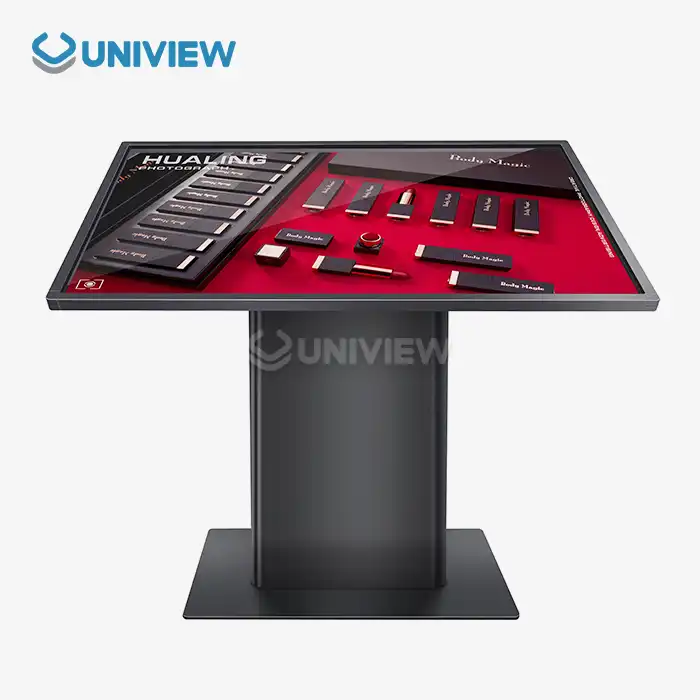
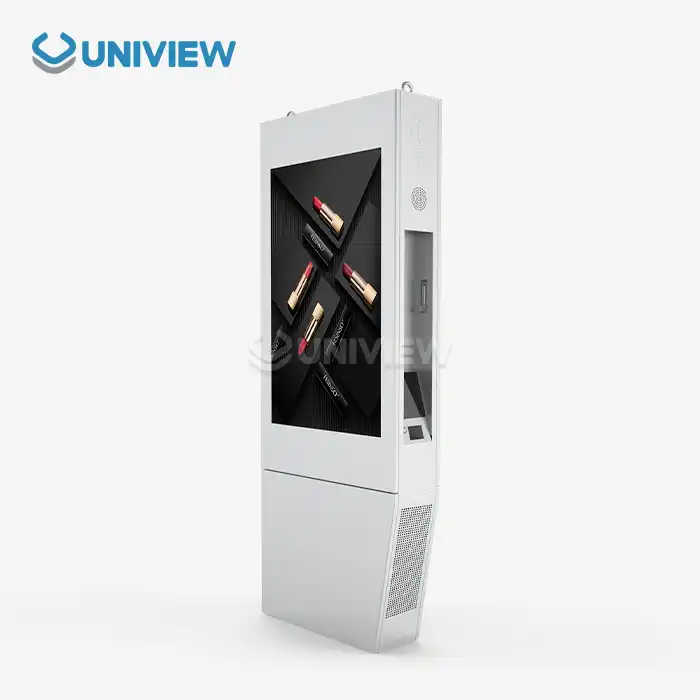
Contemporary advertising and information display relies heavily on digital signage stands. In addition to supporting the digital screens, these elements also help the signs system look good and work well. A digital signs stand's longevity, steadiness, and good looks are all directly affected by the materials that are used to make it. A wide range of materials are available for building digital signs stands, from strong steel to lightweight aluminum, and from stylish glass to eco-friendly wood composites. There are different weight concerns, climatic factors, and design choices for each element. In this detailed blog, we'll talk about the most common materials used to build digital signage stands, their benefits, and the things that should go into choosing the right material for performance and durability.
What are the Most Popular Materials for Digital Signage Stands?
Aluminum: The Lightweight Champion
Lightweight metal is often used for digital sign stands because it is strong for its weight. Steel like this can be used inside or outside because it is strong and doesn't rust. Metallic digital sign stands are easy to move and set up, making them great for temporary or often-moved sets. With finishes like spray finishing and anodizing, this flexible material can look better and be protected from the weather. Aluminium digital sign stands can hold screens of various sizes and weights, so they can be used for many purposes. Getting rid of heat is also helpful for keeping digital screens running well.
Steel: The Sturdy Stalwart
For digital signage stand that need to be very strong and stable, steel is the best material to use. For big shows and outdoor locations where wind protection is important, its toughness makes it excellent. Stainless steel digital signs stands can handle rough weather and possible hits, protecting expensive display equipment and making sure it lasts for a long time. To meet specific stylistic needs, the material's flexibility lets it be shaped and designed in complex ways. Many places choose steel stands over other types of stands because they last longer and are better at withstanding damage. Even though it is heavier than aluminum, steel is the best material for buildings and shows that need to be set up permanently and can't be moved.
Acrylic: The Sleek and Modern Option
Plastic called acrylic is becoming more popular for building digital signs stands, especially for indoor uses that want a modern, sleek look. Clear and easy to shape, this material is great for making creative and eye-catching stand designs. Acrylic digital signs stands are strong and light, so they are easy to move and adjust as needed. Displays can have a moving effect thanks to the material's transparency, which improves the overall visual impact. Being immune to UV rays and not turning yellow over time, acrylic stands keep looking good for a long time. Although plastic stands aren't as strong as metal ones, they work well for small to medium-sized displays and can be strengthened with other materials if needed to make them more stable.
How Do Environmental Factors Influence Digital Signage Stand Material Selection?
Outdoor vs. Indoor Considerations
A digital signs stand's location is a very important factor in choosing the right material. Challenges for outdoor digital signs stands include UV rays, rain, changes in temperature, and possible physical damage. During these times, people usually choose weather-resistant and long-lasting materials like powder-coated metal or galvanized steel. When exposed to the weather, these materials keep their shape and look. Although, you can choose from a wider range of materials for indoor digital signage stands. Although endurance is still important, looks and weight become more important. To find a good mix between function and style, indoor uses can benefit from plexiglass, wood blends, or even some plastics.
Temperature and Humidity Considerations
Temperature and humidity levels significantly impact the performance and longevity of digital signage stands. In regions with extreme temperature variations, materials that can withstand thermal expansion and contraction without compromising structural integrity are crucial. Aluminum, for instance, performs well in such conditions due to its excellent thermal properties. For humid environments, materials resistant to moisture and corrosion are essential. Stainless steel or treated aluminum stands are often used in these scenarios to prevent rust and degradation. Additionally, in environments with high humidity, it's important to consider materials that don't absorb moisture, as this can lead to warping or other structural issues over time. The choice of material must ensure that the digital signage stand remains stable and functional regardless of temperature and humidity fluctuations.
Wind and Load-Bearing Capacity
Check the digital sign stand's weight capacity and how well it will stand up to wind if it's going to be used outside. Strong enough winds must be used to keep the things from falling over and ruining the show. Folks who live in windy places often choose steel because it is strong and steadie. For safety reasons, and so the screen stays in place, the stand's base and support system need to be well thought out. As an example, digital sign stands that need to hold big panels or more than one screen are often made of heavy-duty metal alloys or steel that has been improved. The screen itself can't be bigger than accessories like media players, cooling systems, or protective cases.
What Are the Future Trends in Digital Signage Stand Materials?
Eco-Friendly and Sustainable Materials
As people become more aware of the environment, they build digital sign stands out of materials that are good for the environment and last a long time. Used aluminum and steel are being used to make more and more things. It is safe for the environment, lasts as long, and is just as strong as new aluminum and steel. Holzcomposite stands for digital signs inside are an eco-friendly choice because they are made from recycled plastics and wood fibers. These materials have a unique look and are easy to recycle and good for the environment. Biodegradable plastics and plant-based materials are also being looked into as possible parts of digital signage stands, especially for short-term or event-based sets ups. Paints and treatments that protect and look good without hurting the earth are also being looked at more closely.
Smart Materials and IoT Integration
Putting together smart materials and Internet of Things (IoT) technology is what will make digital signs stand out in the future. Materials with built-in sensors are being created to keep an eye on weather, outdoor conditions, and the strength of structures in real time. These smart digital signs stands can let repair teams know about possible problems before they get too bad, making sure that the stands work well and last a long time. Shape-memory metals and self-healing materials are on the way. These could lead to stands that can change with their surroundings or fix small problems on their own. Researchers are also looking into materials that can carry electricity so that power and data transfer can be built right into the structure of the stand. This would eliminate the need for external wires and make the stand look better. When improved materials and Internet of Things (IoT) technology come together, they will change digital signage stand forever, making them smarter, more sensitive, and more efficient.
Modular and Customizable Designs
As people look for ways to save money and be more flexible, adaptable and customizable digital signs stands are becoming more popular. More and more people are choosing building materials and methods that are easy to put together, take apart, and rearrange. Using aluminum extrusions as an example, stands can be made that are easy to change or add to as needs arise. This flexibility also lets different materials be used together in the same stand, adding the best qualities of each to make the best options. For instance, the main frame of a stand might be made of metal, the artistic parts might be made of plastic, and key places might be reinforced with steel. This method not only lets you customize things more, but it also makes updates and upkeep easy. As companies look for advertising options that can be used in a variety of situations, materials and styles that can do this will continue to change and take over the market.
Conclusion
The construction of digital signage stands involves a careful selection of materials that balance durability, aesthetics, and functionality. From traditional choices like aluminum and steel to emerging eco-friendly options and smart materials, the range of possibilities continues to expand. As the digital signage industry evolves, so too will the materials and technologies used in stand construction, offering more innovative, sustainable, and efficient solutions. For businesses looking to invest in digital signage, understanding these material choices is crucial for making informed decisions that align with their specific needs and environmental considerations.
Elevate Your Brand with Custom High-Performance Digital Signage
At Uniview Commercial, we understand the importance of choosing the right materials for your digital signage stands. As a professional global manufacturer and supplier of LCD and LED digital signage based in Shenzhen, China, we offer superior product quality and flexible customized services. Our expertise extends to creating innovative solutions that meet the highest standards of excellence, ensuring that your digital signage not only looks great but also performs optimally in various environments. For more information on our products and services, please contact us at sales@univiewlcdisplay.com. Let us help you create extraordinary digital signage solutions that elevate your brand and captivate your audience.
FAQ
Q: What is the most durable material for outdoor digital signage stands?
A: Steel is generally considered the most durable material for outdoor digital signage stands due to its strength and weather resistance.
Q: Are there eco-friendly options for digital signage stands?
A: Yes, eco-friendly options include recycled aluminum, wood composites, and biodegradable plastics for certain components.
Q: How does the choice of material affect the cost of a digital signage stand?
A: Material choice significantly impacts cost, with steel and aluminum typically being more expensive than plastics or wood composites.
Q: Can digital signage stands be made from a combination of materials?
A: Yes, many modern stands use a combination of materials to optimize strength, weight, and aesthetics.
Q: What material is best for lightweight, portable digital signage stands?
A: Aluminum is ideal for lightweight, portable stands due to its high strength-to-weight ratio.
References
1. Smith, J. (2022). "Advanced Materials in Digital Signage Construction." Digital Display Technology Journal, 15(3), 78-92.
2. Johnson, A. & Brown, M. (2021). "Environmental Factors Affecting Outdoor Digital Signage Durability." Outdoor Advertising Quarterly, 28(2), 112-125.
3. Lee, S. et al. (2023). "Smart Materials and IoT Integration in Modern Digital Signage Systems." Journal of Interactive Marketing, 42(1), 45-60.
4. Garcia, R. (2022). "Sustainable Practices in Digital Signage Manufacturing." Green Technology Review, 9(4), 201-215.
5. Thompson, K. (2021). "Comparative Analysis of Materials Used in Digital Signage Stands." Industrial Design Today, 33(5), 67-82.
6. Zhang, Y. & Wilson, T. (2023). "Future Trends in Digital Signage: Materials and Technologies." Digital Media Innovations, 18(2), 156-170.


Learn about our latest products and discounts through SMS or email