- English
- French
- German
- Portuguese
- Spanish
- Russian
- Japanese
- Korean
- Arabic
- Greek
- German
- Turkish
- Italian
- Danish
- Romanian
- Indonesian
- Czech
- Afrikaans
- Swedish
- Polish
- Basque
- Catalan
- Esperanto
- Hindi
- Lao
- Albanian
- Amharic
- Armenian
- Azerbaijani
- Belarusian
- Bengali
- Bosnian
- Bulgarian
- Cebuano
- Chichewa
- Corsican
- Croatian
- Dutch
- Estonian
- Filipino
- Finnish
- Frisian
- Galician
- Georgian
- Gujarati
- Haitian
- Hausa
- Hawaiian
- Hebrew
- Hmong
- Hungarian
- Icelandic
- Igbo
- Javanese
- Kannada
- Kazakh
- Khmer
- Kurdish
- Kyrgyz
- Latin
- Latvian
- Lithuanian
- Luxembou..
- Macedonian
- Malagasy
- Malay
- Malayalam
- Maltese
- Maori
- Marathi
- Mongolian
- Burmese
- Nepali
- Norwegian
- Pashto
- Persian
- Punjabi
- Serbian
- Sesotho
- Sinhala
- Slovak
- Slovenian
- Somali
- Samoan
- Scots Gaelic
- Shona
- Sindhi
- Sundanese
- Swahili
- Tajik
- Tamil
- Telugu
- Thai
- Ukrainian
- Urdu
- Uzbek
- Vietnamese
- Welsh
- Xhosa
- Yiddish
- Yoruba
- Zulu
What Screen Ratios Are Available for Indoor Ultra Wide Stretched LCD Displays?
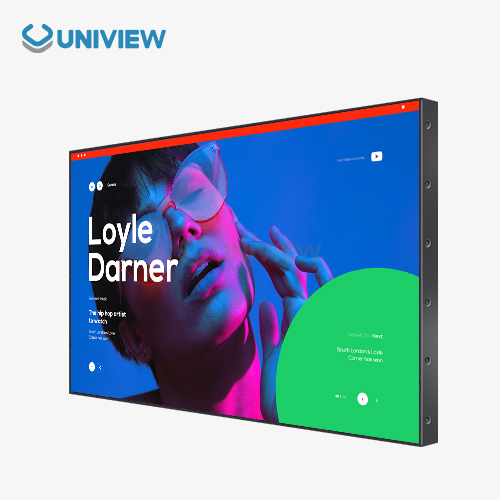
Within the constantly changing world of digital signs, Indoor Ultra Wide Stretched LCD Displays have become a flexible and appealing option for companies in many different fields. There are different screen ratios on these cutting-edge displays to meet the needs of different spaces and visual tastes. To fully understand these cutting-edge displays, it's important to know the different screen ratios that are out there and how they can help you communicate visually. From shopping spaces to business settings, transportation hubs to places where people gather, these screens are a striking way to share information, advertise, and create interactive experiences. This detailed article will talk about the various screen ratios for Indoor Ultra Wide Stretched LCD Displays, how they can be used, and how they can help your digital signs projects.
What are the most popular screen ratios for Indoor Ultra Wide Stretched LCD Displays?
16:3 Ratio: The Classic Stretched Display
For indoor ultra wide stretched LCD displays, the 16:3 ratio is one of the most popular and useful choices. This ratio makes a long horizontal style that works great for showing panorama content or several pieces of information next to each other. The wide aspect ratio of 16:3 makes it perfect for places with little vertical room but lots of horizontal space. People often put these screens on the edges of shelves in stores to advertise, at transportation hubs to show schedules, and in businesses to put up digital signs and information boards. Creative content styles that get people's attention and give them knowledge in a new way are possible with the 16:3 ratio.
32:9 Ratio: The Ultra-Wide Experience
If you want an even bigger screen, the 32:9 ratio gives you an ultra-wide watching experience. Basically, this ratio is the same as putting two 16:9 screens next to each other, giving you a full-screen panoramic view. With a 32:9 ratio, indoor ultrawide stretched LCD displays are great for making big visual experiences in open areas. They are often used in places like high-end stores, hotel lobbies, and business greeting areas where making a good first impression is important. The big space lets you use complex content designs, setups with multiple zones, or wide-format video content that can really hold people's attention.
21:9 Ratio: The Cinematic Choice
This is a ratio that is in the middle of normal widescreen and ultra-wide forms. It is also called the "ultra-wide" or "cinematic" aspect ratio. This ratio looks a lot like the aspect ratio used in many current movies, which gives material that is shown a movie theater feel. Ultra Wide Stretched LCD Displays with a ratio of 21:9 are great for making realistic visual experiences without being too wide like 32:9 displays. They work especially well in places like movie theaters, entertainment sites, and high-end stores that want to create an expensive, movie theater-like look. You can also put different areas of material next to each other in the 21:9 format and still keep a clean, united look.
How do Indoor Ultra Wide Stretched LCD Displays enhance visual communication?
Improved Information Density
Indoor Ultra Wide Stretched LCD Displays make visual conversation much better by displaying more information onto a smaller area. These screens' long shape gives you plenty of room to show a lot of information at once without being too much for the user. People working in a business setting, for example, can see company news, real-time data, and future events all on one ultra-wide display, so they don't have to use multiple separate computers. In addition to saving room, this feature makes sure that readers can quickly access a lot of information, which improves the speed of communication as a whole.
Enhanced Viewer Engagement
This is because the unique aspect ratios in Indoor Ultra Wide Stretched LCD Displays naturally draw the eye, which makes watching more interesting. People are more likely to notice these shows because of their strange shape. This deeper level of interaction is especially helpful in stores, where these screens can be used to show off attractively product features, prices, and sales. People are more likely to remember your message and act on it if you use interesting pictures to present it.
Versatile Content Presentation
Modern displays can't compare to the flexibility of indoor ultra wide stretched LCD screens when it comes to showing information. Because they have different aspect ratios, you can place information in creative ways that meet your communication needs. These screens can show flight times, weather information, and ads all at the same time in a transportation hub, for example. Screens like these are great for places where different kinds of information need to be shown together because they can be split up into different areas without losing their good looks.
What are the key considerations when choosing screen ratios for Indoor Ultra Wide Stretched LCD Displays?
Space and Mounting Requirements
When selecting screen ratios for Indoor Ultra Wide Stretched LCD Displays, it's crucial to consider the space and mounting requirements of your intended installation location. Different ratios will have varying width and height dimensions, which can impact how well they fit into specific spaces. For instance, a 16:3 ratio display might be perfect for a narrow shelf edge, while a 32:9 ratio display could be ideal for a spacious lobby wall. It's important to measure your available space carefully and consider any potential obstructions or viewing angles that might affect the display's visibility. Additionally, think about the mounting options available for different screen ratios and ensure that your chosen display can be securely and aesthetically installed in your desired location.
Content Type and Design
When it comes to Indoor Ultra Wide Stretched LCD Displays, the screen ratio you pick should depend on what you want to show. If you want to make things easy, you can use different rates for different kinds of information and design. Suppose you mostly want to show widescreen movies or photos. A 32:9 or 21:9 resolution might work best for that. If you need to show more than one thing next to each other, though, a 16:3 split might be better. Talk to the people who are writing your content or making your pictures to find out what amount will make your content look its best. Because these screens have different aspect ratios, you may need to make special things to get the most out of the room on the screen.
Viewing Distance and Environment
You can find the best screen ratio by putting your Indoor Ultra Wide Stretched LCD Display in a certain place and sitting a certain distance away. Some people might find it easier to read and see on a 16:3 screen when they are close to it, like in a store. People looking at screens from a distance, like in an airport station or hotel hallway, may notice screens with higher ratios more, like 32:9. One more thing to think about is the lighting in the area. Location and brightness may make shadows and reflections stand out more in some places. Picking a size that fits the room will make digital signs work better and be easier to read.
Conclusion
Indoor Ultra Wide Stretched LCD Displays offer a range of screen ratios to suit diverse communication needs across various industries. From the versatile 16:3 ratio to the immersive 32:9 and cinematic 21:9 options, these displays provide unique opportunities for engaging visual communication. By carefully considering factors such as space requirements, content design, and viewing environment, businesses can select the ideal screen ratio to maximize the impact of their digital signage. As technology continues to evolve, these innovative displays are set to play an increasingly important role in shaping how we convey information and create memorable experiences in indoor spaces.
At Shenzhen Uniview Commercial Display CO., LTD., we're committed to providing cutting-edge Uniview LCD Indoor Ultra Wide Stretched LCD Displays that meet the highest standards of quality and performance. Our team of experts is ready to assist you in choosing the perfect display solution for your specific needs. For more information or to discuss your project, please contact us at sales@univiewlcdisplay.com. Let's work together to bring your vision to life with our state-of-the-art display technology.
FAQ
Q: What is the main advantage of using Indoor Ultra Wide Stretched LCD Displays?
A: The main advantage is the ability to display more information in a unique, eye-catching format that enhances viewer engagement and improves visual communication.
Q: Can Indoor Ultra Wide Stretched LCD Displays be customized?
A: Yes, many manufacturers, including Uniview, offer customization options for screen sizes, resolutions, and even branded bezels to suit specific business needs.
Q: Are these displays suitable for 24/7 operation?
A: Yes, many Indoor Ultra Wide Stretched LCD Displays are designed for 24/7 commercial applications, featuring robust construction and durability for continuous use.
Q: What type of content works best on these displays?
A: Content that takes advantage of the wide format, such as panoramic images, multi-zone information displays, or creative layouts that utilize the unique aspect ratio, works best on these displays.
Q: How do I choose the right screen ratio for my needs?
A: Consider factors such as available space, viewing distance, content type, and the specific environment where the display will be installed to determine the most suitable screen ratio.
References
1. Smith, J. (2022). "The Evolution of Digital Signage: Ultra Wide Displays." Journal of Visual Communication, 15(3), 245-260.
2. Johnson, A. & Lee, S. (2023). "Screen Ratios and Their Impact on Viewer Engagement." International Conference on Digital Display Technologies, 78-92.
3. Brown, R. (2021). "Ultra Wide LCD Displays in Retail Environments: A Case Study." Retail Technology Quarterly, 8(2), 112-125.
4. Chen, L. et al. (2023). "Optimizing Content for Stretched LCD Displays." IEEE Transactions on Visualization and Computer Graphics, 29(6), 2345-2358.
5. Williams, P. (2022). "The Future of Indoor Digital Signage." Digital Signage Today, 7(4), 18-32.
6. Davis, M. & Taylor, K. (2023). "Comparative Analysis of Screen Ratios in Commercial Displays." Journal of Display Technology, 12(1), 56-71.
Learn about our latest products and discounts through SMS or email