- English
- French
- German
- Portuguese
- Spanish
- Russian
- Japanese
- Korean
- Arabic
- Greek
- German
- Turkish
- Italian
- Danish
- Romanian
- Indonesian
- Czech
- Afrikaans
- Swedish
- Polish
- Basque
- Catalan
- Esperanto
- Hindi
- Lao
- Albanian
- Amharic
- Armenian
- Azerbaijani
- Belarusian
- Bengali
- Bosnian
- Bulgarian
- Cebuano
- Chichewa
- Corsican
- Croatian
- Dutch
- Estonian
- Filipino
- Finnish
- Frisian
- Galician
- Georgian
- Gujarati
- Haitian
- Hausa
- Hawaiian
- Hebrew
- Hmong
- Hungarian
- Icelandic
- Igbo
- Javanese
- Kannada
- Kazakh
- Khmer
- Kurdish
- Kyrgyz
- Latin
- Latvian
- Lithuanian
- Luxembou..
- Macedonian
- Malagasy
- Malay
- Malayalam
- Maltese
- Maori
- Marathi
- Mongolian
- Burmese
- Nepali
- Norwegian
- Pashto
- Persian
- Punjabi
- Serbian
- Sesotho
- Sinhala
- Slovak
- Slovenian
- Somali
- Samoan
- Scots Gaelic
- Shona
- Sindhi
- Sundanese
- Swahili
- Tajik
- Tamil
- Telugu
- Thai
- Ukrainian
- Urdu
- Uzbek
- Vietnamese
- Welsh
- Xhosa
- Yiddish
- Yoruba
- Zulu
What Screen Types Are Best for Free Standing Digital Display?
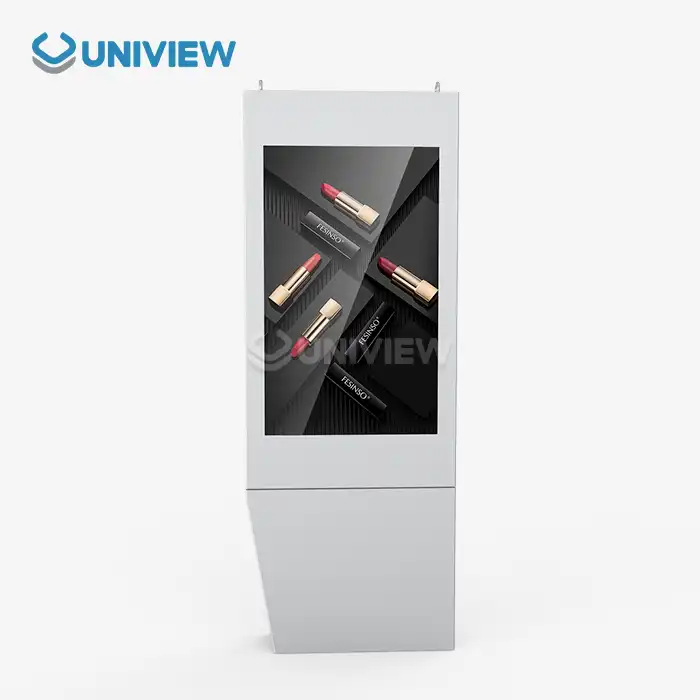
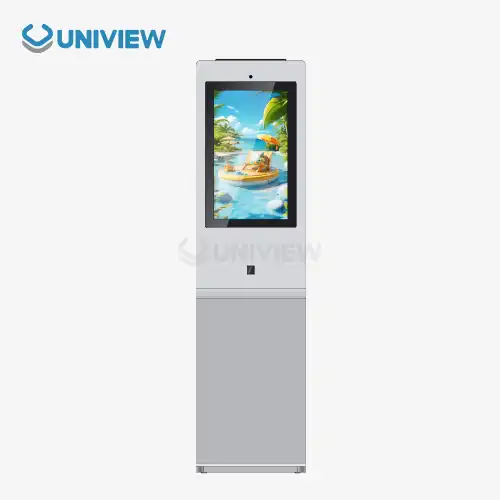
Rising in popularity, free standing digital display can be utilized in various methods and have a substantial effect on the ever-evolving field of digital signs. These portable units are a fun and engaging way to get people's attention in many settings, including shops, public spaces, and business offices. Choice of screen type for a free standing digital display is very important for businesses and groups that want to get people's attention and get their message across. This option can greatly impact the show's functionality, visibility, and general communication. This article will teach you all about the various screen types for free standing digital displays, including what makes each one unique and how to pick the best one for your needs. Understanding the variations in screen technologies will help you pick the best digital signs option for your needs, whether you want to make the experience of your customers better, get more people to know about your brand, or send information more quickly.
What Are the Key Factors to Consider When Choosing a Screen for a Free Standing Digital Display?
Brightness and Visibility
The most important things to consider when picking a screen for a stand-alone digital display are how bright it is and how easy it is to use. In different light conditions, these things have a direct effect on how well the screen works. To use a screen outside or in a place with a lot of light, it needs to be at least 2000 nits bright. There is no problem with these screens making the words visible in bright sunlight. With 4000 nits or more of light, LED screens often do very well in this area. LCD screens are a good choice because the brightness level might not be as important inside where the lights are controlled. To find the right light level, you should think about where the stand-alone digital screen will go and how bright the room is. Also, think about surfaces that don't reflect light and wide watching angles to improve your eyesight from all sides. People will be able to see your message clearly no matter where they are in relation to the device.
Durability and Weather Resistance
It is very important that the screen lasts a long time and works well with all kinds of weather on stand-alone free standing digital display, especially ones that will be used outside. Environmental factors like temperature, humidity, dust, and affects from the weather shouldn't have an effect on screens. When looking for free standing digital display that keep water and dust out, IP65 or IP66 grades are the best option. For long-lasting use in tough environments, exterior free standing digital display should also be made of materials and treated in ways that keep them from rusting. New free standing digital display have temperature control systems that use fans and heaters to keep the best working conditions even when it's cold outside. To make sure the free standing digital display is safe from UV rays, which can weaken and fade colors over time, don't forget to check that. It is especially important in places that are busy or not being watched. To protect yourself even more from physical damage, pick free standing digital display with stronger glass and features that make them less likely to break.
Energy Efficiency and Heat Management
Energy efficiency and heat management are crucial aspects to consider when choosing a screen for a free standing digital display. These factors not only impact operational costs but also affect the longevity and performance of the display. LED screens are known for their energy efficiency, consuming less power compared to traditional display technologies. This can result in significant cost savings over time, especially for displays that operate continuously. However, it's essential to balance energy efficiency with performance requirements. Effective heat management is equally important, as excessive heat can degrade screen quality and shorten the lifespan of electronic components. Look for free standing digital displays with advanced cooling systems, such as heat sinks, fans, or even liquid cooling for larger installations. Some displays also feature automatic brightness adjustment based on ambient light conditions, which can further optimize energy consumption while maintaining visibility. Consider the total cost of ownership, including energy costs and potential maintenance requirements, when evaluating different screen options for your free standing digital display.
How Do Different Screen Technologies Compare for Free Standing Digital Displays?
LED vs. LCD Displays
LED screens and LCD screens are often the first ones that people think of when they compare screen technologies for digital displays that stand alone. LED screens are great for use outside or in places with lots of natural light because they are very bright. Pictures look great on them because the colors are bright and contrasty, and you can see them from farther away. Also, LED screens can be changed in any way that works best for the placement because they can be any size or shape. LCD screens, on the other hand, tend to be less expensive for small to medium-sized digital gadgets that stand alone. They take good pictures and don't use much power, so you can use them inside where the lighting is controlled. This means that pictures look better up close on most LCD screens with more pixels. It might be hard to see them outside in bright weather, and the views aren't as good as with LED screens.
OLED and MicroLED Technologies
The market for stand-alone digital displays is opening up to new technologies like OLED (Organic Light Emitting Diode) and MicroLED. As each pixel creates its own light and can be turned off totally, OLED screens have great contrast ratios and true blacks. Beautiful pictures with deep, rich colors are made this way. It's also possible to make artistic pieces with OLED screens because they are very thin and bendable. Some technologies, like these, may not last as long as others and may be more likely to get burned in. However, MicroLED takes the best parts of both LED and OLED technologies and puts them together. The contrast and color output are better than OLED, and it has the light and long life of LED screens. For high-end free standing digital display that stand alone, microLED displays are perfect because they can be smoothly combined to make big screens with no borders. But MicroLED technology will likely become more affordable in the future, even though it is more expensive now. This could completely change the digital signs business.
Interactive Touch Screens
Interactive touch screens are becoming more and more popular for digital displays that stand alone. They give viewers a new way to interact with the display. Touch-sensitive technology in these screens lets users connect with the information directly. Like smartphones and computers, capacitive touch screens let you touch them and get a response. They're good for indoor use and can handle multiple touch motions for easy browsing. For tough or outdoor uses, infrared touch technology lasts a long time and can be used with gloves or other things. It is important to think about things like touch accuracy, response time, and the ability to work in different environments when looking at dynamic touch screens for stand-alone digital displays. Also, the software that runs these interactive screens should be easy for anyone to use and able to show interesting, dynamic material. Interactive, freestanding digital screens can make shopping experiences much better for customers, give people self-service options in public places, or make it easier for people to share information in business settings.
What Are the Latest Trends in Screen Technology for Free Standing Digital Displays?
High Resolution and 4K Displays
As more and more freestanding digital signs use high resolution and 4K screens, the way these structures look is changing. 4K resolution (3840 x 2160 pixels) is becoming more popular in digital screens as content makers push the limits of design and detail. With four times the sharpness of regular 1080p screens, these ultra-high definition screens make pictures that are very clear and true to life. When people are going to be close to a digital device that stands alone, this level of information can be super helpful. For instance, amazing clarity can be used to show off goods in stores, and high-quality brand images can leave a long impression in company halls. They can show more material at once without making it harder to read because they have more pixels per inch, which makes them perfect for apps that need to show a lot of information. For high-end digital display systems that stand alone, 4K and even higher images will likely become standard as production costs keep going down.
Transparent and Flexible Displays
New technologies like transparent and bendable screens are making freestanding digital displays more useful. Content can be placed on real-world items or settings with transparent screens, making experiences that are one-of-a-kind and compelling. As a result, these screens can be built into glass stores, product displays, or even building features, making digital material look like it belongs in reality. With clear screens for free standing digital displays, you can make pieces that are both eye-catching and don't block views or light, which makes them perfect for open spaces. For example, with flexible displays, you can make free standing digital displays that are bent or even completely round. Shapes that wrap around columns or make 360-degree watching experiences are possible with this technology. Due to their flexibility, these screens allow designers to go beyond standard rectangular shapes, making works that are both useful and beautiful. Retail, leisure, and public places, which value unique and memorable experiences a lot, are likely to see more creative uses for these technologies as they get better.
AI-Powered and Context-Aware Displays
Putting artificial intelligence (AI) and context-awareness into digital displays that stand alone is changing the way these computers connect with their audience and the world around them. Displays that are driven by AI can look at the demographics, levels of involvement, and even emotional reactions of viewers in real time. This lets content be changed on the fly to have the most effect. For example, a digital display that stands alone in a store could use face recognition to figure out the age and gender of people who look at it and then make product suggestions based on that information. This is even more advanced with context-aware screens, which show useful material based on things like time of day, weather, or events happening nearby. These smart screens can also connect to other systems, like social media feeds or systems for managing goods, to show the most up-to-date information. Delivering personalized and relevant content based on the situation makes freestanding digital screens much more useful, increasing involvement and giving businesses and marketers useful data. As AI and IoT technologies keep getting better, these smart screens will likely get smarter too, letting digital signs apps be even more interactive and personalized.
Conclusion
Selecting the right screen type for a free standing digital display is crucial for maximizing its impact and effectiveness. From high-brightness LED screens for outdoor use to interactive touch displays for engaging experiences, each technology offers unique benefits suited to different applications. As the industry continues to evolve with advancements in resolution, flexibility, and AI integration, the possibilities for creative and impactful digital signage solutions are expanding. By carefully considering factors such as visibility, durability, energy efficiency, and emerging trends, businesses can choose the most appropriate screen technology to meet their specific needs and objectives. For expert guidance and cutting-edge solutions in free standing digital displays, consider partnering with Uniview Commercial, a leading manufacturer known for its innovative LCD and LED digital signage products. Contact us at sales@univiewlcdisplay.com to explore how our advanced technology and customized services can elevate your digital signage strategy.
FAQ
Q: What is the ideal brightness for outdoor free standing digital displays?
A: For outdoor displays, a minimum brightness of 2000 nits is recommended, with some high-end displays offering up to 4000 nits for excellent visibility in direct sunlight.
Q: How important is IP rating for free standing digital displays?
A: IP ratings are crucial for outdoor displays. Look for ratings of IP65 or IP66, which indicate superior protection against water and dust ingress.
Q: Are LED or LCD screens better for free standing digital displays?
A: LED screens are generally better for outdoor use due to their higher brightness, while LCD screens are more cost-effective for indoor applications with controlled lighting.
Q: What are the benefits of interactive touch screens in free standing digital displays?
A: Interactive touch screens offer enhanced engagement, allowing users to interact directly with content, which can improve customer experiences and provide self-service options.
Q: How does 4K resolution benefit free standing digital displays?
A: 4K resolution offers four times the detail of standard HD, providing sharper images and allowing for more content to be displayed clearly, especially when viewers are close to the screen.
References
1. Smith, J. (2022). "The Evolution of Digital Signage: From Static to Dynamic Displays." Digital Signage Today.
2. Johnson, M. (2023). "Comparing Screen Technologies for Outdoor Digital Signage." AV Network.
3. Chen, L. et al. (2021). "Energy Efficiency in Digital Displays: A Comprehensive Review." Journal of Display Technology.
4. Williams, R. (2023). "Interactive Touch Screens: Revolutionizing Customer Engagement." Retail Tech Magazine.
5. Brown, A. (2022). "The Rise of 4K and Beyond in Digital Signage Applications." SID Symposium Digest of Technical Papers.
6. Lee, S. (2023). "AI and Context-Aware Displays: The Future of Smart Signage." IEEE Transactions on Consumer Electronics.

Learn about our latest products and discounts through SMS or email