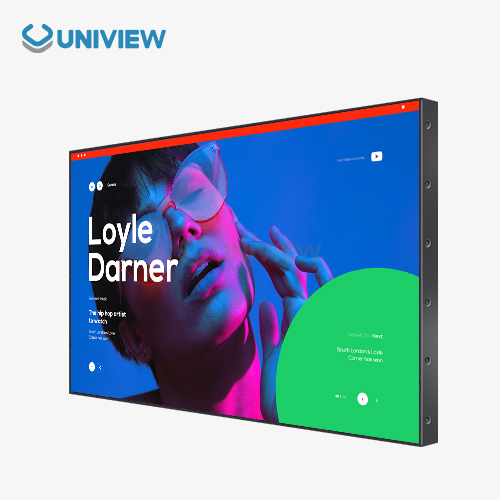
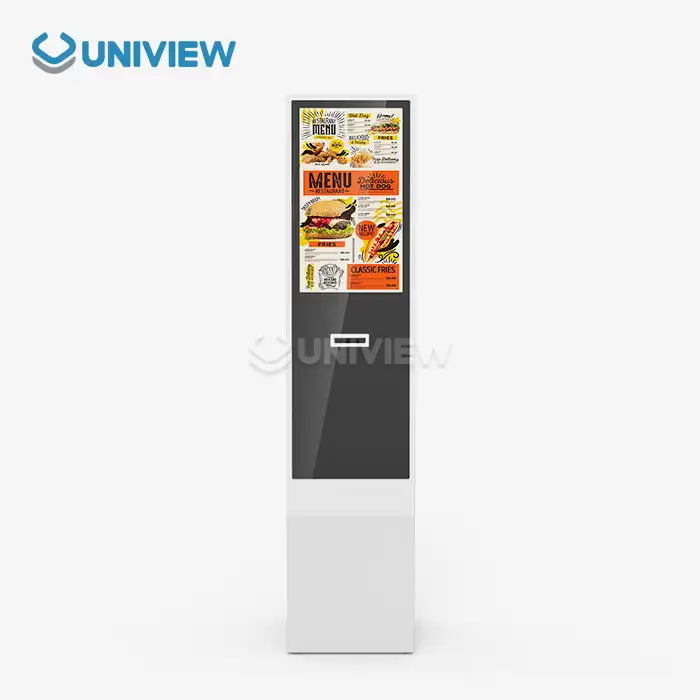
A wide range of global and local safety rules covers free-standing digital displays. Among these are IEC 62368-1, which covers electrical safety; IEC 60529, which covers ingress protection ratings; UL certification for the United States and Canada; CE marking for compliance in the European Union; and FCC rules for electromagnetic compatibility. These guidelines make sure that digital sign systems are safe for electricity, tough in any location, and good at protecting users in a wide range of business settings.
Introduction to Digital Displays That Don't Need to Be Mounted and Compliance Requirements
Understanding Free-Standing Digital Displays: The Basics and How Businesses Use Them
Digital screens that don't need to be mounted are high-tech communication tools that have changed the way companies talk to their customers. These self-contained units use LCD or LED technology and come with strong hanging systems. They are useful in a wide range of settings, including stores, business offices, hotels, and transportation hubs. These screens can be moved to different places as business needs change, unlike wall-mounted options that are fixed in place.
For outdoor use, these screens use high-brightness panels of 2000 to 4000 nits, improved cooling systems to get rid of heat, and IP65 to IP66-rated waterproof housings. While using specialized anti-reflective glass covering technology to offer crystal-clear content, modern units work quietly at about 60 dB.
Why Safety Standards Are Important When Buying a Free-Standing Digital Display
As long as safety standards are in place, both end-users and businesses will be safe from possible risks. When procurement managers ignore compliance requirements, they put their companies at risk of having to pay for damage claims, fines for breaking the rules, and the high costs of making things compliant after the fact. Digital signs must be able to handle changes in the environment, electricity, and heavy loads. They must also stay safe for the entire length of their working life.
Compliance approval gives people confidence that screens have been thoroughly tested for structural stability, electromagnetic compatibility, and electrical safety. This confirmation becomes especially important for sites that the public can see, where the safety of the users affects the business's image and legal standing.
An overview of the global regulatory landscape that affects compliance
The rules for free-standing digital displays are very different in places around the world, making it harder for companies to buy goods internationally. CE marking and RoHS compliance are important in European markets. On the other hand, UL certification and FCC approval are more important in North American markets. When they do tests, Asian markets often use foreign norms as a guide.
Understanding these changes between areas helps buying teams choose products and approval methods wisely. Manufacturers who build complete certification packages get better market access and lower compliance risks.
Important Safety Rules for Standalone Digital Displays
International Safety Standards: IEC 60529 (IP Rating) and IEC 62368-1
IEC 62368-1 is the worldwide standard for the safety of audio, video, information, and communication technology tools. This standard uses safety engineering that is based on hazards. It looks at possible energy sources and safety steps that can be used to keep people from getting hurt. Digital screens must show that they are compliant by going through extensive testing that looks for electrical, temperature, and mechanical risks.
IEC 60529 defines the entry protection rating method, which shows how well shelters keep the parts inside them safe from dust and water. Outdoor digital signs usually need IP65 or IP66 grades to ensure effective operation in difficult weather conditions. These rates make sure that they are protected from dust and high-pressure water jets, which is important for keeping them working in outdoor settings.
Regional Standards Summary: UL, CE Marking, RoHS, and FCC Rules
Digital screens must still have UL certification to be legally sold in North America. This certification ensures electricity safety through tests done by a third party and continuous checks. Through in-depth testing methods, UL guidelines look at certain dangers like electrical shock, fire risk, and damage from machines.
A CE mark shows that an item meets the European Union's standards for safety, health, and environmental protection. This mark shows that the goods fulfill the necessary conditions for a range of guidelines, such as those for electromagnetic compatibility, safety at low voltage, and waste electrical equipment. When you follow RoHS, even more dangerous materials are not allowed, which protects the environment during the entire lifetime of the product.
FCC approval takes electromagnetic interference issues into account so that digital screens don't mess up radio connections or other electronics. As monitor technology adds internet connection and better processing, this condition becomes more and more important.
Electrical Safety and Electromagnetic Compatibility (EMC) Standards
Electrical safety guidelines include protecting people from getting shocked, hurt, or killed by electricity or fire. To avoid electrical accidents, digital screens must have the right grounding systems, overcurrent safety, and insulator coordination. EMC standards make sure that screens don't produce too much electromagnetic interference or let outside interference affect their operation.
Today's free-standing digital displays use advanced power control systems that have to meet safety and energy-saving standards. These systems have surge safety, temperature management, and automatic stop features that turn on when the system is not working normally.
Rules for Fire Resistance, Mechanical Stability, and User Safety
Standards for fire resistance check how easily materials catch fire and how quickly flames spread. This makes sure that screens don't make it easier for fires to start in business settings. The mechanical stability standards take into account how well the structure will hold up under different types of weight, like wind for outdoor sites and seismic factors for areas where there are a lot of earthquakes.
Ergonomics, edge treatments, and meeting with accessibility standards are all part of user safety rules. These guidelines make sure that screens can be safely used and worked on during their entire service life without hurting people who use or fix them.
Challenges with compliance and how to deal with them
Common Compliance Mistakes When Buying Stand-Alone Digital Displays
It is often hard for procurement teams to deal with tricky licensing rules. One of the most common mistakes is giving incomplete paperwork, which shows that providers offer only part of the license and might not meet all the relevant standards. Buyers miss secondary compliance rules that are specific to their target markets when they focus on primary licenses. This is known as regional requirement oversight.
When makers depend on labs that aren't certified or use old testing methods, it can lead to inconsistent testing procedures that hurt the trustworthiness of the license. Because of these problems, projects may not get approved by the government, imports may be delayed, and expensive renewal processes may have to be done, all of which affect the timelines and budgets of projects.
Finding Certification Requirements by Market and Application
The certification standards are very different depending on what kind of thing you want to make and who you want to sell it to. Indoor installations usually focus on electrical safety and EMC compliance. On the other hand, outdoor installations need extra weather protection and mechanical stability certifications. Public-access sites may need to be safer for users and easier to use for people with disabilities.
As an extra difficulty, market-specific needs may require tests or extra licenses that are not even required by international standards. Successful buying strategies take these factors into account when choosing a seller to make sure that all compliance coverage is met.
Testing and Quality Assurance Best Practices for Compliance
Choosing providers who have strong testing methods and approved lab relationships is the first step in good quality assurance. Regular checks of the workplace confirm that the way things are made stays in line with the approved designs. This stops the quality from changing in a way that could break the rules.
Managing paperwork is an important part of making sure that all stages of a product's life follow the rules. Comprehensive certification records, like test results, design specs, and factory processes, show that you are still following the rules and help with regulatory checks.
Case Study: How Top Brands Make Sure of Compliance and Quality
Top makers use broad compliance strategies that make sure their products meet approval standards during the development process. These companies set up compliance teams that keep an eye on changes in the rules and make sure that testing is done in all places around the world.
When rules change, quick approval changes are possible for successful brands that build long-term partnerships with approved testing labs. This proactive method lowers the chances of getting delayed when entering the market, and it makes sure that all products follow the same rules.
Installation and Maintenance Factors for Safety Compliance
Regulatory Standards: Safe Installation Guidelines
When approved displays are properly installed, they keep their safety features for the entire time they are used. Foundation standards must take certain loading factors into account, such as steady weight, wind, and forces that happen when a person uses the object. When it comes to electrical work, it's important to hire people who know about grounding and the electrical rules in your area.
When planning for installations, especially for outdoor shows that need to be able to handle high temperatures, rain, and UV exposure, environmental factors need to be taken into account. Before setting up the display, the installation team needs to make sure that the location meets the display requirements and licensing standards.
Maintenance Practices that Help You Stay Compliant and Keep Your Equipment for a Long Time
Regular repair checks keep displays safe and working for longer. Before they endanger users, electrical system inspections find possible safety risks. At the same time, mechanical checks make sure that the structure stays intact when it is exposed to stress from the environment.
Regularly updating your software can help keep your system safe and running smoothly, and it makes sure that you are following the latest rules in hacking. Maintenance teams need to be able to keep things running smoothly while also making sure that changes are done on time to keep the license current.
How the Installation Environment Affects Safety Compliance (Indoors vs. Outdoors)
The places where the system is installed have a direct impact on compliance and care. Outdoor sites face more problems because of the weather. They need better safety from the environment and more frequent check plans. Indoor spaces can have specific problems with HVAC systems, lights, and making sure that everyone can use the space.
Environmental tracking systems help keep the best working conditions and give a heads up about situations that could make safety or compliance worse. These systems make it possible to maintain proactively, which avoids expensive breakdowns and keeps the system in line with rules.
Choosing Compliant Free-Standing Digital Displays for Your Company
Looking at how top brands' compliance credentials stack up against each other
To check safety credentials, you need to methodically compare the certifications of all possible sellers. When it comes to foreign operations, the top makers usually offer a lot of certifications that cover the needs of many different areas. This helps to make things easier.
The validity of the certification is another important factor, as expiring or obsolete certificates can lead to non-compliance issues that affect both project acceptance and the permission to carry out activities. Buyers should make sure that the approvals stay good for as long as they expect to use the product.
Balancing Compliance with Safety, Features, and Cost-Effectiveness
Successful buying strategies find a mix between legality, practical goals, and budget limits. While safety compliance can't be waived, buyers can get more value by choosing displays that pass the bare minimum in areas that help the business run better.
Compliance-related costs like those for following installation requirements, upkeep rules, and possible certification changes should be included in the total cost of ownership estimates. This all-encompassing method shows the real value of different compliance tactics.
Why It's Important to Get Help from Your Supplier with Certification and After-Sales Service
The success of compliance policies and long-term business happiness depends a lot on the ability to get help from suppliers. Responsive technical support teams help people with safety questions and give them advice on how to install and maintain things.
Quality of after-sales support affects continuing compliance through guarantee coverage, the availability of new parts, and expert help. Customers get more value and less risk in their day-to-day operations when suppliers build complete support systems.
Conclusion
To comply with free-standing digital displays, you must carefully follow a number of international and local safety rules that cover user security, environmental protection, and electricity safety. When procurement managers understand these needs, they can make smart choices that keep their businesses safe while also providing great communication options. Because global compliance is so complicated, it's important to work with makers who have a lot of different certifications and can help you with your products whenever you need to. When buying digital signs, you need to make sure that you follow the rules about safety, and make sure that the signs meet your business needs and are cheap. This will make sure that your money goes to something that is useful in the long run.
FAQ
Q: What is the most important safety standard to look for when buying a free-standing digital display?
A: IEC 62368-1 is widely recognized internationally as the key standard for electrical and electronic product safety, ensuring product reliability and user protection across diverse applications and markets.
Q: How often should maintenance be performed to keep a digital display compliant with safety standards?
A: Regular maintenance should be scheduled at least biannually, including checks on electrical components, structural integrity, and software updates to maintain safety compliance and operational reliability.
Q: Are certifications from original equipment manufacturers enough for compliance?
A: OEM certifications are essential, but validating third-party safety certifications and regional compliance marks is recommended to ensure full regulatory adherence across all target markets and applications.
Work with Uniview Commercial to get certified digital displays that don't need to be mounted
Uniview Commercial offers great free-standing digital displays that go above and beyond international safety standards and provide great value to businesses around the world. Our wide range of certifications, including IEC, UL, CE, and FCC, makes sure that all kinds of markets and uses can easily follow the rules. Our goods work reliably in tough settings because they include high-brightness screens of up to 4000 nits, strong IP66 weather protection, and corrosion-resistant construction.
As a trusted maker of free-standing digital displays, we help buyers at every stage, from setting up requirements to installation and continued care. With extended guarantee coverage and full insurance security, our committed expert team can respond anywhere in the world at any time. Work with professionals in the field who know how to meet your safety and operating needs so you can see how high-quality digital signs can help your business. Email us at sales@univiewlcdisplay.com to talk about your needs and get a unique quote.
References
1. International Electrotechnical Commission. "IEC 62368-1: Audio/Video, Information and Communication Technology Equipment - Part 1: Safety Requirements." Geneva: IEC Publications, 2018.
2. Institute of Electrical and Electronics Engineers. "Digital Display Safety Standards and Compliance Framework for Commercial Applications." IEEE Standards Association, 2022.
3. Federal Communications Commission. "Equipment Authorization Procedures for Digital Signage and Display Systems." Washington: FCC Office of Engineering and Technology, 2021.
4. European Committee for Standardization. "EN 60950 Series: Safety Requirements for Information Technology Equipment in Commercial Environments." Brussels: CEN Publications, 2020.
5. Underwriters Laboratories. "UL 2089: Standard for Safety of Health/Wellness Devices and Mobile Health Modules." Northbrook: UL Standards, 2019.
6. International Organization for Standardization. "ISO 9241-303: Ergonomics of Human-System Interaction - Part 303: Requirements for Electronic Visual Displays." Geneva: ISO Publications, 2021.