- English
- French
- German
- Portuguese
- Spanish
- Russian
- Japanese
- Korean
- Arabic
- Greek
- German
- Turkish
- Italian
- Danish
- Romanian
- Indonesian
- Czech
- Afrikaans
- Swedish
- Polish
- Basque
- Catalan
- Esperanto
- Hindi
- Lao
- Albanian
- Amharic
- Armenian
- Azerbaijani
- Belarusian
- Bengali
- Bosnian
- Bulgarian
- Cebuano
- Chichewa
- Corsican
- Croatian
- Dutch
- Estonian
- Filipino
- Finnish
- Frisian
- Galician
- Georgian
- Gujarati
- Haitian
- Hausa
- Hawaiian
- Hebrew
- Hmong
- Hungarian
- Icelandic
- Igbo
- Javanese
- Kannada
- Kazakh
- Khmer
- Kurdish
- Kyrgyz
- Latin
- Latvian
- Lithuanian
- Luxembou..
- Macedonian
- Malagasy
- Malay
- Malayalam
- Maltese
- Maori
- Marathi
- Mongolian
- Burmese
- Nepali
- Norwegian
- Pashto
- Persian
- Punjabi
- Serbian
- Sesotho
- Sinhala
- Slovak
- Slovenian
- Somali
- Samoan
- Scots Gaelic
- Shona
- Sindhi
- Sundanese
- Swahili
- Tajik
- Tamil
- Telugu
- Thai
- Ukrainian
- Urdu
- Uzbek
- Vietnamese
- Welsh
- Xhosa
- Yiddish
- Yoruba
- Zulu
Why Choose Ultra-Thin Free-Standing Digital Signs for Your Space?
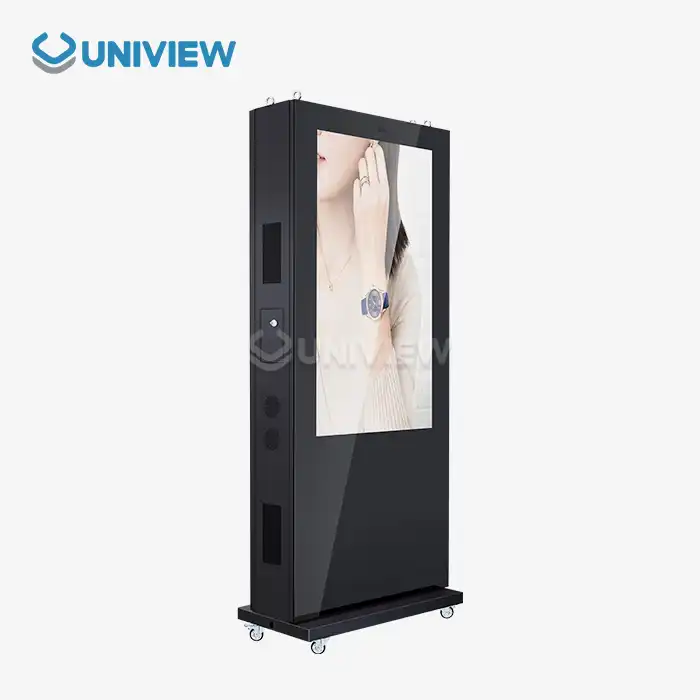
Ultra-thin free standing digital signage revolutionizes how businesses approach visual communication by offering unparalleled design flexibility and space optimization. These cutting-edge display solutions combine sleek aesthetics with powerful functionality, making them ideal for modern commercial environments where every square foot matters. Unlike bulky traditional displays, these streamlined units deliver exceptional visual impact while seamlessly integrating into any architectural design. With their minimal footprint and maximum visual appeal, they represent the perfect balance between form and function for today's demanding business applications.
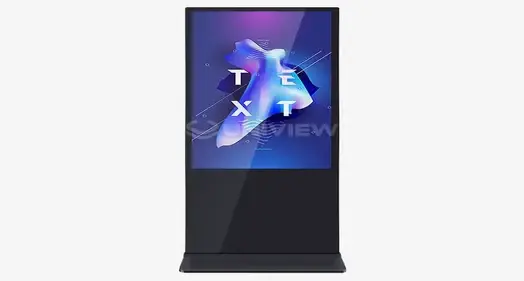
Understanding Ultra-Thin Free-Standing Digital Signage
Ultra-thin digital screens that stand alone are a huge step forward in business visualization technology. They combine advanced engineering with beautiful design principles to make them. The depth profiles of these new ideas are usually between 25 mm and 50 mm, which is much smaller than the actual size of traditional sign systems, which are usually over 100 mm thick.
Advanced Technology Architecture
Edge-lit LED technology or self-emissive OLED screens are used in modern ultra-thin free-standing digital signage to make their incredibly thin profiles possible. Edge-lit LED systems put light sources around the edges of the screen, which gets rid of the bulk that comes with direct-lit LED backlighting panels. This engineering method lets companies make displays that stay very bright while lowering their general thickness by a huge amount.
System-on-Chip (SoC) computers built directly into the display get rid of the need for separate media players, which makes the design even more streamlined. Most of the time, these embedded computers have four cores and run Android, Tizen, or webOS. This means that they can handle content effectively without the need for extra hardware.
Enhanced Visual Performance
With IPS (In-Plane Switching) screen technology, these displays give you professional-grade picture quality. They also have wide viewing angles of 178 degrees across the board. The high-resolution features, which often hit 4K standards, make it possible to reproduce images that are very clear, which is important for digital contact. Energy Star 8.0 approval makes sure that the best power efficiency is used, which takes into account the heat problems that come with ultra-thin frame designs while still meeting high performance standards.
Using anodized aluminum and polycarbonate materials to make the structure light lowers mounting stress while keeping the structure's integrity. This technical method makes it possible to put up screens in places where heavy ones would not work or be useful.
Key Benefits of Ultra-Thin Free-Standing Digital Signs for Businesses
Businesses that use ultra-thin digital displays see huge benefits in a lot of different areas of their operations. These benefits go beyond just making things look better; they also include making operations more efficient, cutting costs, and giving customers more ways to get involved.
Space Optimization and Aesthetic Integration
Because these screens have a very low depth appearance, they can be placed in a lot of different ways. This feature is very useful in retail settings because it lets displays be put in narrow hallways or small areas without getting in the way of customers. The clean design language goes well with modern building styles, making brand settings that work well together instead of ones that are messed up by technology.
The "picture frame" effect that ultra-thin screens create is especially liked in business settings. When installed flush against walls, these units don't look like clear tech installs; instead, they look like moving parts of architecture. This smooth integration keeps things businesslike while giving people strong ways to communicate.
Enhanced Customer Engagement Capabilities
Touch-enabled ultra-thin screens let you connect with them, which gets customers involved and builds brand loyalty. Because they are smaller, these interactive options can be used in places where regular booths would be too much of a bother. Wayfinding, product catalogs, and brand experiences can be used in store areas, hotel lobbies, and business lobbies without affecting traffic flow or the integrity of the design.
The high-quality monitor, which usually has a brightness level between 400 and 700 nits, makes it easy to see in a variety of lighting situations. This feature is very important for window displays and setups that are partly outside, where natural light could make it hard to see a normal display.
Operational Efficiency and Cost Reduction
Businesses that are in charge of multiple show setups need to think carefully about how much energy they use. Because they use better LED backlighting systems and better thermal management, ultra-thin free standing digital signage usually uses 30 to 40 percent less power than standard screens of the same size. This efficiency saves a lot of money over the life of the product and helps the company's efforts to be more environmentally friendly.
Because there are no moving parts and improved cooling designs that keep parts from breaking down, maintenance needs are much lower. The lighter weight and fewer fixing requirements make the installation process easier. This lowers the total cost of ownership even more by cutting down on work costs and shortening the time it takes to set up.
Comparing Ultra-Thin vs. Traditional Free-Standing Digital Signage
Knowing the differences between ultra-slim and regular digital signage options helps you make smart buying choices that fit your business's needs and operating limitations.
Physical and Installation Advantages
Traditional digital screens usually have thicknesses between 80 mm and 150 mm, which makes it hard to place them in places with limited room. Ultra-thin free standing digital signage can have thicknesses as low as 25 mm for LCD units and less than 4 mm for OLED units. This makes installation a lot easier.
Differences in weight are just as important. Ultra-thin screens usually weigh 40–60% less than regular ones, which means that fixing surfaces don't need to be as strong. Because they are lighter, they can be put up on partition walls, portable structures, and other places where regular displays would be too heavy to support.
Performance and Longevity Comparisons
Even though they are thinner, modern ultra-thin screens have better thermal control. Advanced heat absorption technologies, such as special thermal contact materials and designs that make the best use of airflow, keep component temperatures within the best ranges for operation. This temperature control helps parts last longer and keep working the same way over time.
Advanced LED technologies and better component choice have made ultra-slim designs more energy efficient. Usually, these screens meet the requirements for Energy Star 8.0 approval, which means they use less power than older systems. Less power use means lower operating costs and less damage to the earth over the span of the product.
Financial Investment Analysis
Ultra-thin displays may cost more at first than more standard options, but the total cost of ownership figures often favor the new technology. Less energy use, easier installation, and longer maintenance intervals all lead to practical savings that more than make up for the higher costs of purchase.
The better looks of ultra-thin screens can help improve how people think about a brand and get them involved, which could lead to higher sales that make the investment worthwhile. These intangible perks are especially useful in customer-facing roles where the picture of the brand has a direct effect on business results.
How to Choose the Right Ultra-Thin Free-Standing Digital Signage for Your Business Needs
To choose the right digital signage options, you need to carefully look at the technical specs, the supplier's abilities, and the needs for long-term assistance. This way of making decisions should make sure that the features of a product are in line with its intended use and the company's goals.
Technical Specification Evaluation
Screen size choices should take into account watching lengths and content needs that are unique to each installation site. Displays from 32 inches to 98 inches can be used for a wide range of tasks, from small displays in stores to large-scale business communications. The required resolution depends on how complicated the content is and how far away the viewer is. 4K resolution is becoming normal for high-end apps.
Interactive features are very useful in apps that deal with customers. Capacitive touchscreen technology lets you connect with things in a responsive way while keeping the thin appearance that ultra-thin designs need. Multitouch lets you create complex user interfaces and information that you can interact with.
Supplier Assessment and Quality Standards
Checking the credentials of the maker makes sure that you can get reliable goods and full support services. Look for suppliers that have ISO 9001 quality control certifications, a lot of experience with installations, and well-established help networks around the world. Ultra-thin free standing digital signage is a big investment that needs to be backed by reliable supply relationships.
Warranty terms and the ability to get help after the sale are very important for keeping operations running smoothly. Operational risks are kept to a minimum by having full coverage that includes parts, labor, and expert support. When it comes to help, global manufacturers with local service networks are better than regional providers with limited reach.
Environmental and Application-Specific Requirements
In different operational settings, different safety measures and efficiency standards are needed. In indoor settings, visual integration and engaging features may be more important than brightness levels and weather resistance. On the other hand, semi-outdoor settings need features that can withstand the elements.
Specifications for temperature tolerance and humidity resistance make sure that the system will work reliably in a range of weather circumstances. For ultra-slim designs to work reliably, they need to balance managing heat with being thin. This means that environmental requirements are very important.
Installation, Maintenance, and Optimization for Ultra-Thin Digital Signage
For ultra-slim digital screens to be successfully deployed, they need to be carefully planned, installed, and constantly optimized to get the best performance and return on investment.
Strategic Installation Planning
As part of preparing a site, you have to figure out what kind of structures, power equipment, and network connections you will need. While requiring proper structure analysis to ensure safe installation, ultra-thin free standing digital signage's reduced weight simplifies mounting requirements. Professional installation teams should check the wall's building, its ability to hold weight, and its ease of entry for upkeep work.
Cable handling is especially important for ultra-thin installations, where cords that can be seen can ruin the sleek look. To keep systems clean, good planning includes running power, video, and network cables through walls or ducts. During the planning phase, think about how to make service tasks accessible and how much space will be needed in the future.
Routine Maintenance and Performance Optimization
Regular repair plans keep equipment running at its best and extend its useful life. To keep anti-glare films and touch surfaces from getting damaged, cleaning processes should use the right tools and methods. Inspections of mounting hardware, wire connections, and ventilation areas once a month catch operating problems early, before they affect business operations.
Standards for security and efficiency are kept up to date with software changes and content management optimization. Automated update systems cut down on the work that needs to be done for maintenance while making sure that screens work with the latest security changes and software. Features for managing energy and organizing content make operations more efficient while using less power.
Troubleshooting and Technical Support
Connectivity issues, monitor calibration drift, and software clashes are all common technical problems. Setting up ties with skilled technical help providers makes sure that operational issues are fixed quickly. Many problems can be fixed without having to send a service technician to the site, which cuts down on downtime and maintenance costs.
Preventive repair programs find problems before they become a problem for operations. Monitoring temperatures, checking connections, and comparing performance over time can help keep things running at their best and show you which parts need repair or replacement.
Conclusion
Ultra-thin free standing digital signage represents the convergence of advanced display technology with practical business requirements for space optimization and aesthetic integration. These innovative solutions deliver superior visual communication capabilities while addressing the spatial constraints and design requirements of modern commercial environments. The combination of reduced energy consumption, simplified installation processes, and enhanced customer engagement capabilities makes ultra-slim displays an intelligent investment for organizations prioritizing both operational efficiency and visual impact. As businesses continue to embrace digital transformation initiatives, ultra-thin displays provide the technological foundation for sophisticated communication strategies that drive engagement and business results.
FAQ
Q: What are the typical dimensions and weight specifications for ultra-thin displays?
A: Ultra-thin screens are usually between 32 and 98 inches wide, and their thicknesses are between 25 mm and 50 mm for LCD models. One type of OLED can get depths of less than 4 mm. The weight ranges from 15 kg for smaller units to 45 kg for large-format displays, which is 40 to 60 percent less than the weight of standard models.
Q: How do customization options address specific industry requirements?
A: Manufacturers offer a wide range of customization options, such as unique fastening options, environmental protection rates, and software packages designed specifically for the industry. When you buy in bulk, you can often get choices for custom branding, special connectivity interfaces, and changed housing designs to meet the specific needs of retail, business, and public installations.
Q: What warranty coverage and after-sales support can businesses expect?
A: Most of the time, reputable providers offer full warranties that cover parts, labor, and expert support services for 3 to 5 years. With online diagnosis services and on-site repair choices, global support networks make sure that you can get help 24 hours a day, seven days a week. To get the most uptime and efficiency from your operations, many providers offer extended guarantee plans and regular maintenance services.
Transform Your Space with Uniview Commercial's Ultra-Thin Digital Solutions
Uniview Commercial stands as your trusted ultra-thin free-standing digital signage manufacturer, delivering cutting-edge display solutions engineered for exceptional performance and aesthetic excellence. Our advanced manufacturing capabilities produce displays featuring superior heat dissipation technology, ultra-clear AR glass with 2000-4000 nit brightness levels, and IP65/IP66 environmental protection ratings. With comprehensive warranty coverage extending 3-5 years and global 24-hour support services, we ensure your investment delivers lasting value. Our experienced team provides personalized consultation services, flexible customization options for bulk orders, and competitive pricing structures that make premium display technology accessible. Contact sales@univiewlcdisplay.com today to explore how our innovative solutions can transform your business environment and elevate your brand communication strategy.
References
1. Digital Signage Technology Standards and Implementation Guidelines, International Display Technology Association, 2023.
2. Commercial Display Market Analysis: Ultra-Thin Form Factors and Energy Efficiency Trends, Display Industry Research Corporation, 2023.
3. Architectural Integration Standards for Digital Signage in Commercial Environments, American Institute of Architects Digital Media Committee, 2022.
4. Energy Star 8.0 Certification Requirements for Commercial Display Systems, U.S. Environmental Protection Agency, 2023.
5. Global Digital Signage Deployment Best Practices and Performance Metrics, Digital Signage Federation International, 2023.
6. ADA Compliance Guidelines for Wall-Mounted Digital Display Systems in Public Spaces, U.S. Access Board Technical Standards, 2022.
Learn about our latest products and discounts through SMS or email