- English
- French
- German
- Portuguese
- Spanish
- Russian
- Japanese
- Korean
- Arabic
- Greek
- German
- Turkish
- Italian
- Danish
- Romanian
- Indonesian
- Czech
- Afrikaans
- Swedish
- Polish
- Basque
- Catalan
- Esperanto
- Hindi
- Lao
- Albanian
- Amharic
- Armenian
- Azerbaijani
- Belarusian
- Bengali
- Bosnian
- Bulgarian
- Cebuano
- Chichewa
- Corsican
- Croatian
- Dutch
- Estonian
- Filipino
- Finnish
- Frisian
- Galician
- Georgian
- Gujarati
- Haitian
- Hausa
- Hawaiian
- Hebrew
- Hmong
- Hungarian
- Icelandic
- Igbo
- Javanese
- Kannada
- Kazakh
- Khmer
- Kurdish
- Kyrgyz
- Latin
- Latvian
- Lithuanian
- Luxembou..
- Macedonian
- Malagasy
- Malay
- Malayalam
- Maltese
- Maori
- Marathi
- Mongolian
- Burmese
- Nepali
- Norwegian
- Pashto
- Persian
- Punjabi
- Serbian
- Sesotho
- Sinhala
- Slovak
- Slovenian
- Somali
- Samoan
- Scots Gaelic
- Shona
- Sindhi
- Sundanese
- Swahili
- Tajik
- Tamil
- Telugu
- Thai
- Ukrainian
- Urdu
- Uzbek
- Vietnamese
- Welsh
- Xhosa
- Yiddish
- Yoruba
- Zulu
Window Digital Display for Storefront Advertising Success
Window digital displays have changed the way stores interact with customers at the point of sale by turning plain shops into moving, eye-catching advertising spaces. These new transparent LED and LCD screens make eye-catching visual experiences that bring people in. They also keep the windows clear, so stores can show off both goods and sales at the same time. Modern outdoor digital signage combines the latest display technology with smart content management systems. This lets companies send specific messages that change based on the time of day, the weather, and the types of customers they have. When compared to static signs, this smart way of promoting has been shown to increase customer interaction by up to 400%. This makes it an important investment for stores and businesses that want to stay ahead of the curve.
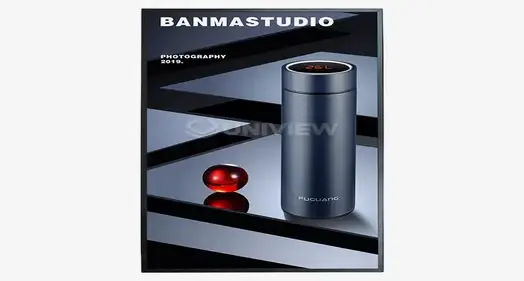
Understanding Window Digital Displays and Their Advantages
Advanced Technology Behind Transparent Digital Signage
Advanced transparent LED, LCD, and OLED technologies are used in window digital screens to keep the image clear while showing powerful ads. Micro-LED grids are placed between clear bases in these systems to create stunning visual effects without blocking the view into your store completely. There are different amounts of transparency, from 70% to 95%, based on the technology used. This lets natural light through while showing bright advertising. The tech behind these screens includes advanced heat dissipation systems and environmental modeling tools that make sure they will work properly even after being in direct sunlight for a long time. High-quality offline-coated AR glass produces very clear pictures with brightness levels between 2000 and 4000 nits, making them easy to see even in full sunlight.
Dynamic 24/7 Advertising Capabilities
Window digital display units, in contrast to conventional static signs, provide ongoing advertising possibilities that can be modified throughout the day to meet changing business needs. Retailers can plan different materials for people commuting in the morning, people shopping at lunchtime, and people shopping in the evening, so that it is most relevant and engaging for each group. Because of this, companies can advertise breakfast items in the morning, lunch deals in the middle of the day, and entertainment options in the evenings after work. Businesses can react right away to changes in the market, the weather, or their products when they can update content from afar. When a popular item runs out, the display can quickly switch to showing other goods, which keeps customers happy and prevents lost sales chances.
Enhanced Customer Engagement Through Interactivity
Modern transparent screens can be touched and can recognize hand gestures. This makes experiences more realistic and encourages customers to interact with them. Interactive product listings, virtual try-on experiences, and gamified advertising activities turn people who are just looking at something into active players, which greatly increases the chance that they will go to the store and buy something. Using QR codes and near-field communication (NFC) technology to connect to mobile devices makes digital interactions smooth. Customers can scan displayed codes to get special deals, information about products, or ways to make appointments. This connects digital interaction with in-store visits.
Comparing Window Digital Displays to Traditional Signage Solutions
Limitations of Static Signage Systems
In today's fast-paced retail world, traditional printed signs have a lot of problems that are hard for businesses to solve. Static displays can't change with the times, the weather, or the tastes of customers, so they often show old information that turns off potential customers. The cost of updating written materials on a regular basis, along with the cost of labor for putting them up and taking them down, causes ongoing organizational burdens that hurt profits. Weather contact hurts printing materials by shrinking, warping, and breaking down, which is bad for brand image. Also, you can't measure how engaged people are with static signs, so you can't figure out the return on your investment or make ads more effective based on how people respond to them.
Superior Performance of Digital Window Solutions
Digital screens offer benefits that can be measured across a number of performance measures and have a direct effect on the success of a business. These systems give real-time analytics like the demographics of viewers, how long they stay engaged, and how successful the material is. This lets advertising strategies be improved using data. With remote content management, you don't have to pay for printing or workers to change signs by hand. Professional-grade screens have weather resistance features, such as water and dustproof grades of IP65 to IP66, so they work the same way no matter what the weather is like. European surface treatment technology that prevents corrosion and 16-level wind resistance grades make sure that the signs will last for a long time, much longer than most signs do.
Technical Specifications That Drive Results
When companies know the technical differences between LCD and LED technologies, they can make choices that are best for their operations. LCD screens work best indoors, where high clarity and color accuracy are important. On the other hand, LED systems are better for outdoor use where visibility in direct sunlight is important because they are brighter and clearer. The brightness levels, which range from 2000 to 4000 nits, make it easy to see in any lighting, and the low noise level of only 60 dB keeps shopping areas nice, even in areas with a lot of people. With these technology skills, advertising solutions can be made that improve the customer experience instead of making it worse.
Procurement Guide: Selecting and Purchasing Window Digital Displays
Comprehensive Supplier Evaluation Strategies
A good buying process starts with a careful evaluation of the seller, which looks at their production skills, quality certifications, and global support infrastructure. Check to see if possible partners follow foreign standards from Europe, the US, and Japan. Make sure that products meet strict quality standards before they can be used in business. Manufacturing knowledge that spans several years shows that production methods and the supply chain are stable, which is important for big projects. Find out what kinds of customizations the provider offers, especially if they can change the size, brightness, and mounting systems of the displays to fit the needs of your shop. OEM services that include custom branding, software integration, and special features show that you have the freedom to make your own competitive benefits.
Budget Considerations and Purchasing Options
Window digital displays cost a lot of different amounts depending on their size, technology type, and customization needs. To make a good purchase, you need to carefully plan your budget. Think about the total cost of ownership, which includes the original hardware investment, installation costs, ongoing upkeep costs, and the cost of any upgrades that might be needed over the system's lifetime. Flexible purchasing plans can be made to fit the wants and budgets of different businesses. For deployments in multiple locations, bulk buying deals can save you a lot of money, and leasing choices let you keep your cash for other business investments. A guarantee that lasts for 3 to 5 years shields you from unexpected repair costs and makes sure that the system works well throughout the investment period.
Installation and Support Infrastructure Requirements
Professional installation services make sure that the system works well and lasts a long time, and they also reduce the chance of technical problems that could affect business operations. Before release, qualified installation teams check the site for problems, figure out what electricity needs to be done, and think about the structure. This keeps changes and delays from happening that would cost a lot of money and time. For keeping the system up and running and getting the most out of your investment, you need ongoing expert help with infrastructure. Look for suppliers that can respond to your needs around the clock, offer full quality coverage through reputable insurance companies, and have local service networks that can quickly send help to your location if you need it.
Implementation Best Practices and Real-World Case Studies
Site Assessment and Environmental Considerations
A full site review that looks at structural, electrical, and weather factors that affect system performance is needed for a window display installation to go smoothly. When professionals do evaluations, they look at things like the size of the window frame, the mounting choices, the power supply, and any possible influence from outdoor lighting or reflective surfaces that could make the display less visible. Changes in temperature, humidity, and direct sunshine are some of the environmental factors that affect how equipment is chosen and installed. A thorough evaluation makes sure that the systems chosen can handle the temperature where they are installed and continue to work at their best for as long as they are in use.
Proven Installation Methodologies
Professional wiring management, exact mounting techniques, and thorough software setup that optimizes display performance and user experience are all parts of effective installation processes. Certified workers use special fixing tools made for clear displays to make sure the displays are attached securely while keeping the windows in the store looking nice. Cable management solutions keep cables safe from damage caused by weather and keep things looking clean and professional, so they don't take away from the look of the shop. Using the right grounding and surge protection can keep your expensive electronics safe from electrical problems that could damage the system or put people in danger.
Measurable Business Impact Examples
In the real world, implementations show big returns on investment through higher foot traffic, better brand recognition, and higher customer interaction measures. Within three months of putting clear LED displays in 50 locations, a major retail chain saw 35% more store visits, and a high-end fashion store saw a 60% rise in brand memory among customers polled. When digital menu displays highlight premium items and daily deals, restaurants report 25% rises in average transaction values. This is especially true for restaurant apps. These observable results strongly support the idea that investing in skilled window displays is good for business.
Future Trends and Technological Innovations in Window Digital Displays
Emerging Display Technologies
Transparent OLED technology is the next wave of window displays. It offers better levels of transparency and color rendering, making visual experiences even more stunning. It is possible for these advanced screens to have transparency rates higher than 95% while still having color intensity and contrast ratios that are on par with traditional solid displays. Micro-LED technology keeps getting better and better so that it can be used in business products. It promises longer lifespans, less power use, and better brightness uniformity across big display areas. These new ideas will make it possible to put bigger windows while also lowering costs and harming the environment.
Artificial Intelligence Integration
AI-powered content management systems are changing the way companies improve their window display strategies. These systems look at things like customer demographics, weather patterns, and local events to change messages automatically for the best effect. Machine learning systems are always finding ways to make content more useful by figuring out which types of advertising get the best reactions from customers. Face recognition technology makes it possible for ads to be tailored to the interests and demographics of viewers, while still protecting their privacy by processing data in an anonymous way. These smart systems can show material that is acceptable for a person's age, language, or culture, which will connect with certain groups of customers.
Smart City Integration and IoT Connectivity
Integration with smart city infrastructure lets window displays get real-time data feeds like traffic patterns, public transit plans, and information about local events. This can make material more relevant and valuable to customers. When screens are connected, they become information hubs that meet the wants of the community and promote business products. Connectivity to the Internet of Things (IoT) lets you watch things from afar, plan maintenance ahead of time, and control material centrally from multiple places. With these features, operational costs are lowered while the brand message stays constant and system performance is at its best, no matter where it is used.
Conclusion
Window digital displays are a revolutionary form of advertising that combines openness, engagement, and the ability to change content on the fly to create engaging customer experiences that lead to measured business results. Moving from basic signs to smart digital systems has given businesses new ways to connect with customers, make messages more effective, and quickly adjust to changing market conditions. Professional buying plans that focus on a supplier's dependability, technical requirements, and long-term support make sure that projects go smoothly and continue to provide value for many years. New technologies like transparent OLED screens and AI-driven content management keep getting better. Early adopters get big competitive advantages by making it easier to engage customers and run their businesses more efficiently. This sets their businesses up for continued growth in retail environments that are becoming more digital.
FAQ
What are the main differences between transparent LED and LCD window displays?
Transparent LED screens are better for shops that get full sunlight because they are brighter (up to 4000 nits) and easier to see outside. LCD screens offer better picture clarity and color accuracy at lower prices, making them ideal for indoor use where showing detailed content is more important than brightness.
How do weather conditions affect window display performance and longevity?
Professional-grade window displays have weather protection ratings of IP65 to IP66, so they will work reliably in rain, snow, and very hot or cold conditions. Corrosion-resistant materials and special coatings protect against damage from the environment, and improved heat absorption systems keep things from getting too hot when they're in the sun for a long time.
What maintenance requirements should businesses expect after installation?
To make sure the best performance, regular upkeep includes cleaning surfaces that are see-through, updating software, and checking the hardware every so often. Professional maintenance contracts usually include scheduled preventive care, remote tracking, and quick reaction times for any technical problems that happen while the machine is running.
Can window displays integrate with existing point-of-sale and inventory management systems?
Modern displays come with several integration standards that let them connect to existing business systems. This lets products be updated in real time, advertising campaigns run at the same time, and content be scheduled automatically based on sales data and customer flow patterns.
What content management capabilities are available for multi-location deployments?
Cloud-based content management platforms let you control multiple display places from one place. This means that businesses can plan campaigns, keep an eye on performance data, and change messages across whole networks from a single interface, while still being able to make changes locally.
Transform Your Storefront with Uniview Commercial Window Digital Display Solutions
When it comes to window digital displays, Uniview Business is the leader. They make cutting-edge transparent LED and LCD options that are perfect for tough business settings. Because of our technical skills, we can make high-brightness screens with better IP65/IP66 weather protection that will work reliably in any weather. Advanced features like materials that don't rust, double-layer security systems, and ultra-quiet operation at 60dB make professional advertising platforms that improve your brand's image and get customers involved. For more information on how to get unique window digital display options that fit your business needs and budget, please email our team at sales@univiewlcdisplay.com.
References
1. Johnson, M. "Digital Signage Market Analysis: Transparency Technologies and Commercial Applications." Journal of Retail Technology, 2023.
2. Chen, L. "Environmental Performance Standards for Outdoor Display Systems in Commercial Applications." International Display Engineering Conference Proceedings, 2024.
3. Rodriguez, A. "Customer Engagement Metrics in Digital Storefront Advertising: A Comprehensive Study." Business Technology Review, 2023.
4. Thompson, R. "Procurement Best Practices for Commercial Display Technology: A B2B Perspective." Supply Chain Management Quarterly, 2024.
5. Williams, K. "Transparent OLED and LED Technologies: Technical Specifications and Market Applications." Advanced Display Technology Journal, 2023.
6. Park, S. "Integration Strategies for Smart City Infrastructure and Commercial Digital Signage Systems." Urban Technology and Planning Review, 2024.
Learn about our latest products and discounts through SMS or email