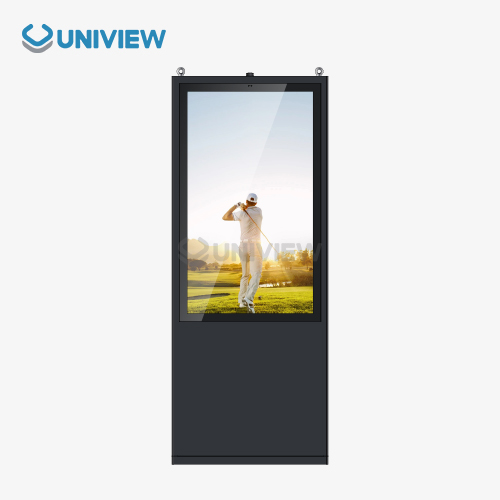
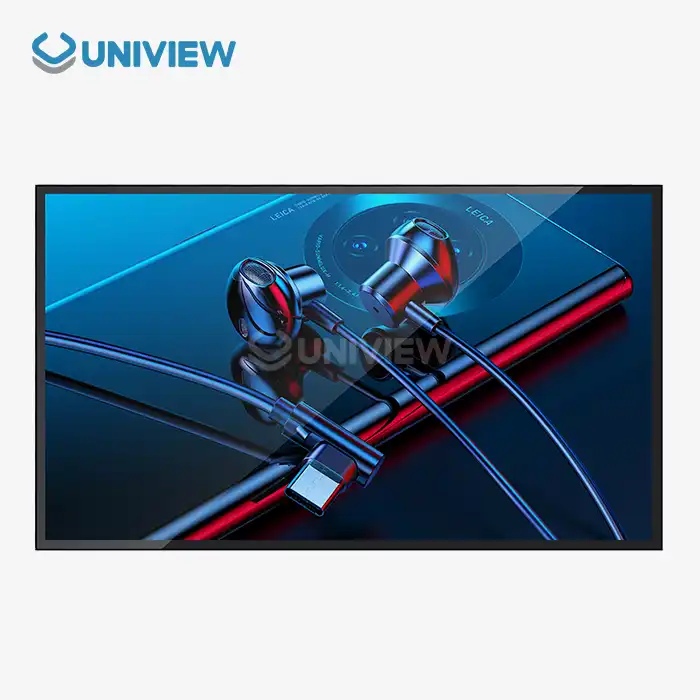
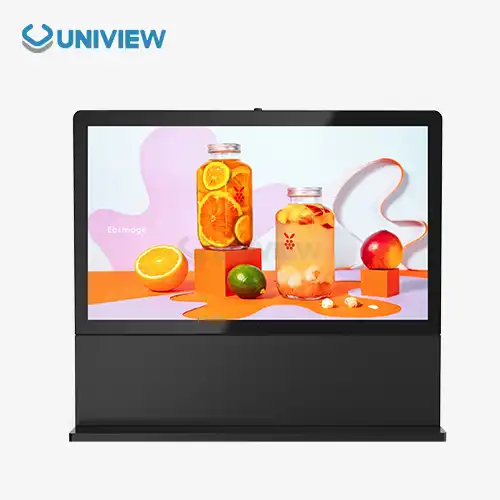
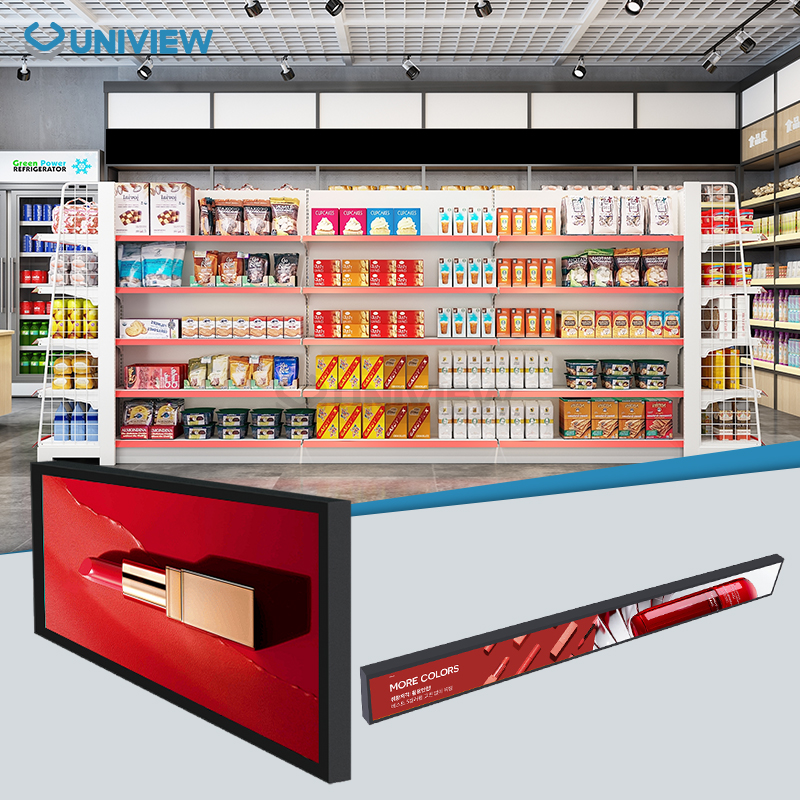
In recent years, there has been a big drop in the quality difference between Chinese and American manufacturers of unattended self service terminals that don't need to be watched. Chinese companies now make unattended self service terminals products with similar build quality and cutting-edge technology that are priced competitively, often 30–50% less than American companies. Chinese unattended self service terminals are cheaper than other options because they are made more efficiently and have established supply chains and economies of scale for unattended self service terminals. This makes unattended self service terminals a good choice for businesses around the world that want reliable automation solutions without sacrificing performance standards or the ability to improve the customer experience.
Importers need to know how to price unattended self-service terminals in different global markets in order to stay competitive in today's market. Recent events around the world have sped up the adoption of contactless technology, which has created an unprecedented demand for self-service solutions. Market analysts say that the number of kiosks used in retail, hospitality, and transportation has grown by 40%. Changes in trade policies, the prices of raw materials, and automation technologies all have a big effect on procurement strategies. Smart buyers know that a full price analysis includes more than just the initial purchase price. It also includes total ownership costs, the ability to customize, and the infrastructure for long-term support.
Price Breakdown for Unattended Self-Service Terminals Around the World
Ranges of factory prices and FOB/CIF prices
According to the most recent market data, prices vary a lot depending on the type of terminal and where it was made. Basic touchless interface models made in China cost between $800 and $1,500 FOB, while similar models made in the US cost between $1,800 and $3,200. From Asian suppliers, mid-range terminals with biometric authentication and voice recognition cost between $1,500 and $4,000. From North American suppliers, they cost between $3,500 and $7,500.
The biggest price differences can be seen in premium installations that include facial recognition, support for multiple languages, and advanced AI assistant features. These high-tech systems cost between $3,000 and $8,000 FOB from Chinese manufacturers, while similar models from American companies cost between $7,000 and $15,000. CIF prices usually add 15–25% to FOB prices, but this can change based on the destination ports and shipping arrangements.
Minimum order quantities and structures for bulk discounts
Chinese suppliers usually have lower MOQ requirements, and they'll take orders for standard configurations as low as 5–10 units. American manufacturers usually need at least 25 to 50 units to start a production process. This is because they have different ways of making things and putting themselves in the market. Bulk discount structures encourage buying more. For example, Chinese suppliers offer 8–15% discounts for orders over 100 units, while American manufacturers offer 5–12% discounts at the same levels.
Customization has a big effect on MOQ requirements. Chinese manufacturers may require minimum orders of 20 to 50 units for personalized service features, specialized enclosures, or unique user interaction protocols. In contrast, American suppliers usually need 50 to 100 units for similar changes.
Extra Cost Factors to Think About
Import duties are very different depending on the country of destination and the type of product. European markets usually charge 6-8% tariffs on electronic kiosks, while North American markets charge 3-12% tariffs, though this depends on the country of origin and the status of the trade agreement. For standard shipping, logistics costs make up 8–15% of the final value. For fast delivery, these costs can double.
When going through customs, there are often hidden costs, such as fees for paperwork, inspection, and local handling. Importers who want to be safe should add an extra 3 to 5 percent to their budgets for unexpected costs and delays. Changes in currency add another level of complexity, especially for procurement cycles that last more than one month.
Important Things That Affect Terminal Prices
How much raw materials cost and how well a product is made
The prices of steel, aluminum, and electronic parts have a direct effect on the cost of making terminals. Chinese manufacturers can get materials at 20–30% lower prices than American manufacturers thanks to economies of scale and integrated supply chains. However, getting high-quality raw materials has become more standardized, and big Chinese companies now use the same part suppliers as big American companies.
Differences in labor costs are still big, but the gap is getting smaller. Over the past ten years, Chinese manufacturing wages have gone up a lot, but automation technologies have cut down on the need for workers in both markets. Chinese suppliers are able to keep their cost advantages because they use advanced manufacturing techniques and efficient production workflows.
The cost of developing and introducing new technologies
Different manufacturers put a lot of different amounts of money into research and development. American businesses often focus on developing their own software and using cutting-edge technologies for user interaction, charging more for new features. Chinese manufacturers are focusing more and more on quickly adopting new technologies and setting up tried-and-true solutions in a way that saves money.
Features like natural language processing, chatbot integration, and advanced error detection systems have development costs that have a big effect on prices. Higher R&D costs are usually spread out over smaller production volumes by American companies. On the other hand, Chinese companies use their larger production volumes to better spread out innovation costs.
Effects of Exchange Rates and Economic Policy
Price changes for international purchases are caused by changes in currencies. The strength of the US dollar against the Chinese yuan can cause prices to change by 10 to 20 percent over the course of a procurement cycle. Trade policies, changes to tariffs, and bilateral agreements all add to the uncertainty, which means that contracts need to be carefully drafted and hedging strategies need to be used.
Industrial policies and government subsidies also have an effect on how competition works for unattended self service terminals. Chinese manufacturers may benefit from investments in infrastructure and export incentives for unattended self service terminals. On the other hand, American manufacturers have to deal with different rules and incentives that affect how much their unattended self service terminals products cost.
Full Analysis of Market Comparisons
Advantages of Making Things in China vs. the USA
Chinese manufacturers are the best at making things quickly, efficiently, and by integrating the supply chain. Their strength is that they can provide reliable queue management systems, transaction processing terminals, and real-time data collection devices at prices that are hard to beat. Established manufacturing ecosystems allow for quick creation of prototypes and flexible scheduling of production.
American manufacturers stress advanced software integration, high-quality construction, and cutting-edge features such as advanced biometric authentication and AI-powered improvements to the customer experience. Their products usually cost more, but they come with better technical support and meet strict regulatory requirements.
Compare Quality Standards and Certification
Both markets now make terminals that meet international quality standards, but they use different methods for certification. More and more Chinese manufacturers are getting CE, FCC, and UL certifications, which shows they are committed to meeting global quality standards. Compliance is usually built into the design process by American manufacturers. This might shorten the time it takes to get certified but raises the cost of development.
Chinese suppliers have gotten a lot better at reliability testing and simulating the environment. Leading manufacturers now make products that meet American standards for durability, weather resistance, and long-term use. Remote monitoring and maintenance that can be planned ahead of time are becoming standard in both markets.
Alternatives for Making Things in the Area
Vietnamese and Indian manufacturers are becoming more popular as alternative places to buy goods because their prices are in the middle of those in China and the US. When compared to American suppliers, these markets offer savings of 15–25%, and lead times are shorter than those of some Chinese producers. But their technical skills and ability to make changes aren't as good as those of well-known Chinese manufacturers right now.
European manufacturers fill a high-end niche by focusing on specialized uses and advanced digital signage integration. Their prices are usually 10–20% higher than American prices, but they have special features and high-quality construction that make them perfect for demanding situations.
Strategies for optimizing prices to get the best deals
Effective Ways to Negotiate with Suppliers
Doing a lot of research on the market and talking to a lot of suppliers of unattended self service terminals are the first steps to successful negotiations. Building relationships with three to five qualified manufacturers of unattended self service terminals lets you bid against each other and avoids relying too much on a single source. Technical specifications for unattended self service terminals should focus on performance requirements instead of rigid design elements. This will give suppliers of unattended self service terminals more freedom to find the best prices.
Payment terms have a big effect on how prices are negotiated. When you pay in advance or set up a letter of credit, suppliers will often give you a 3–8% discount. Costs may go up with longer payment terms, but managing cash flow will be better. Long-term contracts that promise a certain amount of goods can get you big price cuts and make sure you always have a supply.
Ways to customize things that don't cost a lot
Through partnerships with OEMs, customization costs can be cut by a large amount by using existing platform architectures. Instead of making completely new systems, smart buyers find manufacturers whose base products are compatible and only need minor changes. This method cuts down on development time, tooling costs, and the time it takes to get into the market.
Modular design ideas let you add features in small steps without having to completely redesign the whole thing. Suppliers can meet specific needs for user interaction, branding, and integration by using standard processes for changes. This level of adaptability lowers the cost of customization while keeping technical performance high.
Getting rid of supply chain risks
Diversified networks of suppliers keep prices low and protect against disruptions. Having connections with both Chinese and other suppliers gives you options when capacity is limited or there are political tensions in the area. Dual-sourcing strategies may make management more difficult, but they make sure that supplies don't run out.
Local assembly partnerships can help support domestic manufacturing efforts while lowering the costs of shipping and import duties. Chinese companies are making more and more knockdown kits that can be put together locally. This saves money and meets local content requirements in some markets.
Predictions for the market and price trends
Price Predictions for the Short Term
Analysts in the industry think that rising adoption of automation and improvements in manufacturing efficiency will continue to put pressure on prices. It is expected that Chinese suppliers will keep their low prices while also raising quality standards and technical skills. To justify higher prices, American companies will probably focus on high-end features and specific uses.
Price changes may happen temporarily over the next 12 to 18 months because of shortages of parts and problems in the supply chain. The availability of semiconductors has a big effect on advanced terminals that can do a lot of complex processing. These risks can be reduced by planning ahead and buying parts ahead of time.
Effects of Technology Change
The next generation of price differentiation will be driven by the use of artificial intelligence and better touchless interfaces. When manufacturers invest in these technologies, they may be able to charge more at first, but costs usually go down within two to three years as more people use them. Early adopters can gain a competitive edge, but they have to weigh the benefits of new technologies against the higher costs.
Edge computing and integrating 5G connectivity for unattended self service terminals are new cost factors that need to be considered. These technologies allow for better remote monitoring and processing of data in real time for unattended self service terminals, but they require buying more hardware for unattended self service terminals. Manufacturers who can successfully combine these features for unattended self service terminals at prices that are competitive will have big advantages in the market.
Long-Term Changes in the Market
Over the next 5 to 7 years, price structures may change as terminal manufacturers merge, which could lower competition. Larger companies with a wide range of products and support networks around the world will probably be able to charge more in the market. Smaller manufacturers that specialize may focus on niche markets or applications that are unique to their area.
Sustainability requirements and efforts to create a circular economy will have a bigger impact on purchasing decisions. Manufacturers that care about the environment and offer recycling programs for old products may be able to charge more. These things will become more important in the process of choosing a supplier.
Conclusion
The landscape of self-service unattended self service terminals that don't need to be watched shows a market that is always changing. Chinese manufacturers have made amazing improvements to quality for unattended self service terminals while keeping big price advantages. Businesses in the retail, hospitality, and transportation sectors can find great deals for unattended self service terminals when prices between Chinese and American suppliers are 30 to 50 percent lower. To be successful in terminal procurement, you need to look at more than just the initial costs. You also need to look at things like the ability to customize, technical support, and long-term dependability. Smart buyers take advantage of the fact that suppliers are competing with each other while also making sure that quality standards meet operational needs. This market will continue to change because of rising prices, new technologies, and changing customer expectations. Buyers who build strategic relationships with suppliers and keep their procurement methods flexible will benefit.
FAQ
Q: What are the main quality differences between Chinese and American unattended self service terminals?
A: Quality gaps have narrowed significantly, with leading Chinese manufacturers now meeting international standards for durability, weather resistance, and reliability. American terminals often feature premium software integration and cutting-edge AI capabilities, while Chinese products excel in cost-effectiveness and rapid customization. Both markets produce terminals suitable for demanding commercial applications.
Q: How do minimum order quantities affect pricing for small businesses?
A: Chinese suppliers typically offer lower MOQs (5-10 units) compared to American manufacturers (25-50 units), making them more accessible for smaller deployments. However, per-unit costs decrease significantly with larger orders regardless of supplier origin. Small businesses can consider group purchasing or standardized configurations to achieve better pricing.
Q: What hidden costs should importers expect when sourcing terminals globally?
A: Budget an additional 15-25% beyond FOB pricing for shipping, duties, customs clearance, and documentation fees. Currency fluctuations can add 5-10% volatility, while expedited shipping may double logistics costs. Local installation, training, and compliance certification represent additional expenses often overlooked in initial budgets.
Work with Uniview Commercial to get the best self-service terminals.
As a trusted manufacturer of unattended self-service terminals, Uniview Commercial offers high quality products at reasonable prices from our state-of-the-art facility in Shenzhen. Our wide range of products includes simple kiosks and high-tech terminals powered by AI that can recognize faces and provide support in multiple languages. We know how to meet the specific needs of retail, hospitality, and transportation applications because we've worked with companies in over 100 countries for more than ten years.
Our engineering team specializes in making custom automation solutions with screens that are very bright (2000–4000 nits), protection from the elements (IP65/66), and strong security features. Every terminal goes through a lot of tests and comes with our industry-leading 3–5-year warranty and 24-hour global support. We keep our minimum order quantities low, starting at just 10 units, and we offer big discounts for larger orders.
Use cutting-edge self-service technology that is built to be reliable and work well to change the way your customers interact with you. Our experienced team offers full consultations from the first design phase through installation and ongoing support. Find out why some of the biggest brands in the world choose Uniview for their automation and digital signage needs. Send us an email at sales@univiewlcdisplay.com to talk about your specific needs and get a personalized proposal within 24 hours.
References
1. "Global Self-Service Kiosk Market Analysis and Growth Projections 2024-2030" - International Business Research Institute
2. "Comparative Study of Manufacturing Costs in Digital Terminal Production" - Asian Manufacturing Economics Journal, Vol. 45, No. 3
3. "Trade Policy Impact on Electronic Equipment Sourcing Strategies" - Global Supply Chain Management Quarterly, Spring 2024
4. "Quality Standards Evolution in Chinese Electronics Manufacturing" - International Quality Assurance Review, Issue 127
5. "Automation Technology Adoption Trends in Retail and Hospitality Sectors" - Digital Transformation Research Center Annual Report
6. "Cost-Benefit Analysis of Self-Service Terminal Deployment Across Industries" - Business Technology Implementation Studies, Volume 18