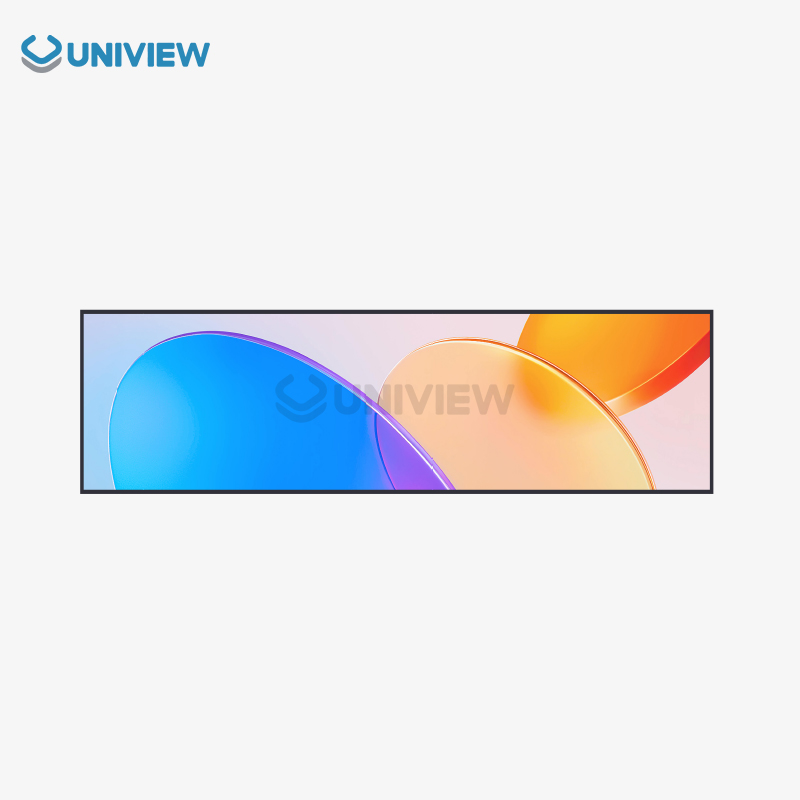
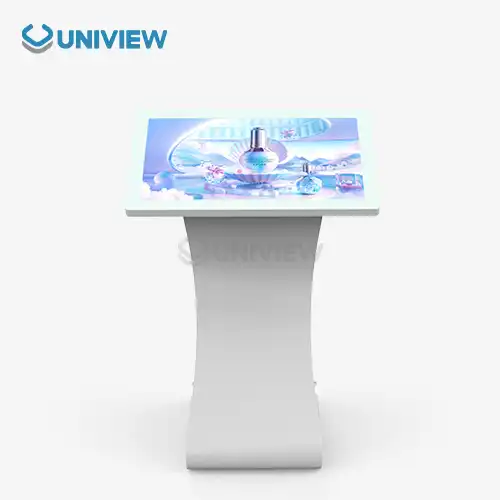
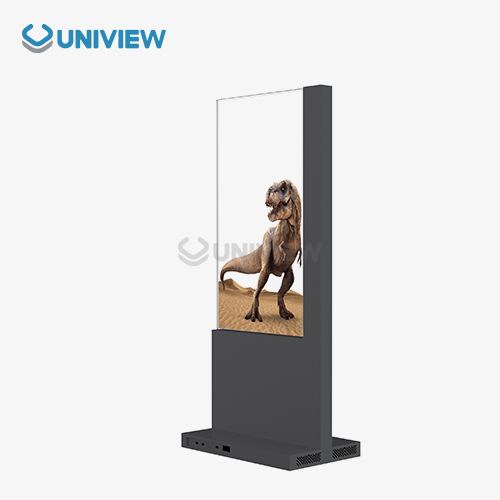
Comparing prices for Digital Signage Kiosk Stands from Chinese Hubs shows that global B2B buyers can save a lot of money. Prices for basic to high-end digital signage kiosk stand units from Chinese manufacturers are competitive and range from $800 to $4,500. These prices are FOB, and they change depending on the size of the screen, whether a touchscreen is built in, and whether the product is weatherproof. Through thorough testing and certification processes, Chinese suppliers are able to offer great value while still meeting international quality standards thanks to their efficient manufacturing, advanced supply chains, and cutting edge technology.
Understanding How the Global Digital Signage Kiosk Market Works?
The global market for digital signs is still growing at a speed that has never been seen before. Interactive kiosks are a big reason for this, and they are in high demand in retail, hospitality, and transportation. Touchscreen displays are becoming more and more important to modern businesses for keeping customers interested and running smoothly.
Market Growth Drivers and Trends in the Industry
The amount spent on digital advertising rose by 15.7% yearly, which made self-service kiosks a huge opportunity. Information kiosks are used in stores to improve the customer experience and lower the costs of running the business. Transportation hubs use wayfinding kiosks to keep the flow of people moving smoothly.
China's manufacturing skills have improved a lot, making the country a top provider of digital signage solutions for businesses. Cutting-edge technology is used in advanced production facilities to make high-quality kiosk enclosure systems that meet international standards.
A Look at the Regional Market
Asia-Pacific is the biggest market for freestanding kiosks, with 45% of the world's demand. North American businesses are buying more and more digital menu boards from Chinese suppliers because they offer better deals. For smart city projects, European markets are open to multimedia kiosk technology.
Full Analysis of Prices Broken Down
If you know how prices are set, you can make smart buying decisions when you buy advertising display stand systems from Chinese manufacturers. Final costs are affected by many things, so it's important to carefully look at all the pricing factors.
Price Ranges for Factory Direct Items (FOB Terms)
Indoor digital signage kiosk stand models with 32- to 43-inch screens and basic features start at $800 to $1,500. Interactive display digital signage kiosk stand units in the middle price range, at $1,500 to $2,800, come with touchscreens and more ways to connect. Premium outdoor digital signage kiosk stand signs cost between $2,800 and $4,500 and have displays that are very bright and are protected by IP65 or IP66.
Prices go up for specialized configurations. Biometric sensors cost between $3,200 and $5,800 for custom retail kiosk solutions. Heavy-duty transportation kiosks that can't be broken into cost between $4,000 and $7,200. These prices are for standard configurations, before any customization is needed.
Minimum order quantities and discounts for large orders
The MOQ for standard models set by most Chinese suppliers is between 10 and 50 units. When you buy a lot, you save a lot of money. Orders of 50 to 100 units usually get 8 to 12% off, and orders of 100 to 500 units get 15 to 20% off. Large-scale deployments of more than 500 units work out their own pricing structures.
Sample orders usually cost 30–50% more than regular prices because each one has its own production costs. Sample fees, on the other hand, are often applied to future bulk orders, which lowers the overall cost of procurement.
Extra Cost Factors to Think About
Shipping costs vary a lot depending on where the package is going and how it is being sent. For Asian routes, sea freight usually costs between $45 and $85 per cubic meter. For European routes, it costs between $65 and $120. Air freight costs between $3.5 and $6.8 per kilogram.
Import duties depend on the rules of the country where the goods are going. Tariffs on digital signage hardware range from 0.7 to 7.5% in the US and from 2.2 to 4.9% in the EU. Usually, extra fees for clearing customs add $150 to $400 to each shipment.
Important things that affect how prices are set?
The final price of digital signage solutions is affected by a number of factors. This creates a dynamic market that needs careful planning when purchasing.
Costs of Raw Materials and Parts
Display panel prices change based on how much supply there is around the world. During recent supply shortages, the prices of high-end LCD panels went up by 8 to 12 percent. The price of touch sensor technology depends on whether it will be capacitive or resistive.
The prices of steel and aluminum have a direct effect on how much it costs to make a kiosk enclosure. Recent price increases in commodities have made production costs go up by 6 to 9 percent. But strategic sourcing partnerships help make Chinese supply chains more efficient, which lessens these effects.
Labor and Productivity in Manufacturing
China's manufacturing industry benefits from having a skilled workforce and high-tech automation systems. The cost of labor stays low, and quality standards keep going up thanks to new technologies and training programs.
Using lean manufacturing principles, modern factories are able to be much more productive. When compared to old ways of making things, automated assembly lines cut production time by 35–45%, which lets prices stay competitive.
Changes in currency and economic factors
Changes in the RMB-USD exchange rate affect the stability of prices. Cost advantages of 3-7% were seen for international buyers during recent times of favorable exchange rates. Long-term contracts often include ways to hedge against changes in the value of a currency.
Extra benefits come from government policies that encourage the export of technology. Manufacturers can offer competitive prices on the international market while still making a good profit thanks to tax breaks and export rebates.
Analysis of Regional Price Differences
Comparative analysis shows that prices vary a lot between manufacturing regions around the world. This shows how competitive Chinese suppliers are in the global market.
China vs. Other Southeast Asian Options
Because their supply chains aren't as well developed, Vietnamese manufacturers usually charge 15–25% more for their goods than Chinese manufacturers. Thai suppliers focus on high-end markets and charge 20–30% more than Chinese suppliers. Malaysian production costs are still 18–28% higher than those in other countries because of their smaller size.
Vertical integration and established supplier networks for digital signage kiosk stands help Chinese manufacturers keep their advantages. Efficiently sourcing components for digital signage kiosk stands lowers production costs while maintaining high quality standards.
Compared to manufacturing in the West
Similar goods from European manufacturers cost 80–150% more than those from Chinese suppliers. The cost of making things in North America is 70–120% higher than in China. These differences are caused by things like higher labor costs, smaller production volumes, and supply chains that don't work as well.
But Chinese suppliers are getting better at meeting Western quality standards while still being cheaper. Products meet the needs of the global market thanks to international certifications and thorough testing.
Tips for Getting the Best Deals on Supplies
When buying interactive advertising solutions from Chinese manufacturers, smart buyers use tried-and-true methods to get the best deals.
Effective Ways to Negotiate with Suppliers
When you build long-term relationships, you get better prices and terms of service. Suppliers give better prices to customers they know they can trust and who consistently place large orders. Costs can be cut by negotiating payment terms; early payment discounts usually range from 2% to 4%.
Specification optimization makes features and costs equal. One-of-a-kind designs are more expensive than standard configurations. Economies of scale happen when you buy a lot of the same parts for a lot of different models.
Keeping track of customization costs
OEM services let brands stand out without spending a lot of money. Standard changes to enclosures usually raise prices by 15 to 25 percent. Customizing software costs between $2,000 and $8,000, depending on how complicated the changes need to be.
Modular design methods lower the cost of customization. By choosing products with a variety of configuration options, engineering costs can be kept low while still meeting requirements.
Tests and Quality Assurance
It costs $300 to $800 per batch to have a third party inspect it, but it keeps expensive quality problems from happening. Factory audits make sure that the building can be made and that the quality system is being followed. Tests done before shipping lower the chance of failure in the field and warranty claims.
Market Price Predictions and Trends for the Future
According to an analysis of the industry, Chinese suppliers will continue to offer competitive prices even as market conditions change and technology needs to improve.
Effects of Using Technology Together
Adding artificial intelligence raises unit costs by $200 to $600 but makes it possible to do more complex things. The price of 5G connectivity modules goes up by $150 to $300, but they offer better performance. As these features become standard, the premium price goes down over time.
Automation in manufacturing digital signage kiosk stands cuts down on labor costs and raises quality standards at the same time. Prices can go down by 5 to 8 percent a year for digital signage kiosk stands thanks to improvements in efficiency made possible by new production methods.
Changes in the Supply Chain
Getting parts locally makes you less reliant on global supply chains. China's manufacturers put a lot of money into making parts in China. This keeps prices stable and supplies safe.
Green manufacturing projects may raise costs by 3–5% at first, but they will give companies a long-term competitive edge. Following environmental rules becomes necessary to get into global markets.
Conclusion
Chinese manufacturers offer compelling value propositions for global digital signage kiosk stand procurement requirements. Competitive pricing for digital signage kiosk stands ranges from $800-$4,500 and reflects manufacturing efficiency, technological capability, and established supply chains. Understanding pricing factors, negotiation strategies, and market trends for digital signage kiosk stands enables informed purchasing decisions that maximize return on investment while ensuring quality standards.
Success depends on partnering with experienced suppliers who demonstrate consistent quality, reliable delivery, and comprehensive support capabilities. The evolving market presents opportunities for cost-effective solutions meeting diverse application requirements across retail, hospitality, transportation, and corporate environments.
FAQ
Q: What is the typical lead time for digital signage kiosk orders from Chinese suppliers?
A: Standard models require 15-25 days production time, while customized solutions need 25-35 days. Sample orders typically ship within 7-10 days. Shipping adds 15-30 days depending on destination and method selected.
Q: How do warranty terms compare between Chinese and Western suppliers?
A: Leading Chinese manufacturers offer 3-5 year warranties matching international standards. Comprehensive coverage includes hardware replacement, technical support, and software updates. Global service networks ensure responsive warranty support.
Q: What certifications should buyers verify when sourcing from Chinese manufacturers?
A: Essential certifications include CE marking for European markets, FCC approval for North America, and ISO 9001 quality management certification. IP65/IP66 ratings verify weather resistance for outdoor applications.
Work with Uniview Commercial to find the best ways to use digital signs.
You can trust the company that makes digital signage kiosk stands, Uniview. They offer great value because they use cutting-edge technology and let you make any changes you want. The screens on our new products are between 2000 and 4000 nits bright, they are waterproof up to IP65/IP66, and they are built to last and meet international quality standards.
We know that your business needs partners you can depend on to give you quality work and quick help. Our presence in more than 100 countries around the world lets us offer local service at prices that are hard to beat. It's better to have warranties that last longer, like 3 to 5 years. They come with full insurance coverage and support that you can get online at any time.
You'll notice a difference when you work with people who are experts in your field and care about your success. Send us an email at sales@univiewlcdisplay.com to tell us about your needs and learn how our custom solutions can help your company.
References
1. Digital Signage Market Research Report 2023-2028, Global Industry Analysis and Growth Projections
2. Interactive Kiosk Technology Trends and Market Dynamics, Technology Research Institute
3. Asia-Pacific Digital Display Manufacturing Industry Analysis, Manufacturing Excellence Report
4. Global Trade Statistics for Electronic Display Equipment, International Trade Commission
5. Supply Chain Management in Digital Signage Manufacturing, Industrial Engineering Journal
6. Quality Standards and Certification Requirements for Commercial Display Systems, Technical Standards Authority