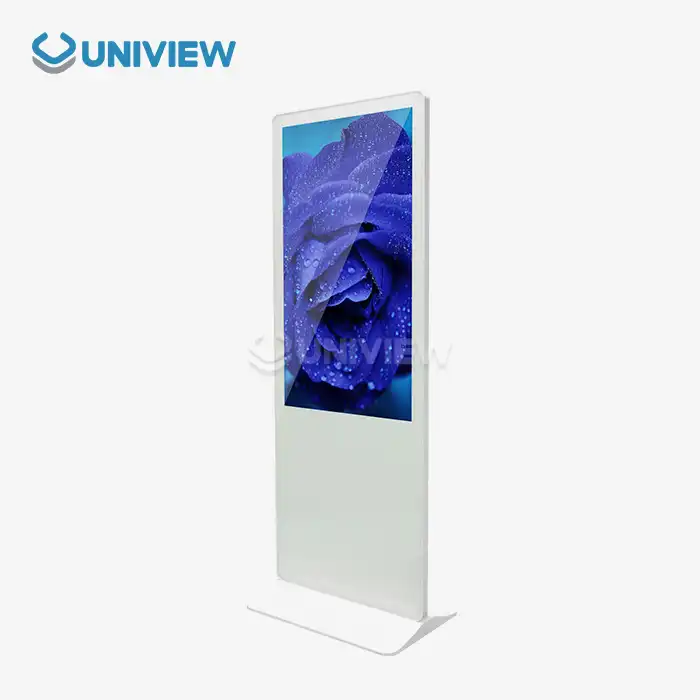
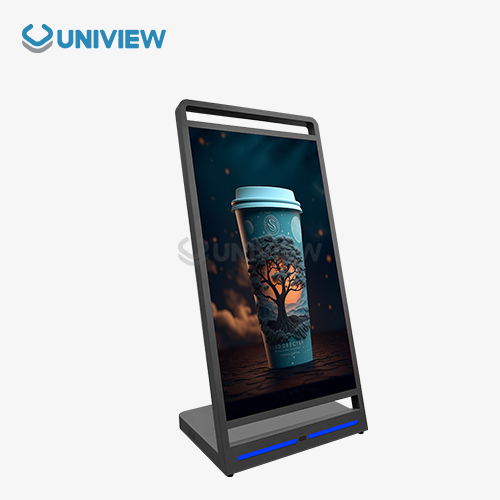
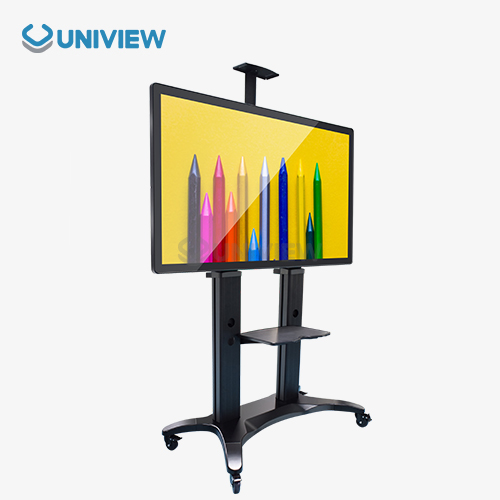
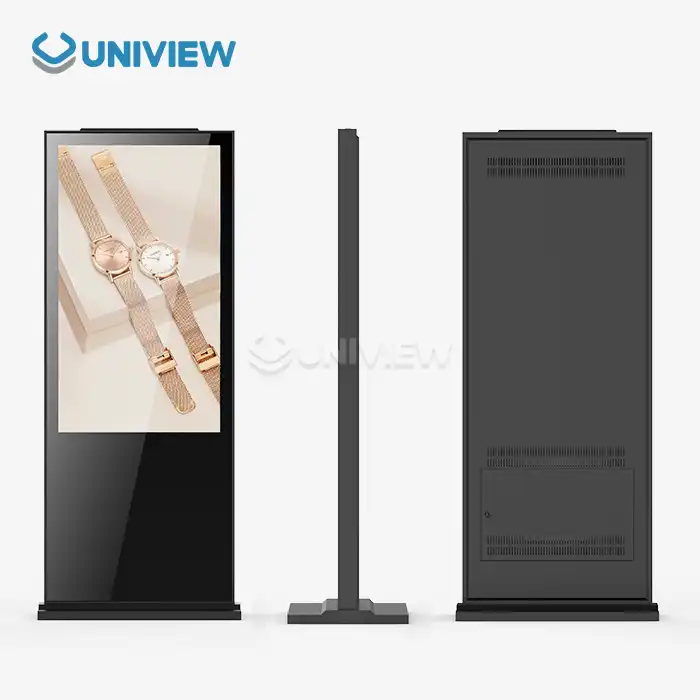
In stores, interactive kiosks have completely changed how employees talk to customers and how the stores are run. Touchscreens and high-tech software work together in these self-service terminals to make things easy for customers. Stores all over the world now use these digital tools to cut down on wait times, make customers happier, and get more done by staff. These days' interactive kiosks can do many things, from showing details about products to taking care of whole transactions. Because of this, they are necessary for modern retail to work.
Ways to Make Self-Service Checkout Work
Self-handling A big part of how interactive kiosks have changed stores is the way people check out. People don't need help from a cashier to scan, bag, and pay for their purchases. This cuts down on wait times a lot when stores are busy. Big stores say that checkout times have cut by up to 40% since these changes were made.
As part of the implementation process, touchscreen terminals with barcode scanners, weight sensors, and the ability to take payments will be set up. People who want to buy something only need to scan the barcodes on the items, put them in the right bags, and pay with a built-in card reader or a mobile payment system. Long lines at the register are a big problem. This technology fixes the problem and saves stores money on labor costs at the same time.
Self-checkout kiosks are very helpful for grocery stores and convenience stores when they are busy. One worker can oversee several check-out stations at the same time thanks to the technology. This makes the best use of staff and keeps customer service high. These days' systems have features that stop theft and help customers right away when they're having issues.
Tools for finding goods and information
Information kiosks are like digital concierges; they tell customers everything they need to know about a product, help them find their way around the store, and let them know what's new in stock. These kiosks make it easier for salespeople to answer simple questions and make it easier for customers to find things they need in big stores.
As part of the implementation, touch screens that are linked to real-time inventory management systems will be placed in key spots around the store. People can search for products, read full descriptions of them, compare prices, and get exact directions to the places where the products are kept. Shoppers can find their way around stores that are hard to understand with the help of interactive maps that work like GPS.
Stores that sell electronics and clothes can benefit a lot from these systems because they can give detailed technical specs and compare products. Customers don't have to ask for help right away to read reviews, learn about warranties, and see information about compatibility. This way of self-service makes shopping more fun and gives salespeople more time to focus on more complicated customer needs.
Managing lines and making appointments
Digital queue management through interactive terminals changes the way people move through service-oriented stores. Customers can sign up for services, choose their preferred time slots, and get real-time information about wait times and service availability.
Backend scheduling systems are connected to touchscreen interfaces in this technology. This lets customers make appointments for things like technical support, personal shopping consultations, or product demonstrations. Customers get digital tickets that tell them when their service will be ready, so they can keep shopping while they wait.
A lot of places that sell things like cell phones, cars, and beauty products use these systems to keep track of customers. People think they don't have to wait as long because the technology makes service progress clear and lets businesses schedule staff more efficiently based on real-time demand patterns.
Catalogs that you can interact with and online shopping
Touchscreen interactive kiosk change the way people look for things by using immersive digital catalogs that show off whole inventories that can't be shown on a physical display. With high-resolution pictures, videos, and 360-degree views of products on interactive kiosk, these interactive displays offer a wide range of multimedia experiences.
Large-format interactive displays that are linked to extensive product databases are used for implementation. Customers can look through large collections, sort products by specifications, see items in different colors or shapes, and get detailed information on how to buy. Augmented reality features in more advanced systems let you try out products virtually.
These systems are used by clothing and furniture stores to show off whole collections without taking up a lot of floor space. Customers can see how products look in different settings, get styling tips, and order items that aren't in stock yet. This technology makes it possible to shop both online and in stores.
Managing a loyalty program and signing up new customers
Self-service kiosks make it easier for customers to join and manage loyalty programs. Customers can sign up, update their profiles, and redeem rewards without help from staff. These systems work with platforms for managing customer relationships to make shopping more personalized.
During the implementation process, interactive terminals are linked to customer databases. This lets users access and change their accounts in real time. Customers can sign up for loyalty programs, change their contact information, see how many points they have left, and use special offers. Advanced systems make personalized product suggestions based on what you've bought in the past.
These systems are used by retail chains and specialty stores to get more people to join their loyalty programs while lowering the costs of running the programs. The technology gets useful information about customers for marketing purposes and gives them immediate value through personalized offers and redeeming rewards.
Company that handles payments and pays bills
Interactive payment kiosks let stores do more than just sell goods. They can also be used to pay bills, buy gift cards, and provide financial services through interactive kiosk. Once these interactive kiosk terminals are installed, stores can be turned into full-service centers. This brings in more customers and brings in extra money with interactive kiosk.
To go live, you need secure payment processing systems that accept a variety of payment methods, such as cash, cards, and mobile payments. Through easy-to-use touchscreens, customers can pay different bills, buy prepaid services, and get to financial products. Strong security protocols make sure that transactions are safe and that financial rules are followed.
These services are especially helpful for grocery stores and pharmacies because they bring in more customers and make them spend more money. The technology helps the community and makes money for the company through partnerships in payment processing.
Customer Feedback and Survey Collection
Digital feedback kiosks capture customer opinions and satisfaction metrics in real-time, providing valuable insights for business improvement. These systems offer convenient feedback submission methods while demonstrating commitment to customer service excellence.
The technology deploys user-friendly interfaces for survey completion, rating submissions, and detailed feedback provision. Integration with analytics platforms enables immediate response to customer concerns and identification of service improvement opportunities. Incentive programs encourage participation through discount offers or loyalty points.
Restaurants, hotels, and service retailers use these systems to maintain service quality standards and respond quickly to customer concerns. Real-time feedback collection enables immediate issue resolution and demonstrates responsiveness to customer needs.
Conclusion
Interactive kiosks are a big part of today's successful stores because they can make things run more smoothly and improve the customer experience in many ways. These technologies, such as self-service checkouts and screens that show a lot of information about products, make shopping easier and give clear returns on investment. To be successful, you need to work with reliable technology partners who know how to do business in stores and will be there for you throughout the product's lifecycle. More and more stores are integrating technology into their stores. To keep customers having fun and easy experiences that help businesses grow and stay ahead of the competition, interactive kiosks will remain important.
FAQ
Q: What maintenance requirements do interactive kiosks have in retail environments?
A: Interactive kiosks require regular software updates, screen cleaning, and hardware inspections. Most systems need monthly software maintenance and weekly physical cleaning. Professional servicing every six months ensures optimal performance and longevity.
Q: How do interactive kiosks integrate with existing retail management systems?
A: Modern kiosks connect through APIs and standard protocols to inventory management, payment processing, and customer relationship systems. Integration typically takes 2-4 weeks depending on system complexity and customization requirements.
Q: What security measures protect customer data in interactive kiosks?
A: Enterprise-grade kiosks include encryption, secure payment processing, regular security updates, and compliance with data protection regulations. Physical security features prevent tampering and unauthorized access to sensitive systems.
Partner with Uniview Commercial for Premium Interactive Kiosk Solutions
Selecting the right interactive kiosk manufacturer determines the success of your retail technology investment. Uniview Commercial stands as a global leader in developing cutting-edge digital signage and interactive display solutions that transform retail environments worldwide. Our interactive kiosk systems combine superior hardware engineering with intuitive software interfaces, delivering exceptional customer experiences that drive business growth.
Our manufacturing expertise spans over a decade, during which we've perfected the art of creating durable, high-performance interactive terminals. Each system features high-brightness displays ranging from 2000 to 4000 nits, ensuring optimal visibility in any retail environment. Our products maintain IP65 to IP66 ratings for dust and water resistance, while advanced thermal management systems guarantee reliable operation even in demanding conditions.
Customization capabilities set Uniview apart from standard suppliers. We understand that every retail environment presents unique challenges and opportunities. Our engineering team collaborates closely with clients to develop tailored solutions that align perfectly with specific operational requirements and brand aesthetics. From custom enclosures to specialized software interfaces, we deliver exactly what your business needs.
Global support infrastructure ensures your investment remains protected long after installation. Our comprehensive warranty coverage extends 3 to 5 years, backed by 24-hour online technical support and local service networks across more than 100 countries. This commitment to customer success has earned us partnerships with leading retailers, system integrators, and technology consultants worldwide.
Ready to revolutionize your retail operations with state-of-the-art interactive kiosk technology? Our team of specialists stands ready to discuss your specific requirements and develop customized solutions that exceed your expectations. Contact us at sales@univiewlcdisplay.com to begin your journey toward enhanced customer engagement and operational efficiency.
References
1. Johnson, M. (2023). "Digital Transformation in Retail: The Role of Self-Service Technology." Journal of Retail Innovation, 15(3), 45-62.
2. Smith, A., & Chen, L. (2023). "Interactive Kiosk Implementation Strategies for Modern Retail Environments." International Review of Retail Technology, 8(2), 123-140.
3. Williams, R. (2022). "Customer Experience Enhancement Through Digital Kiosk Solutions." Retail Technology Quarterly, 29(4), 78-95.
4. Davis, K., et al. (2023). "Queue Management Systems and Customer Satisfaction in Retail Settings." Service Technology Research, 12(1), 34-51.
5. Thompson, P. (2022). "Self-Service Technology Adoption Patterns in Global Retail Markets." Business Technology Review, 18(7), 112-128.
6. Martinez, C. (2023). "ROI Analysis of Interactive Kiosk Investments in Retail Operations." Retail Management Studies, 21(5), 203-220.