- English
- French
- German
- Portuguese
- Spanish
- Russian
- Japanese
- Korean
- Arabic
- Greek
- German
- Turkish
- Italian
- Danish
- Romanian
- Indonesian
- Czech
- Afrikaans
- Swedish
- Polish
- Basque
- Catalan
- Esperanto
- Hindi
- Lao
- Albanian
- Amharic
- Armenian
- Azerbaijani
- Belarusian
- Bengali
- Bosnian
- Bulgarian
- Cebuano
- Chichewa
- Corsican
- Croatian
- Dutch
- Estonian
- Filipino
- Finnish
- Frisian
- Galician
- Georgian
- Gujarati
- Haitian
- Hausa
- Hawaiian
- Hebrew
- Hmong
- Hungarian
- Icelandic
- Igbo
- Javanese
- Kannada
- Kazakh
- Khmer
- Kurdish
- Kyrgyz
- Latin
- Latvian
- Lithuanian
- Luxembou..
- Macedonian
- Malagasy
- Malay
- Malayalam
- Maltese
- Maori
- Marathi
- Mongolian
- Burmese
- Nepali
- Norwegian
- Pashto
- Persian
- Punjabi
- Serbian
- Sesotho
- Sinhala
- Slovak
- Slovenian
- Somali
- Samoan
- Scots Gaelic
- Shona
- Sindhi
- Sundanese
- Swahili
- Tajik
- Tamil
- Telugu
- Thai
- Ukrainian
- Urdu
- Uzbek
- Vietnamese
- Welsh
- Xhosa
- Yiddish
- Yoruba
- Zulu
Custom Interactive Touch Kiosk Manufacturer for OEM Projects
Businesses need to find a Custom Interactive Touch Kiosk Manufacturer for OEM Projects that can provide both cutting-edge technology and the ability to make changes as needed. Interactive touch kiosks have changed the way businesses interact with people in retail, healthcare, hospitality, and business settings. Companies are realizing that self-service technology can help them be more efficient, keep customers happy, and cut down on hiring costs and wait times. This is driving the demand for customized kiosk systems.
Understanding Interactive Touch Kiosk Technology and Customization Requirements
Advanced self-service options like interactive touch terminals let users get information, finish transactions, and interact with digital content through simple touch screens. These specialized gadgets use either capacitive or infrared touch technologies, and each has its own benefits based on the situation and how the user interacts with the gadget. Capacitive screens are very quick and can handle multiple touches, which makes them perfect for indoor uses where accuracy is important.
Modern touchscreen kiosks work with existing business systems because they use advanced software architectures that work with customer relationship management (CRM) and corporate resource planning (ERP) systems. This integration feature lets you sync data in real time, set up automated reports, and do full analytics that help you make smart business choices. Companies can make branded user interfaces that match their brand identity through custom software development. These interfaces can also offer specific functionality that meets operational needs.
Key Technologies Driving Interactive Kiosk Performance
Modern kiosks use cutting-edge display technologies, such as IPS (In-Plane Switching) screens, which provide excellent color accuracy and viewing angles. It is common for these screens to have anti-reflective coatings and high brightness levels so that they can be seen in low light. Professional-level touch sensitivity and 10-point multi-touch support allow for complicated user interactions and gesture-based navigation.
Advanced thermal management systems make sure that machines work reliably in tough places where they are used all the time and a lot of heat is produced. Using the right cooling systems keeps performance from dropping and extends the life of parts, which lowers the total cost of ownership over the lifecycle of the product. Security features, such as locking mechanisms that can't be opened or tampered with, keep expensive gear safe while keeping it working properly.
Selecting the Right Custom Touch Kiosk Manufacturer for Your Project
Choosing the right manufacturer requires a thorough analysis of a number of factors that affect the success of the project and the manufacturer's long-term operating performance. Environmental factors are very important when choosing hardware, especially for installations in places with a lot of foot traffic or difficult conditions. When it comes to specs, indoor uses are usually different from outdoor uses, which have to be able to handle weather and changes in temperature.
To provide complete answers, manufacturing skills should include both the ability to customize hardware and the ability to create software. Companies that have been around for a while have research and development teams that keep up with new technologies and business trends. This knowledge leads to new features and designs that will work in the future, so businesses can change their needs without having to update the whole system.
Evaluation Criteria for Manufacturer Selection
Quality certifications tell you a lot about the standards of production and how consistent the process is. Following European, American, and Japanese standards shows a dedication to quality and meeting the needs of the world market. These certifications are often linked to more reliable products that break down less often during long periods of use.
For large-scale deployments where uniform quality and on-time delivery affect project timelines, production scalability is very important. Companies that have already set up their supply lines and quality control systems can handle large orders more easily while still meeting product standards. Businesses can be very specific about what they need without giving up important features or settling for generic solutions that might not fully meet their operational needs when customization choices are flexible.
Core Components and Technical Specifications of Custom Kiosks
The hardware in interactive touch kiosks is made up of carefully chosen parts that work together to provide reliable performance and easy-to-understand user encounters. Display technology is what lets users connect with computers, and LCD panels have been shown to be reliable and cost-effective for most uses. Screen sizes usually range from small (15-inch displays) for places with limited space to big (32-inch or bigger) screens that can handle complicated interfaces and many users at once.
Which touch screen technology to use depends on the situation and how it will be used. Capacitive touch sensors work best in controlled, clean spaces where people can use clean hands and need to give exact input. INFRARED touch technology works better in situations where people might be wearing gloves or where the screen might get wet or dirty, which could mess up capacitive sensors.
Advanced Hardware Features and Integration Options
The latest kiosk designs include advanced peripheral connectivity features that make them more useful than just touch-based interactions. Barcode scanners, receipt printers, payment processing units, and NFC readers can all be built into custom enclosures without any problems. These peripherals make it possible to process transactions and capture data in a way that supports self-service apps that do a lot.
Physical access controls and data encryption are just a few of the many layers of security that are built into security gear. Double-layer anti-theft locks keep valuable parts safe while still letting approved maintenance staff get to them. Industry standards for financial transactions are met by secure payment processing tools. This protects customer data and makes sure that regulations are followed.
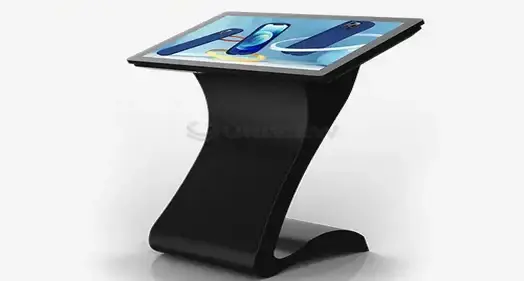
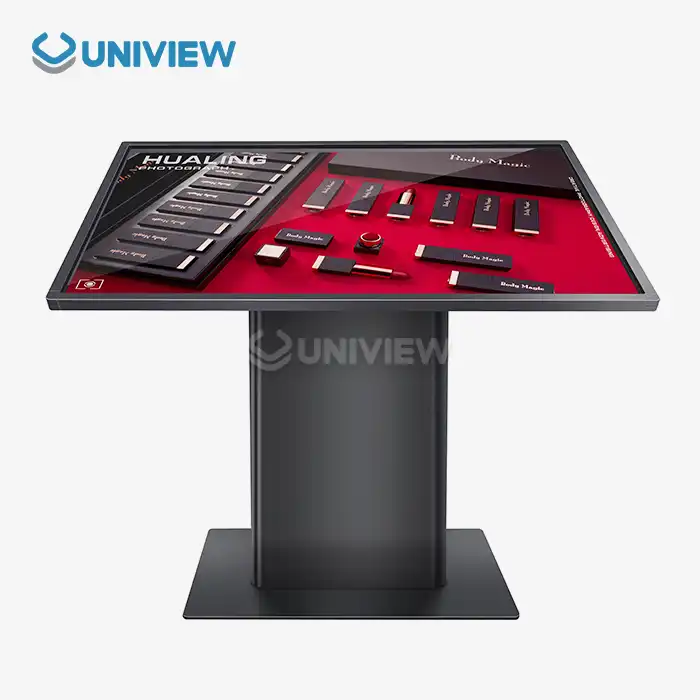
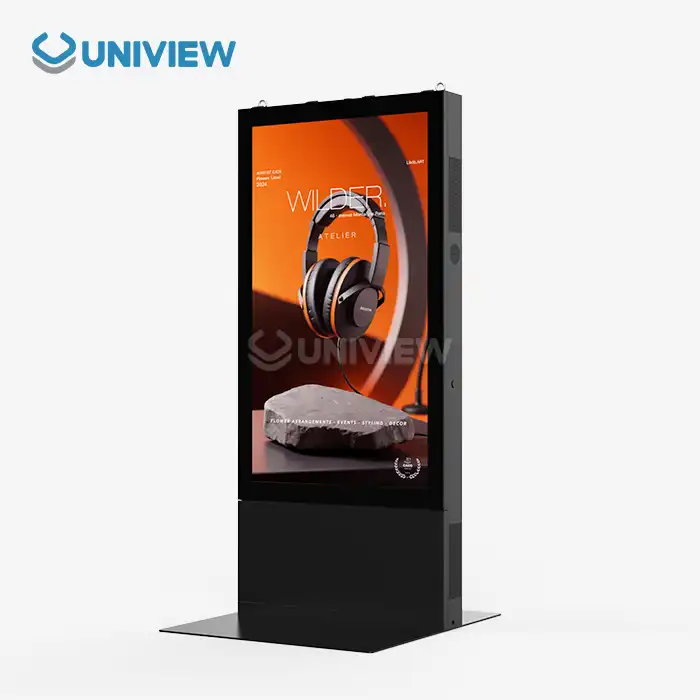
This model, the Uniview Commercial IK130, shows how advanced customization can be because it has four different design styles that meet different aesthetic needs. This touchscreen booth for indoor use has high-quality LCD screens with capacitive touch technology that allow for 10-point multi-touch interactions. The architecture of the system supports corporate integration solutions and wayfinding apps that can be used in shopping malls, office buildings, and healthcare facilities.
Procurement Strategies and Cost Considerations for Custom Kiosks
To get the best total cost of ownership, procurement planning should balance the costs of the original investment with the costs of running the business over the long term. Pricing models usually take into account how complicated the customization is, how many items are ordered, and what features are needed. Custom hardware modifications, specialized software development, and unique enclosure designs all add to the overall cost of the project, but they also provide solutions that are perfectly tailored and maximize operating value.
Purchase, lease, and rental agreements are all types of financing choices that give organizations with different capital budget limits more options. Maintenance and support services are often included in leasing agreements. These services make budgeting easier and make sure that operations run smoothly all the time. Rental choices are good for short-term uses or pilot programs where companies want to see how well kiosks work before committing to bigger purchases.
After-Sales Support and Warranty Considerations
A full warranty covers hardware investments and makes sure that the product works reliably for its entire lifecycle. Extended warranty terms of 3 to 5 years show that the company behind the product is confident in its quality and gives buyers peace of mind. Global support networks make it possible for technical problems to be fixed quickly, no matter where the launch is located. This cuts down on downtime and keeps service going.
Service level agreements, or SLAs, spell out reaction times and ways to solve problems, making it clear what kind of technical help is expected. Many problems can be fixed without having to go to the spot, which cuts down on maintenance costs and response times. When it comes time for actual help, manufacturer support networks should send qualified technicians who know how to set up and customize certain kiosks.
Uniview Commercial: Your Trusted Partner in Interactive Kiosk Manufacturing
As a top maker in the global interactive touch kiosk market, Shenzhen Uniview Commercial Display has a lot of experience working with B2B clients in a wide range of fields. Our wide range of products includes kiosk options that can be changed to fit different business needs while still meeting the highest quality standards. Advanced manufacturing techniques allow for exact customization that fits the needs of a project and personal taste in style.
Our IK130 interactive touchscreen booth shows that we are dedicated to coming up with new designs and making things work better. This platform is very flexible; it has four different styling choices that work well with a wide range of architectural settings while still providing reliable and consistent performance. With 10-point multi-touch support, the capacitive touch interface lets users connect with the device quickly and easily. IPS display technology makes sure that colors and images are clearly shown.
As part of quality control, strict testing methods are used to mimic how things work in the real world. As part of environmental testing, kiosks are left open to a range of lighting conditions, temperature changes, and changes in humidity for a long time. Testing for water and dust resistance confirms IP ratings, and testing for wind resistance makes sure that structures stay strong in tough installation settings.
Manufacturing Excellence and Global Support Network
International quality standards from Europe, the United States, and Japan are followed by our factories to make sure their goods meet the needs of markets around the world. Advanced heat absorption technology keeps the screen at the best temperature even after long periods of use, and ultra-clear AR-coated glass gives it better brightness and clarity. European surface treatment technology gives products great corrosion protection, which makes them last longer and keeps their good looks.
The global support infrastructure covers more than 100 countries and areas and has online response times that are available 24 hours a day, 7 days a week. This ensures that technical questions and support needs are quickly met. Full quality coverage through China Pacific Insurance Company and other third-party underwriters gives you more safety and shows that we trust the product's dependability. This large help network makes sure that customers get the same high-quality service no matter where they live.
Conclusion
To find the best custom interactive touch kiosk manufacturer, you need to carefully think about their technical skills, customization choices, and commitments to long-term support. Manufacturers of good quality, like Uniview Commercial, use cutting-edge technology and easy customization to make solutions that improve both customer interaction and operational efficiency. The money spent on custom booth technology pays off in a clear way: happier customers, lower operating costs, and a stronger brand position in markets that are very competitive.
FAQ
What factors determine the pricing of custom interactive touch kiosks?
Pricing depends on several key variables, including display size, touch technology type, customization complexity, order quantities, and specific peripheral requirements. Custom software development, unique enclosure designs, and specialized hardware modifications add to base costs but deliver tailored functionality that addresses specific operational needs.
How long does it typically take to develop and deliver custom kiosk solutions?
Development timelines vary based on customization requirements and order volumes, typically ranging from 4 to 12 weeks for standard customizations. Complex projects involving extensive software development or unique hardware modifications may require additional time. Clear project specifications and early manufacturer engagement help optimize delivery schedules.
Can interactive touch kiosks receive software updates after installation?
Modern kiosk systems support remote software updates through secure network connections, enabling feature enhancements and security patches without physical access to individual units. Cloud-based management platforms facilitate centralized updates across multiple locations while maintaining system security and operational continuity.
Partner with Uniview Commercial for Superior Interactive Touch Kiosk Solutions
Discover how Uniview Commercial's custom interactive touch kiosk solutions can transform your customer engagement strategy and operational efficiency. Our experienced team provides comprehensive consultation services to identify optimal configurations that meet your specific requirements and budget parameters. As a trusted interactive touch kiosk manufacturer, we deliver innovative solutions backed by extensive global support and proven reliability.
Contact our expert team at sales@univiewlcdisplay.com to discuss your project requirements and receive a detailed quotation tailored to your specifications. Our commitment to excellence ensures you receive not just a product, but a comprehensive solution that delivers measurable business value and lasting operational benefits.
References
1. Digital Signage Federation. "Interactive Kiosk Market Analysis and Growth Trends in B2B Applications." Journal of Digital Display Technology, 2024.
2. International Touch Screen Association. "Capacitive vs. Infrared Touch Technologies: Performance Comparison in Commercial Applications." Touch Technology Review, 2023.
3. Smith, Michael J. "Custom Kiosk Manufacturing: Quality Standards and Certification Requirements." Industrial Display Manufacturing Quarterly, 2024.
4. Chen, Lisa Wang. "Total Cost of Ownership Analysis for Interactive Kiosk Deployments in Retail Environments." Retail Technology Journal, 2023.
5. European Kiosk Manufacturers Alliance. "Environmental Testing Standards for Commercial Interactive Displays." Technical Standards Publication, 2024.
6. Anderson, Robert K. "Software Integration Strategies for Enterprise Kiosk Deployments." Business Technology Integration Review, 2023.
Learn about our latest products and discounts through SMS or email