- English
- French
- German
- Portuguese
- Spanish
- Russian
- Japanese
- Korean
- Arabic
- Greek
- German
- Turkish
- Italian
- Danish
- Romanian
- Indonesian
- Czech
- Afrikaans
- Swedish
- Polish
- Basque
- Catalan
- Esperanto
- Hindi
- Lao
- Albanian
- Amharic
- Armenian
- Azerbaijani
- Belarusian
- Bengali
- Bosnian
- Bulgarian
- Cebuano
- Chichewa
- Corsican
- Croatian
- Dutch
- Estonian
- Filipino
- Finnish
- Frisian
- Galician
- Georgian
- Gujarati
- Haitian
- Hausa
- Hawaiian
- Hebrew
- Hmong
- Hungarian
- Icelandic
- Igbo
- Javanese
- Kannada
- Kazakh
- Khmer
- Kurdish
- Kyrgyz
- Latin
- Latvian
- Lithuanian
- Luxembou..
- Macedonian
- Malagasy
- Malay
- Malayalam
- Maltese
- Maori
- Marathi
- Mongolian
- Burmese
- Nepali
- Norwegian
- Pashto
- Persian
- Punjabi
- Serbian
- Sesotho
- Sinhala
- Slovak
- Slovenian
- Somali
- Samoan
- Scots Gaelic
- Shona
- Sindhi
- Sundanese
- Swahili
- Tajik
- Tamil
- Telugu
- Thai
- Ukrainian
- Urdu
- Uzbek
- Vietnamese
- Welsh
- Xhosa
- Yiddish
- Yoruba
- Zulu
Custom Wall Mounted Digital Display Screens for Branding
The way brands interact with their customers in a variety of business settings has been transformed by custom wall mounted digital display screens. The advanced digital signage systems give companies a lot of freedom in how they deliver information, so they can show changing messages that get people's attention and get them involved. A

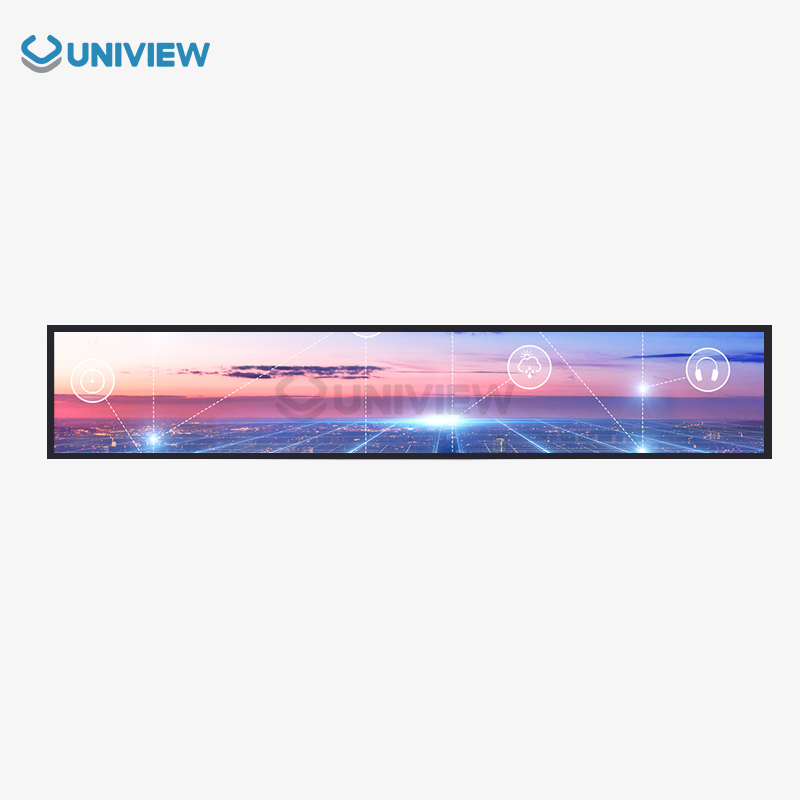
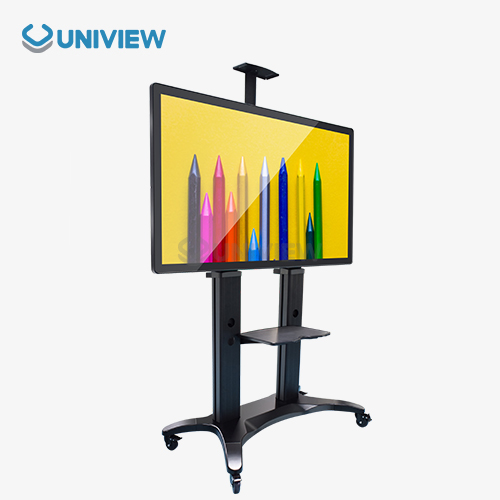
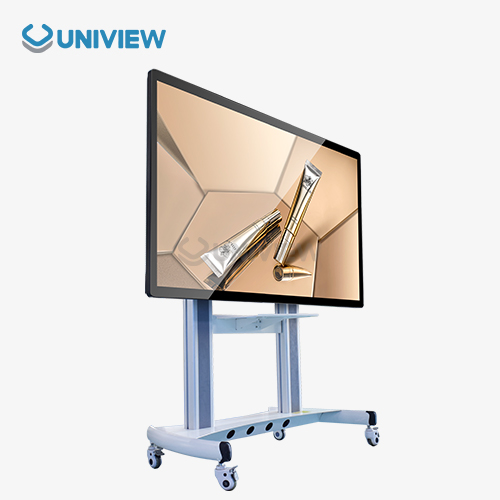
is an effective branding tool that can turn blank walls into places where people can connect and communicate, and it can be quickly changed to meet new marketing needs.
Understanding Wall Mounted Digital Display Screens for Branding
Core Components and Technologies
Several important parts are built into modern digital screens, and they all work together to provide great visual performance. The base is the display panel, which can be made of LCD, LED, or OLED technology, each of which has its own benefits for certain uses. LCD screens are low-cost and reproduce colors very well, while LED displays are brighter—up to 4000 nits for outdoor use—and better at showing colors.
The processing unit handles system processes and content delivery, making sure that multimedia material plays smoothly. Advanced heat management systems keep the screen at the best temperature, which extends its life and keeps its performance stable. Professional displays come with special fixing brackets that can hold screens of different sizes and ensure safe mounting on a range of wall types.
Key Technical Specifications
Resolution has a big effect on how clear images are and how interested people are in them. The pixel density of 4K Ultra HD displays is four times that of regular HD displays. This means that even up close, text and pictures will look clear and bright. Screen sizes usually range from 32 inches for small rooms to 98 inches for big business settings, so they can fit a variety of space needs.
Brightness levels are an important factor in how well a monitor works. For indoor uses, 400 to 700 nits are usually enough, but for outdoor uses in full sunlight, 2000 to 4000 nits are needed to keep things visible. Touch adds interactivity by letting users connect with the device using natural movements and multiple touches.
Content Management and Connectivity
Digital signage systems depend on powerful content management tools that let you schedule events from afar, make changes in real time, and sync screens in different locations. These systems can play different types of media, like video, pictures, live feeds, and interactive apps. Ethernet, Wi-Fi, and cellular links are all possible for network access, so material can be sent reliably in a variety of application situations.
Benefits of Custom Wall Mounted Digital Display Screens for Branding
Enhanced Brand Visibility and Engagement
Studies have shown that digital displays get 400% more views than standard print materials, which means they are a better way to get people's attention. Digital material is always changing, so brands can use the same display unit to show different themes, seasonal ads, and real-time information. Motion images and video material make brand experiences that people will remember, which greatly improves recall rates.
Brands can keep their visual personality consistent across all interactions by customizing their look. Color calibration makes sure that the brand colors are reproduced correctly, and custom casings and housing choices make it easy to fit in with existing building features. Targeted marketing is possible based on time of day, audience groups, and specific events, thanks to content scheduling tools.
Economic Advantages and Long-term Value
Digital screens offer a better return on investment than standard signage options because of the following benefits:
- Lower printing costs: no longer having to pay for printing, setting up, and throwing away prints regularly
- Saves energy: LED backlighting uses 40% less power than regular neon screens
- Longer life: Under normal conditions, professional screens work effectively for 50,000 to 100,000 hours.
- Easy to maintain: remote tracking and troubleshooting tools cut down on the need for on-site service.
Over the lifecycle of the device, these economic gains save a lot of money. Companies usually get their initial investment back in 18 to 24 months by lowering their running costs and making their marketing more effective.
Measurable Performance Metrics
Digital signage platforms offer a lot of data that regular signs can't match. Audience tracking sensors keep track of how engaged viewers are, how long they stay on a page, and demographic information. This lets content plans be improved based on data. These findings help brands keep improving the success of their campaigns and the messages they use.
How to Choose the Right Custom Wall Mounted Digital Display Screen for Your Business
Environmental Assessment and Requirements
A thorough study of the surroundings is the first step in choosing the right display. When used indoors, you need to think about the lighting, viewing angles, and building limitations. When installing something outside, you need to think about how it will be affected by the weather, changes in temperature, and the chance of damage.
Calculations of viewing distance tell us what the best screen size and quality should be. As a general rule, the diagonal length of the screen in inches should equal the watching distance in feet divided by two. For reading complex material, this ratio may need to be changed to make it easier to read.
Critical Selection Parameters
Resolution needs vary depending on the type of information and how close the viewer is. Higher pixel densities are better for apps that use a lot of text, while video material may care more about color clarity and refresh rates. Touch technology makes things more complicated, but it also makes engaging experiences possible, which can keep users much more interested.
The brightness requirements must match the placement space. Lobbies inside usually need 400 to 500 nits, while shop windows might need 1500 to 2500 nits to get rid of the effects of natural light. Outdoor uses need the brightest screens possible with anti-reflective finishes to make sure they can be seen in any weather.
Manufacturer Evaluation and Quality Standards
Reputable makers give full specs, certifications, and promises of performance. Following international standards like CE, FCC, and RoHS makes sure that the product is safe and reliable. The warranty should last between 3 and 5 years, and professional help should be available all over the world.
Panel regularity, color calibration precision, and the efficiency of thermal control are all signs of quality. Professional screens go through strict testing procedures that consumer-grade goods might not be able to follow. This makes sure that they always work well in business settings.
Installation and Maintenance Guide for Wall Mounted Digital Display Screens
Professional Installation Requirements
The first step in a proper installation is to check the structure to make sure it can be mounted on the wall. Professional workers look at the wall's makeup, its ability to hold weight, and its electrical needs. Standard setups need access to AC power, a way to connect to a network, and enough space for air flow.
The mounting gear needs to be able to handle the weight of the display and have features that make it less likely that it will be stolen. Mounts made for businesses let you change the tilt, choose between landscape and portrait positions, and include wire management systems. In public places, valuable equipment is kept safe with anti-theft locks and bolts that can't be opened.
Ongoing Maintenance Protocols
Regular maintenance plans monitor performance and extend operational lifespan. Cleaning once a week gets rid of the dust that builds up and can affect thermal function and picture quality. Screens stay clear and don't get damaged when you use approved cleaning products and microfiber cloths.
To keep the system stable and safe from online threats, software changes and security patches need to be checked on a regular basis. Administrators can schedule proactive maintenance by being notified of possible problems by remote tracking tools before they affect operations.
Practical Applications and Industry Use Cases of Custom Wall Mounted Digital Display Screens
Retail and Commercial Applications
Wall mounted digital display screens are used in stores to show off new products, keep track of supplies, and help customers. Interactive screens allow for virtual product demos, which cuts down on the need for staff while still delivering information consistently. Updates to prices and promotional content can be made in real time and sent quickly to multiple places.
Large-format screens are used in shopping malls to show phone books, promote events, and make money from ads. Being able to instantly change content supports flash sales, emergency alerts, and seasonal campaigns without having to pay for new physical signs.
Corporate and Hospitality Implementations
Digital signs are used in business settings to help employees communicate, give visitors information, and strengthen the brand. High-resolution screens in executive meeting rooms improve the quality of presentations and allow videoconferencing apps to work. Installing things in the lobby makes it look professional and helps people find their way around.
Digital displays are used in hospitality places to show menus, event plans, and help guests. Hotels use tablets next to beds and screens in the entrance to show information about the area, service requests, and advertising. Restaurants use food boards that can be updated in real time when ingredients become available or prices change.
Transportation and Public Spaces
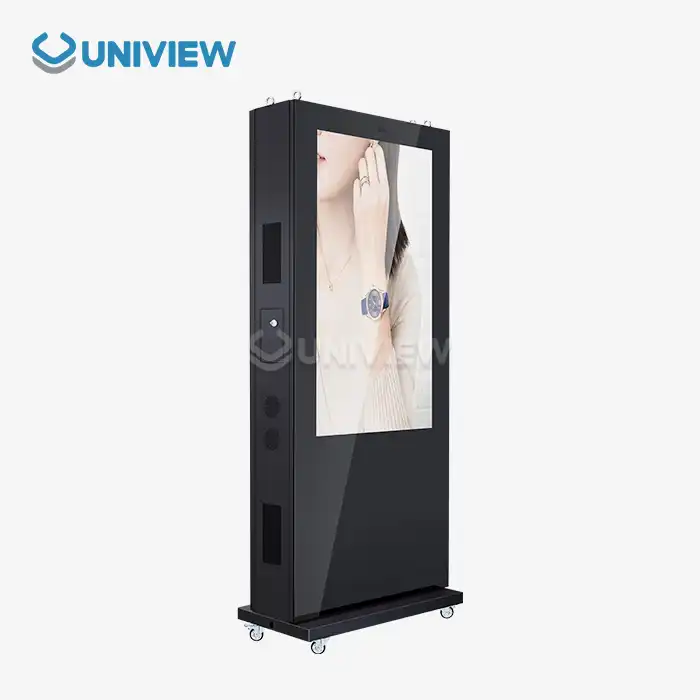
At transportation hubs, screens need to be able to give passengers important information even when the conditions are bad. For airport installations to work, they need to be easy to see from far away and read in a variety of lighting situations. Weather protection and a building that can't be broken into make sure that it works reliably in public places.
Emergency warning systems, neighborhood announcements, and public service information are all examples of municipal uses. A lot of the time, these sites need to work with current emergency response systems and meet standards for people who are blind or have trouble hearing.
Conclusion
For companies looking to improve their brand visibility and communication efficiency, custom wall mounted digital display screens are an investment that pays off. These high-tech systems have real benefits, such as better public involvement, operational flexibility, and lower long-term costs. Advanced display technologies, a wide range of customization choices, and strong performance standards all work together to help businesses create memorable brand experiences that lead to real business results. It is important to have these digital assets professionally set up and maintained so that they continue to provide value for a long time.
FAQ
What is the typical lifespan of a commercial wall mounted digital display screen?
Most commercial-grade digital screens work effectively for 50,000 to 100,000 hours, which is 5 to 11 years of nonstop use. The actual lifespan relies on how it is used, the climate, and how well it is maintained. With proper temperature management and regular upkeep, an operation can last a lot longer than what the maker says it should.
How do digital screens work with content management tools that are already in place?
REST APIs, HDMI connections, and cloud-based systems are just a few of the ways that modern digital signs can be integrated. Standardized protocols make it possible for most systems to work with major content management tools. Custom connection services can link displays to private business systems so that content changes and schedules are done automatically.
What are the energy consumption differences between LCD and LED displays?
Most of the time, LED screens use 30 to 50 percent less energy than regular LCD panels while being brighter. On average, a 55-inch LED screen uses 150 to 200 watts of power, while an LCD screen of the same size uses 250 to 300 watts. Automatic brightness change in energy-efficient designs can cut use even more based on the lighting conditions.
Partner with Uniview Commercial for Your Digital Display Solutions
With cutting-edge solutions that change your branding efforts, Uniview Commercial is your go-to manufacturer of wall mounted digital display screens. Our wide range of products includes screens with high light levels (2000 to 4000 nits), weatherproofing (IP65/66), and improved corrosion protection using European surface treatment technology.
We've been working with clients in more than 100 countries for more than ten years, so we know how to meet the specific needs of the retail, business, leisure, and transportation sectors. Our screens use ultra-clear AR glass technology, run at a whisper-quiet 60 dB, and can withstand 16 levels of wind resistance. Every installation comes with our extended warranty coverage for 3–5 years, which is backed by full insurance coverage and 24/7 global support.
Find out why industry leaders choose Uniview Commercial for their digital signage projects by contacting our team at sales@univiewlcdisplay.com to discuss your custom wall mounted digital display screen needs.
References
1. Digital Signage Industry Report: Market Trends and Growth Projections 2024, Digital Signage Federation
2. Commercial Display Technology Performance Standards, Society for Information Display
3. Energy Efficiency Guidelines for Professional Digital Signage, International Energy Agency
4. Workplace Communication Technology Impact Study, Corporate Communications Institute
5. Retail Digital Signage ROI Analysis: Five-Year Performance Review, National Retail Federation
6. Outdoor Display Durability Testing Protocols and Standards, Electronic Industries Alliance
Learn about our latest products and discounts through SMS or email