- English
- French
- German
- Portuguese
- Spanish
- Russian
- Japanese
- Korean
- Arabic
- Greek
- German
- Turkish
- Italian
- Danish
- Romanian
- Indonesian
- Czech
- Afrikaans
- Swedish
- Polish
- Basque
- Catalan
- Esperanto
- Hindi
- Lao
- Albanian
- Amharic
- Armenian
- Azerbaijani
- Belarusian
- Bengali
- Bosnian
- Bulgarian
- Cebuano
- Chichewa
- Corsican
- Croatian
- Dutch
- Estonian
- Filipino
- Finnish
- Frisian
- Galician
- Georgian
- Gujarati
- Haitian
- Hausa
- Hawaiian
- Hebrew
- Hmong
- Hungarian
- Icelandic
- Igbo
- Javanese
- Kannada
- Kazakh
- Khmer
- Kurdish
- Kyrgyz
- Latin
- Latvian
- Lithuanian
- Luxembou..
- Macedonian
- Malagasy
- Malay
- Malayalam
- Maltese
- Maori
- Marathi
- Mongolian
- Burmese
- Nepali
- Norwegian
- Pashto
- Persian
- Punjabi
- Serbian
- Sesotho
- Sinhala
- Slovak
- Slovenian
- Somali
- Samoan
- Scots Gaelic
- Shona
- Sindhi
- Sundanese
- Swahili
- Tajik
- Tamil
- Telugu
- Thai
- Ukrainian
- Urdu
- Uzbek
- Vietnamese
- Welsh
- Xhosa
- Yiddish
- Yoruba
- Zulu
High-Impact Portrait Floor Standing Digital Signage for Lobbies
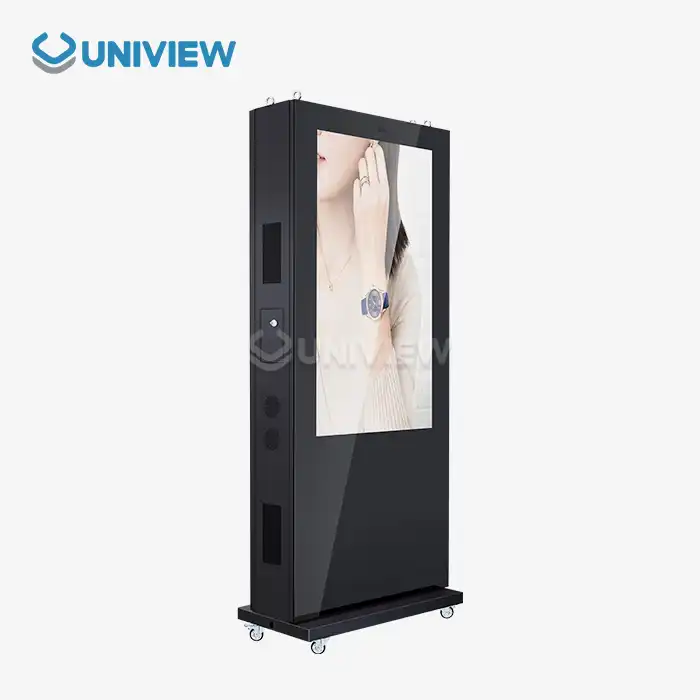
Portrait floor standing digital signage has changed the way companies talk to guests in lobby areas by providing a dynamic and visually appealing solution that turns first impressions into long-lasting interaction possibilities. These display systems are set up vertically and give focused messages that get people's attention while making the best use of space. They are important for modern business communication strategies in a wide range of industries.

Understanding Portrait Floor Standing Digital Signage and Its Key Benefits
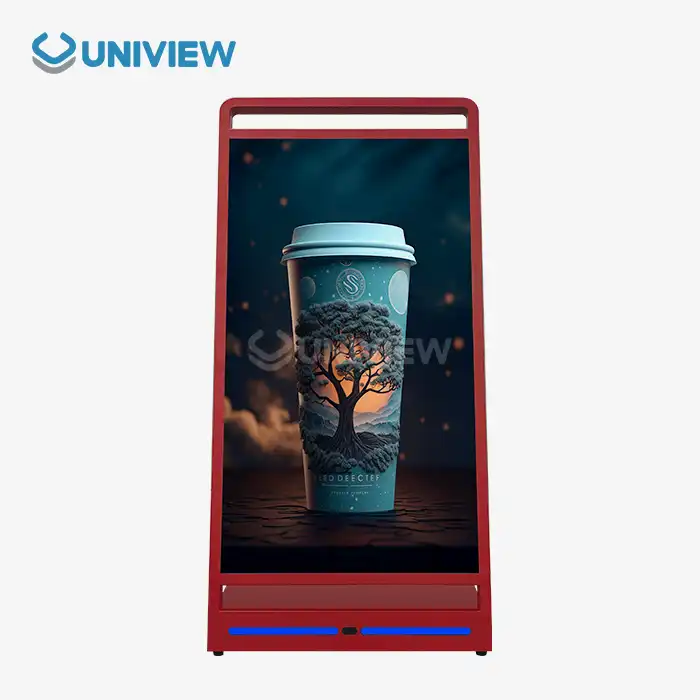
As a more advanced way to communicate visually, portrait floor standing digital signage uses screens that are angled vertically to make the best use of content showing in lobby areas. Traditional landscape displays spread out horizontally, but these vertical displays make a more immersive visual effect that naturally draws the eye upward, which is great for sharing stories and getting your brand's message across.
Advanced Display Technology and Performance
Modern portrait screens have high-resolution panels that are set up to show information vertically. The energy-efficient LED lights in these systems keep the brightness levels high while lowering running costs. The vertical direction makes it easier for content to move naturally. This is especially useful for showing directory information, advertising content, and interactive systems for finding your way.
The technology that makes these screens work includes powerful picture processing that makes sure the text is clear and the colors are bright. Screen sizes usually run from 43 inches to 86 inches, so they can be used in a variety of lobby areas and at different viewing distances. Variants that can be touched offer dynamic features that turn passive watching into fun user experiences.
Space Efficiency and Content Flexibility
These screens make the most of vertical room while taking up less space than landscape options. In places like lobbies, where floor space is limited, this way of designing works especially well. Portrait mode naturally works with common digital content forms, like news feeds, social media feeds, and advertising materials made to be viewed on mobile devices.
Real-time content management lets people in different places get changes right away, which helps global businesses keep track of their messages from one place. Modern content management systems let you schedule different material for different times of the day. This makes sure that the right people get the right messages at the best times.
How Portrait Floor Standing Digital Signage Works: Components and Installation?
Knowing how portrait floor standing digital signage is put together technically helps buying teams make smart choices about how to set it up and what kind of long-term upkeep it will need. These systems are made up of many complex parts that work together smoothly to provide stable performance.
Core System Components
The LCD or LED panel, media player, and content control tools are the main parts of any portrait display device. Commercial-grade screens on high-quality displays are approved for ongoing operation and usually last for 50,000 hours or more. Integrated media players can play a lot of different types of material, like 4K video, engaging apps, and real-time data feeds.
Advanced heat control systems make sure that performance stays the same, even when the system is running for a long time. These cooling methods keep things from getting too hot while keeping noise levels below 60 dB, which is important in business lobby settings where noise control is important.
Professional Installation Considerations
Before planning an installation, the site must be carefully inspected to find out things like roof height, viewing angles, and general lighting. Professional builders look at the structure to make sure it can hold the weight while also making sure they follow all local safety and building rules.
Power needs and plans for network connections are important parts of the installation. Modern screens can connect to the internet via wired or wireless connections, which allows for a variety of placement choices. Cable control solutions keep things looking neat and make it easy to do repairs and changes.
Decisions about placement are affected by things like controlling the temperature, the amount of humidity, and the possibility of direct sunlight. Indoor displays usually work well in temperatures between 32°F and 104°F, and outdoor displays are made to last longer in harsh conditions.
Comparing Portrait vs Landscape Floor Standing Digital Signage: Which Is Right for Your Lobby?
When choosing between portrait and landscape orientations, you need to think carefully about your content plan, the amount of room you have, and how people usually use your site. Based on the needs of the application and the layout of the hall, each direction has its own benefits.
Portrait Display Advantages
When you want to focus on vertical content, portrait orientation is the best choice. It works well for search lists, social media feeds, and mobile-friendly content. This style works really well for finding your way because it shows information in a way that makes it easier for users to understand and faster for them to navigate.
Vertical displays fit better with the architecture of the hallway because they fill out column spaces and narrow wall areas without taking over the space. The upward visual flow makes a beautiful presence that doesn't take over the look of the hallway.
Technical Specification Considerations
Different screen positions have different ways of optimizing the resolution. For example, portrait displays have special pixel layouts that make text clearer and improve the quality of vertical images. Different places need different amounts of brightness. For example, 350 to 700 nits are usually enough for indoor uses, while 1500 to 4000 nits are needed for outdoor installations that will be seen in full sunlight.
Reach zones and contact patterns are things to think about when it comes to touch capabilities. Portrait screens put interactive elements where people can easily reach them with their arms. This makes self-service applications easier to use. Response time standards make sure that interactions run smoothly, with 10ms or faster being the norm for professional uses.
Leading companies make a wide range of products that can be used by both directions. Well-known brands like Samsung, LG, and others offer complete packages that include media players, hanging systems, and content management software that works best for portrait mode.
Procurement Guide: Buying Portrait Floor Standing Digital Signage for Lobbies
To buy portrait floor standing digital signage successfully, you need to carefully consider providers, technical requirements, and the need for long-term assistance. B2B buyers can get better deals if they understand how the market works and how to negotiate in a way that gets the best value while still meeting business goals.
Supplier Evaluation and Selection
Suppliers you can trust have licenses that meet international quality standards and a history of making business displays. Established companies usually back their products with full guarantees that last between 3 and 5 years and cover both hardware and software assistance.
Premium suppliers are different from basic suppliers because they can customize their products. Modern companies offer unique solutions like containers made just for you, special mounting systems, and peripheral devices that are built right in. With these customization choices, you can make implementations that are unique and meet the needs of your lobby and brand's style.
Cost Structure and Budget Planning
Portrait displays have very different price ranges depending on the screen size, clarity, brightness, and other features. 43-inch displays are usually priced between $2,000 and $3,500, while high-end 86-inch screens with lots of features can cost more than $15,000.
For deployments with more than one unit, volume buying deals can save you a lot of money. When you buy more than 10 units, you can get savings ranging from 10 to 25 percent. This makes large-scale projects more cost-effective.
Installation and ongoing care costs are also things to think about when making a budget. Professional assembly costs between $500 and $1,500 per unit, based on how complicated the job is and what the spot needs. Maintenance, software updates, and professional help are usually covered by annual service plans that cost 10 to 15 percent of the initial hardware investment.
Use Cases and Real-World Applications in Lobby Environments
Portrait floor-standing digital signage changes the way people interact with lobby areas in a wide range of business types, leading to noticeable gains in customer interaction, practical efficiency, and the usefulness of brand communication. Implementations in the real world show how flexible and useful these display options are.
Retail and Corporate Environments
Portrait screens are used in stores for changing advertising efforts that increase sales and make the shopping experience better for customers. These systems allow for real-time information on inventory, holiday sales, and personalized messages sent to customers based on their shopping habits and demographics.
Portrait signs are used in corporate offices to help employees communicate, keep track of visitors, and strengthen the brand. Interacting guides make it easier for guests to find their way around large buildings and make the front desk's job easier. Employee recognition programs and news reports about the company make employees more interested and improve the efficiency of internal communication.
Hospitality and Healthcare Applications
Portrait screens are used by hotels for personal services, advertising events, and giving guests information. International guests can be accommodated with support for multiple languages, and integration with property management systems lets you send custom welcome notes and service suggestions.
Healthcare facilities can use tools to make appointments, help people find their way, and offer health education material. These apps make patients happier while lowering the amount of work that staff have to do to answer basic questions and give directions.
Educational and Government Implementations
Universities and schools use portrait screens to help students find their way around campus, promote events, and let people know about emergencies. Being able to quickly send out important information is very helpful in case of school emergencies or weather-related alerts.
These systems are used in government offices to help citizens, keep track of lines, and share information with the public. Interactive features let you use self-service choices that make things run more smoothly and cut down on wait times for popular services.
Conclusion
Portrait floor-standing digital signs are a game-changing investment for modern lobby spaces, giving them unmatched freedom, the ability to connect visitors, and the ability to run smoothly. These vertical display options are great at getting targeted messages across while making the best use of the room and giving visitors memorable experiences. The technology keeps getting better with higher resolution, better engagement, and easier integration features that help businesses in a wide range of industries reach their goals.
FAQ
What resolution is best for portrait floor standing displays?
Resolutions of 1080x1920 (Full HD) or 2160x3840 (4K) work best for portrait displays, but it depends on the size of the screen and how far away you are from it. To keep images clear, 4K resolution works best for bigger screens, while Full HD resolution works great for smaller ones.
How energy efficient are modern portrait displays?
Modern portrait monitors use between 150 and 400 watts, based on the size of the screen and the brightness level. When compared to older display technologies, LED lights and automatic brightness change can save 30 to 50 percent of the power used.
Can portrait displays integrate with existing content management systems?
Standard content management methods, such as HTML5, Android, and Windows-based systems, can be used with most professional portrait screens. API integration lets you connect to third-party apps, customer records, and current business systems without any problems.
What maintenance requirements do portrait displays have?
As part of regular care, the screen is cleaned, the software is updated, and the hardware is checked from time to time. Professional displays usually don't need much care. They just need to be cleaned every two to three months and serviced once a year to make sure they work well and last a long time.
How long do portrait floor standing displays typically last?
Portrait screens made for businesses can work for 50,000 to 100,000 hours, but this depends on how they are used and the surroundings. If these screens are used for 12 hours a day, every day, they will last 8 to 12 years before they need to be replaced.
Partner with Uniview Commercial for Premium Portrait Floor Standing Digital Signage Solutions
Uniview Commercial offers state-of-the-art portrait floor standing digital signage systems that are built to last and work well. Our wide range of products includes screens with high brightness levels between 2000 and 4000 nits, safety against the elements (IP65/66), and improved anti-corrosion treatments that make them last a very long time. For personalized advice and affordable quotes that are made to fit your needs, please email our expert team at sales@univiewlcdisplay.com. Pick a portrait floor standing digital signage maker you can trust that offers help around the world and offers longer warranties.
References
1. Digital Signage Market Analysis and Growth Projections 2024-2029, International Display Technology Association
2. Commercial Display Technology Trends in Lobby Applications, Journal of Digital Communications
3. Energy Efficiency Standards for Commercial Electronic Displays, Department of Energy Commercial Technologies
4. User Experience Design Principles for Interactive Digital Signage, Human-Computer Interaction Research Institute
5. Installation Best Practices for Floor Standing Digital Displays, Commercial Electronics Installation Association
6. ROI Analysis of Digital Signage Implementations in Corporate Environments, Business Technology Research Group
Learn about our latest products and discounts through SMS or email