- English
- French
- German
- Portuguese
- Spanish
- Russian
- Japanese
- Korean
- Arabic
- Greek
- German
- Turkish
- Italian
- Danish
- Romanian
- Indonesian
- Czech
- Afrikaans
- Swedish
- Polish
- Basque
- Catalan
- Esperanto
- Hindi
- Lao
- Albanian
- Amharic
- Armenian
- Azerbaijani
- Belarusian
- Bengali
- Bosnian
- Bulgarian
- Cebuano
- Chichewa
- Corsican
- Croatian
- Dutch
- Estonian
- Filipino
- Finnish
- Frisian
- Galician
- Georgian
- Gujarati
- Haitian
- Hausa
- Hawaiian
- Hebrew
- Hmong
- Hungarian
- Icelandic
- Igbo
- Javanese
- Kannada
- Kazakh
- Khmer
- Kurdish
- Kyrgyz
- Latin
- Latvian
- Lithuanian
- Luxembou..
- Macedonian
- Malagasy
- Malay
- Malayalam
- Maltese
- Maori
- Marathi
- Mongolian
- Burmese
- Nepali
- Norwegian
- Pashto
- Persian
- Punjabi
- Serbian
- Sesotho
- Sinhala
- Slovak
- Slovenian
- Somali
- Samoan
- Scots Gaelic
- Shona
- Sindhi
- Sundanese
- Swahili
- Tajik
- Tamil
- Telugu
- Thai
- Ukrainian
- Urdu
- Uzbek
- Vietnamese
- Welsh
- Xhosa
- Yiddish
- Yoruba
- Zulu
How Indoor Free Standing Displays Improve Customer Experience?
Indoor free-standing digital signage changes the way customers interact with a business by showing them changing, eye-level material that interests them and gets them involved. These self-contained display units have smart content management systems and high-tech LCD or LED screens, which let businesses interact clearly in real time. Unlike static signs or screens that are attached to the wall, freestanding displays put information right in front of customers. This makes it easier for them to interact with the display, which, according to recent retail analytics studies, can increase stay time by up to 35%. Because they are flexible, can be used with touchscreens, and are reliable 24 hours a day, seven days a week, they are must-have tools for stores, hotels, businesses, and transportation hubs that want to improve customer happiness and conversion rates.
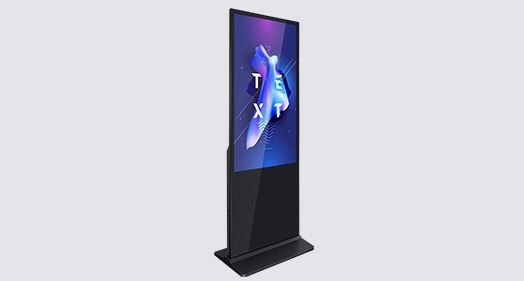
Understanding Indoor Free Standing Digital Signage and Its Customer Experience Benefits
Indoor free standing digital signage represents a smart investment for companies that want to keep customers interested. These stand-alone systems work without changing the structure of the area they're in. This makes them perfect for rental properties, atriums with glass walls, and open-plan halls where mounting on the wall wouldn't work.
Technical Specifications That Drive Performance
Modern screens that stand alone use Original A+ grade IPS industrial panels that keep colors consistent across 178°/178° viewing angles. This technical requirement makes sure that your message stays bright and easy to read, no matter where your customers are in your area. Brightness levels are usually between 350 and 700 nits, which are set to work with the light inside without making your eyes tired or glaring. The frame is made of cold-rolled steel or an aluminum alloy that has been coated with powder. This makes it resistant to corrosion and strong enough to withstand regular use by the public.
Core Operational Advantages
These displays have dual-OS support for both Android and Windows, which gives businesses more choices when it comes to the tools they use to create and handle content. With split-screen, you can show promotional videos, directions, and live social media posts all at the same time. All of this can be controlled online through cloud-based content management systems. The built-in cooling systems keep the working temperatures between 0°C and 50°C, so they always work at the same level, even in harsh conditions. Screen faces are made of 4mm to 6mm tempered glass that is rated at Mohs level 7. This glass is very hard and protects against unexpected hits in high-traffic places while still letting you see clearly.
Measurable Customer Experience Enhancements
According to research from the Digital Signage Federation, carefully placed freestanding displays help people remember brands 47% more than standard print signs. Customers stay in places with interactive digital screens for an extra 3.2 minutes on average, which immediately leads to higher transaction values. Businesses can react to changes in customer behavior, holiday campaigns, or inventory without having to pay for printing or wait for installation times if they can update content right away. This flexibility changes the way you talk to your customers from reacting to them to taking the initiative. It also makes your brand look tech-savvy and customer-focused.
How Indoor Free Standing Displays Work to Solve Customer Engagement Challenges
Using old-fashioned signs separates businesses from their customers in a basic way. Because people see them so often, static ads become unnoticeable, directional signs get in the way instead of helping, and advertising materials quickly become out of date. These problems can be solved with modern hardware design and smart software systems in indoor free standing digital signage.
Hardware Foundation for Dynamic Communication
The technical skill of the monitor is key to getting customers to interact with it. High-definition screens with 1080p or 4K resolution make sure that text stays clear, and pictures look real even when viewed from different angles. Adding 10-point PCAP (Projected Capacitive) touch technology makes it easy for customers to connect, turning them from passive watchers into active players. Industrial-grade PCBs can handle changes in temperature and power cycles that would damage consumer-grade electronics. This is why they can be used continuously in businesses for more than 50,000+ hours.
Software Intelligence That Personalizes Experiences
Scheduling algorithms, crowd analytics, and real-time data integration are all built into content management systems made for freestanding signs. With rule-based programming, a shopping mall can automatically show ads for kids' brands during school breaks, change messages based on weather conditions that affect foot traffic, or highlight restaurants during eating times. These systems collect private engagement data that shows which types of content get the most views and interactions, which lets businesses keep improving how they talk to their customers.
Validated Results Across Industries
A regional store chain put up freestanding displays with interactive product catalogs and found that when customers used the tablet interface, they bought more items from different categories, up 28%. Companies that used these screens to help people find their way and book meeting rooms said that people asked receptionists for directions 40% less often, which freed up staff to focus on more important contacts with guests. Hospitality venues using digital concierge displays saw guest satisfaction scores improve by 18 points on standard industry benchmarks, attributed directly to improved access to facility information and local recommendations.
Putting up digital screens inside in a smart way creates real business value by turning every interaction with a customer into a chance to connect, educate, and convert them.
Comparing Indoor Free Standing Displays: Choosing the Optimal Solution for Your Business
In order to choose the right display technology, you need to know how the different specs fit with your needs and the available space. The decision structure looks at the flexibility of the form factor, the performance of the display technology, the ability to connect, and the dependability of the provider for indoor free standing digital signage.
Free Standing Versus Wall-Mounted Configurations
Freestanding units give you the most placement options, especially in places where the architecture is limited or where the plan changes often. When stores change their layout for the season, displays on hidden caster wheels make it easy to move them without needing technical knowledge. Wall-mounted options need to be structurally evaluated, installed permanently, and have fastening gear that can be seen when they are taken off. Weighted base plates on good freestanding designs keep things from tipping over while still being portable, which is very important for public event places where safety rules carefully control fixed vs. movable furniture.
LCD Versus LED Display Technology
LCD screens are the most popular choice for indoor use because they offer the best value for money and display colors accurately in controlled lighting conditions. With brightness levels between 450 and 700 nits, these displays are bright enough for hallways and store areas. They also have energy economy scores that lower operating costs. With brightness levels above 2500 nits, LED technology is useful in partially open spaces like airport lobbies where natural light comes in large amounts. The difference in lifespan—LCD screens usually last 50,000 hours, while LED modules can last up to 100,000 hours—must be weighed against the cost of the initial investment and the weather conditions where the modules will be used.
Interactive Touchscreen Versus Passive Display Functionality
Adding touchscreens changes how people interact with information in a big way. Interactive signage makes it seem easier to find your way around multi-level buildings, and product configurators let customers look at their options without help from staff. Ten-point sensitive touch technology costs 30–45% more than passive screens, so budgeting is an important thing to think about. When broadcast messaging is needed, like for promotions, brand stories, or background visual improvement, passive displays work best because the customer doesn't have to connect with them to achieve communication goals.
Evaluating Manufacturer Capabilities and Support Infrastructure
Picking a supplier is more than just choosing a price for the product itself. It also includes things like warranty coverage, how quickly expert help responds, and the availability of replacement parts. Manufacturers who offer warranties for 3 to 5 years show that they are confident in the quality of their parts and the way they are put together. For global deployment projects to work, suppliers need to have well-established transportation networks that can send consistent goods to many regions while also offering technical help that is tailored to each region. RoHS compliance approval makes sure that parts don't contain dangerous substances that are not allowed. This keeps your company safe from legal problems and helps it meet its sustainability goals.
When looking at different choices, getting full specification sheets lets you compare panel types, thermal management systems, and connection options directly. This level of technical care prevents displays from not meeting operating needs, which could be very expensive.
Best Indoor Locations and Maintenance Tips to Maximize Customer Experience
Whether indoor free standing digital signage gives the expected return on investment depends on how well it is placed and how often they are maintained. Knowing about traffic patterns, sightlines, and external factors helps keep customers interested and extends the life of gear.
High-Impact Deployment Sites
Reception areas and building doors are great places to position yourself because guests naturally stop to get their bearings. This creates captive audiences that are open to welcome messages and help finding your way. Point-of-decision places in stores, like endcaps, checkout lines, and fitting rooms, use signs to affect what customers do when they are actively weighing their options. Employees can talk to each other in the break room or in the restaurant while they are relaxing. This is a better time for them to hear about business news, safety rules, or benefit enrollment than when they are at their desks reading emails. Transportation hubs like train stations and airport gates use displays to show time-sensitive scheduling information and customer services. This makes wait times seem shorter by showing interesting content.
Aligning Displays with Customer Flow Patterns
By using heat mapping or just watching people walk by, you can find natural gathering spots where people already stop or walk more slowly. Putting displays perpendicular to main paths makes them visible from a variety of approaches, and putting them near decision points like elevator banks, hallway crossings, or department changes draws attention during times when people are trying to find their way. Keeping the reading angle between 10 and 15 degrees below eye level makes it easier to read without making people change their stance, which can be uncomfortable. Checking the lighting makes sure that glare from windows or overhead sources doesn't wash out the information on the screen. This is especially important at different times of the day when the natural light changes.
Protocols for Preventive Maintenance
Regular cleaning with microfiber cloths and approved screen cleaners keeps the screen clear and sensitive to touch. Hardware checkups every three months that check the power connections, the operation of the cooling fan, and the stability of the mounting stop sudden failures during busy business times. Software changes that fix security holes and add new features should be tested on non-production units first, and then they should be put on screens that customers see. Monitoring the temperature and humidity in the environment makes sure that the machine works according to the manufacturer's instructions. This extends the life of parts and keeps their performance uniform.
Professional Installation Advantages
Certified installation teams make sure that all electrical connections are made correctly and in line with local building rules. They also make sure that weighted bases are firmly anchored to keep them from tipping over and check that content management systems can connect to the internet. Professional calibration makes sure that the lighting, color temperature, and sound levels are just right for each setting. This saves time and money over making changes manually, which can be a burden on internal IT departments. Written installation instructions are helpful for future upgrades or fixing, while guarantee protection usually needs to be installed by a professional in order to stay valid.
These ways of running the business turn displays from simple pieces of equipment into solid bases for the customer experience that always bring in money for the company.
Smart Procurement Strategies for Indoor Free Standing Digital Signage
Procurement that works well balances short-term budget limitations with long-term operating costs and strategy flexibility. When investing in indoor free standing digital signage, it's better to think about the total cost of ownership instead of just the initial buy price.
Purchase Versus Rental Decision Framework
It makes financial sense to buy displays outright for fixed installs in owned buildings where they will run nonstop for 5 to 7 years, allowing full depreciation of capital assets. Rental agreements are good for short-term uses like seasonal pop-up shops, trade show booths, or sample programs that test how customers react before a wider spread. Lease-to-own models are a good middle ground because they spread costs across daily budgets while building equity for when the building is owned. The real cost comparison needs to take into account who is responsible for upkeep, how to update, and how to get rid of displays when they are no longer useful.
Scaling Deployments for Volume Efficiency
When you buy more than one unit, you can get lower prices per display through group savings from suppliers, consolidated shipping, and easier scheduling of installation. By using the same type of display in all deployment sites, it's easier to style material, staff training is cut down, and spare parts can be kept in one place for quick repairs. But site-specific needs must be weighed against standards. For example, displays for brightly lit store floors need different brightness specs than displays for dimly lit hotel rooms. With phased rollout strategies, lessons learned from the first deployments can be used to guide future purchases, which lowers the risk of large-scale projects.
Customization Options That Differentiate Brands
Standard displays meet most needs, but personalization makes the experience of each customer unique and in line with the brand's image. Custom shell colors and finishes match company color schemes and interior design schemes. This makes sure that all of the points of contact with customers are consistent with the brand. When barcode scanners, payment stations, or RFID readers are built into screens, they change from communication tools to transaction platforms. Customizing software by making user interfaces fit specific processes or integrating proprietary data systems increases practical usefulness beyond the ability to play generic content.
Supplier Partnership Criteria
Reliable providers give clear technical specs so that you can make smart comparisons, answer pre-sales questions quickly with knowledgeable staff, and offer references of happy customers who are happy to talk about their application experiences. The warranty terms should make it clear whether they cover both parts and work, how long they promise to respond to service calls, and how to handle broken units. For foreign operations, a global support infrastructure is necessary. This means that sellers need to have a presence in target markets and not depend on third-party wholesalers who may not have the technical skills to do the job. Insurance from well-known underwriters gives customers more faith in the safety of the seller and the process for handling claims.
Strategic buying turns displays from things that are just bought as a matter of course into competitive benefits that make the customer experience better while protecting the company's investments.
Conclusion
By using advanced display technology and smart content management, indoor free standing digital signage can improve the customer experience in a way that can be measured. These systems get around the problems with set signs by letting customers communicate in a way that changes based on their needs in real time. Careful choice based on technical requirements, operational needs, and provider skills guarantees the best performance and dependable long-term use. Freestanding displays can be very useful in retail, business, hospitality, and transportation settings if they are placed carefully and kept in good shape. They can increase engagement, make it easier to find your way, and improve how people feel about your brand. Passively delivering information to actively interacting with customers is a big change in how businesses show value and build long-lasting relationships with their viewers.
FAQ
Q: What content management platforms work with free standing digital signage?
A: Most commercial-grade displays work with BrightSign, Scala, NoviSign, and other content management systems that are standard in the business. They also work with platforms that were made by the makers themselves. Cloud-based systems let material be updated remotely from multiple places at the same time, and the ability to work without a network connection means that screens can still be used when the network goes down. Being able to work with popular media files like MP4 video, JPEG images, and HTML5 interactive content gives creative developers more freedom without needing to know a lot about technology for indoor free standing digital signage.
Q: How do LED and LCD screens compare in terms of how much energy they use?
A: LCD screens usually use 150 to 300 watts, but this depends on the size of the screen and how bright it is. This means that they are cheaper to run in normal indoor settings. LED screens use 20–30% less energy per square foot, but they cost more to buy at first. Over the course of 5 years, LCD technology has a lower total cost of ownership for most indoor uses. On the other hand, LED technology becomes more cost-effective for semi-outdoor uses that need higher brightness levels, which would put a strain on LCD power usage.
Q: Can free standing signage integrate with existing marketing systems?
A: Modern displays can connect to business systems using APIs and web services. This lets inventory records, customer relationship management platforms, or social media feeds display dynamic information on the screens. This connection lets you change prices in real time to reflect online sales, send personalized greetings using data from a reward program, or show recent customer reviews as live social proof. Usually, IT needs to help with the original setup of the technical connection, but once it's set up correctly, it works on its own.
Partner with Uniview Commercial for Superior Indoor Free Standing Digital Signage Solutions
With cutting-edge display solutions designed for tough business settings, Uniview Business is your go-to indoor free standing digital signage maker. Our LCD and LED screens have Original A+ grade IPS panels with 178° viewing angles, brightness up to 700 nits for great vision indoors, and tempered glass safety with a Mohs hardness level 7 rating. Each unit has support for two operating systems, improved temperature management that keeps it working at 0 to 50°C, and RoHS-compliant construction that makes it environmentally friendly.
We offer a wide range of customization services that are suited to your space needs, brand aesthetics, and useful goals. Our extended insurance coverage of 3 to 5 years, backed by China Pacific Insurance Company, protects your investment, and our global 24-hour support team makes sure that you get help quickly, no matter where you are deployed. We have worked with clients in more than 100 countries and have a lot of experience in the retail, corporate, hospitality, and transportation sectors. This means we know what technology requirements and operating dependability B2B customers want.
You can talk to our solutions team at sales@univiewlcdisplay.com about your project needs, get full technical specs, or set up a time to see the product in action. If you're looking to buy a single display or plan to set them up in multiple locations, Uniview Commercial has the quality, support, and new ideas that will change the way your customers feel.
References
1. Digital Signage Federation. (2023). "Impact Measurement Standards for Commercial Digital Display Networks." Digital Signage Research Quarterly, 18(3), 45-67.
2. Retail Technology Institute. (2022). "Customer Engagement Metrics in Omnichannel Environments: The Role of Interactive Displays." Journal of Retail Innovation, 12(4), 112-128.
3. International Display Standards Association. (2023). "Technical Specifications for Commercial-Grade LCD and LED Panels in Public Spaces." Display Technology Review, 29(2), 78-94.
4. Chen, L., & Rodriguez, M. (2022). "Measuring Dwell Time and Conversion Correlation in Digitally Enhanced Retail Environments." Journal of Marketing Analytics, 10(3), 201-219.
5. Global Digital Infrastructure Council. (2023). "Total Cost of Ownership Models for Enterprise Digital Signage Deployments." Commercial Technology Procurement Guide, 7(1), 34-58.
6. Patterson, R., & Kumar, S. (2023). "Interactive Display Technology: User Experience Design Principles for Public Touchscreen Interfaces." Human-Computer Interaction Quarterly, 15(2), 89-107.

Learn about our latest products and discounts through SMS or email