- English
- French
- German
- Portuguese
- Spanish
- Russian
- Japanese
- Korean
- Arabic
- Greek
- German
- Turkish
- Italian
- Danish
- Romanian
- Indonesian
- Czech
- Afrikaans
- Swedish
- Polish
- Basque
- Catalan
- Esperanto
- Hindi
- Lao
- Albanian
- Amharic
- Armenian
- Azerbaijani
- Belarusian
- Bengali
- Bosnian
- Bulgarian
- Cebuano
- Chichewa
- Corsican
- Croatian
- Dutch
- Estonian
- Filipino
- Finnish
- Frisian
- Galician
- Georgian
- Gujarati
- Haitian
- Hausa
- Hawaiian
- Hebrew
- Hmong
- Hungarian
- Icelandic
- Igbo
- Javanese
- Kannada
- Kazakh
- Khmer
- Kurdish
- Kyrgyz
- Latin
- Latvian
- Lithuanian
- Luxembou..
- Macedonian
- Malagasy
- Malay
- Malayalam
- Maltese
- Maori
- Marathi
- Mongolian
- Burmese
- Nepali
- Norwegian
- Pashto
- Persian
- Punjabi
- Serbian
- Sesotho
- Sinhala
- Slovak
- Slovenian
- Somali
- Samoan
- Scots Gaelic
- Shona
- Sindhi
- Sundanese
- Swahili
- Tajik
- Tamil
- Telugu
- Thai
- Ukrainian
- Urdu
- Uzbek
- Vietnamese
- Welsh
- Xhosa
- Yiddish
- Yoruba
- Zulu
How to install semioutdoor digital signage in a high-traffic area?
To maximize visibility and durability, semioutdoor digital signage installation in high-traffic places necessitates careful planning, the right tools, and smart placement. Semioutdoor digital signage displays are a cross between indoor and outdoor signs because they offer higher light levels, resistance to weather, and low cost. The installation process includes evaluating the site, fixing securely, connecting the power, and testing thoroughly to make sure the best performance in tough places with lots of foot traffic and changing lighting.
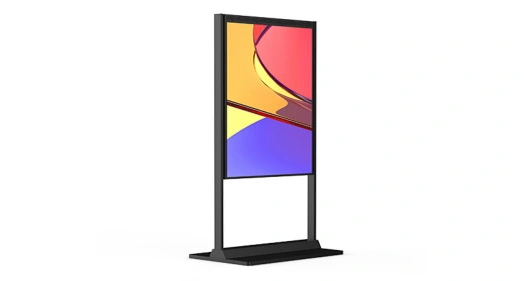
Understanding Semi-Outdoor Digital Signage and Its Unique Requirements
Semi-outdoor digital signage is a stylish option that falls somewhere between indoor screens and fully protected outdoor units. It is built into these screens so that they can handle some weather exposure while still providing great viewing performance in places where the natural light changes.
The basic features of semi-outdoor displays include light levels between 1,000 and 2,500 cd/m², which is much brighter than regular indoor displays but still uses less energy than full outdoor units. These systems use better LCD screens that handle heat better and have mild weather resistance ratings, usually reaching IP54 to IP65 levels of protection.
Applications in High-Traffic Environments
Covered areas like shopping mall doors, transportation hubs, stadium concourses, and hotel lobbies are great places for semi-outdoor displays. These places have their own problems, like lots of light from big windows, changing temperatures, and being around a lot of people all the time.
These displays are especially appealing to companies that want to balance the impact they have on customers with the costs of running them because they use little energy. Instead of full outdoor screens that need powerful cooling systems, semi-outdoor units use smart temperature management that changes based on the weather while keeping performance constant.
Technical Specifications for Durability
High Tni liquid crystal technology is used in modern semioutdoor digital signage screens to keep the panels from turning black when they are in full sunlight. The top glass usually has chemical tempering and anti-reflective coatings to make it more durable against accidents and weather stress.
By understanding these specs, procurement professionals can find solutions that meet the needs of their unique setting while avoiding over-specification, which drives up project costs for no reason.
Key Considerations Before Installing Semi-Outdoor Digital Signage
A thorough site assessment and choosing gear that fits practical needs are the first steps to a successful installation. The long-term success and return on investment of your digital signage rollout depend on this planning step.
Site Assessment and Environmental Analysis
The position of the installation needs a careful study of the light levels at different times of the day and in different seasons. Even in covered places, direct sunlight can make it hard to see on a device, so it needs to have higher brightness requirements.
The best placing angles and screen direction are affected by how traffic flows. Peak viewing times and the types of people who watch help decide how material should be scheduled and what kinds of interactive features are needed. The choice about how thick the protective glass should be and how high it should be mounted is also based on how likely it is that vandalism will happen in high-traffic places.
The necessary safety rates are set by things like changes in temperature and humidity, as well as exposure to dust or moisture. Even places that are closed can have a lot of weather stress that shortens the life of displays.
Hardware Selection and Compatibility
When picking the right screen sizes and resolutions, you have to think about how far away you want to look at the screen and how much you can spend. When the screen is bigger or the viewing distance is closer, 4K resolution is needed. For apps where the viewing distance is farther, Full HD resolution may be enough.
When choosing tools for semi-outdoor digital signage, these are the main things to think about:
• Brightness Needs: Choose screens with 1,500 to 2,500 cd/m² of brightness for places that get a lot of natural light.
• Resolution Standards: 4K displays offer better picture quality for screens bigger than 55 inches or closer than 10 feet away.
• Touch Capabilities: For interactive features to work, you need industrial-grade touch sensors made for high-traffic areas.
• Connectivity Options: Make sure it works with the network hardware and content management tools you already have.
Because these hardware choices have a direct effect on how hard the installation is and how well it works in the long run, early design is very important for the success of the project.
To connect to current content management systems, you need to check how well they connect to the network, how much power they need, and whether they work with media players. A lot of businesses don't think about the changes that need to be made to their systems to support new digital sign deployments.
Power and Infrastructure Planning
Electrical needs for semioutdoor digital signage displays often go beyond what a normal outlet can handle, especially for bigger screens that can be brighter. A professional electrical review makes sure that there is enough power and good wiring to keep people safe in public places.
Planning for network connection needs to take into account both setting up the network and updating material over time. Wired links work the best and are the most reliable. Wireless options give you more installation options, but they may not send material as reliably in areas with a lot of traffic or interference.
Step-by-Step Installation Process for Semi-Outdoor Digital Signage
Professional installation follows an organized process that makes sure everything is safe, legal, and working at its best. These steps cut down on downtime and the chance of having to pay a lot of money to restart something because the first setup wasn't done right.
Pre-Installation Planning and Permits
Installing digital signs often needs a permit from the local government, especially in public areas or places with strict design rules. Working together with local officials and building managers can help avoid expensive delays and make sure that safety rules are followed.
As part of preparing a site for installation, structural soundness for mounting, electrical capacity, and safe storage for tools during installation must all be checked. Professional fitters take final measurements and check for ease to make the installation go as quickly as possible.
Mounting and Positioning Techniques
In places with a lot of foot traffic, where people and tools could bump into displays, it is very important that they are mounted securely. For wall-mounted setups, the anchoring systems need to be strong enough to hold the weight of the display plus any movement caused by wind or shaking.
When hanging something, it has to be carefully placed so that the viewing angles are best while still leaving enough space for air flow and service access. In public places, valuable equipment is kept safe with anti-theft gear and links that can't be changed.
Managing cables correctly keeps things looking neat and safe by keeping connections from getting damaged or exposed to the elements. In semi-outdoor settings, conduit systems add extra safety for power and data lines.
Electrical and Network Configuration
For expensive show equipment, electrical lines must meet area safety standards and have the right surge protection. Ground fault circuit interrupters (GFCI) are usually needed in places where water might get in.
Configuring a network means setting up safe links for sending information and putting in place the right firewalls and access controls. Testing connection under different load situations is part of professional installation to make sure it works reliably.
Testing and Calibration Procedures
Before final acceptance, thorough testing makes sure that all show functions, connections, and environmental reactions work as expected. Brightness calibration makes sure that vision is best in real-world situations while using the least amount of energy possible.
A lot of testing needs to be done on interactive features to make sure they work correctly and respond to touch in different lighting conditions. Integration testing of a content management system shows that tracking and updates can be done remotely and reliably.
As part of the final check, all installation factors, warranty information, and upkeep needs are written down. This paperwork is very important for ongoing help and guarantee claims.
Maintaining and Optimizing Performance Post-Installation
Proactive upkeep and performance tracking are essential to the long-term success of semi-outdoor digital signage projects. Regular servicing keeps small problems from turning into expensive fails and extends the life of the monitor.
Routine Maintenance Requirements
For cleaning semi-outdoor displays, you need to use certain methods and materials that protect the surfaces while getting rid of dirt and other natural pollutants. Normal glass cleaners can damage anti-reflective surfaces, so it's important to use the right tools for cleaning.
Here are the upkeep tasks that must be done for the best performance:
• Cleaning once a week: Use approved cleaning products and cotton cloths to get rid of dust and fingerprints.
• Once a month, check all the links, mounting tools, and protective cases for damage or signs of wear.
• Calibration every three months: check the brightness levels and color precision to keep the quality of the image uniform.
• Professional Service once a year: full check of all interior parts and preventative maintenance
These maintenance tasks make displays last a lot longer while keeping their professional look and usefulness, which makes the original investment worthwhile.
Firmware changes fix problems with interaction with new content management systems and add new features and security patches. Setting up update plans reduces downtime and ensures peak efficiency.
Performance Monitoring and Analytics
Modern semioutdoor digital signage systems give you a lot of information about how the displays are working, how people are engaging with the material, and the surroundings. This information lets you plan proactive maintenance and improve material based on how people actually use it.
Monitoring the temperature helps find problems with the cooling system before they ruin the display. Brightness monitors change the output of the display automatically to keep it as clear as possible while using as little power as possible and making the parts last longer.
Content data show the best times to watch and how people interact with content, which helps with planning content and advertising value propositions. This information is very important for showing return on investment and making the best use of the content schedule.
Warranty Management and Support
To handle warranties well, you need to keep thorough records of the installations and build relationships with qualified service providers. For high-value installations, extended warranty choices from reliable makers offer extra safety.
When a display fails, and it could affect business operations or advertising responsibilities, emergency support processes make sure that help is sent out quickly. Many makers offer support services 24 hours a day, 7 days a week, which keeps downtime costs to a minimum.
Selecting Reliable Suppliers and Installation Services
Picking sources and installers with a lot of experience has a big effect on both how well the installation goes right away and how reliable the system is in the long run. There are a lot of different makers in the semi-outdoor digital signage market, and their quality standards and customer service skills range.
Manufacturer Evaluation Criteria
Global leaders in technology like Samsung, LG, and Uniview Commercial offer clear technical benefits and full support services. To judge a manufacturer's skills, you need to look at more than just the product specs. You also need to look at their world support system and the customization options they offer.
Quality certifications, like ISO standards, and meeting foreign safety standards are signs of reliable and excellent making. Energy efficiency scores and environmental compliance badges show that a business is committed to running in a way that is good for the environment.
Installation Provider Selection
Installers with a lot of experience know how to work in semi-outdoor spaces and follow the rules in your area. Their knowledge keeps people from making common installation mistakes that can hurt the performance of the show or put people in danger.
Installers who are qualified keep up-to-date certifications in electrical work, structure fixing, and setting up networks. They also have the right insurance to cover any injuries or damages that might happen during the installation.
Procurement Strategy and Partnership Benefits
Strategic connections with suppliers allow for discounts when buying in bulk and the chance to customize displays to meet the needs of business branding. When you have a long-term relationship, you often get better prices and faster customer service.
Leasing choices give companies that want to use the newest display technology while keeping costs low the freedom to do so. Maintenance services that make ongoing operations simpler are often part of these agreements.
Negotiating full-service packages that include installation, upkeep, and help with content management makes project management easier and makes sure that service quality is the same in all places.
Conclusion
To get the best results when installing semi-outdoor digital signage, such as semioutdoor digital signage displays in places with a lot of foot traffic, careful planning, high-quality equipment selection, and expert installation are necessary. A thorough site inspection, the right hardware specifications, and structured installation processes that make sure safety and compliance are all necessary for success. Maintenance and performance tracking keep the investment's worth high while increasing audience participation and operating efficiency. Working with suppliers and installers who have a lot of experience makes projects go much more smoothly and systems last longer.
FAQ
Q: What brightness level is required for semi-outdoor digital signage in high-traffic areas?
A: Semi-outdoor screens in high-traffic places usually need brightness levels between 1,500 and 2,500 cd/m² to stay visible in a range of lighting conditions. In places that get a lot of natural light, displays that are closer to the brighter end of this range may work best. On the other hand, displays that are closed up and don't get much direct sunlight can work just fine in less bright places.
Q: How long does professional installation typically take?
A: How long a professional installation takes depends on the size of the display, how hard it is to place, and what kind of equipment is needed. Installation of a single monitor usually takes between 4 and 8 hours, which includes fixing, wiring, and testing. It might take one to two days to fully set up and calibrate an interactive work with many screens or a lot of them.
Q: What maintenance schedule is recommended for optimal performance?
A: Maintenance suggestions include cleaning once a week, checking connections once a month, calibrating every three months, and getting professional service once a year. This plan keeps the environment from getting damaged, keeps the picture quality at its best, and extends the life of the display in tough semi-outdoor circumstances.
Q: Can existing content management systems integrate with new displays?
A: Most current semi-outdoor screens work with common networking protocols and can connect to content management systems that are already in place. But checking for compatibility during the planning stage makes sure that everything works together smoothly and stops expensive changes from having to be made after installation.
Partner with Uniview Commercial for Your Semioutdoor Digital Signage Solution
Providing cutting-edge LCD and LED display systems designed for high-traffic environments, Uniview Commercial is your go-to provider for semi-outdoor digital signage. Our screens have advanced thermal management, security grades of IP65/IP66, ultra-clear AR glass technology, and can get as bright as 4000 nits. We offer full customization services, extended warranties of 3 to 5 years, and 24-hour expert help backed by foreign insurance coverage. We have worked with partners in more than 100 countries for more than 10 years. Get in touch with us at sales@univiewlcdisplay.com to talk about your project needs and find out why top brands choose Uniview Commercial for reliable, high-performance digital signage options.
References
1. Digital Signage Installation Standards and Best Practices for High-Traffic Environments, International Sign Association Technical Manual, 2023.
2. Semi-Outdoor Display Technology: Performance Requirements and Installation Guidelines, Society for Information Display Research Report, 2024.
3. Environmental Protection Standards for Digital Signage in Covered Public Spaces, Institute of Electrical and Electronics Engineers Standards Publication, 2023.
4. High-Traffic Area Digital Signage: Durability Testing and Performance Metrics, Display Industry Research Association White Paper, 2024.
5. Power and Connectivity Requirements for Commercial Digital Signage Installations, National Electrical Contractors Association Technical Guide, 2023.
6. Maintenance Protocols for Semi-Outdoor Digital Display Systems, Commercial Display Manufacturers Alliance Best Practices Manual, 2024.
Learn about our latest products and discounts through SMS or email