- English
- French
- German
- Portuguese
- Spanish
- Russian
- Japanese
- Korean
- Arabic
- Greek
- German
- Turkish
- Italian
- Danish
- Romanian
- Indonesian
- Czech
- Afrikaans
- Swedish
- Polish
- Basque
- Catalan
- Esperanto
- Hindi
- Lao
- Albanian
- Amharic
- Armenian
- Azerbaijani
- Belarusian
- Bengali
- Bosnian
- Bulgarian
- Cebuano
- Chichewa
- Corsican
- Croatian
- Dutch
- Estonian
- Filipino
- Finnish
- Frisian
- Galician
- Georgian
- Gujarati
- Haitian
- Hausa
- Hawaiian
- Hebrew
- Hmong
- Hungarian
- Icelandic
- Igbo
- Javanese
- Kannada
- Kazakh
- Khmer
- Kurdish
- Kyrgyz
- Latin
- Latvian
- Lithuanian
- Luxembou..
- Macedonian
- Malagasy
- Malay
- Malayalam
- Maltese
- Maori
- Marathi
- Mongolian
- Burmese
- Nepali
- Norwegian
- Pashto
- Persian
- Punjabi
- Serbian
- Sesotho
- Sinhala
- Slovak
- Slovenian
- Somali
- Samoan
- Scots Gaelic
- Shona
- Sindhi
- Sundanese
- Swahili
- Tajik
- Tamil
- Telugu
- Thai
- Ukrainian
- Urdu
- Uzbek
- Vietnamese
- Welsh
- Xhosa
- Yiddish
- Yoruba
- Zulu
How to maintain and clean semioutdoor digital signage displays?
To clean and maintain semioutdoor digital signage displays, you need a plan that takes into account the problems these semioutdoor digital signage displays face when they are in and out of doors. These systems are put under stress by dust, humidity, changes in temperature, and being outside in some weather, so they need special care procedures. Cleaning screens on a daily basis, keeping them dry, controlling the temperature, and using professional cleaning products made for bright LCD and LED screens are all part of proper upkeep. Good care increases the life of the display, keeps the brightness at the right level, and makes sure that it works consistently in challenging semioutdoor circumstances.
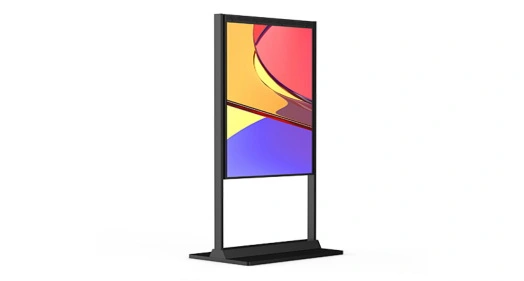
Understanding Semi-Outdoor Digital Signage Maintenance Challenges
When it comes to upkeep, semi-outdoor display setups are very different from those that are fully indoor or fully outdoor. Most of the time, these displays are set up in covered areas, like bus stops, shopping mall doors, or building overhangs, where they are partially exposed to the elements.
Environmental Factors Affecting Display Performance
Due to its unique location, semi-outdoor digital signage exposes people to a number of environmental stresses at the same time. During the day and night, changes in temperature cause display parts to expand and contract, which could affect the integrity of the LCD screen and the security of the mounting hardware. In semi-covered areas, humidity levels change a lot, which can lead to condensation problems that can hurt electronics inside and make the screen less clear.
Another big problem is that dust builds up because semi-outdoor areas are often more exposed to particles than indoor areas and don't have the strong closing systems of fully weatherproof outdoor displays. Airborne particles can land on screen surfaces and lower the brightness while also creating visible artifacts that lower the quality of the display.
Common Issues and Their Impact
The biggest danger to semi-outdoor display systems is that they can get wet. LCD controls, power supply units, and LED display systems can be badly damaged by even a small amount of water getting in. Studies show that about 40% of early display changes in semi-outdoor setups are caused by problems related to moisture.
Exposure to the world can damage a screen by making it less bright, changing the colors, and creating dead pixels. Most of the time, these problems show up slowly over time. To avoid expensive repairs, it's important to find them early through regular upkeep checks. The amount of energy used goes up because screens have to work harder to keep their light levels when they get dirty and other outdoor residue on them.
Step-by-Step Guide to Cleaning Semi-Outdoor Digital Signage
Following the right cleaning steps will protect your expensive semioutdoor digital signage investments and keep them working at their best. To keep sensitive display parts from getting damaged, the cleaning process needs to be carefully planned out and done with the right tools.
Pre-Cleaning Preparation and Safety Measures
There must be clear safety rules in place before any cleaning can begin. To keep electrical dangers from happening and to keep internal parts from getting damaged by water while cleaning, the power must be turned off. After being turned off, display screens need at least 30 minutes to cool down so that cleaning solutions don't cause heat shock.
An review of the environment helps figure out how often and how hard to clean. Displays that are in areas with a lot of foot traffic and a lot of dust need to be cleaned more often than those that are in semi-outdoor, covered areas. The weather should be watched to make sure that cleaning takes place during dry times when the humidity stays below 70%.
Cleaning Procedures for Different Display Technologies
Anti-reflective films and polarizing filters need extra care when used on LCD screens. Screen coverings can't be damaged by cleaning products that are acidic or basic, and they can't contain alcohol either. When cleaning optical surfaces, microfiber cloths that are made just for them work well without hurting delicate display surfaces.
Because of the way their pixels are structured and how bright they are, LED screens need different ways to be cleaned. Individual LED units can be damaged by high-pressure cleaning methods, so gentle cleaning methods are needed. After cleaning, you may need to calibrate the brightness to get it back to its best performance level.
The first step in cleaning is getting rid of dust by using compressed air or soft brushes to get rid of small particles. To clean screen surfaces gently, use damp microfiber cloths to move in circles, moving from top to bottom in parts that meet. External parts like ventilation grilles, mounting clamps, and protection housings need to be cleaned thoroughly to keep the structure strong and allow air to move properly.
Best Practices for Maintaining Optimal Performance
Proactive repair plans greatly increase the life of displays while lowering their running costs. Scheduling regular inspections helps find problems early on, before they get worse and cost a lot to fix.
Routine Inspection and Preventative Maintenance
Visual checks should be done once a month to check the screen's clarity, brightness, and signs of physical damage. Monitoring the temperature helps find problems with the cooling system that could cause parts to break. Internal temperature monitors can let you know quickly when thermal control systems need to be fixed.
Monitoring performance includes checking the light level and making sure the colors are correct. Professional-grade light meters help you set starting points for measuring how much the brightness is decreasing over time. Digital signage control systems can be monitored from afar, sending repair teams alerts when performance issues need to be looked into.
Diagnostic Procedures and Professional Service Integration
Systematic testing methods are needed to find problems early on. Problems with flickering usually mean that the power supply is broken or that electrical connections are loose and need to be fixed right away by a professional. Dimmer issues could mean that the LED backlight is breaking down or that the heat management isn't working right, which needs to be looked at by a professional.
When diagnostic tests show complicated technology problems with semioutdoor digital signage, professional service integration becomes a must. Major fixes and part replacements can be done at a low cost with warranty coverage and maker support programs. By working with approved service providers, you can be sure that you will have access to real replacement parts and techs who have been trained by the manufacturer.
Comparison and Evaluation of Maintenance Solutions for Semi-Outdoor Digital Signage
Modern ways of maintaining things are much better than the old ways of cleaning. More protection and better function are provided by new protective technologies and professional service choices.
Advanced Protective Technologies
For semi-outdoor digital signage systems, protective coating techniques have long-term advantages. Hydrophobic coats make it easier to clean and stop water from sticking to surfaces while also protecting against it getting in. Anti-static treatments keep dust from sticking to surfaces, which means they don't need to be cleaned as often.
Automated cleaning systems are the most up-to-date way to keep expensive setups in good shape. These systems set regular cleaning plans that don't need to be done by hand. This makes sure that the displays work at their best while also cutting down on labor costs. When cleaning activities are coordinated with building management systems, they work with general maintenance plans for the building.
Professional Service Evaluation
Leading makers offer full upkeep plans that are designed for use in partially outdoor settings. Service packages usually come with schedules for regular maintenance, covering for emergency repairs, and promises that replacement parts will be available. Programs that offer extended warranties give you extra safety beyond the normal coverage times.
According to a cost-benefit study, proactive maintenance plans can cut the total cost of ownership by as much as 35% compared to reactive repair plans. Regular maintenance keeps small problems from turning into big ones, and professional service programs help you plan your maintenance budget and lower the risk of downtime.
Installation and Environmental Considerations to Minimize Maintenance
Strategic planning for semioutdoor digital signage installation cuts down on long-term upkeep needs and costs by a large amount. Placement and environmental safety steps that are done right make things last longer and work better every time.
Optimal Placement and Mounting Solutions
The position of an installation affects how often and how hard it is to do upkeep. Display parts are less likely to be damaged by the environment when they are in protected places that don't get much direct weather. Having enough space for air makes sure that heat is properly managed and makes upkeep easier.
The design of a mounting device affects both safety and the ease of upkeep. Anti-theft fixing clamps keep things safe while still letting people who are supposed to be there clean and service the equipment. Managing cables correctly keeps electrical connections dry and makes it easier to figure out what's wrong when they do happen.
Weather Resistance Features and Customization
The IP rating specifies the amount of safety against dust and water getting in. Digital signs that are partially outside usually need to be rated IP65 or IP66 to be safe in places that are partly uncovered. These rates make sure that you are safe from dust and water spray from many directions.
Customization based on climate helps with environmental problems in different areas. Extreme temperatures need better thermal management systems, and places with a lot of humidity need extra steps to protect against wetness. In seaside or industrial areas with harsh weather, materials and surface treatments that prevent corrosion can make things last longer.
Conclusion
For effective care of semioutdoor digital signage, you need to know the specific problems these semioutdoor digital signage screens face when they are in partly protected areas. Regular cleaning plans, the right tools, and skilled service integration all work together to make sure that equipment works at its best and lasts as long as possible. When compared to reactive fix methods, proactive maintenance strategies save a lot of money while keeping the quality of the show the same. Long-term upkeep needs are kept to a minimum by careful planning of installations and environmental protection measures. This protects valuable digital sign investments in tricky semioutdoor settings.
FAQ
Q: How often should semi-outdoor digital displays be cleaned?
A: How often you clean relies on the surroundings and the amount of exposure in the area. High-traffic areas that get a lot of dust usually need to be cleaned once a week, while semi-outdoor areas that are covered may only need to be cleaned every two to three weeks. As part of the monthly deep cleaning process, the air system should be maintained, and all of its parts should be inspected carefully.
Q: What cleaning materials are safe for display screens?
A: Cleaning products made just for LCD and LED screens that are pH-neutral and don't contain alcohol are safe and efficient. Optical surfaces can be cleaned thoroughly with microfiber cloths that are made just for them. Cleaners with ammonia, rough materials, or high-pressure water systems can damage the layers on the screen and the parts inside.
Q: Should maintenance be performed in-house or by professionals?
A: Facility maintenance staff who have been taught and have the right tools and supplies can do simple checks and routine cleaning. To keep the warranty valid and avoid damage, only trained professionals should do complicated troubleshooting procedures, access internal parts, and provide warranty-related service. When working with electricity problems or broken parts, it's important to get professional help.
Q: What are the warning signs that indicate immediate professional service?
A: If you see flickering screens, hear strange noises from cooling fans, see moisture inside display housings, or notice big changes in brightness, you need to get professional help right away. Temperature alerts from tracking systems and problems with the power supply are also signs that the problem needs to be diagnosed and fixed by a professional to stop it from getting worse.
Partner with Uniview Commercial for Professional Semi-Outdoor Digital Signage Solutions
With cutting-edge display solutions designed for difficult semi-outdoor settings, Uniview Commercial is your reliable semi-outdoor digital signage provider. Our high-tech LCD and LED screens have weather protection grades of IP65/IP66, can hit 4000 nits of brightness, and have smart thermal management systems that make them work reliably in a variety of environments. We offer a full warranty that lasts for three to five years, as well as global support 24 hours a day, seven days a week. We also offer full upkeep instructions and professional service plans that are tailored to your installation needs. Email our knowledgeable staff at sales@univiewlcdisplay.com to talk about unique care plans and find out how our tried-and-true display technologies can improve the performance of your semi-outdoor digital signage.
References
1. Digital Signage Federation. "Environmental Impact Assessment Guidelines for Semi-Outdoor Display Installations. "Technical Standards Publication," 2023.
2. Institute of Electrical and Electronics Engineers. "Moisture Protection Standards for Electronic Display Systems in Partially Protected Environments." IEEE Standards Document 2022-45.
3. International Display Manufacturing Association. "Best Practices for LCD and LED Display Maintenance in Variable Environmental Conditions." Industry Guidelines Manual, 2023.
4. Society for Information Display. "Thermal Management Requirements for High-Brightness Digital Signage Applications." Technical Research Report, 2022.
5. American National Standards Institute. "Safety Protocols for Cleaning and Maintaining Commercial Electronic Displays." ANSI Safety Guidelines, 2023.
6. European Committee for Standardization. "IP Rating Requirements for Semi-Outdoor Electronic Equipment Installations." EN Standards Documentation, 2022.



Learn about our latest products and discounts through SMS or email