- English
- French
- German
- Portuguese
- Spanish
- Russian
- Japanese
- Korean
- Arabic
- Greek
- German
- Turkish
- Italian
- Danish
- Romanian
- Indonesian
- Czech
- Afrikaans
- Swedish
- Polish
- Basque
- Catalan
- Esperanto
- Hindi
- Lao
- Albanian
- Amharic
- Armenian
- Azerbaijani
- Belarusian
- Bengali
- Bosnian
- Bulgarian
- Cebuano
- Chichewa
- Corsican
- Croatian
- Dutch
- Estonian
- Filipino
- Finnish
- Frisian
- Galician
- Georgian
- Gujarati
- Haitian
- Hausa
- Hawaiian
- Hebrew
- Hmong
- Hungarian
- Icelandic
- Igbo
- Javanese
- Kannada
- Kazakh
- Khmer
- Kurdish
- Kyrgyz
- Latin
- Latvian
- Lithuanian
- Luxembou..
- Macedonian
- Malagasy
- Malay
- Malayalam
- Maltese
- Maori
- Marathi
- Mongolian
- Burmese
- Nepali
- Norwegian
- Pashto
- Persian
- Punjabi
- Serbian
- Sesotho
- Sinhala
- Slovak
- Slovenian
- Somali
- Samoan
- Scots Gaelic
- Shona
- Sindhi
- Sundanese
- Swahili
- Tajik
- Tamil
- Telugu
- Thai
- Ukrainian
- Urdu
- Uzbek
- Vietnamese
- Welsh
- Xhosa
- Yiddish
- Yoruba
- Zulu
Semi-Outdoor Digital Signage for Shopping Malls and Retail
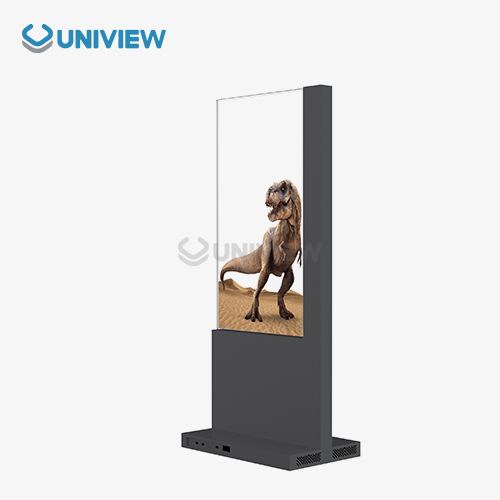
Semi-Outdoor digital signage is a special kind of display technology that works best in places where indoor screens don't work and fully protected outdoor systems are too expensive. These displays are used at the entrances to shopping malls, on covered walkways, at transit hubs, and in semi-exposed business areas that need good visual performance but not too much environmental protection. Semi-Outdoor digital signage is different from regular indoor displays because it has higher brightness levels, weather-resistant enclosures, and thermal management systems that deal with the problems that come with partially sheltered spaces while still getting your brand's message across to busy shoppers.

What is Semi-Outdoor Digital Signage and Why It Matters in Retail and Shopping Malls
Defining Semi-Outdoor Display Technology
Semi-Outdoor digital signage refers to digital screens that are made to work in places with mild environmental stress and indirect sunlight. In terms of temperature control, these projects are in the middle ground between fully exposed outdoor areas and climate-controlled indoor spaces. There are many semi-outdoor areas in shopping malls, such as covered parking lots, open-air atriums, the edges of food courts, and shops outside with protective overhangs. Throughout the day, the lighting changes greatly in these areas. Technical details set Semi-Outdoor digital signage apart from regular indoor screens. The brightness output is usually between 1,500 and 2,500 nits, which is brighter than the 300 to 500 nits of most indoor screens. This higher brightness makes it easier to read when natural light is competing with computer material. Protective glass with anti-glare treatments cuts down on shadows that make it harder to see during the hottest parts of the day.
Weather Resistance Without Full Outdoor Certification
For Semi-Outdoor digital signage setups, protection against wetness, dust, and changes in temperature is needed, but not as much as is needed for fully outdoor settings. Moderate IP ratings, like IP54 to IP65, are good enough to protect against dust and water splashes without the extra cost of IP66 or IP67 ratings, which are needed for direct rain exposure. Temperature control systems keep things running smoothly over a wider range of temperatures than indoor screens can. The weather inside and outside of stores changes a lot, especially when it comes to heating and cooling. In the winter, internal heating elements keep the computer from not being able to start up, and in the summer, smart air systems get rid of the heat that high-brightness backlights produce.
Enhancing Customer Engagement in Retail Environments
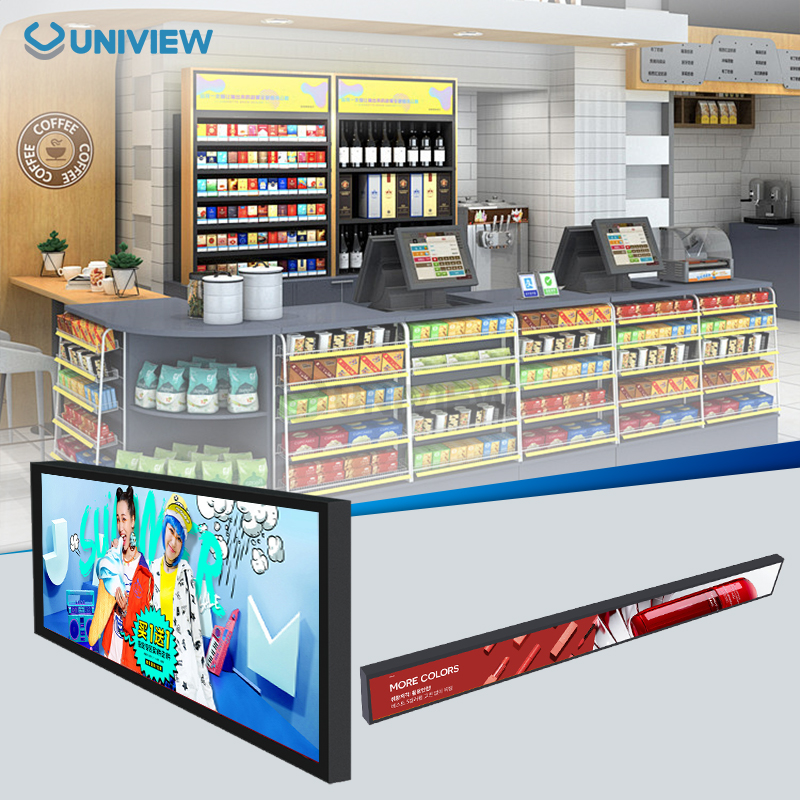
To get people's attention at key choice spots, shopping malls use Semi-Outdoor digital signage. Dynamic promotional content on entrance displays welcomes guests, directory screens help customers find their way around complicated store layouts, and storefront installs show off goods to people walking by. Increased brightness and color ratios of Semi-Outdoor digital signage make them stand out in naturally lit areas, sending messages that indoor screens can't convey as clearly. When a store has hundreds of displays spread out in different places, energy economy is an important thing to think about. Semi-Outdoor digital signage uses more power than indoor versions because the backlights are brighter, but new LED technology and smart dimming routines make the best use of energy based on sensors that sense ambient light. Because of this mix between efficiency and running cost, Semi-Outdoor digital signage can be used for long periods of time, which is popular in retail settings.
Semi-Outdoor vs Outdoor and Indoor Digital Signage: Making the Right Choice
Performance Comparison Across Categories
When used inside, digital signs work best in controlled settings with uniform lighting and temperature. These screens are very cheap and show colors very accurately, but they stop working in direct sunlight or when the temperature changes a lot. When a show has to work in a covered hallway exposed to the weather, indoor standards are no longer enough. Digital signs that are completely outside can handle straight rain, temperatures ranging from -40°C to +55°C, and constant sunlight. These tough systems have special high-Tni liquid crystal panels that keep the screens from blackening in extreme heat, galvanized steel cases with coatings that resist rust, and advanced temperature control systems. However, outdoor screens are more expensive—often twice or three times as much as semi-outdoor options—and need more complicated installation systems, such as electrical links that can withstand weather and structural mounting that can handle high wind loads.
Cost-Benefit Analysis for Retail Applications
For places that need to protect the environment but don't need full outdoor-grade specs, Semi-Outdoor digital signage offers the best value. The builders of shopping malls create shaded areas that protect displays from direct rain while still letting air flow and natural light in. This physical reality works perfectly with the ability to show things partially outside. Another benefit is that installation can be done in different ways. Standard business hardware is used to place Semi-Outdoor digital signage, so they don't need the extra structural support that outdoor installs need. Normal business building rules are used for electrical connections instead of special standards for weatherproofing. When techs can repair displays without having to take off a lot of weatherproofing, they can do their jobs more easily.
Integration with Existing Infrastructure
Networked content management systems are being used more and more in retail settings to handle dozens or even hundreds of screens from a central location. Using standard Ethernet, WiFi, or cellular connections, Semi-Outdoor digital signage interacts with these networks without any problems. Semi-Outdoor digital signage links through standard IT infrastructure, unlike fully outdoor installations that need extra safety steps for network equipment. Interactive touchscreens, NFC payment integration, and mobile device connection are all parts of modern store signage systems. It is more reliable for these features to work on Semi-Outdoor digital signage than on outdoor displays because mild weather conditions put less stress on touch sensors and computer parts. Semi-Outdoor digital signage works better for advanced features like interactive wayfinding, virtual try-on apps, or self-service booths that retailers want to use to get customers more involved.
Selecting the Best Semi-Outdoor Digital Signage for Shopping Malls and Retail
Critical Technical Specifications
Before you can judge Semi-Outdoor digital signage screens, you need to know about IP (Ingress Protection) grades. IP54 approval protects against dust buildup and water splashes from all directions, which is good enough for most outdoor mall areas. IP65 completely seals out dust and protects against water jets, making it a good choice for places where the weather can get in during storms. Higher grades make things more expensive without really helping in semi-outdoor situations. Screen brightness has a direct effect on how well you can see in different lighting situations. We suggest that areas that are covered and get a lot of indirect sunlight should have a minimum brightness level of 1,500 nits. Areas that get full sunlight during parts of the day should have a minimum brightness level of 2,000 to 2,500 nits. When you combine high-brightness LCD screens with anti-reflective glass, you get the best viewing and better power management than with LED video walls.
Thermal Management and Reliability
Professional Semi-Outdoor digital signage is different from consumer-grade screens because it has an internal temperature control system. Uniview's commercial engineering teams set up smart climate control systems that keep an eye on the temperatures inside all the time. When the temperature inside goes above what is considered safe, automatic cooling starts using better airflow design instead of using a lot of energy for air conditioning. This method keeps parts lasting longer without adding too much to the cost of running the business. Before being used, thermal stress testing makes sure that the monitor is reliable. Reputable makers keep the units running all the time at temperatures that cycle between -20°C and +50°C, which simulates years of weather changes. Displays that pass these stress tests show that they are durable enough for store clients to use in setups that will be used 16 to 18 hours a day for several years.
Leading Manufacturer Capabilities
Each global maker brings something different to the market for Semi-Outdoor digital signage. Samsung puts a lot of effort into coming up with new ideas for display panels. Quantum dot technology makes colors look more vibrant in bright rooms. LG focuses on content management systems built on webOS that make it easier to coordinate networks with multiple displays. Philips focuses on making designs that use less energy, which lowers the total cost of ownership by using less power. Uniview Commercial stands out because it can be customized to meet the needs of individual retailers. Our tech teams work with procurement managers to make sure that the display's size, mounting options, and connecting choices are all perfect for the installation. This versatility comes in handy when adding screens to parts of buildings that are already there or when working with custom content management systems.
Installation and Maintenance Protocols
Long-term success depends on how well something was installed. Semi-Outdoor digital signage needs to be mounted securely so that it doesn't move when people walk by or the building moves. Electrical lines need to be able to handle the power needs of high-brightness displays, which are usually between 300 and 500 watts for 55-inch screens. Circuit protection is needed to keep damage from power spikes that happen a lot in business electrical systems. Regular repair greatly increases the life of a process. Cleaning monitor screens every three months gets rid of the dust that builds up and lowers the quality of the images. Once a year, the ventilation system is inspected to make sure it works right, and the wire links are checked for rust. Uniview Commercial helps its customers by giving them thorough maintenance plans and the ability to do remote diagnostics that find problems before they happen at crucial shopping times.
Procurement Guide for Semi-Outdoor Digital Signage: Costs, Suppliers, and Purchasing Tips
Understanding Total Cost of Ownership
Aside from buying hardware, investing in Semi-Outdoor digital signage includes other things as well. When you make a full budget, you include things like installation work, upgrades to the electrical equipment, a license for content management software, and ongoing support. Transparent sellers break down all of their prices in a way that makes it easy to plan your budget.
The price of hardware depends on its features. Standard 55-inch Semi-Outdoor digital signage screens with an IP54 grade and a brightness of 1,500 nits usually cost between $2,500 and $4,000 each from well-known sellers. Unit prices go up by the same amount when specifications call for higher brightness (2,500+ nits), bigger sizes (65-75 inches), or better weatherproofing (IP65). Manufacturers like Uniview Commercial offer volume purchasing programs with graduated savings that make large-scale operations more cost-effective. The cost of installation depends on how complicated the job is and how the place is set up. It costs $300 to $600 per display to place it on the wall of a covered walkway with an outlet close. Freestanding setups that need special foundations, power runs that don't get damaged by the weather, and advice from structural engineers can cost up to $2,000 to $3,000. Accurate site studies done during the planning stages keep the budget from being a surprise during the implementation phase.
Evaluating Supplier Credentials
Choosing a supplier has a huge effect on the success of a project. Industry qualifications like ISO 9001 for quality management, CE compliance for electrical safety, and RoHS compliance for environmental standards show that well-known makers can be trusted. These certificates are proof of a company's dedication to making high-quality products, not just marketing claims. Case studies and comments from clients are great ways to learn about how well a company does their job. Procurement teams should ask for references from similar store setups and talk to facility managers directly about product reliability, how quickly the seller responds to installation problems, and the quality of after-sales support. Uniview Commercial has a lot of completed projects in the transportation, hotel, and retail industries, and potential clients can see proof of their success.
Warranty and Support Considerations
Having a full guarantee saves investments against breaking down too soon. Displays and parts come with standard three-year warranties, but some innovative sellers, like Uniview Commercial, offer longer five-year plans. The warranty terms should say how long it takes for expert help to respond, when replacement parts will be available, and whether service will be provided on-site. For retail groups with more than one site, global support infrastructure is important. When screens need to be fixed, suppliers that keep parts and service centers in different areas cut down on downtime. We offer online technical support 24 hours a day, 7 days a week, in multiple languages. This way, buying teams can get help no matter what time zone they are in or where the project is located. Through our agreements with China Pacific Insurance Company and foreign underwriters, we can back up our warranty promises with even more financial security.
Strategic Negotiation Approaches
When you commit to a certain amount of volume, you can get better prices. Retailers that want to roll out programs in more than one place over a period of time discuss framework deals that set unit prices, delivery dates, and support terms for the whole program. This method makes the budget more stable and guarantees that the buyer will stick to the same product specs over longer periods of time. Terms of payment affect how cash flows are managed. Standard business terms call for 30–50% down payments, with the rest due upon delivery. However, buyers who have bought from the seller before and have good credit may be able to negotiate longer payment terms. Uniview business works with business loan institutions to offer flexible financing choices and set up payment plans that work with clients' budget cycles.
Future Trends and Innovations in Semi-Outdoor Digital Signage for Retail
AI-Driven Content Intelligence
Semi-Outdoor digital signage goes from being an inactive display device to an intelligent interaction tool with the help of AI. Built-in cameras in more advanced systems look at how people walk by and change the material instantly based on viewer demographics, dwell times, and attention measures. These findings can be used by retail settings to improve the timing and impact of promotional messages. Real-time content management systems that use machine learning algorithms can react to things like product levels, the weather, and local events. When it suddenly rains, ads for indoor dining choices go up, and when a product is sold out, the ads for it go away instantly. This dynamic response raises conversion rates by making sure that the content shown is always appropriate to the customer's current situation.
Sustainable Design Principles
Innovation in business display production is driven by concern for the environment. Next-generation Semi-Outdoor digital signage uses recycled materials to build its casing, which lowers the carbon footprint of getting raw materials. Using energy-efficient LED backlighting and environmental light sensors together cuts down on power use without affecting sight. Upgrades and fixes are easier with modular component design, which makes Semi-Outdoor digital signage products last longer. When brightness drops after years of use, techs don't replace whole screens; instead, they swap out the backlight modules of Semi-Outdoor digital signage to get the original performance. This method cuts down on electrical waste and lowers the total cost of ownership for store owners who are in charge of big display networks.
IoT Integration and Network Connectivity
Semi-Outdoor digital signage can act as nodes in larger smart building environments thanks to Internet of Things connectivity. Displays send information about operating state, energy use, and repair needs to centralized platforms for facility management. Predictive analytics can tell when parts are getting close to the end of their useful life, which leads to changes before they break down during busy shopping times. 5G cellular connection gets rid of the need for real network hardware for installations in places where Ethernet cables aren't practical. High-bandwidth wireless links let you watch 4K material and talk back and forth in real time, which lets you use advanced interactive apps. Cloud-based content management tools let you view displays all over the world. This makes network management easier for store chains that do business in multiple countries.
Customization and Scalability
Modern strategies for buying things stress solutions that are flexible enough to meet changing business needs. Without changing the base display infrastructure, modular Semi-Outdoor digital signage structures enable gradual capability additions such as touchscreen overlays, payment devices, and RFID readers. This ability to be upgraded saves initial investments and keeps up with changes in technology. Standardized mounting interfaces and transmission methods make sure that different types of displays can work together. Retailers try to stay away from vendor lock-in, which happens when private systems force full replacements during upgrade rounds. Forward-thinking suppliers support open-standard methods that let different display brands work together in unified content management frameworks. This lets buyers make the best choices based on specific feature needs instead of ecosystem compatibility limits.
Conclusion
Semi-Outdoor digital signage meets the specific needs of store areas that are in the middle of being fully protected indoors and fully exposed outdoors. These specialized screens offer better brightness, some weatherproofing, and heat resistance at prices that are much lower than fully outdoor options. To make a good purchase, you need to look at technical specs like IP ratings and brightness levels, check the credibility of the seller by looking at qualifications like certifications and references, and know the total cost of ownership, which includes costs for installation and upkeep. Future innovations that use AI, sustainable design principles, and IoT connections will make things more useful, and buying strategies that focus on modular, upgradeable structures will protect investments from becoming outdated by new technology. When retailers work with experienced providers, they get advice on how to choose the best displays, have them installed by professionals, and get quick help when they need it. This helps retailers get the most out of their digital signage investments.
FAQ
1. What lifespan can we expect from semi-outdoor digital signage in typical retail conditions?
Depending on the brightness levels and runtime plans, professional-grade Semi-Outdoor digital signage screens made for business use have useful lives of between 50,000 and 100,000 hours. When used 16 hours a day, seven days a week, for eight years, displays hit 50,000 hours of work. How long something actually lasts depends on how well it is maintained, its surroundings, and how it is used. Regular cleaning, good airflow, and not using the brightest settings when they're not needed all greatly increase the service life well beyond the minimum requirements.
2. Can these displays handle extreme temperature fluctuations between seasons?
In order to keep internal working temperatures within safe ranges despite exterior changes, quality Semi-Outdoor digital signage uses thermal management systems. Intelligent heating elements make sure that the machine can start up reliably in cold weather down to -20°C, and automatic cooling keeps parts from breaking when the temperature peaks in the summer at +45°C. Temperature stress testing during production confirms performance across the wide range of seasonal extremes common in store settings. This gives installers faith in installing in areas from the north to the south.
3. What maintenance requirements ensure continuous operation?
As part of routine care, the outside is cleaned every three months to remove dust and dirt from air holes. The mounting hardware is checked once a year for loosening due to shaking, and the network connection is checked every so often. Most screens have remote diagnostic features that let expert teams keep an eye on performance data without having to go to the spot in person. Scheduling proactive repair for times of low traffic keeps operations running as smoothly as possible and extends the life of parts by finding problems early, before they cause displays to stop working.
Partner with Uniview Commercial for Your Semi-Outdoor Digital Signage Solutions
Uniview Business is ready to help your store go digital with Semi-Outdoor digital signage that is the best in its class and is made for tough business settings. As a reliable manufacturer with experience in shopping malls, business campuses, and transportation hubs around the world, we can make unique display solutions that fit your exact needs and budget. Our high-brightness LCD screens and semi-outdoor digital signage, which range from 2,000 to 4,000 nits, make it easy to see even in dim light, and their IP65/IP66 ratings make sure they are safe from the elements. Extended warranty coverage for three to five years, along with full global support and funding by China Pacific Insurance Company, covers your investment for as long as it works. Get in touch with our B2B solutions team at sales@univiewlcdisplay.com to talk about your project needs and get full technical specs that are made to fit your installation needs. We offer reasonable pricing for large orders, flexible payment plans, and full installation support to make sure that projects go smoothly and improve customer interaction and store performance.
References
1. Digital Signage Federation (2023). "Environmental Specifications for Commercial Display Applications: Indoor, Semi-Outdoor, and Outdoor Classifications." Industry Standards Publication.
2. Retail Technology Institute (2024). "Total Cost of Ownership Analysis for Digital Signage in Multi-Location Retail Environments." Research Report.
3. International Electrotechnical Commission (2022). "IEC 60529: Degrees of Protection Provided by Enclosures (IP Code) - Application Guide for Digital Display Equipment."
4. Society for Information Display (2023). "High-Brightness LCD Technology: Advances in Backlight Systems and Anti-Reflective Coatings for Commercial Applications." Technical Journal, Volume 31, Issue 4.
5. Building Owners and Managers Association (2024). "Energy Efficiency Best Practices for Commercial Digital Signage Systems in Mixed-Use Facilities." Sustainability Guidelines.
6. National Retail Federation (2023). "Customer Engagement Through Digital Signage: Effectiveness Studies in Shopping Mall and Retail Environments." Marketing Research Series.


Learn about our latest products and discounts through SMS or email