- English
- French
- German
- Portuguese
- Spanish
- Russian
- Japanese
- Korean
- Arabic
- Greek
- German
- Turkish
- Italian
- Danish
- Romanian
- Indonesian
- Czech
- Afrikaans
- Swedish
- Polish
- Basque
- Catalan
- Esperanto
- Hindi
- Lao
- Albanian
- Amharic
- Armenian
- Azerbaijani
- Belarusian
- Bengali
- Bosnian
- Bulgarian
- Cebuano
- Chichewa
- Corsican
- Croatian
- Dutch
- Estonian
- Filipino
- Finnish
- Frisian
- Galician
- Georgian
- Gujarati
- Haitian
- Hausa
- Hawaiian
- Hebrew
- Hmong
- Hungarian
- Icelandic
- Igbo
- Javanese
- Kannada
- Kazakh
- Khmer
- Kurdish
- Kyrgyz
- Latin
- Latvian
- Lithuanian
- Luxembou..
- Macedonian
- Malagasy
- Malay
- Malayalam
- Maltese
- Maori
- Marathi
- Mongolian
- Burmese
- Nepali
- Norwegian
- Pashto
- Persian
- Punjabi
- Serbian
- Sesotho
- Sinhala
- Slovak
- Slovenian
- Somali
- Samoan
- Scots Gaelic
- Shona
- Sindhi
- Sundanese
- Swahili
- Tajik
- Tamil
- Telugu
- Thai
- Ukrainian
- Urdu
- Uzbek
- Vietnamese
- Welsh
- Xhosa
- Yiddish
- Yoruba
- Zulu
Smart City Interactive Kiosks for Public Information
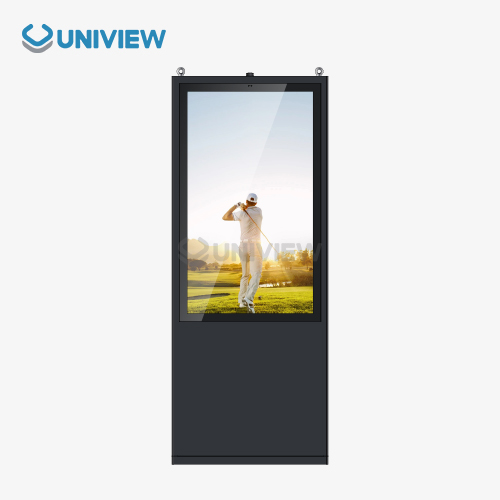
Smart cities' dual-sided interactive kiosks are being used more and more in big cities to get the word out to the general public. The smart communication hubs in these high-tech stations are changing how cities, transit agencies, and public places talk to their people. A smart city dual-sided interactive kiosk has synchronized touchscreen screens on both sides, so more than one person can use it at the same time to get directions, check transit plans, use city services, or get emergency alerts. Compared to traditional single-panel setups, this design doubles the number of people who can interact with it while taking up very little space in areas with a lot of foot traffic. As cities around the world adopt digital strategies, these machines fill the gap between what the government can provide and what people want: instant, easy access to information.

Understanding Dual-Sided Interactive Kiosks in Smart Cities
Intelligent cities need advanced systems for sharing information, and smart cities dual-sided interactive kiosks are at the forefront of this change. These sites combine industrial-grade hardware with flexible software ecosystems to make platforms that can be used by the public 24 hours a day, seven days a week.
Core Technology and Hardware Components
The display technology is the most important part of any solid smart cities dual-sided interactive kiosk. Commercial-grade LCD screens made by top manufacturers like LG, Samsung, or BOE provide the visual foundation. They usually work at brightness levels between 2000 and 4000 nits to ensure visibility even in direct sunlight in semi-outdoor settings. With response times of less than 5 microseconds, these screens can respond to 10 points of touch. They use projected capacitive (PCAP) touch technology. The protective layer is made up of 4-6 mm toughened glass that has been coated with anti-glare and anti-reflective materials. It has a Mohs hardness level 7, so it can stand up to damage in public places. The type of internal computer architecture used depends on the needs of the deployment. For example, industrial-grade x86 processors (Intel Core i3/i5/i7 series) are good for running complex apps, while ARM-based systems (Rockchip RK3399) are better for basic information services because they use less power. When you have two panels, the heat flow doubles, so thermal control becomes very important. Advanced designs use passive convection channels and cooling fans that are managed by a timer to keep the operating temperature below 50°C all the time.
Software Integration and IoT Connectivity
Along with their physical parts, smart cities dual-sided interactive kiosks are also network hubs for smart city communities as a whole. Content management systems let you keep track of various installation sites from one place and send out real-time information about things like transit delays, weather alerts, and public announcements. These platforms have multilingual screens that change instantly based on what the user chooses or what the GPS finds out about their demographics. When kiosks are connected to city systems, users can directly access information about available parking, applications for permits, or payment sites for utilities. IoT monitors built into modern units keep an eye on things like foot traffic, environmental conditions, and the unit's operating state. They send diagnostic information to repair teams before problems happen. The two synchronized screens can work separately, so different material streams can be shown on each face, or the screens can be mirrored, based on the strategy goals.
Weatherproofing and Durability Standards
Environmental safety is very important for public deployment. The frame is made of 2.0–3.0 mm cold-rolled steel (SPCC) or an aluminum alloy that has been powder coated with automotive-grade material to make it resistant to rust and meet IP65 or IP66 ingress protection standards. This engineering completely stops dust from getting in and protects against water jets coming from any direction. This is very important for plaza setups that will be exposed to rain, humidity, and cleaning procedures. Sealing gaskets around service doors and wire entry places are put under pressure to make sure they are waterproof. Temperature ranges for operation usually cover -20°C to 50°C, which covers a wide range of climates, from cold winters in the Nordic countries to hot summers in the desert. Testing for structural stability shows that the base design can handle wind loads of up to level 16 (about 180 km/h gusts) without tipping over. Its low center of gravity also keeps it from falling over by accident in busy places.
Benefits and Applications of Dual-Sided Interactive Kiosks in Urban Environments
Investing in smart cities dual-sided interactive kiosks pays off in the form of better services for citizens, more efficient operations, and better use of public space.
Enhanced Public Engagement and Information Access
At bus stops or tourist areas, the dual-interface design quickly doubles the service capacity during busy times. When both sides show the same material, people walking in opposite directions can see it. This makes information bottlenecks less confusing and crowded. Asymmetric content methods, on the other hand, let one panel show maps to help people find their way while the other panel shows ads or cultural programs, which can help pay for the costs of deployment. Touch contact breaks down language barriers with visual guidance and automatic translation. This is especially helpful in international airport terminals or places where people cross borders. Analytics gathered from contact patterns tell city leaders which types of information are most popular, which helps them make service changes in the future.
Applications Across Urban Infrastructure
The most common place for placement is at transit hubs, where passengers can access real-time schedules, route planning, and alerts of delays. These devices work with area transportation management systems to keep arrival times up to date based on GPS tracking of bus and train fleets. Interactive maps with details of landmarks, food suggestions, and hotel booking tools are used by tourist information centers to reduce the need for staff and increase service hours. Municipal service points offer self-service websites for paying parking fines, asking about building permits, and checking on trash pickup times. This makes it easier for people to do routine work outside of government offices. Outdoor advertising networks turn public plazas into moving digital canvases where commercials and public service announcements play off of each other. This brings in rental income for cities' budgets. Healthcare sites use wayfinding signs to make medical centers easier to navigate and to promote health programs and make appointments.
Durability and Vandalism Resistance
Extreme weather, accidents, and deliberate damage are all bad things that can happen to public sites. The toughened glass screens can take hits from a baseball bat and won't get scratched by keys or people trying to write on them. Double-layer anti-theft locks keep internal parts from being tampered with, and security screws need special tools to be opened by authorized repair personnel. European surface treatment technology uses multiple coating steps to protect against oxidation, salt spray damage near the coast, and chemical contact from pollution in cities. Mean time between failures (MTBF) of more than 50,000 operating hours means that major parts are likely to need to be replaced after more than five years of 24/7 service. This durability is very important for cities and towns that are tight on money and don't have a lot of money for major improvements.
Choosing the Right Dual-Sided Interactive Kiosk for Smart City Projects
When making a purchase choice, you need to look at more than just the original purchase price. You also need to think about the total cost of ownership over the expected 8–10-year lifespan.
Screen Specifications and Environmental Suitability
The choice of display size strikes a balance between the need for exposure and the limited space available for installation. 43-inch panels are common for placing on sidewalks, while 55-inch or 65-inch screens are common for big public hubs where people can see them better from farther away. Most apps should use Full HD (1920x1080) resolution, but 4K (3840x2160) is fine for showing detailed maps or architectural models. Brightness levels determine where lights can be used. For example, 350–500 nits are enough for indoor atriums with controlled lighting, 1500–2000 nits are needed for semi-outdoor canopies, and 2500–4000 nits are needed for fully exposed installs of a smart city's dual-sided interactive kiosk to avoid direct sunlight washout. Contrast ratios above 3000:1 make sure that text can be read in a variety of lighting situations. When room is limited, and landscape or portrait positioning is needed, the ability to rotate the panel is important.
Hardware Robustness and Certification Compliance
International safety standards should be required by procurement requirements. For example, devices should have CE marking for European markets, FCC approval for use in the US, and RoHS compliance to make sure that dangerous substances are limited. As part of electrical safety testing, high-potential (Hi-Pot) insulation resistance and ground continuity checks are done to make sure that shock dangers are not present. Thermal stress testing confirms the cooling system's efficiency by exposing it to high temperatures (40–50°C) for 48–72 hours, finding any broken parts before they are used in the field. Tilt tests at 10-15 degree angles are part of structural stability checks. They make sure that the design of the base stops accidents from tipping over. Optical uniformity tests check the color temperature and brightness of all screen surfaces to make sure that the visible quality of both panels is the same. These quality control steps tell the difference between industrial-grade goods that are reliable and consumer-grade alternatives that are likely to break down soon.
Software Customization and System Integration
Content management platforms should have easy-to-use interfaces that let local workers who aren't tech-savvy plan announcements, update directories, and change layouts without having to rely on a specific provider. API compatibility lets you connect to city records, GIS mapping systems, and emergency warning networks that are already in place. A modular software design lets you add new features in the future, like the ability to join mobile apps, scan QR codes for multilingual audio tours, or use NFC to pay for parking or public transit. Cloud-based management lets you keep an eye on all of your kiosk networks from one place, and local data keeps things running even when the internet goes down. Dashboards for analytics keep track of usage trends, popular content categories, and high engagement times. This gives you information that helps you decide where to put your resources strategically for future phases and why you should keep investing.
Procurement Considerations: Buying and Implementing Dual-Sided Interactive Kiosks
Getting something requires paying close attention to the small print in contracts, the rules for customization, and the support systems that come after the installation. These are the things that determine the long-term success of the project.
Customization Options and Technical Specifications
Standard catalog models offer basic features, but for local deployments, changes need to be made to fit the specifics of the place and meet branding needs. RAL or Pantone matching for chassis color makes sure that it fits in with the style of current urban furniture. When placing a logo, like a tourism board logo or a town seal, you have to choose the engraving level and LED lighting. Adding peripherals to a smart city's dual-sided interactive kiosk makes it more useful. For example, thermal printers let you print receipts for parking fees, QR code scanners let you share information without touching it, and RFID readers let you validate transit cards. With camera units, people can use videoconferencing to talk to customer service reps who work from home during extended hours. Speakers and mics make things easier for visually impaired people who use voice guidance. Each extra part changes the estimates for how much power is used, so electrical engineers have to check the capacity of the current infrastructure or plan supply upgrades while the parts are being installed.
Budget Planning and Pricing Models
Prices for units change a lot depending on what they are made of. Basic 43-inch indoor units usually cost $8,000, while premium 55-inch outdoor units with improved weatherproofing and high-brightness panels cost $25,000. Tiered discounting is possible when you buy in bulk. For orders over 10 units, the cost per unit often drops by 15-20%, and for pledges over 50 units, special manufacturing runs may be justified with deeper discounts. When figuring out the total cost, you have to include things like workers for installation, making the concrete base or mounting plate, electrical rough-in with dedicated circuits, and network connection through cellular, fiber optic, or municipal WiFi mesh. Annual repair plans cost between $800 and $1,500 per unit, based on how fast the company promises to respond and what parts are covered. Standard warranties last for three years, but you can pay more for choices that last for five years. Insurance standards should be carefully looked at, since full coverage for damage from vandalism, weather, and liability claims costs money.
Installation and After-Sales Support
Professional installation teams make sure that the site is properly prepared, which includes making sure that the mounting surfaces are level, that there are enough gaps around the units to meet ADA requirements for wheelchair mobility, and that the anchoring is strong enough to withstand theft attempts or high winds. Before accepting something, commissioning processes test all of its hardware functions, software settings, and network connections. Municipal staff is trained to do basic maintenance jobs like cleaning glass, updating content through management websites, and fixing basic problems. Comprehensive support agreements spell out how to get help when problems get too bad. For example, Tier 1 offers remote tests through hotlines that are open 24/7 to fix software bugs; Tier 2 sends out field techs within 48 hours to replace broken parts; and Tier 3 calls in engineering teams for more complicated system failures. Parts inventory methods find a balance between storing consumables (like touch controls and cooling fans) locally and delivering expensive panels just in time. Remote telemetry tracking of performance lets maintenance teams know when operational measures are going down before they affect users. This increases uptime percentages, which are very important for keeping the public service running.
Future Trends and Innovations in Smart City Interactive Kiosks
As technology moves quickly forward, it shapes the next generation of smart cities dual-sided interactive kiosks with features that are hard to imagine for current uses.
Artificial Intelligence and Personalized Content Delivery
Machine learning algorithms will look at demographic information picked up by the camera (like a person's age or gender, if it's allowed) to change the relevance of material on the fly. Tourist shops might be able to figure out what language people prefer by looking at how they interact with them at first, and then they might suggest places that match people's interests. If privacy laws allow it, adding facial recognition could help find return users and make it easier for them to see information or plans they've already made. Voice-activated questions can be used instead of touch navigation, which is helpful for older people or people who have trouble moving around and using their small motor skills. Predictive analytics look ahead to what information people will need based on trends of the day and special events, loading relevant content before users even search for it.
Energy Efficiency and Sustainable Technologies
People who care about the environment are more likely to use LED backlighting systems, which use 40–50% less power than regular CCFL screens. Solar panel canopies built into kiosks let them work without an electrical grid in parks or rural transport stops that don't have it. Ambient light sensors change the color of the screen instantly. In the evening, the screen dims to save energy while still being readable. Low-power ARM CPU architectures match speed to application needs, so there is no need to over-specify. Lifecycle considerations include using recyclable materials in the frame building and making flexible parts that are easier to take apart at the end of their useful life so that the materials can be reused.
5G Integration and Urban Data Hubs
With the spread of fifth-generation cellular networks, kiosks are being turned into edge computing units that handle localized data streams. Real-time augmented reality overlays are possible with ultra-low delay. Users can look at their devices' screens to see virtual information about buildings or replicas of historical sites. Vehicle-to-infrastructure (V2I) connection lets kiosks show what parking spots are available by getting information straight from smart sensors placed on the ground. During emergencies, emergency management systems push escape paths, and kiosks show dynamic maps based on where dangers are right now. Crowdsourcing lets people report cracks or graffiti through kiosks, which then creates work orders that are geo-referenced to the exact areas of the problems. The collected contact data helps urban planning models predict how people will walk and help make the best use of future infrastructure investments.
Conclusion
Smart cities dual-sided interactive kiosks are an important part of the infrastructure for modern cities that want to improve services for citizens while also making operations more efficient. The high level of technical complexity of these installations, such as the weatherproof, high-brightness screens and IoT-integrated content management systems, makes it easier for people to access and interact with public information. To make sure that choices are in line with long-term municipal goals, procurement workers must look at how strong the hardware is, how flexible the software is, and how well the seller can support the products. As AI, 5G connectivity, and sustainable design principles change the digital signage environment, towns that accept them quickly will be at the forefront of innovations that benefit citizens. The two-interface setup makes the most of service capacity in limited urban areas. It creates flexible platforms that balance public information goals with ad revenue-generating possibilities, which helps deployments stay financially stable.
FAQ
1. What are the main advantages of dual-sided kiosks over single-sided models?
Two-sided interactive kiosks let twice as many people use them at the same time, which is very important during busy times at transit stops or tourist areas. People walking in opposite ways can use the back-to-back layout, which doesn't take up any extra floor space. Content freedom lets displays be asymmetrical, with directions on one side and ads on the other. This helps the public and makes money at the same time. As a single power source and network link powers both panels, installation time is cut down. The synced operation lets users on opposite sides work together to do comparative shopping, which can be useful in stores or show halls.
2. How do weatherproof ratings impact deployment locations?
The environmental fit is based on the IP65 and IP66 grades. IP65 protection keeps dust out and low-pressure water jets out. This is enough for covered outdoor places like canopies over train platforms. IP66 can handle high-pressure water streams and heavy rain, which is important for setups that will be outside in a square. For indoor missions, only simple dust protection is needed. Coatings that don't rust are important in coastal towns where salt spray speeds up the breakdown of metal. Operating temperature ranges show how well something works in different climates. The normal range of -20°C to 50°C covers most of the world, but extreme conditions may need special thermal management.
3. What maintenance requirements should municipalities anticipate?
Cleaning glass regularly, usually once a week in places with a lot of foot traffic, keeps it clear and sensitive to touch. Software changes are sent through content management systems off-site, so no one has to go to the site. As part of yearly preventive maintenance, cooling fans are checked, air filters are replaced, and the integrity of all seals is checked. Touch controller units should be replaced every three to four years, LCD panels after 50,000 hours of use (about six years of nonstop use), and industrial PCs should be upgraded to keep up with software updates. When compared to reactive repair models, comprehensive service contracts that cover parts, labor, and emergency response deliver predictable budgeting compared to reactive repair models.
Partner with Uniview Commercial for Your Smart City Solutions
Uniview Commercial stands ready as your trusted smart cities dual-sided interactive kiosk supplier, bringing over a decade of manufacturing excellence to municipal infrastructure projects worldwide. Our Shenzhen-based production facilities engineer industrial-grade kiosks meeting IP65/IP66 weatherproofing standards with high-brightness displays ranging from 2000-4000 nits, ensuring visibility under any lighting condition. We customize each installation to your exact specifications—from chassis color matching municipal aesthetics to integrating specialized peripherals like thermal printers and QR scanners. Our extended 3-5 year warranty coverage, backed by China Pacific Insurance Company, demonstrates confidence in product longevity, while 24/7 global technical support via sales@univiewlcdisplay.com ensures rapid issue resolution across time zones. Procurement teams benefit from our flexible ordering minimums and volume discounts, making large-scale deployments budget-feasible. Discover how our corrosion-resistant European surface treatments and double-layer anti-theft security features protect your investment in demanding public environments. Reach out today to discuss your smart city interactive kiosk project requirements and receive a customized proposal demonstrating the Uniview Commercial advantage.
References
1. Chen, M., Herrera, F., & Hwang, K. (2018). Cognitive Computing: Architecture, Technologies and Intelligent Applications. IEEE Access, 6, 19774-19783.
2. Bakıcı, T., Almirall, E., & Wareham, J. (2013). A Smart City Initiative: The Case of Barcelona. Journal of the Knowledge Economy, 4(2), 135-148.
3. Zanella, A., Bui, N., Castellani, A., Vangelista, L., & Zorzi, M. (2014). Internet of Things for Smart Cities. IEEE Internet of Things Journal, 1(1), 22-32.
4. Neirotti, P., De Marco, A., Cagliano, A.C., Mangano, G., & Scorrano, F. (2014). Current Trends in Smart City Initiatives: Some Stylized Facts. Cities, 38, 25-36.
5. Roche, S., Nabian, N., Kloeckl, K., & Ratti, C. (2012). Are 'Smart Cities' Smart Enough? Global Geospatial Conference, Quebec City.
6. Townsend, A.M. (2013). Smart Cities: Big Data, Civic Hackers, and the Quest for a New Utopia. W.W. Norton & Company, New York.



Learn about our latest products and discounts through SMS or email