- English
- French
- German
- Portuguese
- Spanish
- Russian
- Japanese
- Korean
- Arabic
- Greek
- German
- Turkish
- Italian
- Danish
- Romanian
- Indonesian
- Czech
- Afrikaans
- Swedish
- Polish
- Basque
- Catalan
- Esperanto
- Hindi
- Lao
- Albanian
- Amharic
- Armenian
- Azerbaijani
- Belarusian
- Bengali
- Bosnian
- Bulgarian
- Cebuano
- Chichewa
- Corsican
- Croatian
- Dutch
- Estonian
- Filipino
- Finnish
- Frisian
- Galician
- Georgian
- Gujarati
- Haitian
- Hausa
- Hawaiian
- Hebrew
- Hmong
- Hungarian
- Icelandic
- Igbo
- Javanese
- Kannada
- Kazakh
- Khmer
- Kurdish
- Kyrgyz
- Latin
- Latvian
- Lithuanian
- Luxembou..
- Macedonian
- Malagasy
- Malay
- Malayalam
- Maltese
- Maori
- Marathi
- Mongolian
- Burmese
- Nepali
- Norwegian
- Pashto
- Persian
- Punjabi
- Serbian
- Sesotho
- Sinhala
- Slovak
- Slovenian
- Somali
- Samoan
- Scots Gaelic
- Shona
- Sindhi
- Sundanese
- Swahili
- Tajik
- Tamil
- Telugu
- Thai
- Ukrainian
- Urdu
- Uzbek
- Vietnamese
- Welsh
- Xhosa
- Yiddish
- Yoruba
- Zulu
Top-rated semioutdoor digital signage brands for commercial use
When selecting semi-outdoor digital signage for commercial applications, businesses face numerous options from established manufacturers worldwide. These specialized display solutions combine the durability needed for challenging environments with the visual performance required for effective communication. Leading brands like Samsung, LG, and NEC, and emerging manufacturers such as Uniview Commercial, offer robust semi-outdoor digital signage systems that deliver exceptional brightness levels, weather resistance, and reliable operation across retail, transportation, and hospitality sectors.
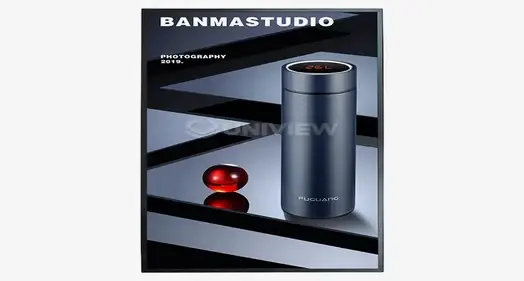
Understanding Semi-Outdoor Digital Signage
Semi-outdoor digital signage refers to display systems that are designed to work best in places that are partly open to the elements while still providing better safety and visibility than indoor displays. These solutions come with weatherproof housings, balanced brightness levels between 1,500 and 3,000 cd/m², and energy-saving technologies made for business spaces like storefronts, transit stops, and hospitality areas.
Key Technical Characteristics
The basic ideas behind semi-outdoor screens deal with certain problems caused by the weather without the difficulty of fully weatherproof systems. Most of the time, these units have improved backlit systems that change automatically based on sensors that measure the amount of light in the room. This way, they can be seen clearly even when the light level changes during the day. The shape of the cage keeps dust and water out, while advanced thermal management systems make sure that heat is quickly removed.
Environmental Performance Standards
Modern semi-outdoor screens have to meet strict safety standards, such as having an IP54 to IP65 grade for protection, being able to work in temperatures ranging from -20°C to +60°C, and having anti-reflective coatings that cut glare by up to 85%. These requirements make it possible for stable operation in covered outdoor areas, transportation hubs, and stores, where regular indoor displays would not be able to keep up with sight issues or would have parts break down too soon.
It is important to know the features and benefits of semi-outdoor digital signage in order to choose displays that will increase brand awareness while also lasting a long time and working reliably in a variety of weather conditions.
Top-Rated Semi-Outdoor Digital Signage Brands Overview
This part gives a thorough rundown of some of the best names in the business, known for their cutting-edge semi-outdoor digital signage. There are both well-known electronics giants and specialized companies that make business displays in the market. Each has its own strengths that it brings to different customer groups.
Tier-One Global Manufacturers
The OH-E line from Samsung Professional Displays is the best on the market. It has light levels of up to 2,500 cd/m² and works with MagicINFO content management. Over 500,000 of these units have been used in business settings, including airport hubs and shopping centers around the world, where they have proven to be very reliable. LG's XE series adds to this by having smart features based on webOS and better color accuracy thanks to IPS screen technology.
Sony's BRAVIA Professional line focuses on high-end picture quality with their X1 processor technology. This technology achieves better color reproduction and motion handling, which is especially useful in business and leisure settings. The modern edge-lit LED backlighting systems in these screens make sure that the brightness is evenly spread across the whole screen.
Specialized Commercial Display Brands
Through their MultiSync line, NEC Display Solutions offers strong semi-outdoor options that focus on industrial-grade dependability and full insurance coverage. Sharp Professional Displays' PN-E line offers affordable options with energy-efficient LED backlighting and a range of mounting choices that can be used for a variety of placement needs.
With their Q-Line line, which has antimicrobial coatings and low blue light approval, Philips Professional Display Solutions focuses on healthcare and business uses. With interactive touch screens and portable presentation features, ViewSonic's industrial displays are aimed at the educational and business markets.
Emerging Manufacturers with Competitive Advantages
With their wide choice of LCD and LED digital signage systems, Uniview Commercial has made a strong name for themselves on the world market. Their semi-outdoor screens have high-brightness panels that range from 2,000 to 4,000 nits, along with advanced thermal management systems and casings that are resistant to corrosion made with European surface treatment technology. The company's goods have grades of IP65 to IP66 and are very quiet, making them usable even in harsh outdoor conditions (60 dB).
B2B clients can better decide which brand's portfolio fits their project needs and business goals by comparing product specs and application success stories. Each maker has its own benefits when it comes to price, design, and support networks in different areas.
Comparative Analysis: Semi-Outdoor Digital Signage vs Other Display Solutions
A comparison of semi-outdoor digital signage to indoor displays, full outdoor solutions, LED screens, and business TVs shows how it performs better. When procurement workers understand these differences, they can make smart choices based on the needs of the product and the limitations of the environment.
Performance Comparison Matrix
Commercial screens inside usually work at 300 to 500 cd/m² brightness levels, which are too dim for places with a lot of natural light. Full outdoor screens need to be between 3,000 and 5,000 cd/m² bright, but they use a lot more power and need complicated cooling systems. At 1,500 to 3,000 cd/m², semi-outdoor solutions are the best mix. They are three to four times brighter than indoor units and use forty percent less power than full outdoor solutions.
As an initial investment, LED video screens are much more expensive and require specialized installation skills. They also have better brightness and smooth tiling capabilities. LED technology's limited pixel pitch also affects the viewing distance needed, which makes them less ideal for close-up uses that are popular in store and hospitality settings.
Cost-Benefit Analysis
Semi-outdoor types offer better brightness and weather protection without the large infrastructure needs of full outdoor units. They are a good mix between sturdiness, cost-effectiveness, and display quality. The cost of installation is about the same for semi-outdoor screens as for indoor displays because they use standard mounting systems and power needs. Operating costs are low because the LED backlighting is efficient and the brightness is automatically adjusted, which uses less energy when there isn't much light around.
Maintenance needs are somewhere between those for indoor and outdoor installations. For full outdoor installations, cleaning the filters and inspecting the parts should be done every three months, but for indoor installations, they should be done every month. This analysis shows how much energy is used, how often it needs to be maintained, and how flexible the customization options are. This helps procurement teams weigh the pros and cons based on the needs of their surroundings and the total cost of ownership figures.
How to Choose the Right Semi-Outdoor Digital Signage for Your Business
To choose the best semi-outdoor digital signage, you need to do a structured needs assessment that takes into account the application type, the location, and your business's goals. Before a choice can be made, technical specifications, supplier skills, and long-term support needs must be carefully looked at.
Technical Specification Requirements
Choosing between LCD and LED screens affects viewing angles, color clarity, and how long you can expect the screen to last. LCD screens with IPS technology offer more consistent colors and wider viewing angles, which are very important in store settings where people can see displays from different angles. Peak amounts of ambient light must be taken into account, with higher output needed in transportation hubs than in closed shop spaces.
Certifications for durability, such as IP grades, temperature tolerance, and vibration resistance, are directly related to the places where they will be used. When compared to static retail installs, transit uses need more shock protection and a wider temperature range. Connectivity choices should include both wired and digital ways to send content, with enough speed for high-resolution video and the ability to control content from afar.
Supplier Evaluation Criteria
Some of the most important things to look at are the screen technology, the brightness performance specs, the longevity certifications, and the supplier's qualifications, like whether they offer a guarantee and expert support. Manufacturing quality standards, such as ISO licenses and best practices for getting parts, show how reliable something will be in the long term and how easy it will be to get replacement parts.
Regional support networks are very important for getting upkeep help and expert support quickly. Suppliers with qualified expert networks and local service centers lower the risk of downtime and the cost of running the business. With customization choices like changing the enclosure, finding mounting solutions, and integrating software, you can make solutions that fit the needs of your unique application.
Budgeting and Procurement Considerations
This part talks about planning and includes price comparisons for different brightness levels, the benefits of buying in bulk, and services that add value, such as installation and rental choices. When you make your initial cash investment, you should think about things like mounting systems, content management tools, and skilled installation services. Discounts for buying in bulk usually start at 10 units, and you can save a lot of money when you buy more than 50 pieces.
These insights help you make smart choices about where to buy things that will improve performance while keeping costs and source risk under control. Extended warranty choices, which usually last between 3 and 5 years, give you more safety against broken parts and high repair costs that you didn't expect.
Getting the Most from Your Semi-Outdoor Digital Signage Investment
To get the best return on investment, you need to use best practices for installation, upkeep, and planning for the future. The overall cost of ownership and dependability of semi-outdoor digital signage systems are greatly affected by professional installation and ongoing support programs.
Professional Installation Standards
A professional installation makes sure that the fixing configurations are stable, that they work well with the existing infrastructure, and that they follow all local safety rules. Certified workers know how to properly handle cables, meet environmental sealing standards, and place screens so that they provide the best viewing angle for maximum audience interaction. Calculations of structural load and wind resistance standards keep expensive damage from happening because of external stresses.
Local rules say that electrical links must be safe and include surge protection systems that protect against power changes that happen a lot in businesses. When integrating networks, it's important to think about bandwidth needs and security procedures, especially for screens that are linked to business networks or cloud-based content management systems.
Preventive Maintenance Programs
Comprehensive maintenance programs, guaranteed coverage, and a stockpile of extra parts help lower the risk of downtime and keep the display reliable throughout its lifetime. Cleaning air filters and protective glass surfaces on a regular basis keeps the best thermal performance and picture sharpness. By using remote testing tools to keep an eye on parts, you can replace old ones before they break.
Regular firmware changes, security fixes, and improvement of the content management system are all parts of software maintenance. Updates like these often add new features and make things use less energy, which extends the life of gear purchases. Recording upkeep tasks helps with guarantee claims and makes troubleshooting easier when talking to technical support.
Future-Proofing Strategies
Planning for software updates and hardware setups that can be changed as needed helps businesses adapt to changing needs and keep up with technological progress. As needs grow, display drivers with enough processing power and memory can handle material with higher resolutions and interactive features. Upgrading to bigger screens or different display technologies is easy with modular mounting systems because they don't require a full infrastructure update.
These steps protect the infrastructure of the signs from outdated technology and changing market needs, making sure that they continue to provide value during the planned depreciation time.
Conclusion
Semi-outdoor digital signage is the best option for companies that need better visibility and durability without the hassle of full outdoor installs. Leading brands like Samsung, LG, and NEC, as well as new providers like Uniview Commercial, offer a wide range of choices to meet the needs of businesses in the retail, transportation, and leisure sectors.
To ensure long-term working success, the selection process needs to carefully look at lighting standards, environmental scores, and the ability of the provider to provide support. Professional installation and regular maintenance plans get the most out of your investment while lowering the risk of downtime. Even though the market for digital signs is still growing, businesses that need cheap communication tools that work well in tough conditions will still need semi-outdoor options.
FAQ
Q: What is the typical lifespan of semi-outdoor digital signage?
A: Most commercial-grade semi-outdoor digital signage works effectively for 50,000 to 70,000 hours, which is about 8 to 10 years of nonstop use. During this time, LED backlighting systems keep their brightness output at 70%, and LCD screens keep their picture clarity and color accuracy. Changes in the environment, such as temperature and humidity, can affect how long something lasts. This is why proper placement and care are so important for meeting expected lifespan goals.
Q: How much customization is possible with semi-outdoor displays?
A: Modern semi-outdoor screens let you change a lot of things, like the color of the case, how it's mounted, and how it talks to software. Hardware changes can be made to meet specific size needs, add speakers, or add weather monitors. Content management systems let you customize the layout, make your own schedules, and connect to other business systems. Custom development choices let you add specific features to meet the needs of a specific program.
Q: Can semi-outdoor signage withstand severe weather conditions?
A: Digital signs that are semi-outdoor and have an IP65 grade are safe from dust and low-pressure water jets, so they can be used in closed outdoor areas and places that get wet sometimes. However, these units are not meant to be directly exposed to heavy rain, snow, or big changes in temperature. If you put something correctly in a semi-protected area, it will work reliably in normal weather changes and still be cheaper than options that are completely outside.
Partner with Uniview Commercial for Superior Semi-Outdoor Display Solutions
Uniview Commercial delivers cutting-edge semi-outdoor digital signage solutions that combine advanced technology with reliable performance for demanding commercial applications. Our comprehensive product portfolio features high-brightness displays ranging from 2,000 to 4,000 nits, robust IP65/IP66 weather protection, and European surface treatment technology ensuring superior corrosion resistance.
As a trusted semi-outdoor digital signage supplier, we provide flexible customization options, extended 3-5 year warranties, and 24-hour global support services backed by comprehensive quality coverage. Our experienced team understands the unique requirements of retail, transportation, and hospitality applications, delivering tailored solutions that maximize engagement while ensuring long-term reliability.
Contact our specialists at sales@univiewlcdisplay.com to discuss your specific requirements and receive personalized recommendations. We offer competitive bulk pricing, professional installation services, and comprehensive technical support that simplifies deployment and ongoing operations.
References
1. Global Digital Signage Market Report 2023: Growth Trends and Technology Analysis, Digital Signage Research Institute
2. Commercial Display Technology Standards and Environmental Testing Protocols, International Display Technology Association
3. Semi-Outdoor Digital Signage: Performance Comparison and Application Guidelines, Commercial Electronics Manufacturing Council
4. LED vs LCD Technology in Commercial Display Applications: Cost-Benefit Analysis, Professional Display Technology Journal
5. Weather Resistance Standards for Commercial Digital Signage: IP Rating Classifications and Testing Methods, Electronic Equipment Standards Organization
6. Energy Efficiency and Thermal Management in High-Brightness Display Systems, Commercial Display Engineering Quarterly

Learn about our latest products and discounts through SMS or email