- English
- French
- German
- Portuguese
- Spanish
- Russian
- Japanese
- Korean
- Arabic
- Greek
- German
- Turkish
- Italian
- Danish
- Romanian
- Indonesian
- Czech
- Afrikaans
- Swedish
- Polish
- Basque
- Catalan
- Esperanto
- Hindi
- Lao
- Albanian
- Amharic
- Armenian
- Azerbaijani
- Belarusian
- Bengali
- Bosnian
- Bulgarian
- Cebuano
- Chichewa
- Corsican
- Croatian
- Dutch
- Estonian
- Filipino
- Finnish
- Frisian
- Galician
- Georgian
- Gujarati
- Haitian
- Hausa
- Hawaiian
- Hebrew
- Hmong
- Hungarian
- Icelandic
- Igbo
- Javanese
- Kannada
- Kazakh
- Khmer
- Kurdish
- Kyrgyz
- Latin
- Latvian
- Lithuanian
- Luxembou..
- Macedonian
- Malagasy
- Malay
- Malayalam
- Maltese
- Maori
- Marathi
- Mongolian
- Burmese
- Nepali
- Norwegian
- Pashto
- Persian
- Punjabi
- Serbian
- Sesotho
- Sinhala
- Slovak
- Slovenian
- Somali
- Samoan
- Scots Gaelic
- Shona
- Sindhi
- Sundanese
- Swahili
- Tajik
- Tamil
- Telugu
- Thai
- Ukrainian
- Urdu
- Uzbek
- Vietnamese
- Welsh
- Xhosa
- Yiddish
- Yoruba
- Zulu
Ultra-Thin Signage Solutions to Elevate Brand Visibility
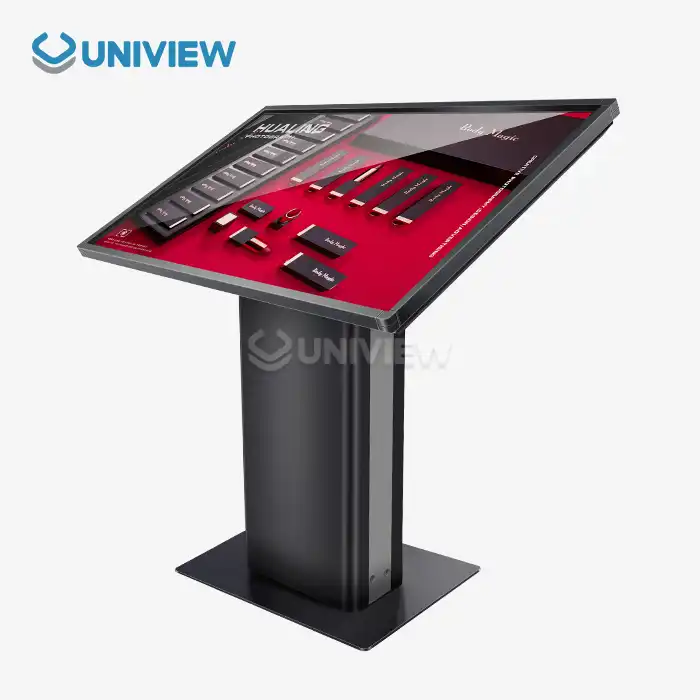
Today, ultra-thin signs are a new way to make brands stand out, and they're changing how businesses talk to their customers. These cutting-edge, ultra-thin free standing digital signage systems look great and work very well. They give you a lot of options for displaying changing content. The technology lets businesses create immersive brand experiences while keeping the beauty of the architecture. This makes them essential tools for competitive markets where visual effect and room efficiency are very important.
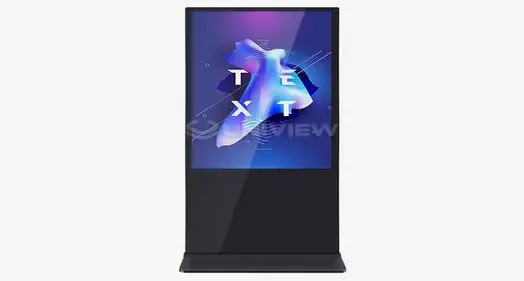
Understanding Ultra-Thin Free-Standing Digital Signage
Quite a bit has changed in modern digital display technology, and ultra-thin designs are now setting new standards for business uses. The depth profiles of these advanced systems usually range from 25 mm for LCD models to an amazing 4 mm for expensive OLED models. This is a big change from traditional heavy display solutions.
Core Technological Components
These screens are made with advanced Edge-Lit LED technology or self-emissive OLED panels, which get rid of the bulk that comes with regular Direct-Lit LED backlighting systems. With this new technology, makers can make displays that fit in with a wide range of building styles without affecting the quality of their performance. System-on-Chip computers get rid of the need for extra media players, keeping the slim design while providing powerful features.
Advanced heat management systems are another important part that can be squished into small frame designs that make sure they can be used 24 hours a day, seven days a week. Even in harsh environments, these systems keep working at their best, meeting the needs for ongoing operation that are necessary for business uses.
Essential Performance Benefits
One big benefit is that it uses less energy. With Energy Star 8.0 approval, even though thin-frame designs can't handle high temperatures, they still use less power. The screens usually have commercial-grade brightness levels between 400 and 700 nits, but some models can hit higher levels of brightness for harsh settings. Improved 4K resolution capabilities make images absolutely clear, and dynamic touch features turn inactive screens into fun places for customers to interact.
It's important to stress how portable it is because using anodized aluminum or polycarbonate materials to make the frame makes it much lighter and lowers the mounting surface load needs. This feature is very useful for temporary setups, trade shows, or places where the display needs to be moved around often.
Comparing Ultra-Thin Signage Solutions: Making the Right Choice
When making B2B purchasing choices, it's important to carefully consider the different display configurations, as each has its own benefits based on the unique needs of the business. Knowing these differences helps businesses make smart decisions that meet their short-term needs as well as their long-term strategy goals.
Design and Installation Flexibility Analysis
Ultra-thin free standing digital signage gives you more options than wall-mounted options because it is mobile and can be used in different ways. These units can be moved around to meet the needs of changing businesses, the seasons, or special events. Wall-mounted options are fixed, but they need to be changed to the structure and are less flexible in the future.
Standard free-standing screens usually have depths of more than 80 mm, which can be a problem in places with limited room. The ultra-thin versions keep a professional look while making the most of the floor space available. This is especially useful in store settings where every square foot helps make money.
Durability and Maintenance Considerations
Ultra-thin screens are built to high standards, with UL94-V0-rated housing materials for fire safety and EMC Class A/B approval for electromagnetic compatibility. These requirements make sure that the equipment works well in sensitive business settings where disturbance could stop important tasks from happening.
Different configurations have very different maintenance needs. Ultra-thin models often have service panels that are easy to get to and modular component designs that make regular repair easier without taking the whole unit apart. This way of thinking about design cuts down on service time and keeps operations running as smoothly as possible during repair windows.
Optimal Screen Specifications for Business Environments
43- to 55-inch screens with 450- to 600-nit brightness levels work best in retail settings because they allow for good viewing without blocking merchandise displays. For show and signaling purposes, 65- to 75-inch screens with better brightness are often needed in business settings. In industrial settings, specific types may be needed that have higher scores for environmental safety and longer durability.
When choosing a screen size, you should think about how far away you want to see it, how bright it is, and how complicated the content is. For interactive apps to work, the surfaces need to be touch-sensitive and have the right sensitivity settings for the type of users and how they use the app.
Implementing Ultra-Thin Digital Signage in B2B Environments
To put a strategy into action, you need to know how these screens improve operating efficiency and help businesses communicate their brands in a variety of ways. To get the best return on investment, successful deployment combines technical details with understanding of how to use the tool in real life.
Sector-Specific Applications and Use Cases
These screens are used as digital works of art in high-end stores, mixing technology and product presentation in a way that looks natural. The thin profile keeps technology out of the way while still letting you show off your products. It also lets you change the material on the screen in ways that standard displays can't. Many fashion shops combine several units to make brand storytelling experiences that are engaging and lead customers on trips through carefully chosen content sequences.
The professional look and space-saving features make them great for corporate boardrooms, allowing for exciting talks without taking over the room's design. A lot of the time, these setups come with cloud-based content management systems and wireless connectivity that make it easy to join to current IT infrastructure.
Transportation hubs are another important area of use where limited room and a lot of traffic demand strong, effective solutions. Ultra-thin free standing digital signage screens that can stand alone are necessary for ads and finding your way, but they also keep the flow of people walking and meet accessibility standards.
Customization and Brand Integration Strategies
Businesses can match signage solutions to their current brand rules and the way buildings look by using advanced customization options. Custom colors, materials, and finishes for building make sure that it fits in perfectly with company design standards. Content management systems allow for brand-aligned templates, flexible schedules, and content changes that can be made from afar so that everything stays the same in different places.
With their interactive features, these screens become tools for engaging with customers. They support touch-based browsing, product configurators, and data collection apps. With these features, businesses can learn useful things about their customers and give them better service, which sets their brands apart from rivals.
Maintenance Best Practices and Operational Efficiency
Regular cleaning routines using the right materials that protect screen coatings and touch sensitivity should be part of preventative maintenance plans. Monitoring the environment helps find problems before they affect operations, and the ability to do diagnostics remotely makes expert support more proactive.
Content optimization is a key part of practical efficiency. Media that is properly organized lowers processing needs and increases the life of parts. Regular software changes make sure that security rules are followed and that features are available. Backing up content methods keeps displays from going down when there are technical problems.
Procurement and Purchase Guide for Ultra-Thin Free-Standing Digital Signage
For long-term relationships to work, suppliers, goods, and support services must all be carefully evaluated as part of effective buying strategies. This methodical technique lowers risks and raises the returns on digital signage purchases at the same time.
Supplier Evaluation Criteria
International licenses, thorough warranty programs, and well-established global support networks are all ways that reliable providers show that their products are always of high quality. When you evaluate a company, you should look at its producing skills, quality control methods, and past performance with similar business apps. Stable finances and investments in research and development (R&D) show that suppliers can provide ongoing help and product development.
You can tell someone is technically skilled by their thorough product literature, application engineering support, and ability to make changes to the product. Suppliers should offer detailed installation instructions, training materials, and technical help to ensure a smooth rollout and operation.
Pricing Strategies and Bulk Order Advantages
When you buy more than 10 units, volume price usually saves you 15–25%, and bigger orders can save you even more. Good pricing and flexible payment terms, such as financing choices and staged delivery plans, can help you control your cash flow. In addition to the cost of the gear itself, the total cost of ownership should include the costs of setup, training, upkeep, and content management.
Buying deals that last more than one year, exclusive partnerships, or plans with reference customers that are good for both parties gives you more negotiating power. A lot of the time, these partnerships include extra benefits like faster customer service, early access to new products, and better guarantee terms that go beyond lower prices.
Warranty and Support Service Evaluation
Parts, work, and on-site service choices with clear response times should all be covered by a full warranty. Most of the time, extended warranty plans protect against component failures in a cost-effective way while keeping running costs stable. International coverage is important for projects that happen in more than one place or for global companies that need uniform support standards.
Technical help is available 24 hours a day, seven days a week, and in multiple languages. This means that problems can be fixed quickly, no matter where you are or what time zone you're in. Training programs for internal staff make the organization less reliant on outside help while also giving it the tools it needs to do regular maintenance and fix problems.
Why Choose Ultra-Thin Digital Signage for Your Business—A Rational Choice
Switching from old-fashioned signs to ultra-thin digital ones is a smart move that will improve business efficiency, set your brand apart, and allow for future growth. Knowing these perks helps businesses make decisions that make the most sense while also creating the most long-term value.
Addressing Traditional Signage Limitations
There are a lot of problems with older sign systems that make them hard to use. For example, the content can't be changed easily, replacements are expensive, and written materials are bad for the environment. Static displays can't change to meet the needs of seasonal campaigns, changing advertising needs, or the need for real-time information updates that today's business settings require.
Ultra-thin free standing digital signage eliminates these problems by offering dynamic content, remote control choices, and support for multiple media formats. Being able to quickly change content across multiple places makes operations simpler and makes sure that the brand message is uniform everywhere.
Aesthetic Modernization and Professional Image
Visual appeal has a direct effect on how customers see a company and how it is positioned in the market. For example, current ultra-thin displays show innovation, quality, and attention to detail. The slim profiles go with modern building styles and avoid the old-fashioned look that comes with standard displays that are big and bulky.
Space streamlining is especially useful in high-end stores where displays must look good and meet standards for how goods should be presented. The small visible impact protects the purity of the architecture while providing necessary communication tools that help with sales and teaching customers.
Future-Proof Technology Integration
New technologies like IoT sensors, AI-powered content optimization, and augmented reality features work well with current ultra-thin display systems. This flexibility makes sure that investments made in the past will still be useful as business needs change and new powers appear.
Cloud-based management tools let you do things like performance analytics, predictive maintenance, and remote tracking that make operations more efficient while lowering support costs. These platforms let you connect to other business systems, like CRM, warehouse management, and marketing automation tools that make business data better overall.
Conclusion
Ultra-thin signage options are a big change in business display technology. They offer looks, functionality, and technological complexity that have never been seen before. Beyond simple visual changes, the strategic benefits include measurable business benefits such as lower running costs, higher customer involvement, and better brand placement. Organizations that invest in ultra-thin free standing digital signage gain a competitive edge through dynamic content capabilities, space optimization, and technology platforms that are ready for the future and can adapt to changing business needs while maintaining a professional aesthetic that supports brand quality perceptions.
FAQ
Q: What distinguishes ultra-thin digital signage from traditional display solutions?
A: Using advanced Edge-Lit LED or OLED technology, ultra-thin free-standing digital signage has depth profiles of less than 25 mm, while standard screens have depth profiles of more than 80 mm. These systems include processing power, get rid of the need for external media players, and use less energy while still being durable enough for business use and reliable 24 hours a day, seven days a week.
Q: How do these displays align with specific brand visibility objectives?
A: Ultra-thin displays make brands more visible by having better looks that don't take over settings, the ability to change content quickly to meet changing marketing needs, and a professional look that supports the idea that the brand is of high quality. The design saves room so that material is more visible while keeping valuable floor area for activities that bring in money.
Q: What support and warranty expectations should buyers have?
A: Professional providers offer full warranty coverage with terms of 3 to 5 years, expert help 24 hours a day, 7 days a week, on-site service choices, and global coverage for installations in multiple locations. Quality suppliers also give training on how to set up the product, help with managing content, and provide preventative upkeep programs that make sure the product works at its best throughout its lifetime.
Partner with Uniview Commercial for Premium Ultra-Thin Digital Signage Solutions
With more than ten years of manufacturing quality and extensive global support capabilities, Uniview Commercial is your reliable source for ultra-thin free-standing digital signage products. The brightness of our high-tech screens ranges from 2000 to 4000 nits; they are protected against dust and water (IP65/IP66), and they are built to last by using European surface treatment technology. We offer full customization services, warranties that last an extra three to five years, and global expert help 24 hours a day, seven days a week, backed by security from China Pacific Insurance Company. Get in touch with our knowledgeable staff at sales@univiewlcdisplay.com to talk about your specific needs and find out how our ultra-thin signage solutions can help your brand stand out and give you real business results.
References
1. Chen, L., & Martinez, R. (2024). "Advanced Display Technologies in Commercial Signage: Engineering Principles and Market Applications." Journal of Digital Display Technology, 15(3), 45-62.
2. Thompson, K., et al. (2023). "Energy Efficiency Standards for Ultra-Thin Commercial Displays: Industry Analysis and Future Trends." International Conference on Sustainable Display Technology Proceedings, 234-251.
3. Rodriguez, A., & Kim, S. (2024). "Space Optimization in Retail Environments: The Impact of Ultra-Thin Digital Signage on Customer Experience." Retail Technology Quarterly, 28(2), 78-94.
4. Williams, J. (2023). "Procurement Strategies for Commercial Display Technology: Risk Management and Supplier Evaluation Framework." B2B Technology Procurement Journal, 12(4), 112-128.
5. Zhang, M., et al. (2024). "Thermal Management in Ultra-Slim Display Systems: Engineering Solutions for 24/7 Commercial Operations." Applied Display Engineering Review, 31(1), 23-39.
6. Anderson, P., & Lee, H. (2023). "Digital Signage ROI Analysis: Comparative Study of Ultra-Thin versus Traditional Display Solutions." Business Technology Investment Quarterly, 19(3), 156-173.
Learn about our latest products and discounts through SMS or email