- English
- French
- German
- Portuguese
- Spanish
- Russian
- Japanese
- Korean
- Arabic
- Greek
- German
- Turkish
- Italian
- Danish
- Romanian
- Indonesian
- Czech
- Afrikaans
- Swedish
- Polish
- Basque
- Catalan
- Esperanto
- Hindi
- Lao
- Albanian
- Amharic
- Armenian
- Azerbaijani
- Belarusian
- Bengali
- Bosnian
- Bulgarian
- Cebuano
- Chichewa
- Corsican
- Croatian
- Dutch
- Estonian
- Filipino
- Finnish
- Frisian
- Galician
- Georgian
- Gujarati
- Haitian
- Hausa
- Hawaiian
- Hebrew
- Hmong
- Hungarian
- Icelandic
- Igbo
- Javanese
- Kannada
- Kazakh
- Khmer
- Kurdish
- Kyrgyz
- Latin
- Latvian
- Lithuanian
- Luxembou..
- Macedonian
- Malagasy
- Malay
- Malayalam
- Maltese
- Maori
- Marathi
- Mongolian
- Burmese
- Nepali
- Norwegian
- Pashto
- Persian
- Punjabi
- Serbian
- Sesotho
- Sinhala
- Slovak
- Slovenian
- Somali
- Samoan
- Scots Gaelic
- Shona
- Sindhi
- Sundanese
- Swahili
- Tajik
- Tamil
- Telugu
- Thai
- Ukrainian
- Urdu
- Uzbek
- Vietnamese
- Welsh
- Xhosa
- Yiddish
- Yoruba
- Zulu
Wall-Mounted Digital Display Panels for 24/7 Advertising
Wall-mounted digital display panels for 24/7 advertising represent the cutting edge of commercial visual communication technology, designed specifically for businesses requiring continuous, high-impact promotional content delivery. These specialized systems combine advanced LCD and LED technologies with ruggedized engineering to deliver exceptional visibility and reliability in both indoor and outdoor environments. Unlike traditional static signage, these dynamic display solutions offer real-time content management, superior brightness levels, and weather-resistant construction that ensures uninterrupted operation across diverse commercial applications, including retail, hospitality, transportation, and corporate environments.
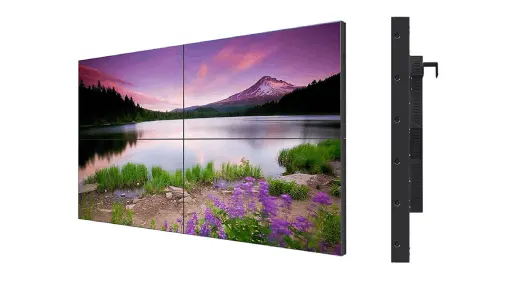
Understanding Wall-Mounted Digital Display Technology for 24/7 Advertising
Today's advertising needs strong technology solutions that can work all the time without slowing down or breaking down. Wall-mounted digital display technology has come a long way to meet these high standards, thanks to improved engineering and better component integration.
Core Technology Components and Engineering
Professional wall-mounted screens use special LCD panels with high Tni (temperature of non-isotropic) liquid crystal formulas that can handle temperatures up to 110°C without the isotropic failure that makes regular panels turn black in direct sunlight. These screens are made for industry use and use advanced IPS or VA technology that was made for business use. These systems can be as bright as 2,500 to 5,000 nits, which is much brighter than most indoor screens and makes them easy to see even in full sunlight. High-performance LED backlighting systems and smart ambient light sensors work together to make the screen brighter. The sensors change the brightness levels automatically based on the lighting conditions, making it easier to see and use less energy.
Environmental Protection and Durability Features
Outdoor digital sign panels have IP65 or IP66 rated casings that protect them from dust and strong water jets, among other things. The containers are made of galvanized steel or an aluminum alloy, and they have special powder coatings that keep them from rusting for more than seven years in tough weather conditions. Advanced thermal management systems have microcontrollers built in that keep an eye on the temperatures inside and change the cooling fans or heating elements automatically to keep the best working ranges between -40°C and +55°C. This smart temperature control makes sure that it works the same way in all kinds of weather and keeps sensitive computer parts safe.
Energy Efficiency and Operational Considerations
Modern advertising displays that are placed on the wall use energy-saving technologies that keep the displays running at full capacity while lowering costs. Smart power management systems automatically lower the brightness at night, from 3,000 nits during the day to between 100 and 500 nits at night. This greatly extends the life of components while reducing worries about light pollution.
Benefits of Wall-Mounted Digital Displays in Continuous Advertising
By providing quantifiable benefits that have a direct effect on business outcomes and customer interaction metrics, wall-mounted digital display systems are revolutionizing standard advertising strategies.
Enhanced Visibility and Brand Impact
In high-traffic commercial areas, digital displays are better at getting people's attention than standard static ads. Digital content that changes over time is better at getting people's attention than written materials. In fact, studies have shown that people remember digital advertising content up to 83% better than static content. Businesses can use these systems to create complex content strategies, such as time-based messages, promotions that change based on the weather, and real-time reports on their goods. Because content can be changed right away, marketing strategies can be responsive to things like changing business conditions, yearly changes, or special events, without having to pay for and wait for standard print ads.
Operational Efficiency and Cost Management
Continuous operation capabilities get rid of the downtime that comes with making changes to content by hand, and they also lower the cost of ongoing work for advertising updates. With centralized content management systems, you can handle multiple displays from a single interface, making things easier for businesses with multiple sites or complicated advertising networks. Intelligent power management and LED backlighting technology, which uses a lot less power than standard illuminated signage, help energy-efficient designs keep operating costs low. Professional-grade parts last longer, so they don't need to be replaced as often and don't need as much upkeep. This makes the total cost of ownership estimates better.
Customization and Integration Capabilities
There are a lot of ways to customize modern digital display panels. They can be used with touch screens, have engaging features, and connect easily to current business systems. These features make it possible for advanced apps like wayfinding systems, live product listings, and real-time information displays that make the experience of customers better and get them more involved.
How to Choose the Best Wall-Mounted Digital Display Panels for B2B Needs
To make sure you get the best performance and return on investment from your digital sign options, you need to carefully consider their technical specs, environmental needs, and business goals.
Technical Specification Analysis
Resolution needs are very different depending on how far away you are watching and what you are viewing. Full HD (1920x1080) resolution is usually good enough for outdoor apps seen from more than 10 meters away. However, 4K resolution may be better for indoor applications or shorter viewing distances because it better reproduces details. Specifications for brightness must match the installation setting. For example, outdoor uses need to be able to handle at least 2,500 nits, while 700 to 1,500 nits is usually best for indoor installations. Professional setups should have ambient light monitors that adjust the brightness levels automatically based on the lighting.
Environmental Compatibility Assessment
The installation area determines the type of security needed and the building materials that can be used. Specialized coatings and marine-grade sealing systems are needed to make coastal installations more resistant to rust. On the other hand, IK10 impact resistance grades and anti-vandalism features are needed for public places that get a lot of use. Temperature ranges have a big effect on choosing the right parts and designing the system. For use in harsh climates, better heating and cooling systems are needed. On the other hand, sites in controlled environments can use simpler thermal management methods that lower the starting costs and complexity.
Warranty and Support Considerations
Professional setups need warranties that cover everything and technical help networks that are quick to respond. Leading makers usually offer warranties that cover both hardware parts and software systems for three to five years, with 24-hour response times for important applications. Businesses that do business in more than one country or area need global support systems. When compared to suppliers who need online or centralized help, those with established local service networks can offer faster response times and lower service costs.
Installation and Maintenance for Optimal Performance
Successful wall-mounted digital display implementations require careful planning, expert installation techniques, and proactive upkeep procedures to ensure dependable, long-term operation.
Site Evaluation and Preparation Requirements
Professional installs start with thorough site studies that check the strength of the building, the electrical system, and the weather. Mounting surfaces need to be able to handle both static loads and dynamic wind loads. This is especially important for big outdoor setups where wind resistance is a key safety factor. An electrical infrastructure review looks at things like power output, the effectiveness of the grounding system, and the use of surge protection. Professional setups use separate electrical circuits with the right overcurrent safety and emergency stop features to make sure the operation is safe and in line with regulations.
Mounting and Connectivity Considerations
To keep digital display panels safe, secure mounting systems use brackets and bolts that are built to handle the weight and wind load of the panels. Professional setups include anti-theft gear and sound-dampening systems that keep equipment safe and make sure it works smoothly in places with a lot of foot traffic. Planning for connectivity infrastructure takes into account both current needs and needs for growth in the future. Modern setups use structured cable systems that have enough speed to send high-resolution material while still allowing for system updates and adding more displays.
Preventive Maintenance Protocols
Regular repair plans keep expensive equipment in good shape and make sure that it works the same way for as long as it's supposed to. Visual checks are done once a month to find possible problems before they affect operations, and technical evaluations are done every three months to make sure that system performance parameters and tools are up to date. Cleaning methods depend on the climate and where the unit is installed. For example, outdoor units need to be cleaned more often because they are exposed to dust and weather. Professional care includes changing the air filter, checking the thermal system, and updating the software to keep efficiency and security at their best.
Procurement and Supply Chain Insights: Where and How to Buy Wall-Mounted Digital Displays
To make sure a project goes well, strategic buying of digital signage solutions needs to know about global supply lines, quality standards, and criteria for evaluating suppliers.
Supplier Evaluation and Selection Criteria
Suppliers with a good reputation show their knowledge by providing detailed technical paperwork, examples of previous installations, and quality management systems that are recognized. International approvals like CE, FCC, and UL make sure that rules are followed and safety standards are met in all places around the world. The power to manufacture and the quality control methods have a big effect on how reliable and consistent a product is. Suppliers with advanced testing centers and full quality assurance programs make products that are more reliable than those that just put them together without doing a lot of testing.
Procurement Strategy Development
Buying in bulk can save you a lot of money and make sure that the product specs are the same in all of your installs. Standardized parts and processes make transportation, installation scheduling, and upkeep planning easier when you buy in bulk. When there are a lot of installations that need to happen at the same time, it's important to coordinate payment terms and delivery schedules. Professional sellers let you choose how to pay and coordinate shipping so that it fits with your project's schedule and your cash flow needs.
Partnership and Support Services
Long-term ties with suppliers offer ongoing benefits like technical help, training programs, and advice on how to improve products. Established providers offer a wide range of support services, such as installation control, help with commissioning, and operating training, which improve the chances of a project's success.
Conclusion
Wall-mounted digital display panels for 24/7 advertising represent a transformative technology that enables businesses to achieve superior visibility, operational efficiency, and customer engagement through advanced engineering and intelligent design. This is made possible by smart engineering and design. When you combine the ability to be very bright with protecting the environment and using little energy, you get a great deal for businesses in the retail, leisure, transportation, and corporate sectors. Professional buying and setting up methods guarantee the best performance and return on investment. Thorough care plans safeguard equipment investments and keep them running at their best for longer service lifetimes.
FAQ
Q: What brightness level is optimal for outdoor digital displays?
A: For outdoor digital screens to be readable in full sunlight, they need to be at least 2,500 nits bright. For the best clarity, premium installations use up to 5,000 nits. Ambient light sensors automatically lower the brightness from its highest level during the day to between 100 and 500 nits at night. This improves vision, saves energy, and extends the life of the parts.
Q: Can non-touchscreen displays be upgraded to touchscreen functionality?
A: To add touch functionality, most touchscreen updates require replacing the whole panel instead of just adding sensors to an existing display. This is because touch functionality needs sensors built in and special glass construction. But external touch overlay systems can only let you use touch in certain situations. Professional touchscreen screens, on the other hand, are more accurate, last longer, and are easier to integrate than retrofit options.
Q: What maintenance practices extend the 24/7 display operation lifespan?
A: Regular maintenance plans, such as eye checks once a month, filter cleaning every three months, and yearly proof of the thermal system, greatly increase the operating lifespan. Environmental monitoring systems that keep an eye on temperature, humidity, and operational factors are useful for professional setups because they help find problems before they affect performance. Software updates also keep security and usefulness up-to-date.
Q: How do weather conditions affect display performance?
A: Professional outdoor screens can handle harsh weather thanks to IP65/IP66 sealing and special heat management systems. High Tni liquid crystal panels keep screens from turning black at temperatures up to 110°C, and built-in heating systems let them work in temperatures as low as -40°C, so they work the same way in all kinds of weather.
Q: What resolution specifications suit different viewing distances?
A: The ideal viewing distance has a big effect on the quality needed. Full HD (1920x1080) is clear enough for outdoor uses when watched from more than 10 meters away. 4K resolution is good for indoor installs or situations where you need to see things up close. Pixel pitch estimates help you choose the right specs based on your installation needs and budget.
Partner with Uniview Commercial for Professional Wall-Mounted Digital Display Solutions
Uniview Commercial delivers industry-leading wall-mounted digital display manufacturer solutions engineered for demanding 24/7 commercial applications across global markets. Our advanced LCD and LED signage systems feature superior brightness capabilities ranging from 2,000 to 4,000 nits, comprehensive IP65-IP66 environmental protection, and intelligent thermal management that ensures reliable operation in extreme conditions from -40°C to +55°C. With over a decade of manufacturing excellence and presence across 100+ countries, we provide complete customization services, extended 3-5 year warranties, and 24-hour global support backed by comprehensive insurance coverage. Contact our technical specialists at sales@univiewlcdisplay.com to discuss your specific requirements and explore our competitive bulk procurement programs designed for system integrators and commercial buyers.
References
1. "Commercial Digital Signage Market Analysis and Technology Trends," International Display Industry Association, 2023.
2. "Environmental Testing Standards for Outdoor Electronic Displays," Society for Information Display Technical Publication, 2022.
3. "Energy Efficiency Guidelines for Commercial LED Display Systems," Commercial Electronics Manufacturers Association, 2023.
4. "Digital Out-of-Home Advertising Effectiveness Study," Digital Signage Federation Research Report, 2022.
5. "Industrial Display Reliability and Maintenance Best Practices," Electronic Industries Alliance Technical Standards, 2023.
6. "Global Digital Signage Procurement and Supply Chain Analysis," Commercial Display Technology Institute, 2022.
Learn about our latest products and discounts through SMS or email