- English
- French
- German
- Portuguese
- Spanish
- Russian
- Japanese
- Korean
- Arabic
- Greek
- German
- Turkish
- Italian
- Danish
- Romanian
- Indonesian
- Czech
- Afrikaans
- Swedish
- Polish
- Basque
- Catalan
- Esperanto
- Hindi
- Lao
- Albanian
- Amharic
- Armenian
- Azerbaijani
- Belarusian
- Bengali
- Bosnian
- Bulgarian
- Cebuano
- Chichewa
- Corsican
- Croatian
- Dutch
- Estonian
- Filipino
- Finnish
- Frisian
- Galician
- Georgian
- Gujarati
- Haitian
- Hausa
- Hawaiian
- Hebrew
- Hmong
- Hungarian
- Icelandic
- Igbo
- Javanese
- Kannada
- Kazakh
- Khmer
- Kurdish
- Kyrgyz
- Latin
- Latvian
- Lithuanian
- Luxembou..
- Macedonian
- Malagasy
- Malay
- Malayalam
- Maltese
- Maori
- Marathi
- Mongolian
- Burmese
- Nepali
- Norwegian
- Pashto
- Persian
- Punjabi
- Serbian
- Sesotho
- Sinhala
- Slovak
- Slovenian
- Somali
- Samoan
- Scots Gaelic
- Shona
- Sindhi
- Sundanese
- Swahili
- Tajik
- Tamil
- Telugu
- Thai
- Ukrainian
- Urdu
- Uzbek
- Vietnamese
- Welsh
- Xhosa
- Yiddish
- Yoruba
- Zulu
Top Ultra-Thin Floor Displays for Dynamic Advertising Campaigns
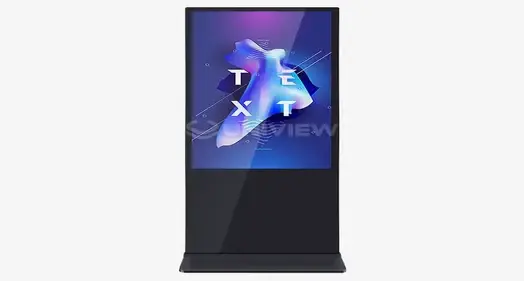
The next step in modern advertising technology is ultra-thin free standing digital signage—ultra-thin digital signs that stand alone and make a big visual effect while taking up very little space. The sleek looks and powerful performance of these advanced display options make ultra-thin free-standing digital signage must-haves for businesses that want to get the most out of their advertising in retail, workplace, hospitality, and transportation settings. With a width range of 25 mm to 50 mm, the ultra-slim shape of ultra-thin free-standing digital signage gives advertisers more options than ever before for changing campaigns that need to look good and work efficiently.
Understanding Ultra-Thin Free-Standing Digital Signage
Ultra-thin freestanding digital signage is different from regular displays because it uses a new way of building that focuses on having very little width without sacrificing usefulness. These screens usually have diameters of less than 50 mm and use modern Edge-Lit LED technology or OLED panels to get rid of the bulk that comes with traditional backlighting systems. Businesses can now use eye-catching visual messaging in places where traditional signs wouldn't work or would look bad because of this engineering development.
Technical Specifications and Core Features
Ultra-thin screens of today are made with advanced technology that is meant to work well in businesses. High-resolution IPS panels have viewing angles that stay the same at 178 degrees, so information can be seen from all directions. For indoor use, brightness levels usually fall between 400 and 700 nits. Outdoor versions that are specially designed for that purpose can reach higher levels of brightness. Because System-on-Chip processors are built in, there is no need for external media players. This keeps the thin image while giving you powerful content control tools. There is also the important benefit of energy economy; ultra-thin free standing digital signage displays use a lot less power than standard signage options. This decrease is due to better LED backlighting and more advanced heat management systems being packed into the smaller frame designs of ultra-thin free-standing digital signage. Businesses that put up big networks of these signs will save money on their operating costs and look better in terms of sustainability because they use less energy.
Software Integration and Content Management
Modern ultra-thin screens work with a variety of content management platforms, making it easy to connect them to digital marketing environments that are already in place. Android, WebOS, and Windows-based systems can be deployed in a variety of ways, and cloud-based control tools make it easy to update material from anywhere in the world. This compatibility makes sure that businesses can keep their messages uniform while changing material to fit the needs of a local market or a promotion.
Benefits of Ultra-Thin Free-Standing Digital Signage for Dynamic Advertising
Adopting ultra-thin free-standing digital signage offers quantifiable benefits in a number of operating areas. The most immediate benefit is that these displays make the most of visual effect while taking up the least amount of floor space. This quality is very useful in places with a lot of foot traffic and high value per square foot, like airport terminals, shops, and company lobbies.
Enhanced Aesthetic Integration
The thin shape makes it easy to fit into high-end building settings without breaking up the flow of the design. Ultra-thin units don't stick out as bulky traditional screens do, which can make modern interior design plans look out of place or industrial. This aesthetic compatibility is especially useful in high-end stores, business boardrooms, and dining places where visual unity has a direct effect on how people see a brand.
Operational Efficiency and Flexibility
Furthermore, these displays are very useful because they are easy to move around for yearly campaigns, trade shows, or changes in space needs. Because it's lighter than standard signs, it's easier to put up and doesn't need as much structural support. This flexibility lets companies change their advertising plans on the fly, making campaigns more successful while reducing the cost of building new infrastructure. Ultra-thin screens use less energy, which saves a lot of money on operating costs over time. Lower energy bills come from using less power, and improved temperature management systems make parts last longer and require less upkeep. All of these things add up to a low total cost of ownership, which makes ultra-thin screens appealing for large-scale operations.
Comparing Ultra-Thin Floor Displays: Making the Right Choice for Your Business
To choose the right ultra-thin display options, you need to carefully look at the technical specs, the skills of the vendors, and the long-term support structures. Performance traits vary a lot between makers. Things like the quality of the screen, the processor's abilities, and the compatibility of the software all have a direct effect on how well the deployment goes.
Technical Performance Considerations
The brightness of the display needs to match the surroundings, since different uses indoors and outdoors need different amounts of brightness. Color accuracy and viewing angle performance affect how well material can be seen and how much of an effect it has, especially in situations where colors need to be reproduced consistently from different viewing angles. For engaging apps or material with a lot of videos, response times and refresh rates are very important. Connectivity choices for ultra-thin free standing digital signage affect how hard it is to integrate and how much room you have for future growth. Modern ultra-thin free-standing digital signage screens should be able to handle a number of different input forms, wireless protocols, and control tools for networks. Connectors like USB-C, HDMI, and Ethernet make rollout flexible, and wireless casting lets mobile devices share material on the fly.
Vendor Evaluation and Support Structures
Most commercial-grade displays come with a guarantee that covers everything for three to five years from a reputable maker. Technical help that is available 24 hours a day, 7 days a week, and through global service networks makes sure that there is little downtime during important advertising campaigns. Customization options let you make solutions that fit your specific deployment needs, and big buying options save you money for large-scale deployments.
Procurement Guide: How to Source and Implement Ultra-Thin Free-Standing Digital Signage
Strategic planning that includes technical specs, vendor selection, and execution processes is necessary for the successful purchase of ultra-thin free-standing digital signage. To get the best long-term value and business success, B2B procurement teams need to look at more than just the original purchase price.
Vendor Selection and Partnership Development
To find suitable providers, you have to look at their manufacturing skills, quality certifications, and service infrastructure. Companies that have been around for a long time and have locations all over the world have an edge when it comes to consistency of product, expert help, and parts availability. Quality approvals, such as Energy Star compliance, electromagnetic compatibility standards, and fire safety scores, show that commercial-grade standards are being met. Customization lets you make solutions that fit the needs of a specific brand or the limitations of where they can be used. For more customized needs, vendors who offer design change services, custom mounting solutions, and specialized enclosure choices are more useful. Expert installation services make sure that everything is set up correctly and lower the risks of execution, especially for complicated installs with multiple displays.
Implementation Best Practices
For rollout to go smoothly, you need to plan for everything, including setting up the site, the network, and the content management systems. Site studies find problems that might come up, like how to connect to the network, get power, and deal with external factors that could affect how well the display works. Good airflow and temperature control make sure that the system works well, and safe mounting methods keep theft and damage from happening. Training programs for operating staff make sure that ultra-thin free standing digital signage display networks are managed well over time. Content creation standards and approval processes help keep the brand consistent and allow campaign updates on ultra-thin free-standing digital signage to happen on time. Regular care plans that include cleaning instructions and software changes keep the ultra-thin, free-standing digital signage displays running at their best for as long as possible.
Future Trends and Innovations in Ultra-Thin Digital Signage
The development of ultra-thin display technology is still moving forward quickly, with new innovations offering better features and more uses. By understanding these trends, you can make smart choices about buying that take into account future needs and make investments last as long as possible.
Technological Advancements
4K and 8K screens and other ultra-high-resolution options make it possible to see images with more clarity and detail than ever before. When interactive touch technologies are built into very thin forms, they make user experiences more interesting without sacrificing looks. AI-driven content management systems automatically improve content based on audience analytics and environmental conditions. This makes ads more effective while lowering the need for manual management. Sustainable design focuses on using materials that can be recycled, using less power, and making products last longer. These changes are in line with the company's goals for sustainability and cut costs at the same time. Creative advertising pieces can be used in new ways thanks to new materials like bendable display technologies and clear screens.
Market Evolution and Applications
Integration with Internet of Things environments makes it possible to collect and analyze large amounts of data in complex ways. Ultra-thin displays are used in smart city apps for finding your way, sharing information with the public, and communicating in an emergency, all while keeping the displays' good looks. These displays are being used more and more in stores to make shopping more personal and to help with product management. Digital signage networks and other marketing tools work well together so that omnichannel marketing tactics can work. Real-time content sharing across multiple touchpoints makes the customer experience more consistent and lets you make quick changes to your campaign based on data about how it's doing.
Conclusion
Ultra-thin free-standing digital signage is a game-changing technology for dynamic advertising campaigns. Ultra-thin free-standing digital signage is very flexible and looks great. Because ultra-thin freestanding digital signage screens are thin, use little energy, and have advanced technical features, these screens are must-haves for businesses that want to get the most out of their advertising while also running efficiently. Focusing on quality suppliers, complete support structures, and standards that are ready for the future during strategic procurement ensures successful execution and long-term value creation with ultra-thin free-standing digital signage.
FAQ
Q: What maintenance requirements are necessary for ultra-thin displays?
A: Regular care includes cleaning the screen once a week with the right tools to protect the anti-glare coatings, updating the software once a month to make sure it works at its best and is safe, and checking the hardware every three months to make sure the connections are solid and the cooling systems are working properly. Professional repair services can make displays last longer and keep them from breaking down during important advertising campaigns, which can cost a lot of money.
Q: How do ultra-thin displays integrate with existing marketing platforms?
A: Popular content management systems, such as digital signage software platforms, social media interaction tools, and customer relationship management systems, can be used with modern ultra-thin screens. Connecting to an API lets content be updated automatically based on inventory levels, promotion plans, or customer data. This makes advertising experiences that change based on real-time business conditions.
Q: What energy savings can businesses expect from ultra-thin displays?
A: Because the LED backlighting is better and the processors are more energy-efficient, ultra-thin displays usually use 30 to 40 percent less energy than standard signage options. Large display networks can save thousands of dollars a year on energy costs, and climate-controlled settings can use less air conditioning because less heat is being produced.
Partner with Uniview Commercial for Premium Ultra-Thin Display Solutions
With our cutting-edge, ultra-thin, free-standing digital signage options, Uniview Commercial is prepared to revolutionize your advertising possibilities. We are a reliable company that makes commercial-grade screens. The goods we sell are of the highest quality, with ultra-clear images that can get as bright as 4000 nits, IP65/66 waterproof ratings, and advanced corrosion resistance technology. Our full-service package includes warranties that last an extra 3–5 years, expert help that's available 24 hours a day, 7 days a week, and professional installation services in more than 100 countries. Get in touch with our knowledgeable staff at sales@univiewlcdisplay.com to learn more about how we can create individualized ultra-thin free-standing digital signage solutions that will increase brand awareness and produce quantifiable advertising results.
References
1. Digital Signage Market Analysis and Technology Trends Report, Commercial Display Research Institute, 2024
2. Ultra-Thin Display Technology: Engineering Principles and Commercial Applications, Advanced Display Technology Journal, 2024
3. Energy Efficiency Standards for Commercial Digital Signage Systems, International Energy Conservation Board, 2024
4. B2B Procurement Best Practices for Digital Advertising Infrastructure, Commercial Technology Procurement Association, 2024
5. Sustainable Design Innovations in Commercial Display Manufacturing, Environmental Technology in Electronics, 2024
6. Integration Strategies for Smart Digital Signage Networks in Corporate Environments, Business Technology Implementation Review, 2024

Learn about our latest products and discounts through SMS or email