- English
- French
- German
- Portuguese
- Spanish
- Russian
- Japanese
- Korean
- Arabic
- Greek
- German
- Turkish
- Italian
- Danish
- Romanian
- Indonesian
- Czech
- Afrikaans
- Swedish
- Polish
- Basque
- Catalan
- Esperanto
- Hindi
- Lao
- Albanian
- Amharic
- Armenian
- Azerbaijani
- Belarusian
- Bengali
- Bosnian
- Bulgarian
- Cebuano
- Chichewa
- Corsican
- Croatian
- Dutch
- Estonian
- Filipino
- Finnish
- Frisian
- Galician
- Georgian
- Gujarati
- Haitian
- Hausa
- Hawaiian
- Hebrew
- Hmong
- Hungarian
- Icelandic
- Igbo
- Javanese
- Kannada
- Kazakh
- Khmer
- Kurdish
- Kyrgyz
- Latin
- Latvian
- Lithuanian
- Luxembou..
- Macedonian
- Malagasy
- Malay
- Malayalam
- Maltese
- Maori
- Marathi
- Mongolian
- Burmese
- Nepali
- Norwegian
- Pashto
- Persian
- Punjabi
- Serbian
- Sesotho
- Sinhala
- Slovak
- Slovenian
- Somali
- Samoan
- Scots Gaelic
- Shona
- Sindhi
- Sundanese
- Swahili
- Tajik
- Tamil
- Telugu
- Thai
- Ukrainian
- Urdu
- Uzbek
- Vietnamese
- Welsh
- Xhosa
- Yiddish
- Yoruba
- Zulu
What Are the Power Needs of Hangable & Stand-Up Outdoor Digital Signage?
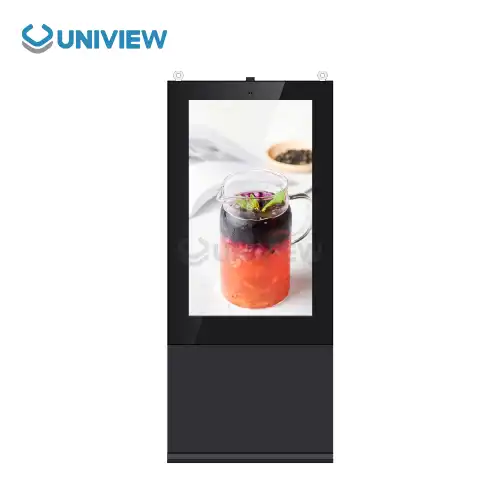
Outside digital signs are now an important part of any business that wants to connect with customers and give them useful information in today's constantly changing digital world. Hangable & stand-up outdoor digital signage options can be used in a variety of settings and are easy to see, but they need to be powered properly for the best results. Understanding these power needs is important to make sure that your digital signs investment works well, lasts a long time, and is a good value for money. This blog post goes into detail about how much power hangable and stand-up outdoor digital displays use. It looks at how screen size, light levels, weather conditions, and technology choices affect power needs. By learning about these things, businesses can choose and use outdoor digital signage options that fit their goals for energy saving and their operating limitations.
What Factors Influence the Power Consumption of Outdoor Digital Signage?
How Does Screen Size Impact Power Requirements?
The size of the screen determines how much power outdoor digital signs that can be hung or stood up need. Bigger screens need to light up a bigger place, so it makes sense that they use more power. A digital screen that is 55 inches and outside might use a lot more power than a screen that is 32 inches and outside. The strength of your signs should be just right for how important and noticeable you want them to be. It is possible to hang digital signs or put them on stands. These come in different sizes, so businesses can pick the ones that work best for them and use the least electricity. Big screen TVs now use less electricity because LED technology has improved. Remember this since bigger screens need more power.
What Role Does Brightness Play in Power Consumption?
When it comes to Hangable & stand-up outdoor digital signage, brightness is very important for perception and usefulness, especially in places with a lot of natural light. Higher lighting levels, on the other hand, directly associate with more power use. For material to be viewable in full sunlight, Hangable & stand-up outdoor digital signage usually needs lighting levels between 2000 and 4000 nits. This need for high light can have a big effect on power needs. To solve this problem, many current Hangable & stand-up outdoor digital signage systems have adjustable brightness settings that change the brightness of the screen automatically based on the lighting circumstances. This function not only reduces the amount of power used, but it also makes viewing more comfortable and makes the display last longer. To find the best mix between energy economy and exposure, look for Hangable & stand-up outdoor digital signage that have LED lights and advanced brightness control systems.
How Do Environmental Factors Affect Power Requirements?
Signs that can be hung or stood up outside need different amounts of power depending on things like the weather. How much energy these screens use varies on how hot or cold it is, how wet it is, and how much direct sunlight they get. When places get hot, they often need cooling devices to keep things from getting too hot. There may be a need for more power because of this. Parts may need to be heated to make sure they work right in cold places, which uses even more power. Digital signs outside can fix these problems by using up-to-date temperature control systems, like passive cooling or fans that use less power. Outside factors can also have less of an effect on power use if you use high-quality parts that are made to be used outside. You should think about the weather when you figure out how much power outdoor digital signs that can be hung or stood up will need. Make sure you choose power options that will work well in that weather.
What Are the Different Power Supply Options for Outdoor Digital Signage?
How Does Grid Power Support Outdoor Digital Displays?
Grid power is the most common and safest way to power digital signs outside that can be hung or stood up. It gives high-brightness screens and other systems that use them a steady and plenty of power. For those who choose to use public power, be sure that the electricity tools where the signs will be installed can meet their power needs. So, they might need to study the spot and make changes to the power systems so they can handle the extra load. With a power grid, outdoor digital signs that can be hung or stood up can work all the time. This makes them great for places that need to show messages all the time. To keep prices low, it's important to think about how much grid power will cost in the long run and look into TVs that use less power.
What Solar Power Solutions Are Available for Outdoor Signage?
Solar power is a cheap and eco-friendly way to power both hangable & stand-up outdoor digital signage, especially in remote areas or places that don't have easy access to grid power. Digital sign systems that are driven by the sun generally have charge controllers, solar panels, and batteries. The solar screens get power from the sun, store it for times when there isn't enough light, and manage the power source for the show. When looking for solar-powered options for outdoor digital signage that can be hung or stood up, you should think about how much sun there is where you live and how much power the display needs. To make sure the system works right, things like normal daily sunlight hours, changes over the course of a year, and the amount of energy that can be stored must be carefully looked at. Solar systems may cost more at first, but they can save you a lot of money on energy costs over time and give you a long-term solution for outdoor digital signage.
Are There Hybrid Power Solutions for Outdoor Digital Displays?
To meet the energy needs of both hangable and stand-up outdoor digital signs, hybrid power systems are a flexible option. For stable function in a range of situations, these systems usually use more than one power source, like grid power, solar energy, and battery storage. As an example, a hybrid system might use solar power as its main source of energy during the day, switch to battery power when it's dark or at night, and utilize grid power when needed. This method offers backup and ensures the highest level of energy economy. When installing hangable or stand-up outdoor digital signs in places with unstable grid power or places that want to reduce their carbon impact, hybrid power options are especially helpful. Creating hybrid systems requires carefully planning the power management strategy to make the best use of energy and make sure that switching between power sources goes smoothly. Although mixed solutions might be harder to set up at first, they provide more options and dependability for digital signage uses outside.
How Can Energy Efficiency Be Optimized in Outdoor Digital Signage?
What Energy-Saving Technologies Are Used in Modern Displays?
Modern digital outdoor signs that can be hung or stood up use a variety of energy-saving technologies to get the best performance without using too much power. LED backlighting is now the standard for outdoor screens because it uses less energy than older technologies. More advanced local dimming methods let you precisely control the lighting strength, which lowers the amount of power used in the screen's darker places. Some digital signs systems for outside also have ambient light monitors that change the brightness levels automatically based on the lighting conditions, which saves even more energy. Overall energy savings are also helped by using high-efficiency power sources and low-power components. When looking for outdoor digital signs that can be hung or stood up, make sure you choose ones that have Energy Star certification or similar energy efficiency scores to make sure you're getting a solution that will save power.
How Does Content Management Impact Power Consumption?
The material shown on Hangable & stand-up outdoor digital signage can have a big effect on how much power they use. Dynamic, high-contrast material that is updated often usually needs more power than screens that are static or don't move much. If you want to save the most energy, you might want to use content methods that combine how they look with how much power they use. One way to lower general power needs is to use darker backgrounds and fewer bright, full-screen white features. You can save energy by scheduling content to show images that use less power during off-peak hours or by using motion sensors to only turn on high-brightness modes when people are looking at the screen. Advanced content management systems for Hangable & stand-up outdoor digital signage often have power-saving features. For example, you can set times for when the displays turn on and off or change the content based on energy-saving settings that have already been set up.
What Maintenance Practices Ensure Optimal Power Efficiency?
Outdoor digital signs that are mounted on a wall or a stand need to be serviced regularly so that they use less power. Particles of dirt, dust, and other things can stick to monitor surfaces and make them less bright. This makes the system work harder to keep things visible. Setting up regular cleanings for the screen helps it keep running at its best. It's also possible to find and fix problems that might be making your computer use more power by running regular system checks and software changes. For solar-powered systems to keep producing the most energy, the screens need to be cleaned and inspected regularly. For things not to get too hot and waste power, it's also important to keep an eye on how well cooling systems are working and replace air filters as needed. Companies can make their outdoor digital signs last longer and cost less to fix by following a detailed care plan. Companies can also save money on repairs and energy use.
Conclusion
Understanding the power needs of hangable & stand-up outdoor digital signage is crucial for successful implementation and operation. By considering factors such as screen size, brightness requirements, environmental conditions, and power supply options, businesses can make informed decisions that balance performance with energy efficiency. Embracing energy-saving technologies, optimizing content management, and implementing regular maintenance practices further contribute to reducing power consumption and operational costs. As the digital signage industry continues to evolve, partnering with experienced providers like Uniview Commercial ensures access to cutting-edge Uniview LCD solutions that meet both performance and sustainability goals.
For more information on our innovative Uniview LCD hangable and stand-up outdoor digital signage solutions, please contact us at sales@univiewlcdisplay.com. Our team of experts is ready to help you find the perfect Uniview LCD digital signage solution that meets your power needs and enhances your brand visibility.
References
1. Smith, J. (2022). Outdoor Digital Signage: Power Consumption and Efficiency. Digital Signage Today.
2. Johnson, A. (2021). Energy-Efficient Technologies in Outdoor Displays. AV Network.
3. Brown, R. (2023). Solar-Powered Digital Signage: A Sustainable Approach. Signage Journal.
4. Lee, S. (2022). Environmental Factors Affecting Outdoor Digital Displays. Display Technology Review.
5. Wilson, M. (2023). Content Management Strategies for Energy-Efficient Digital Signage. Digital Signage Connection.
6. Davis, K. (2021). Maintenance Best Practices for Outdoor Digital Signage. AV Technology.


Learn about our latest products and discounts through SMS or email