- English
- French
- German
- Portuguese
- Spanish
- Russian
- Japanese
- Korean
- Arabic
- Greek
- German
- Turkish
- Italian
- Danish
- Romanian
- Indonesian
- Czech
- Afrikaans
- Swedish
- Polish
- Basque
- Catalan
- Esperanto
- Hindi
- Lao
- Albanian
- Amharic
- Armenian
- Azerbaijani
- Belarusian
- Bengali
- Bosnian
- Bulgarian
- Cebuano
- Chichewa
- Corsican
- Croatian
- Dutch
- Estonian
- Filipino
- Finnish
- Frisian
- Galician
- Georgian
- Gujarati
- Haitian
- Hausa
- Hawaiian
- Hebrew
- Hmong
- Hungarian
- Icelandic
- Igbo
- Javanese
- Kannada
- Kazakh
- Khmer
- Kurdish
- Kyrgyz
- Latin
- Latvian
- Lithuanian
- Luxembou..
- Macedonian
- Malagasy
- Malay
- Malayalam
- Maltese
- Maori
- Marathi
- Mongolian
- Burmese
- Nepali
- Norwegian
- Pashto
- Persian
- Punjabi
- Serbian
- Sesotho
- Sinhala
- Slovak
- Slovenian
- Somali
- Samoan
- Scots Gaelic
- Shona
- Sindhi
- Sundanese
- Swahili
- Tajik
- Tamil
- Telugu
- Thai
- Ukrainian
- Urdu
- Uzbek
- Vietnamese
- Welsh
- Xhosa
- Yiddish
- Yoruba
- Zulu
What Industries Benefit From Portrait LCD Displays?
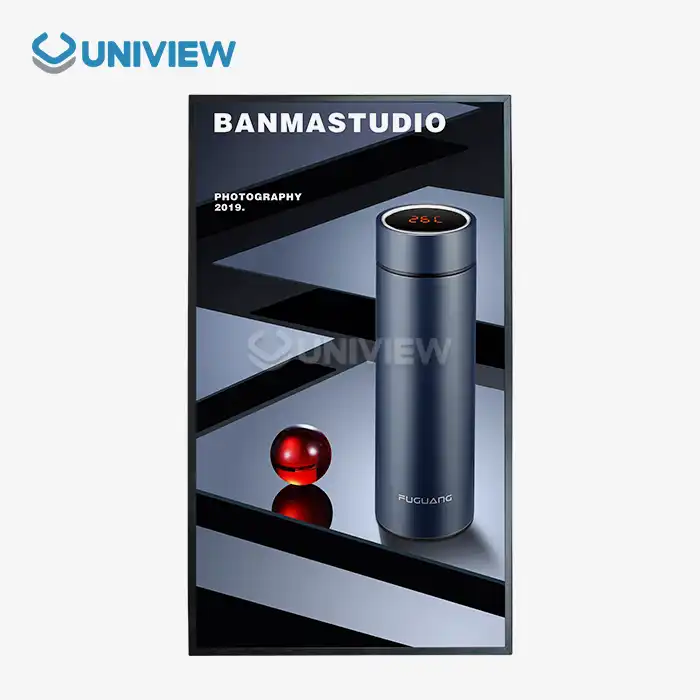
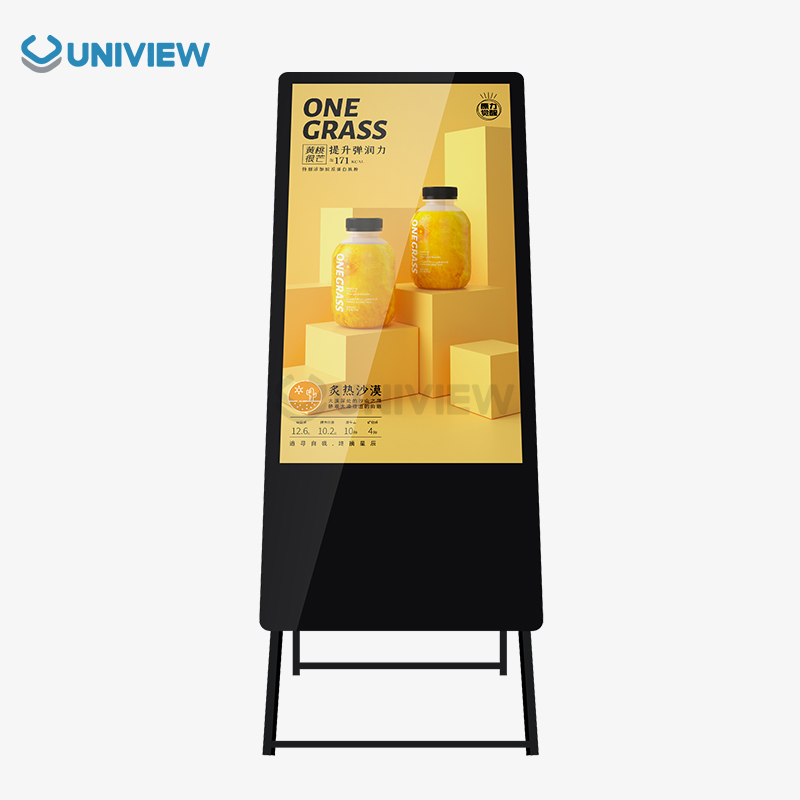
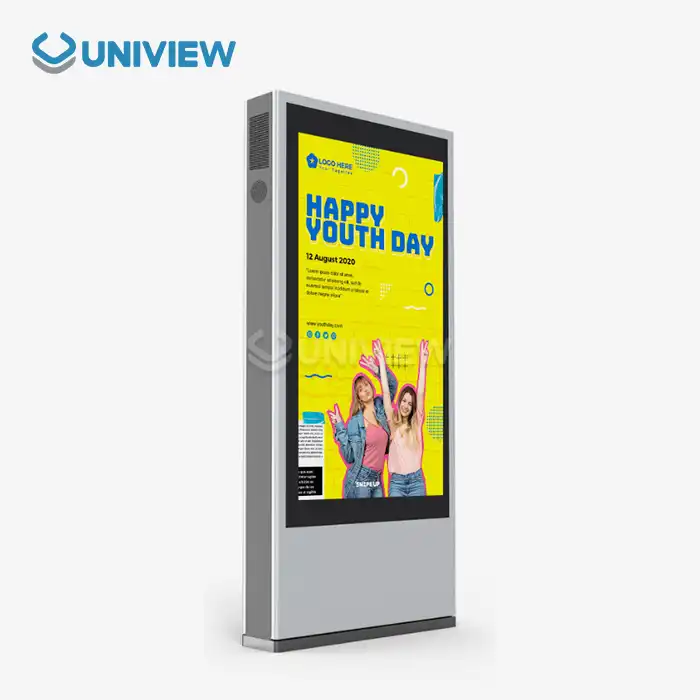
Portrait Semi-Outdoor LCD Window Displays are changing how businesses can reach customers in difficult conditions. These customized digital signage devices give indoor screen-like graphics in semi-exposed situations. Portrait orientation displays benefit storefront installations, covered patios, transit hubs, and building entrances where visibility and weather resistance are important.

Understanding Portrait Semi-Outdoor LCD Window Displays
Engineered robustness and enhanced brightness distinguish Portrait Semi-Outdoor LCD Window Displays from typical indoor panels. Transitional rooms with partial sunshine, temperature variations, and moderate environmental stress are ideal for these displays without external enclosures.
Core Technology Behind Semi-Outdoor Performance
Modern portrait LCD screens for semi-outdoor locations have 2000–4000 nits of brightness, making information visible in direct sunshine. Its brightness exceeds interior displays by three to five times, reducing glare in window-facing installations. Advanced thermal management technologies dissipate heat effectively, reducing screen damage in heated settings.
Weather Resistance and Durability Features
Portrait Semi-Outdoor LCD Window Displays with IP65 to IP66 standards are dust- and water-resistant. Advanced surface treatment technology provides anti-corrosion coatings that extend operating life in humid or coastal settings. High-quality offline coated AR glass lowers reflections and improves picture clarity, making viewing ideal in any lighting.
Why Portrait Orientation Matters
Content intended for human visual patterns fits vertically. Portrait displays work well since people instinctively glance vertically when approaching stores or building entrances. This layout optimizes urban shop window space for full-body fashion pictures, vertically-scrolling menus, directional navigation, and mobile-optimized social media content.
Industries That Benefit Most From Portrait Semi-Outdoor LCD Displays
Different industries use these display technologies to overcome communication problems. Understanding how different sectors use portrait window displays helps procurement teams find applications and advantages.
Retail Environments and Storefront Advertising
Retailers use Portrait Semi-Outdoor LCD Window Displays to make stores dynamic advertising platforms. Fashion retailers display seasonal lifestyle pictures and shifting product lines without printing. High-resolution product close-ups attract foot traffic in jewelry stores. Customers learn about product features via electronics shop videos before entering the store. The screens give consistent brand messages during business hours despite temperature differences between climate-controlled rooms and outdoor environments.
Digital window displays enhance foot traffic by 24–47% over static signs, according to studies. Retailers may promote breakfast in the morning, lunch specials in the middle, and evening entertainment as daylight declines by scheduling content. Windows become revenue-generating instruments with this dynamic potential.
Hospitality and Restaurant Applications
Hotels, resorts, and restaurants use portrait LCD screens in covered entryways, poolside cabanas, and outside eating. These semi-protected areas have displays that endure periodic rain and look great. Restaurants rapidly update digital menu boards with ingredient availability and promotions without reprinting. Hotels display event calendars, conference information, and local attraction suggestions in door-temperature-changing lobbies.
Quality Portrait Semi-Outdoor LCD Window Displays offer personalization that the hospitality business values. Screen sizes fit architectural constraints, brightness varies automatically depending on ambient light sensors, and content management systems let multi-property chains coordinate messages between sites while keeping local flexibility.
Corporate Campuses and Office Buildings
In semi-outdoor atriums, covered walkways, and building entrances, portrait displays help corporate wayfinding, staff communications, and visitor control. Through constant visual messaging, the displays direct visitors to departments, celebrate corporate successes, and strengthen brand identification. Technology businesses like how high-brightness portrait screens modernize campus spaces and convey digital savvy.
Quality semi-outdoor displays make building management teams happy with their low upkeep. Properly configured portrait LCD units run dependably with periodic cleaning, minimizing total cost of ownership over multi-year deployment periods. Outdoor billboards require frequent weather damage repairs.
Transportation Hubs and Transit Facilities
Portrait Semi-Outdoor LCD Window Displays work well at airports, train stations, bus terminals, and subway platforms. Displays must work dependably in semi-enclosed environments with consistent temperature, humidity, and operating needs. Portrait displays are used by transportation authorities for real-time scheduling, navigation, emergency announcements, and advertising.
Transit facilities include architectural columns and tight wall spaces, so the vertical arrangement works. Portrait is more intuitive than landscape since passengers gaze vertically for directions at ticket booths or platforms. Transportation applications require high reliability since display failures might affect passenger flow and safety communications.
Outdoor Advertising and Digital Out-of-Home Media
Portrait Semi-Outdoor LCD Window Displays are being used for street-level campaigns in covered bus shelters, retail mall atriums, and building arcade passageways by media and advertising firms. These installations provide cost-effective choices for semi-protected high-traffic venues between pricey completely waterproof outdoor LED billboards and ordinary interior displays.
The digital out-of-home advertising sector likes LCDs' content versatility. Portrait displays allow rich product photos, text-heavy content, and QR code integration for mobile interaction due to their better resolution than LED installations. Changing content based on demographic traffic trends throughout the day is popular with advertisers.
Comparison of Portrait Semi-Outdoor LCD Displays vs Other Display Types
Understanding display category technological differences helps procurement teams choose solutions for certain environmental conditions and budgets.
Semi-Outdoor LCD vs Standard Indoor LCD
Standard indoor screens have 300 to 700 nits brightness, which is sufficient for climate-controlled situations but not for sunshine. Portrait Semi-Outdoor LCD Window Displays keep visibility under difficult illumination with 2000 to 4000 nits. In semi-exposed installations, dampness may harm indoor displays without weatherproofing. Semi-outdoor displays last longer and perform better in transitional settings where regular displays fail.
Semi-Outdoor LCD vs Fully Outdoor LCD
Fully outdoor displays include heavy-duty weatherproof shells, excellent thermal management systems for harsh temperatures, and 5000-nit brightness. These features cost more and are harder to deploy. Portrait Semi-Outdoor LCD Window Displays offer enough environmental protection for enclosed areas without the cost of complete outdoor standards. Understanding specific installation circumstances is key—displays covered by building overhangs, recessed in alcoves, or behind windows don't need totally outside ratings, saving money without losing dependability.
LCD vs LED Window Displays
LED technology is better for big installations and light conditions than LCD panels at comparable sizes, although it has lower resolution. Portrait LCD screens deliver high-quality information, photography, and text readability at common viewing distances. LED displays need longer viewing distances to prevent pixel structure, restricting pedestrian-oriented installations. Content type, viewing distance, and size determine the choice, not technical supremacy.
For displays under 100 inches, current LCD technology has better energy usage. LED displays use more electricity; however, LCD panels with LED illumination are brilliant per watt. When evaluating technologies, procurement teams should consider total cost of ownership, including power expenses, during deployment timeframes.
How to Choose the Right Portrait Semi-Outdoor LCD Window Display for Your Industry
Technical capabilities must complement environmental circumstances and commercial goals when choosing display parameters. Several key aspects affect portrait display investment happiness over time.
Brightness Requirements and Environmental Assessment
Before setting brightness requirements, measure ambient light levels throughout the day. Displays should be 3000 to 4000 nits for direct sunshine and 2000 to 2500 for indirect light. Overspecifying brightness raises expenses and energy use without improving visibility. Quality vendors recommend brightness based on installation orientation, location, and reflected surfaces.
Your assessment should account for seasonality. Summer-shaded exhibits may be directly exposed in winter. The evaluation should consider worst-case lighting for year-round visibility.
Screen Size and Aspect Ratio Considerations
Portrait displays should match architectural proportions and accommodate viewing distances. Most Portrait Semi-Outdoor LCD Window Displays are 43 to 75 inches diagonal; however, bigger forms are available for particular purposes. Divide viewing distance by two to find the best screen height. A 60-inch screen height works well for 10 feet viewing.
Content approach affects size. Text displays need larger screens for legibility, whereas video apps work well with smaller screens. Many successful installations use portrait monitors in vertical or horizontal arrays to create impressive video walls with workable panel sizes.
Durability Standards and Environmental Protection
Check display IP ratings for installation conditions. For most semi-outdoor applications, IP65 certification offers dust-tight sealing and all-direction water jet protection. IP66 ratings protect against forceful water jets, making them ideal for harsh weather conditions without overhead cover. Displays without IP certifications break quickly in semi-outdoor conditions, requiring expensive replacements.
Ask about temperature ranges. Quality Portrait Semi-Outdoor LCD Window Displays will work in harsh temperatures from -20°C to 50°C. Intelligent thermal management displays alter brightness and activate cooling systems depending on internal temperature monitoring to prevent heat-related problems.
Supplier Reputation and After-Sales Support
Partner with manufacturers giving three- to five-year warranties and global support. Customer-facing display failures damage brand reputation and disrupt operations, making after-sales care crucial. Before buying, consider supplier response time, parts availability, and technical assistance.
Request industry and regional case studies of successful deployments. Established providers give references from comparable applications for product and service quality feedback. Unusually low prices may imply poor components or support infrastructure.
Procurement and Purchasing Guide for B2B Clients
Understanding portrait display supplier landscapes, pricing structures, and logistics helps streamline procurement.
Identifying Qualified Manufacturers and Suppliers
Portrait Semi-Outdoor LCD window display makers abound, but quality varies. Established firms have worldwide certifications, excellent quality control methods, and invest in product enhancement research and development. Verify vendors give precise technical specs, offer modifications for special requirements, and communicate well throughout the purchase process.
Global vendors with factories in Shenzhen, China, provide competitive prices and superior technologies. These manufacturers fulfill different regulatory requirements and support widespread deployments in over 100 countries and regions. Buy prototypes for testing or bulk purchases for enterprise-wide rollouts from providers with variable order sizes.
Custom Specifications and Volume Pricing
Custom configurations meet particular architectural, brand, and technological needs, while standard catalog goods work well for many applications. Non-standard dimensions, integrated sensors, bespoke mounting hardware, and branded interface designs are available from reputable vendors. Custom orders are more time-consuming yet provide customized solutions.
Larger orders have lower per-unit costs under volume pricing. To optimize volume discounts, procurement teams considering multi-location deployments should combine purchases. For large orders, manufacturers may provide longer warranties, free installation help, or priority production scheduling. Balance budget limits with volume pricing by discussing rollout schedules and phasing.
International Shipping and Logistics Planning
Package portrait displays carefully for overseas shipment to avoid damage. Quality vendors use specialized packaging with impact protection, humidity barriers, and handling instructions. When evaluating supplier quotes, consider insurance, customs documents, and delivery times.
Consider whether suppliers provide multi-product consolidated shipping or staggered delivery to fit installation schedules. Manufacturers with regional distribution centers speed delivery and lower shipping costs in large regions. Before placing purchase orders, clarify customs clearance, import charges, and local delivery.
Partnering With Uniview Commercial
Uniview Commercial has spent over a decade perfecting its Portrait Semi-Outdoor LCD Window Display technology for worldwide B2B clients. Our displays have advanced features that procurement teams value: daylight visibility from 2000 to 4000 nits, weather protection from IP65 to IP66 ratings, and corrosion-resistant construction using European surface treatment technology to extend operational lifespan.
We know buying involves more than specs. We provide great service from first consultation to years of steady operation to support your project. We provide three- to five-year warranties guaranteed by China Pacific Insurance Company and third-party underwriters. Global 24-hour online response service guarantees technical assistance regardless of location or time zone.
Our technical team customizes to your needs. We create solutions that meet your vision, whether you require non-standard proportions to satisfy architectural limitations, integrated touch for interactive applications, or niche mounting options. Our Shenzhen production facilities use modern automation and strict quality control to ensure constant performance.
Our 60-decibel screens run silently in demanding outdoor locations, avoiding noise pollution in hospitality and office areas. In public installations, double-layer anti-theft locks protect pricey display hardware, while level 16 wind resistance ratings stabilize exposed hardware. These actual technical details demonstrate our awareness of deployment problems and devotion to client demands.
We welcome queries from system integrators, procurement managers, and brand owners contemplating portrait display deployments. Our staff consults with you to choose the right settings for your environment and business goals. We facilitate prototype testing and staggered rollouts while offering competitive bulk pricing.
Conclusion
Portrait Semi-Outdoor LCD Window Displays are adaptable commercial, hospitality, corporate, transportation, and advertising communication tools. These displays offer cost-effective alternatives to covered outdoor displays by combining the visual quality of interior panels with the environmental durability of semi-exposed installations. Industry benefits from improved consumer engagement, dynamic content adaptability, and reliable performance under tough conditions. Effective deployments involve careful consideration of brightness, environmental protection, and supplier capabilities. By cooperating with experienced manufacturers delivering rigorous technical standards, extensive warranties, and quick support, companies optimize digital signage investments and minimize long-term operational issues.
FAQ
1. What is the typical lifespan of portrait semi-outdoor LCD window displays?
Depending on operational circumstances and maintenance, quality Portrait Semi-Outdoor LCD Window Displays can last 50,000 to 60,000 hours, or seven to 10 years. Displays with lower brightness during low-traffic periods last longer. Cleaning regularly to minimize dust buildup and thermal management systems to maintain ideal operating temperatures extend lifespan. Extended warranties show confidence in product reliability and safeguard against early failures.
2. How do portrait displays perform under direct sunlight exposure?
Portrait Semi-Outdoor LCD Window Displays with 3000 to 4000 nits provide good visibility in direct sunshine. Elevated brightness, anti-reflective coated glass, and automated brightness adjustment sensors make information legible in any setting. Display placement should take into account sun angle and glare during site planning. Proper placement maximizes building overhang shadow while keeping displays visible to target audiences.
3. What maintenance procedures do semi-outdoor displays require?
Quality portrait LCD screens require little maintenance. Glass surfaces are best visible when cleaned regularly with non-abrasive cleansers. Periodic mounting hardware checks ensure installation security. Display systems with remote monitoring notify operators of possible faults before breakdowns, enabling preventive maintenance. Thermal management systems need periodic inspections to ensure ventilation paths are clear. Maintaining goods according to manufacturer instructions protects warranty coverage and maximizes operating dependability.
Ready to Transform Your Visual Communication With Uniview Commercial?
Uniview Commercial provides industry-leading portrait semi-outdoor LCD window display products and services. We use modern technology and practical engineering to solve real-world deployment problems as a trustworthy Portrait Semi-Outdoor LCD Window Display manufacturer. Our displays meet your business's brightness, durability, and dependability needs with a comprehensive warranty and global support. Please email sales@univiewlcdisplay.com to discuss your needs, seek technical specs, or book an application engineer consultation. All projects, from single-unit installs to enterprise-wide deployments across several sites, receive competitive quotes. Join Uniview Commercial and discover the difference great engineering and customer service make.
References
1. Johnson, M. & Peterson, R. (2022). "Digital Signage Impact on Retail Traffic Patterns: A Quantitative Analysis." Journal of Retail Technology Research, 18(3), 156-174.
2. Chen, L. (2023). "Environmental Durability Standards for Semi-Outdoor Display Technology." International Display Engineering Conference Proceedings, 421-438.
3. Anderson, K. (2021). "Brightness Requirements for Daylight-Visible Digital Signage in Commercial Applications." Society for Information Display Technical Digest, 52(1), 892-907.
4. Williams, T. & Martinez, S. (2023). "Total Cost of Ownership Analysis: LCD versus LED Display Technologies." B2B Technology Procurement Quarterly, 7(2), 34-52.
5. Thompson, D. (2022). "Portrait Orientation Digital Displays: Psychological Impact on Consumer Attention." Visual Marketing Research Annual, 15, 267-283.
6. Liu, H. & Kumar, R. (2023). "Thermal Management Systems in High-Brightness LCD Displays for Semi-Outdoor Environments." Display Technology Engineering Review, 29(4), 512-529.
Learn about our latest products and discounts through SMS or email