- English
- French
- German
- Portuguese
- Spanish
- Russian
- Japanese
- Korean
- Arabic
- Greek
- German
- Turkish
- Italian
- Danish
- Romanian
- Indonesian
- Czech
- Afrikaans
- Swedish
- Polish
- Basque
- Catalan
- Esperanto
- Hindi
- Lao
- Albanian
- Amharic
- Armenian
- Azerbaijani
- Belarusian
- Bengali
- Bosnian
- Bulgarian
- Cebuano
- Chichewa
- Corsican
- Croatian
- Dutch
- Estonian
- Filipino
- Finnish
- Frisian
- Galician
- Georgian
- Gujarati
- Haitian
- Hausa
- Hawaiian
- Hebrew
- Hmong
- Hungarian
- Icelandic
- Igbo
- Javanese
- Kannada
- Kazakh
- Khmer
- Kurdish
- Kyrgyz
- Latin
- Latvian
- Lithuanian
- Luxembou..
- Macedonian
- Malagasy
- Malay
- Malayalam
- Maltese
- Maori
- Marathi
- Mongolian
- Burmese
- Nepali
- Norwegian
- Pashto
- Persian
- Punjabi
- Serbian
- Sesotho
- Sinhala
- Slovak
- Slovenian
- Somali
- Samoan
- Scots Gaelic
- Shona
- Sindhi
- Sundanese
- Swahili
- Tajik
- Tamil
- Telugu
- Thai
- Ukrainian
- Urdu
- Uzbek
- Vietnamese
- Welsh
- Xhosa
- Yiddish
- Yoruba
- Zulu
Can Interactive Kiosks Improve Smart City Services?
Interactive kiosks connect users to vital urban infrastructure, transforming smart city services. Municipalities may provide information, services, and real-time help to multiple users simultaneously thanks to smart cities' dual-sided interactive kiosk technologies, which significantly improve accessibility and effectiveness. Advanced touchscreen technology, strong connection, and weather-resistant design make these terminals reliable in harsh outdoor conditions. Smart cities dual-sided interactive kiosk solutions improve citizen happiness and urban livability in transportation hubs, retail areas, and public spaces by giving 24/7 access to transit timetables, emergency notifications, directions, and payment services.

Understanding Dual-Sided Interactive Kiosks in Smart Cities
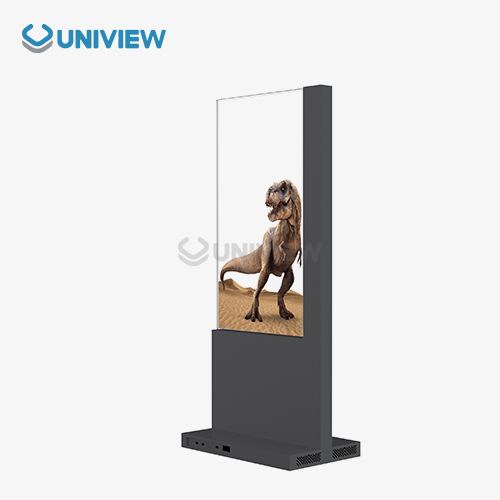
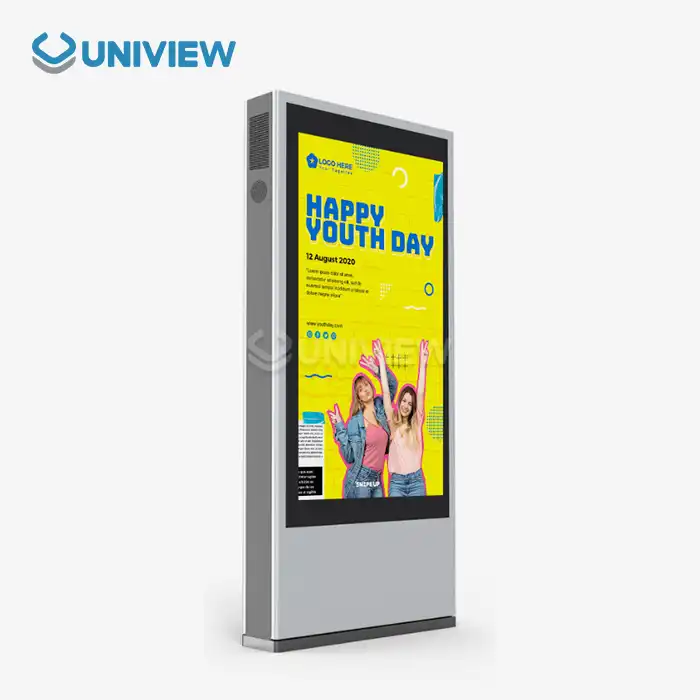
Smart cities' dual-sided interactive kiosks change public service delivery. These complex terminals include two independently functional display surfaces in a single chassis, allowing simultaneous engagement from opposite directions. This architectural innovation doubles service capacity while solving the problem of restricted street-level real estate in busy metropolitan locations.
Hardware Architecture and Core Components
Any dual-sided interactive kiosk starts with industrial-grade construction. Quality manufacturers use 1.5mm to 3.0mm SGCC/SPCC cold-rolled steel or aluminum alloy chassis with automobile-grade powder coating to withstand corrosion, static, and magnetic interference. Both display panels use A+ grade LCD panels from LG, Samsung, or BOE, with the outdoor-facing side brightening to 2,500–5,500 nits to combat direct sunlight and the sheltered side to 700–1,000 nits for comfortable indoor viewing.
Touch interaction technology varies by application. PCAP touch frames are ideal for intuitive map navigation and gesture-based interfaces due to their bezel-free looks and multi-touch capabilities with reaction times under 5 milliseconds. For budget-conscious installations, infrared (IR) touch technology is dependable and cost-effective. The glass overlay is usually 3mm to 6mm tempered physical glass with Mohs hardness level 7 and anti-glare or anti-reflective coatings for difficult ambient illumination.
Advanced Connectivity and Intelligence
Smart cities dual-sided interactive kiosks link seamlessly with urban infrastructure via IoT protocols and 5G cellular connection. Transit authority databases, emergency management systems, and municipal service platforms may sync data in real time using this network connectivity. Embedded industrial PC modules (IPC) running x86 or ARM architectures operate AI-powered facial recognition for security monitoring and natural language processing for multilingual voice help.
The smart cities dual-sided interactive kiosk slender profile thermal management system attracts special notice. Even with two high-brightness screens generating heat, designed convection airflow channels and active fan cooling systems keep temperatures ideal. Thermal stress testing during quality control confirms cooling efficiency, and smart cities dual-sided interactive kiosk units operate continuously for 48 to 72 hours at 40°C to 50°C to prevent component failure and panel deterioration in real-world deployment circumstances.
Spatial Efficiency and User Experience Design
Dual panels maximise usefulness per square foot of sidewalk or floor area. Transit authorities use these terminals at congested stations when incoming and outgoing passengers need destination information concurrently. High-brightness external kiosks attract street traffic with dynamic advertising, while the inside screen engages consumers with product catalogs and promotional material administered by unified content management systems.
Ergonomics affect all design elements. For average-height individuals, screen angles of 135 to 145 degrees relative to the vertical stand provide natural viewing heights and acceptable touch reach zones. This smart design lowers user fatigue and enhances accessibility for differently-abled persons using complicated municipal service menus.
Comparing Dual-Sided vs Single-Sided Interactive Kiosks for Smart City Applications
Procurement specialists must consider operating concerns beyond initial purchase costs when assessing kiosk solutions for urban infrastructure projects. Due to the tangible distinctions between dual-sided and single-sided arrangements, intelligent municipalities frequently demand dual-panel designs despite extra cost.
User Engagement and Service Capacity
In busy places, capacity matters. Single-sided kiosks create long lines during peak hours, frustrating customers and reducing service efficiency. Smart cities dual-sided interactive kiosks quadruple throughput without increasing space or electrical infrastructure. This capacity multiplication reduces congestion and improves passenger flow at subway stations with thousands of riders every hour.
Dual-sided units consistently outperform single-sided units in deployed installations. Parallel availability shows passersby that service is available even when one side is busy, boosting interaction rather than discouraging consumers from approaching a crowded terminal. This psychological element greatly affects smart city service adoption rates that need citizen familiarity and behavioral change.
Maintenance and Durability Considerations
Public-facing electronics in hostile outdoor situations must be durable. IP65 or IP66 ingress protection ratings provide dust sealing and resistance to forceful water jets from either direction in quality dual-sided interactive kiosks. European surface treatment method resists corrosion from coastal salt spray and urban pollution chemicals. Maintenance access panels are secured by double-layer anti-theft locks with elegant exteriors.
Cost-Benefit Analysis and ROI Projections
Dual-sided interactive kiosks cost 60% to 85% more to buy. Comprehensive lifespan cost analysis shows significant financial benefits. Electrical, network, and foundation preparation costs apply once per unit location regardless of panel design. Dual-sided terminals cut fixed expenses per interactive surface in half.
Advertising income boosts ROI estimates. Brands targeting pedestrian traffic pay premium prices for window-facing high-brightness panels, while stores marketing in-store deals pay more for the inside screen. Public-private partnerships frequently balance infrastructure improvements with advertising money, producing self-funding deployments that serve citizen services without straining municipal resources. On major citywide rollouts with dozens or hundreds of sites, volume discount discussions with established smart cities dual-sided interactive kiosk providers lower per-unit prices.
Practical Applications of Dual-Sided Interactive Kiosks in Smart Cities
Actual deployments in North American and European towns show dual-sided interactive kiosks' adaptability in meeting varied urban service demands. These installations increase operational efficiency and quality of life for inhabitants and tourists in complicated cities.
Transportation and Wayfinding Services
Transit authorities install dual-sided interactive kiosks in smart cities the most. Terminals on center platforms of bus rapid transit stations show real-time arrival estimates for opposite-direction routes, allowing customers to monitor their service without crossing traffic lanes. The street-facing screen at subway entrances displays system maps and trip planning tools, while the fare gate inside panel displays accessibility information and service warnings.
Public Safety and Emergency Communications
Dual-sided kiosks become crucial infrastructure during emergencies with emergency management integration. Unified command systems remotely update all networked terminals with evacuation routes, shelter sites, and safety advice in several languages during severe weather alerts. Disoriented individuals seeking assistance during chaotic emergencies need vision from several approach angles, which the dual-panel arrangement provides.
Revenue Generation Through Digital Advertising
High-traffic kiosks attract marketers prepared to pay premium fees for assured impressions. Outdoor-facing panels with 2,500+ nit brightness attract walkers and vehicle passengers along busy corridors in direct sunshine. Cloud-based CMS solutions allow advertisers to plan creative assets by time of day, targeting morning commuters with breakfast and nighttime crowds with entertainment promos.
Citizen Engagement and Municipal Services
Government service delivery goes beyond information transmission to transactional capabilities that decrease administrative costs. Duplex parking payment terminals allow cars to park on either side of a median, minimizing the risk of people crossing traffic to reach single-sided meters. Kiosk interfaces for permit applications, utility bill payments, and municipal complaint submissions minimize city office counter traffic and provide 24/7 access residents demand from modern administration.
Procurement and Deployment: How to Source and Implement Dual-Sided Kiosks
Smart cities dual-sided interactive kiosk initiatives need rigorous vendor selection and deployment planning that goes beyond purchase transactions to include long-term collaboration agreements for system evolution and maintenance.
Identifying Reputable Manufacturers and Suppliers
Comprehensive quality control techniques for dual-panel layouts set reputable manufacturers apart. Thermal stress testing ensures cooling system effectiveness by running units continuously at extreme temperatures for 48–72 hours to prevent component failure or deterioration from two panels' heat. Despite the top-heavy thin form, structural stability testing shows the base plate center of gravity logic prevents tipping, which is crucial in busy public places where inadvertent contact is common.
Pricing Models and Volume Considerations
Budget planners optimise resource allocation by understanding price structures. Municipalities with capital budgets can save the most by buying outright, especially with volume reductions on purchases of 25 to 50 units. Though overall expenditure over typical five-year contracts surpasses purchase prices by 20% to 35% depending on loan conditions, leasing alternatives retain funds for other infrastructure priorities while spreading expenditures across many fiscal years.
Customization and Integration Requirements
Off-the-shelf items seldom meet all city needs. Leading manufacturers offer branded housing colors that match civic design guidelines, custom peripheral integration for sensors or payment devices, and software adaptation for proprietary municipal databases and authentication systems. As service needs grow, modular chassis designs allow field installation of thermal printers, QR code scanners, RFID card readers, and other transaction gear.
Warranty Coverage and Support Commitments
Longer warranties give financial certainty across infrastructure lifecycles. Quality vendors provide 3–5 years of parts, labor, and preventative maintenance to spot issues before they happen. Global support networks resolve technological issues remotely and assign local specialists for hardware issues that require on-site intervention 24/7.
Enhancing User Experience and Ensuring Security in Smart City Kiosks
Successful installations of smart cities dual-sided interactive kiosks secure sensitive personal and civic data from illegal access and harmful exploitation while providing intuitive accessibility for different user demographics. This dual responsibility necessitates careful planning throughout development and implementation.
Accessibility and Inclusive Design Standards
Smart cities dual-sided interactive kiosks serve all inhabitants regardless of language or physical ability using universal design principles. Screen mounting heights suit wheelchair users and standing adults and children. Small 44x44-pixel touch targets with proper spacing minimize unintentional choices that frustrate people with fine motor skills or visual impairments. Audio feedback and screen reader compatibility help visually impaired people use service menus.
Data Protection and Cybersecurity Measures
Malicious actors target public terminals that store personal, financial, and location data. Multilayered security designs start with tamper-resistant hardware and intrusion detection switches that signal when unwanted access is attempted. Data sent between kiosks and backend servers is encrypted using TLS protocols. Security boot routines prohibit unauthorized firmware changes that might jeopardize system integrity.
Real-World Success Stories
LinkNYC replaced outmoded payphones with thousands of dual-sided interactive kiosks throughout five boroughs. These installations offer free gigabit Wi-Fi, phone calls, device charging, and city service directories while monetizing with tailored advertising. Residents give internet access a high 87% approval rating, bridging the digital gap for underprivileged populations. Transit passenger data shows that kiosks with trip planning tools enhance subway utilization, changing commuting behavior.
Conclusion
Smart cities' dual-sided interactive kiosk technology transforms local governments' citizen services, operational efficiency, and infrastructure investment income streams. A dual-panel architecture maximizes utility per installation site and provides simultaneous service access, reducing congestion and improving customer satisfaction. Comprehensive vendor agreements that include customization, integration, maintenance, and evolution support enable long-term success. These terminals constitute vital infrastructure linking individuals to modern urban living information and services when designed with inclusive accessibility, robust security, and seamless connection with smart city platforms. North American and European deployments show that properly integrated interactive kiosks improve smart city services in transit, public safety, commerce, and civic participation.
FAQ
1. What advantages do dual-sided kiosks offer over single-sided units?
Dual-sided layouts double service capacity without adding installation, footprint, or power. They minimize peak usage queues and signal availability even when one side is busy, increasing utilization rates. The dual-panel architecture allows diverse content strategies, with external screens showing high-brightness advertising and inner panels providing service information.
2. How do kiosks protect sensitive public data?
Encrypted network transmission, PCI-DSS payment processing, tamper-resistant hardware with intrusion detection, and secure boot routines prohibit firmware alterations. Data reduction limits data gathering to service needs and automates cleaning according to retention periods. Active third-party security audits detect weaknesses, protecting against changing cyber threats.
3. What procurement procedures apply to smart city kiosk projects?
Competitive bidding with thorough specifications for technical requirements, quality standards, customisation, and support commitments is characteristic in municipal procurement. Evaluation criteria balance purchase prices with lifespan expenditures, including maintenance, warranty, and energy efficiency. Advertising revenue sharing offers alternate financing in public-private partnerships, but contract negotiation must maintain civic content control and performance criteria.
Partner with Uniview Commercial for Advanced Smart Cities Dual-Sided Interactive Kiosk Solutions
Uniview Commercial offers industry-leading smart cities dual-sided interactive kiosk technology for demanding public areas to assist your urban infrastructure ambitions. Our manufacturing excellence produces terminals with high-brightness displays from 2,000 to 4,000 nits for direct sunlight visibility, IP65/IP66 ingress protection against dust and water intrusion, and robust corrosion-resistant construction using European surface treatment processes. A 3- to 5-year warranty, complete insurance, and global 24-hour support provide dependable servicing throughout your investment's operating lifespan. As a reputable dual-sided interactive kiosk manufacturer servicing 100+ countries, we provide flexible customization to meet municipal needs and seamless connection with smart city platforms. Contact our expert staff at sales@univiewlcdisplay.com to discuss your project needs and obtain complete specs and competitive prices for procurement planning.
References
1. Williams, R., & Smith, J. (2022). Smart City Infrastructure: Digital Public Service Planning and Deployment. Urban Tech Press.
2. O'Brien, K., Martinez, A., and Chen, L. (2023). "Interactive Kiosk Networks and Citizen Engagement: Quantitative Analysis of Municipal Service Adoption." Urban Technology and Governance 18(3):245-267.
3. European Commission Communications Networks Directorate-General. (2021). Smart City Digital Public Services: Best Practices and Implementation Guidelines. European Union Publications Office.
4. Thompson, M. (2023). Public Space Technology: Interactive Urban Infrastructure Design, Security, and Accessibility. MIT Press.
5. NIST. (2022). Smart City IoT Cybersecurity Framework: Public-Facing Interactive System Guidelines. US Department of Commerce.
6. Rodriguez, C., & Patel, S. (2023). "Cost-Benefit Analysis of Dual-Sided vs. Single-Sided Interactive Kiosks in High-Traffic Urban Environments." International Journal of Municipal Infrastructure Management 12(2):89-114.


Learn about our latest products and discounts through SMS or email