- English
- French
- German
- Portuguese
- Spanish
- Russian
- Japanese
- Korean
- Arabic
- Greek
- German
- Turkish
- Italian
- Danish
- Romanian
- Indonesian
- Czech
- Afrikaans
- Swedish
- Polish
- Basque
- Catalan
- Esperanto
- Hindi
- Lao
- Albanian
- Amharic
- Armenian
- Azerbaijani
- Belarusian
- Bengali
- Bosnian
- Bulgarian
- Cebuano
- Chichewa
- Corsican
- Croatian
- Dutch
- Estonian
- Filipino
- Finnish
- Frisian
- Galician
- Georgian
- Gujarati
- Haitian
- Hausa
- Hawaiian
- Hebrew
- Hmong
- Hungarian
- Icelandic
- Igbo
- Javanese
- Kannada
- Kazakh
- Khmer
- Kurdish
- Kyrgyz
- Latin
- Latvian
- Lithuanian
- Luxembou..
- Macedonian
- Malagasy
- Malay
- Malayalam
- Maltese
- Maori
- Marathi
- Mongolian
- Burmese
- Nepali
- Norwegian
- Pashto
- Persian
- Punjabi
- Serbian
- Sesotho
- Sinhala
- Slovak
- Slovenian
- Somali
- Samoan
- Scots Gaelic
- Shona
- Sindhi
- Sundanese
- Swahili
- Tajik
- Tamil
- Telugu
- Thai
- Ukrainian
- Urdu
- Uzbek
- Vietnamese
- Welsh
- Xhosa
- Yiddish
- Yoruba
- Zulu
What is Standing Digital Display Technology and Its Features?
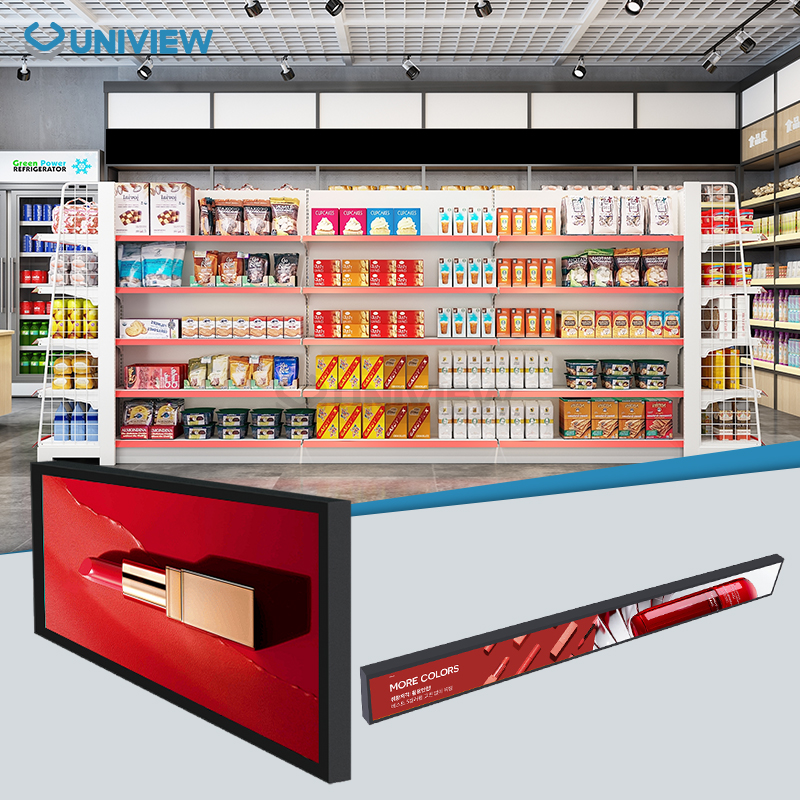
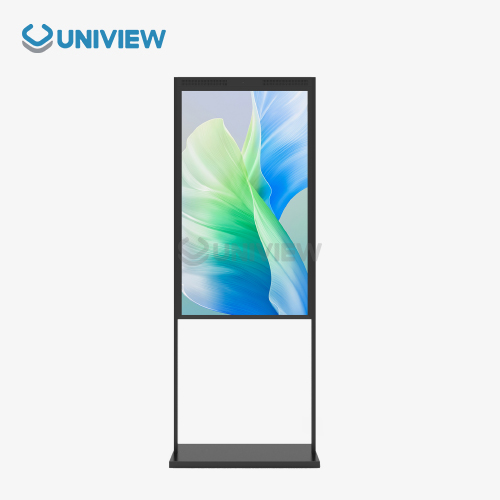
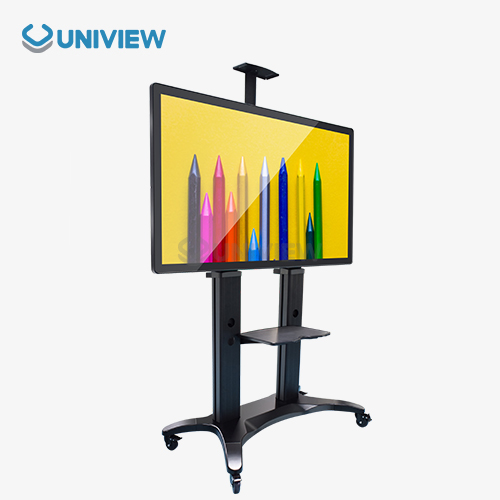
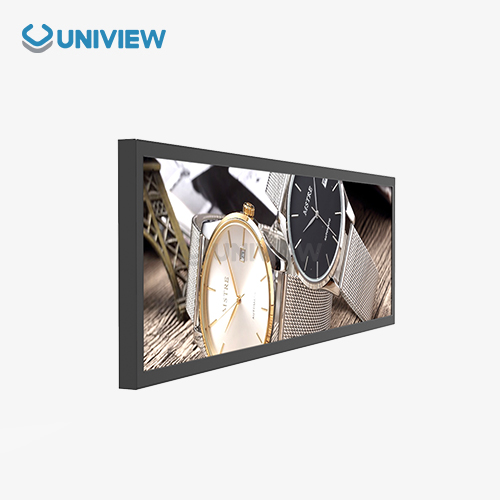
Digital displays that stand alone are a huge step forward in the fields of advertising and visual communication. These cutting-edge screens use cutting-edge hardware and advanced software to make slideshows with live material that are both interesting and fun to watch. Standing digital screens, on the other hand, can show a lot of different types of material, from colorful pictures and movies to up-to-date information in real time. These flexible gadgets are made to keep people interested in a wide range of places, such as stores, school buildings, public places, and business offices. Standing digital displays get people's attention with their sleek, upright designs and high-resolution screens that send messages with more clarity and force than ever before. Businesses and groups are looking for more interesting ways to talk to their target audiences. Standing digital display technology has become a strong way to raise awareness of brands, make customer experiences better, and make it easier to share information.
What are the Key Components of Standing Digital Display Systems?
Display Screen Technology
High-tech display screens are at the heart of standing digital display systems. The LCD or LED panels in these screens are usually very good, with better clarity, contrast, and color reproduction. The display screens are made to show sharp, clear pictures even when the lighting is bad. This way, the content can be seen and is interesting all day. A lot of standing digital screens have ultra-high definition qualities, like 4K or even 8K, which make the images look incredibly real and full of beautiful detail. These screens also often have anti-glare and anti-reflective treatments that make them easier to see in a variety of settings. Different screen sizes are available based on the purpose. Small 32-inch screens are good for smaller rooms, while 98-inch or bigger screens make a big visual statement.
Content Management Systems
The content management system (CMS) is an important part of current digital display technology. Users can make, plan, and control the material that appears on the screens with this program. Advanced CMS systems have easy-to-use interfaces that let anyone, even non-technical users, create interesting layouts, add video, and set up content movements that change on the fly. Most of the time, these systems can update material remotely, which lets managers change what's being shown in real time in many places. Some CMS options come with tracking tools that give you useful information about how engaged your viewers are and how well your content is doing. Businesses can make their messages more effective by using content management systems that are flexible enough to adapt to different groups, times of day, or even current events. This makes the most of their standing digital displays.
Connectivity and Integration Features
Digital screens that stand alone are made to be highly linked and work with many different systems and data sources. A lot of types come with Wi-Fi and Ethernet built in, which makes it easy to control and update material from afar. Some more advanced screens may also have Bluetooth built in so they can talk to phones or beacons. Adding outside data sources like weather reports, social media feeds, or inventory systems lets you make content that is active and aware of its surroundings. Some standing digital screens have sensors that can tell when and what kind of people are in the room, which lets them offer more relevant material. In addition, these systems often allow for interaction with already existing digital infrastructure, like point-of-sale systems in stores or schedule software in businesses, to make communication platforms that work well together.
How Does Standing Digital Display Technology Enhance User Experience?
Interactive Features and Touch Capabilities
Touch screens and engaging features are common in standing digital displays that make the user experience much better. Users can interact with content in natural and interesting ways thanks to many models' high-sensitivity touchscreens that support multi-touch motions. As information booths, product listings, or even game stations, these dynamic screens can make the experience more engaging and tailored to each user. Modern standing digital displays can also recognize gestures or voice orders, which lets you connect with them without touching them when cleanliness is an issue. Incorporating dynamic features not only makes people more interested, but it also gives businesses important chances to collect data and study user behavior, which helps them understand and serve their customers better.
Customization and Personalization Options
Standing digital display technology gives users a lot of ways to change and customize their displays to suit their needs and tastes. Content can be changed based on things like location, time of day, or even specific types of viewers that are picked up by sensors built into the device. Face recognition or mobile device tracking may be used in more advanced systems to give each user personalized content or deals. Businesses can send more relevant and powerful messages when they can change material on the fly, which makes the user experience better overall. A lot of standing digital screens also let users make profiles or accounts, which lets them have a uniform, unique experience across different encounters or places.
Accessibility Features
Modern standing digital displays are designed with accessibility in mind, ensuring that information and interactive features are available to users with diverse abilities. Many systems incorporate text-to-speech functionality, allowing visually impaired users to access written content through audio output. Adjustable display heights or tilt mechanisms cater to users with different physical needs, including those in wheelchairs. Some advanced displays feature high-contrast modes or adjustable font sizes to improve readability for users with visual impairments. Additionally, multi-language support is often included, enabling content to be presented in various languages to cater to diverse audiences. These accessibility features not only enhance the user experience for individuals with special needs but also demonstrate a commitment to inclusivity and universal design principles.
What are the Future Trends in Standing Digital Display Technology?
Artificial Intelligence and Machine Learning Integration
Putting artificial intelligence (AI) and machine learning (ML) together will change the way fixed digital displays work. With these advanced technologies, screens will be able to look at how people are using them in real time and change the material and activities to keep people interested. AI-powered content selection systems will choose what information to show based on what each person likes and what they have seen in the past. Algorithms that use machine learning will keep improving where and when material is shown to get the best results. Standing digital displays will also be able to respond to watchers' feelings and reactions thanks to AI-powered face recognition and emotion tracking. This will make the experiences more personalized and emotionally powerful. As these technologies improve, digital screens that stand alone will become smarter and better at adapting to new situations. This will make them more useful for focused communication.
Augmented Reality and Virtual Reality Capabilities
Exciting new developments in standing digital display technology include adding augmented reality (AR) and virtual reality (VR) features. augmented reality features will let people interact with virtual items that are superimposed on the real world. This will make experiences more realistic and interesting. A store display might let customers actually try on clothes or picture how furniture would look in their own homes, for instance. Traditional standing displays don't usually have VR capabilities, but they can be built into specialty stands or booths to provide fully virtual experiences for marketing, teaching, or fun. AR and VR technologies combined with high-resolution displays will create new ways for engaging stories, product demos, and experience marketing. This will make standing digital display setups even more valuable and powerful.
Sustainable and Energy-Efficient Design
As worries about the environment continue to grow, the future of digital display technology will focus more and more on designs that are eco-friendly and use less energy. Better power management systems are being built into screens, and some of these features include auto-dimming that changes the brightness based on the amount of light in the room. Using LED lights that use less energy and improved heat management methods will cut power use even more. Solar screens or systems that collect motion energy may be added to some unique designs to help with power needs. Using eco-friendly materials and building in modules will also make fixes and upgrades easier, which will extend the life of screens and cut down on electrical waste. Not only will these sustainable efforts lower businesses' costs, but they will also be in line with rising customer demand for tools that are good for the environment.
Conclusion
Standing digital display technology has revolutionized the way businesses and organizations communicate with their audiences. With its dynamic content capabilities, interactive features, and adaptability to various environments, this technology offers unprecedented opportunities for engagement and information dissemination. As we look to the future, the integration of AI, AR/VR, and sustainable design principles promises to further enhance the capabilities and impact of standing digital displays. For businesses seeking to stay at the forefront of visual communication, partnering with industry leaders like Uniview Commercial can provide access to cutting-edge solutions and expert support. To explore how standing digital display technology can benefit your organization, contact Uniview Commercial at sales@univiewlcdisplay.com.
FAQ
Q: What are the main advantages of standing digital displays over traditional signage?
A: Standing digital displays offer dynamic content, real-time updates, interactive features, and the ability to showcase multiple messages on a single screen, providing greater flexibility and engagement compared to static signage.
Q: How do content management systems enhance the functionality of standing digital displays?
A: Content management systems allow for easy creation, scheduling, and remote updating of content, enabling businesses to maintain fresh, relevant messaging across multiple displays efficiently.
Q: Can standing digital displays be used outdoors?
A: Yes, many standing digital displays are designed for outdoor use with features like high brightness, weather resistance, and durability to withstand various environmental conditions.
Q: What are some common applications for standing digital displays?
A: Standing digital displays are widely used in retail stores, corporate lobbies, educational institutions, transportation hubs, museums, and various public spaces for advertising, information dissemination, and wayfinding.
Q: How does AI integration improve standing digital display performance?
A: AI integration enables personalized content delivery, real-time audience analytics, and adaptive messaging, enhancing the relevance and effectiveness of displayed content.
References
1. Smith, J. (2022). The Evolution of Digital Signage: From Static to Dynamic Displays. Journal of Visual Communication, 45(3), 210-225.
2. Johnson, A., & Brown, T. (2023). Interactive Technologies in Public Spaces: A Case Study of Standing Digital Displays. Urban Design Quarterly, 18(2), 78-95.
3. Lee, S., et al. (2021). Energy Efficiency in Digital Signage: Challenges and Opportunities. Sustainable Computing: Informatics and Systems, 30, 100450.
4. García, M. (2023). Artificial Intelligence in Digital Signage: Revolutionizing Customer Engagement. International Journal of Retail & Distribution Management, 51(4), 456-472.
5. Thompson, R. (2022). The Impact of Augmented Reality on Retail Experiences: An Analysis of Standing Digital Display Applications. Journal of Marketing Technology, 14(1), 33-50.
6. White, L., & Green, K. (2023). Accessibility in Digital Signage: Ensuring Inclusive Information Dissemination. Disability and Society, 38(5), 789-805.
Learn about our latest products and discounts through SMS or email