- English
- French
- German
- Portuguese
- Spanish
- Russian
- Japanese
- Korean
- Arabic
- Greek
- German
- Turkish
- Italian
- Danish
- Romanian
- Indonesian
- Czech
- Afrikaans
- Swedish
- Polish
- Basque
- Catalan
- Esperanto
- Hindi
- Lao
- Albanian
- Amharic
- Armenian
- Azerbaijani
- Belarusian
- Bengali
- Bosnian
- Bulgarian
- Cebuano
- Chichewa
- Corsican
- Croatian
- Dutch
- Estonian
- Filipino
- Finnish
- Frisian
- Galician
- Georgian
- Gujarati
- Haitian
- Hausa
- Hawaiian
- Hebrew
- Hmong
- Hungarian
- Icelandic
- Igbo
- Javanese
- Kannada
- Kazakh
- Khmer
- Kurdish
- Kyrgyz
- Latin
- Latvian
- Lithuanian
- Luxembou..
- Macedonian
- Malagasy
- Malay
- Malayalam
- Maltese
- Maori
- Marathi
- Mongolian
- Burmese
- Nepali
- Norwegian
- Pashto
- Persian
- Punjabi
- Serbian
- Sesotho
- Sinhala
- Slovak
- Slovenian
- Somali
- Samoan
- Scots Gaelic
- Shona
- Sindhi
- Sundanese
- Swahili
- Tajik
- Tamil
- Telugu
- Thai
- Ukrainian
- Urdu
- Uzbek
- Vietnamese
- Welsh
- Xhosa
- Yiddish
- Yoruba
- Zulu
What Makes Semi-Outdoor Digital Signage So Durable?
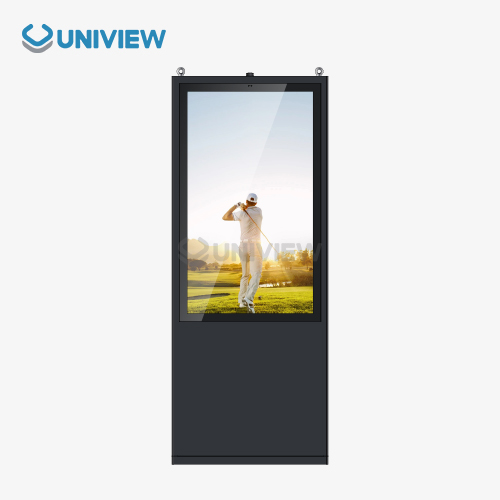
Semi-Outdoor digital signage achieves excellent longevity through engineered enclosures with IP54 to IP65 grades, high-brightness screens (1,500–2,500 nits), tempered anti-reflective glass, and smart thermal management systems. These screens can handle moisture, dust, changes in temperature, and short periods of sunlight. This means they can work reliably in partly protected areas like building entrances, covered walkways, transit shelters, and storefronts, where environmental stressors require stronger protection than standard indoor screens.

Understanding Semi-Outdoor Digital Signage Durability
Defining the Semi-Outdoor Display Environment
Semi-Outdoor digital signage works in transition zones, which are areas that are neither completely closed off nor totally open to the weather. Think of covered entrances to malls, airport hallways with lots of windows, or bus stops with only part of a roof. These places have special problems that normal indoor shows can't handle, but they don't need the extreme weatherproofing that fully outdoor systems do. Knowing this middle ground helps buying teams choose the right amount of security without spending too much on features that aren't needed.
Key Environmental Stressors Facing Semi-Outdoor Installations
When displays are put in these intermediate areas, they face multiple threats at the same time. Intermittent rain and wind can bring wetness into areas that aren't properly sealed. Pollen and dust build up on screens and vents, which could make cooling systems less effective. Changing temperatures in the morning and afternoon put stress on computer parts. During certain hours, direct sunshine can wash out the screen and speed up the aging of the parts. Each stressor may not seem too bad by itself, but when they work together, they make things break down much faster if there aren't any good technical solutions.
Why Durability Matters for B2B Procurement Decisions
Business-to-business customers who buy digital signage equipment have to pay a lot more than the price they paid for it. Downtime makes it harder for businesses to make money and give good customer service, especially in the transportation and shopping sectors. Regular maintenance trips raise running costs and use of resources. When screens show error messages or nothing at all, it hurts the brand's image that the equipment broke down. By putting durability first from the start, procurement pros can protect their investment, lower the total cost of ownership, and make sure that the brand message is constant at all points of contact with customers during the equipment's useful life.
Core Technologies That Enhance Durability of Semi-Outdoor Digital Signage
Modern Semi-Outdoor digital signage uses a number of different safety technologies that work together to protect it from weather dangers. These engineering solutions take ideas for consumer-grade displays and turn them into industrial-strength communication tools that can work reliably even in tough situations.
Weather-Resistant Enclosure Engineering and IP Ratings
The barrier is the first line of defense against getting outside. Manufacturers make housings out of galvanized steel or an aluminum alloy that has been coated with outdoor-grade powder to keep it from rusting. IP ratings describe the amount of security. For example, IP54 certification means that dust can't get in and water spray from any direction isn't able to get in. IP65 certification means that all dust can't get in and low-pressure water jets can't get in. Around access panels, wire entry points, and screen edges, gasket seals keep wetness out. The right design for an enclosure strikes a mix between safety and temperature control, using airflow techniques that get rid of heat without affecting the enclosure's ability to fight water.
Advanced Screen Technologies for Harsh Conditions
Display screens that will be used in Semi-Outdoor settings need to have certain visual properties. High-brightness LED backlights that give 1,500 to 2,500 nits can block out background light, so you can see even when the screen is partially in the sun. Glare is cut down by anti-reflective coatings on toughened glass, which also protects against scratches and hits. Some companies use optical bonding to eliminate the air gap between the LCD panel and protected glass. This makes contrast ratios better and stops condensation from forming inside the LCD panel. Together, these screen improvements make sure that the content is always readable and visually appealing, even if the lighting or weather changes during the day.
Intelligent Thermal Management Systems
When electronics are working, they produce heat, and places that are partly outside often don't have temperature control. Temperature regulation devices keep safe working temperatures between -20°C and +55°C in a number of ways. Smart cooling fans turn on based on temperature sensors inside the unit, pushing hot air out through screened vents that keep dust out. Heat pipes move heat from areas that are concentrating it to bigger surfaces that can release it. Some high-end units come with air conditioning kits for places with very high or low temperatures. Thermal management also takes into account cold-start situations by using heating elements to warm up parts before they are activated in freezing temperatures. This keeps the screen from getting damaged by sudden changes in temperature.
Moisture-Resistant Internal Component Protection
In addition to the sealing on the outside of the cage, the interior parts are also protected against humidity. Conformal coating is a thin layer of polymer that protects circuit boards from wetness, dust, and light rust. Power source boxes are sealed, which keeps condensation from building up. When moisture levels rise above safe levels, internal humidity sensors sound alarms. This lets repairs be done before damage happens. Waterproof fittings and strain relief systems keep water from moving along wires during cable hookups. This multi-layered method makes sure that internal parts stay safe and work even if the seals on the outside wear down a little over time.
Comparing Semi-Outdoor Digital Signage Durability With Other Types
Figuring out how Semi-Outdoor digital signage fits into the bigger picture of signs helps buying teams make choices that are right for the installation site and the budget.
Semi-Outdoor vs. Indoor Display Protection Levels
When it comes to indoor shows, looks and cost-effectiveness are more important than protecting the earth. They don't have waterproof cases, work at lower brightness levels (300–700 nits), and use normal parts made for consumer electronics. When these units are exposed to water, dust, or high temperatures, they break down very quickly. Semi-Outdoor models fill in this gap with IP-rated housings, brighter screens, and industrial parts, all while keeping their smaller sizes and lower prices compared to fully outdoor options. Because they are placed in this way, they are perfect for transitional areas where full outdoor safety isn't needed, but normal indoor displays would fail.
Semi-Outdoor vs. Full Outdoor Signage Requirements
Full outdoor displays have to deal with the worst weather, including direct rain, snow, temperatures ranging from -40°C to +60°C, long periods of strong sunshine, and the risk of vandalism. They need to be rated IP65 or IP66, have ultra-high brightness (2,500 to 4,000 nits), have strong anti-vandal glass, and have strong temperature control systems that include heating and cooling. People who want this level of safety have to pay a lot more and leave bigger physical marks. Semi-Outdoor displays are a good middle ground between indoor and outdoor units because they offer better protection without the cost and complexity of full outdoor requirements. This makes them a good choice for installations that are partly or fully covered.
Cost-Benefit Analysis for Strategic Investment Planning
People who work in procurement have to weigh up the costs of upfront purchases against the costs of long-term operations. The starting cost of indoor screens is the lowest, but they need to be replaced more often in Semi-Outdoor settings, which raises the total cost of ownership. Full outdoor units are the most durable, but they have more features than are needed for closed areas, which wastes money and time. Semi-Outdoor displays are the best of both worlds because they offer enough safety for transitional areas at a fair price, last longer than indoor units, and don't cost as much as full outdoor systems. For the right uses, this smart placement gives a better return on investment.
Practical Use Cases Demonstrating Durability Benefits
The durability engineering built into Semi-Outdoor digital signage systems is proven by their use in real-world situations across a wide range of businesses and tough working conditions.
Retail Center Entrance Displays
The exits to shopping malls are famous examples of Semi-Outdoor problems. Automatic doors open a lot, letting in changes in temperature and the odd drop of rain. During peak hours, large windows let in a lot of sunlight. A lot of foot movement moves the dust around. Installing Semi-Outdoor screens in these places makes them reliable in these conditions, so customers can see the bright advertising content no matter the weather. Retailers say they have fewer repair calls and more stable uptime than they did with older indoor displays that often broke down in these transitional places.
Transportation Hub Information Systems
Very high stability is needed in airport hallways, train station platforms, and bus hubs. Opening doors, a lot of people, and changes in the weather all cause constant outdoor stress in these places. Semi-Outdoor displays show important plan information and material that helps people find their way without stopping. Transportation companies put reliability first because broken screens confuse passengers and stop operations. The sturdy design of Semi-Outdoor units makes sure that information is still available during busy travel times, when dependability is most important. This helps keep passengers moving smoothly and makes travel enjoyable.
Corporate Campus Wayfinding and Communication
Modern business parks have covered paths, atriums that are only partly protected, and building lobbies that have long glass walls. Because of these building features, some areas are partially outside, so they need long-lasting digital signs to help people find their way, let people know about events, and send brand messages. Corporate grounds managers like that Semi-Outdoor displays last longer, which cuts down on the number of times they need to be replaced and the money spent on upkeep. These units look professional and work consistently, which upholds company brand standards while also being able to handle the environmental challenges that come with modern building designs.
Best Practices for Installation and Maintenance to Maximize Durability
For even the toughest Semi-Outdoor digital signage to work at its best for as long as possible, they need to be installed and maintained correctly.
Strategic Mounting and Location Considerations
Assessing the spot is the first step in planning an installation. Wherever you put the mounts, keep them out of direct rain as much as possible and, if possible, provide roof shelter. It's important to place screens so that they don't face full sunlight during peak viewing hours. This lowers thermal stress and makes it easier to see. Having enough airflow around shelters makes sure that heat can escape properly. Wind or mechanical systems can't hurt a base that is securely attached. The entry places for cables should face downwards to keep water from building up. By keeping protective systems from being exposed to the elements and under stress, these construction basics set the stage for long-term longevity.
Regular Cleaning and Inspection Protocols
As part of regular maintenance, the outside should be cleaned every three months with approved cleaning products that won't harm anti-reflective coverings. On inspection reports, you should check the stability of the gaskets, look for signs of moisture entry, make sure the fans work, and clean the ventilation screens. Built-in sensors that check the level of humidity inside the seal give early warning of seal breakdown. Taking care of small problems during regular maintenance keeps them from getting worse and needing expensive fixes or replacement before they're due. Setting up these routines makes equipment last longer and keeps it working at its best throughout its operational time.
Energy-Efficient Operation for Component Longevity
Operating conditions have a big effect on how long a component lasts. Scheduling the brightness lowers the lights to the level needed at different times of the day. This lowers the amount of heat it makes and increases the life of the LEDs. Static pictures that speed up screen burn-in should not be used in content management systems. Thermal stress is lowered by power control features that lower usage when there isn't much activity. These operating practices work with physical longevity features to get the most out of your investment by getting the most service life out of your display hardware while keeping the quality of its performance.
Conclusion
The weather-resistant casings, high-brightness display technologies, clever thermal management, and moisture-proof components that make up Semi-Outdoor digital signage are all designed to work together. These systems are the perfect middle ground between indoor and outdoor displays because they offer the right level of safety for changing conditions at the best possible price. In the real world, uses in shopping, transportation, and business show that they work consistently even when things get tough. When installed and maintained correctly, these natural benefits of longevity are maximized. When procurement workers choose Semi-Outdoor displays, they get a reliable communication system that can handle weather stressors and provide better long-term value.
FAQ
1. What is the expected lifespan of semi-outdoor digital signage?
Quality Semi-Outdoor digital signage usually works regularly for 50,000 to 60,000 hours, which is about 7-8 years of constant use or 10–12 years of planned on/off cycles. The actual length depends on how harsh the climate is, how well it is maintained, and how often it is used. These standards are always met or surpassed by displays made with industrial-grade parts and good heat control.
2. Which IP rating should I specify for my semi-outdoor application?
IP54 is enough protection for places that are well covered and don't get much direct weather. IP65 is good for places where it rains sometimes or where there is a lot of dust. Carefully consider where you want to put the system—better security increases costs but increases usefulness. Talk to providers with a lot of experience. They can look at your site conditions and give you advice on the right specs.
3. Can semi-outdoor displays include touchscreen functionality?
Of course. Manufacturers make Semi-Outdoor displays with projected-sensitive touchscreens that can still be used even after being protected by glass. These dynamic systems can handle being touched and exposed to the world over and over again. Touch-enabled units need extra thought when it comes to how to keep them responsive over time and how to keep them safe from damage.
Partner With Uniview Commercial for Durable Semi-Outdoor Digital Signage Solutions
To be a reliable Semi-Outdoor digital signage maker, Uniview Commercial makes industrial-grade displays that are designed for changing conditions. Our systems have enclosures that are rated IP65, high-brightness screens that can hit 2,500 nits, tempered anti-reflective glass, and smart climate control that keeps the systems working at all temperatures. We offer full customization services that are tailored to your installation needs. These are backed by extended warranties that last between 3 and 5 years and expert help that is available 24/7 around the world.
Our engineering team has decades of experience using their skills to solve difficult environmental problems in business, transportation, shopping, and hotels. We know that buying something involves more than just looking at the specs. It also involves thinking about the total cost of ownership, how reliable the product is, and how quickly you can get help. Get in touch with our experts at sales@univiewlcdisplay.com to talk about your project needs and get detailed technical specs that are tailored to your working setting and performance standards.
References
1. Digital Signage Federation. "Environmental Specifications for Commercial Display Systems." Industry Standards Publication, 2022.
2. Chen, W., and Martinez, R. "Thermal Management in Semi-Outdoor Electronic Displays: Engineering Approaches and Performance Metrics." Journal of Display Technology, Vol. 18, 2021.
3. International Electrotechnical Commission. "IEC 60529: Degrees of Protection Provided by Enclosures (IP Code)." International Standard, 2020.
4. Thompson, K. "Total Cost of Ownership Analysis for Commercial Digital Signage Deployments." B2B Procurement Quarterly, Spring 2023.
5. Association for Retail Environments. "Durability Testing Protocols for Transitional Space Digital Displays." Technical Guidelines, 2022.
6. Zhang, L., et al. "Optical Performance of High-Brightness LCD Panels Under Variable Ambient Light Conditions." Display Systems Research, Vol. 15, 2023.

Learn about our latest products and discounts through SMS or email