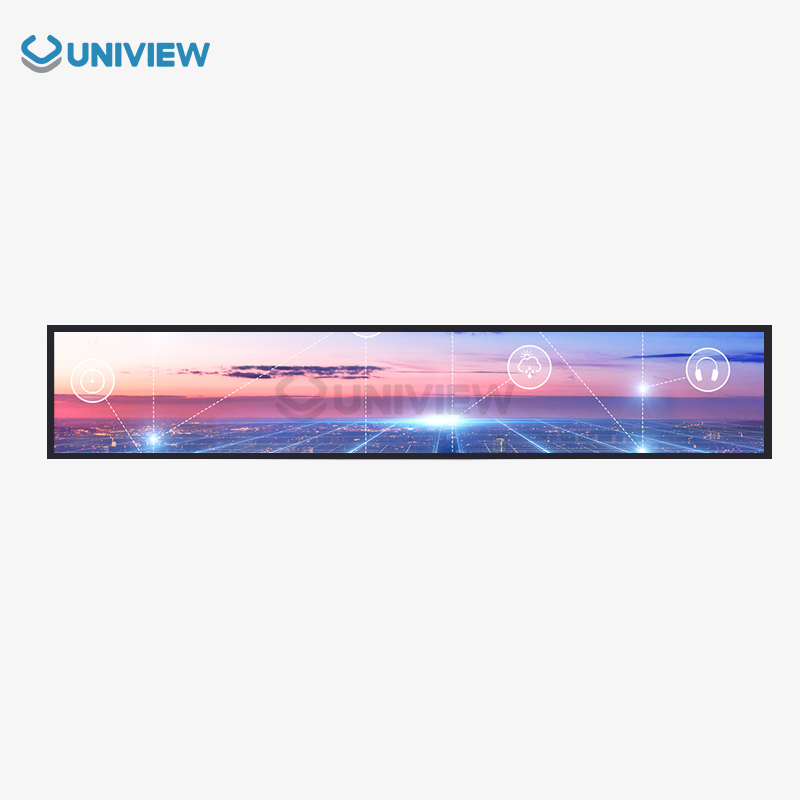
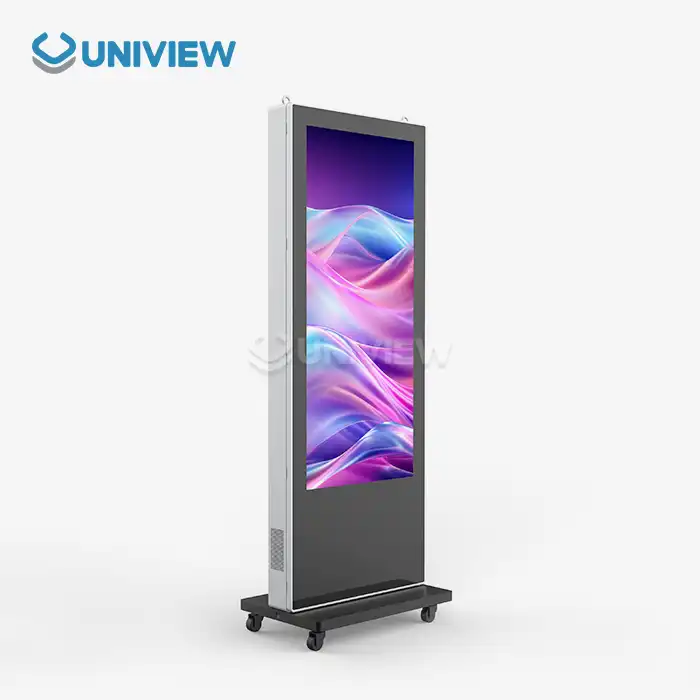
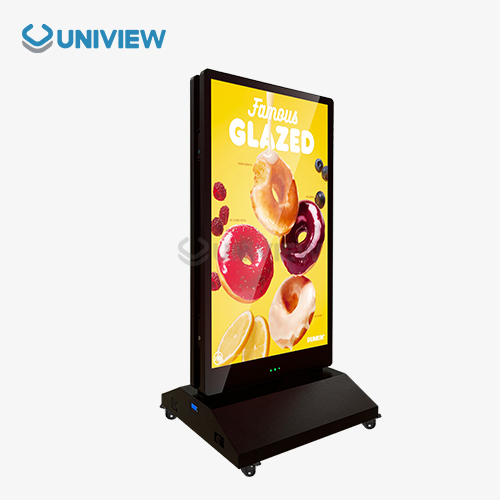
In the future, Self-service Terminal technology will make huge changes in how businesses interact with customers in retail, hospitality, and corporate settings. These smart kiosks are changing from basic places to make transactions into advanced digital touchpoints that use AI, biometric authentication, and cloud-based analytics. Self-service kiosks today work well with IoT systems. They use machine learning to offer personalised service and keep strong security. As we move towards 2025 and beyond, these terminals will have modular designs, better durability with IP66 ratings, and ultra-bright displays of over 3,000 nits so they can be seen clearly outside. This will change the way businesses interact with customers.
Current Landscape and Limitations of Self-Service Terminals
The self-service terminal market today includes many different interactive kiosks, like ones for retail checkout, banking, and checking into hotels. These devices usually have touchscreen displays, payment processors, receipt printers, and specialised software platforms that are designed to be used in certain industries. Today's terminals play important roles in making sure that people in a wide range of fields can do business more cheaply and easily.
Parts of the hardware and problems with integration
Modern self-service kiosks are made up of a lot of different hardware parts, like LCD or LED screens, built-in processors, card readers, and connectivity modules. But, many of today's systems have a hard time with the complexity of integration when they connect to ERP or CRM platforms. These problems with integration often lead to data "silos" that make it harder to run the business and analyse data.
Vulnerabilities in security and concerns about compliance
Right now, terminal deployments have a lot of security issues, especially when it comes to protecting data and following rules for the payment card industry. A lot of a customer's private data could be exposed because many installed systems use old encryption methods and don't have advanced login features. Also, maintenance costs can go up quickly when security updates need big changes to the hardware instead of small changes to the software.
Emerging Drivers Shaping the Future of Self-Service Terminal Technology
The main thing that has changed what self-service kiosks can do is technological progress. Better hardware, like faster ARM-based processors and modular component architectures, makes it possible for terminal solutions to be more responsive and adaptable. These changes make things better and open up new ways for the system to work.
Putting together machine learning and artificial intelligence
AI-powered terminals are changing the way people interact with each other by changing the interface to fit their needs and using predictive analytics. To greatly increase customer satisfaction, machine learning algorithms look at how people use menus and services to make menu layouts better and suggest services that people will want. Voice commands are possible with natural language processing, which makes computers easier for people with disabilities to use.
Payment technologies and contactless solutions that are state of the art
More and more contactless payment methods, like NFC-enabled mobile wallets and cryptocurrencies, are changing how people pay at terminals. Today’s terminals can use many different ways to verify a person, from old-fashioned card swipes to biometric fingerprint scans and facial recognition. These improvements make security better and cut down on the time it takes to complete a transaction.
Management and analytics platforms that are based in the cloud
With cloud integration, instead of fixing things after they break, you can optimise your terminal management ahead of time. On the whole, terminal networks are watched by real-time monitoring systems that keep track of performance metrics, user engagement patterns, and hardware health indicators. This approach uses data to make predictive maintenance scheduling and content updates based on analytics that are specific to the location.
Future Paradigms and Key Transformation Milestones
The move towards smart, multifunctional terminals is a big change in how businesses think about the places where customers interact with them. These next-generation devices go beyond the basic transactional roles they were designed for and turn into service hubs that support omni-channel customer experiences.
Smart Analytics and Connecting the IoT
Terminals utilizing IoT technology for Self-service Terminal can easily connect with nearby devices and systems. This helps to create smart spaces that can change based on conditions in real time. As a function of the lighting, temperature, and crowd size in the area, smart sensors change the brightness of the display and the speed of the interface. Because of this connectivity, terminals can be used to gather data for larger business intelligence projects.
Modular Design Architecture that lets you change things the way you want
Future terminal designs focus on modularity, which lets businesses set up hardware parts in ways that fit their needs. Standardised connection protocols make it easy to swap out and upgrade parts without having to replace the whole system. This method lowers the total cost of ownership a lot and extends the life of the equipment by making it better over time.
Strategic Procurement Insights for B2B Buyers in 2024 and Beyond
Procurement experts need to consider terminal solutions with big systems that are easy to use in the short term and have the potential for growth in the long term. It's important to consider how well it works, how easy it is to integrate, how safe it is, and how much help the vendor can give. Knowing this helps you make good decisions that protect your investments and help your business meet its changing needs.
Technical Information and Quality Standards
As software gets more complex and users become more demanding, today's terminals need to be able to do a lot. The speed of the CPU affects how people use and experience the device. For example, faster CPUs make interface animations smoother and response times quicker. The display has to be as bright as possible so that you can see it outside, be sensitive to touch so that people can use it with gloves on, and be strong for screens that are used in places where a lot of people are around.
Calculations of TCO and ROI
People who buy things in a smart way consider the total cost of ownership, not just the price of the first purchase. The promised long-term money is for maintenance, software licencing fees, connectivity costs, and getting better software. To find the return on investment, you need to see how much less you spend on labour, how much faster you process transactions, and how much happier your customers are because of terminal deployment.
Uniview Commercial's Advanced Self-Service Terminal Solutions
Uniview Commercial's high-tech interactive LCD displays are the best way to make self-service terminals work better, and that's what they focus on making. Our products have amazing brightness levels of 2000 to 4000 nits, which makes sure that you can always see them clearly, even when the lighting is bad. Our displays continue to work reliably in tough conditions with IP55 to IP65 water and dust protection ratings.
Our terminal display solutions use European manufacturing standards to create advanced heat dissipation technology and surface treatments that resist corrosion. These displays only make 60 dB of sound, which is about the level of a soft voice, even in difficult outdoor settings. Our double-layer anti-theft locks are more secure for public installations. The strong build includes 16-level wind resistance ratings, which makes them perfect for use in transport hubs and outdoor advertising.
As long as the project requirements are met, customisation capabilities let us change the display settings for the retail, corporate, hospitality, and transportation sectors. We are in over 100 countries around the world, and customers can get technical help from us online any time of day. Our full warranties last 3 to 5 years. Support from China Pacific Insurance Company and other third-party underwriters for quality assurance shows that we want to work with system integrators and brand owners around the world in the long term and build strong partnerships.
Conclusion
With AI integration, IoT connectivity, and modular design ideas, self-service terminal technology is about to make some big changes. These changes will make customer interaction platforms that are smarter, more flexible, and safer. These platforms will help businesses run more efficiently and save money. Companies that buy advanced terminal solutions now will be ready for future market opportunities. Better hardware, cloud-based management systems, and better security protocols are coming together to make new things possible for getting customers to interact with your business. As this field changes, the only way to get ahead is to team up with manufacturers who know about both current technical needs and new trends in the industry.
FAQ
Q: Over the next five years, what new technologies will have the biggest impact on self-service kiosks?
A: Combining AI and machine learning will bring the most change. This will let you use predictive analytics to tailor experiences to people. Also, biometric authentication systems and better contactless payment options will raise the bar for how safe and easy things are. Cloud-based management platforms will let people do maintenance in a new way: they will be able to see and fix problems from anywhere and right away.
Q: How can businesses make sure that their investment in self-service kiosks is protected from new kinds of hacking?
A: Biometric authentication, encrypted data transmission, and regular software updates are all great ways to keep your information safe on multi-layer security systems. You can improve the security parts of modular terminals without having to swap out the whole system. You are less likely to face new threats if you do compliance auditing and penetration testing often.
Q: When it comes to large-scale terminal deployments, which procurement models get the most value?
A: For big deployments, the best way to save money is usually to buy a lot of something from a well-known manufacturer. If a business needs to get things done quickly and can only spend a certain amount of money each month, leasing might be a good idea. In most cases, hybrids that mix direct buying and long-term service contracts are the best long-term deal. This is because they are cheaper to keep up with and promise quick help.
Partner with Uniview Commercial for Advanced Self-Service Terminal Solutions
Find out how Uniview Commercial's new display tech can help you with self-service terminal projects by offering better brightness, durability, and customisation options. Our engineering team has a lot of experience, and we offer full consultation services to help you choose the best ways to display your applications. We offer dependable self-service terminal manufacturing knowledge with support from around the world. Whether you need bright screens for outside or interactive touchscreens for inside, we can help. Call our experts today to learn more about how our high-tech LCD displays can help you get more customers. Get in touch to talk about your needs and get a full set of technical specs customised for your project. To start your journey towards next-generation self-service terminal excellence, email us at sales@univiewlcdisplay.com.
References
1. Smith, J. (2024). "The Evolution of Interactive Kiosk Technology in Retail Environments." Journal of Digital Commerce Technology, 15(3), 45-62.
2. Chen, L. & Rodriguez, M. (2023). "Artificial Intelligence Applications in Self-Service Terminal Design." International Conference on Human-Computer Interaction Proceedings, 287-301.
3. Thompson, R. (2024). "Security Protocols for Next-Generation Payment Terminals." Cybersecurity in Financial Technology Quarterly, 8(2), 123-138.
4. Williams, K. (2023). "IoT Integration Strategies for Smart Terminal Networks." Industrial IoT Applications Review, 12(4), 78-95.
5. Davis, S. & Park, H. (2024). "Modular Hardware Design Principles for Scalable Kiosk Systems." Advanced Manufacturing Technology Journal, 29(1), 156-171.
6. Johnson, A. (2023). "Total Cost of Ownership Analysis for Enterprise Terminal Deployments." B2B Technology Procurement Insights, 7(3), 89-104.