- English
- French
- German
- Portuguese
- Spanish
- Russian
- Japanese
- Korean
- Arabic
- Greek
- German
- Turkish
- Italian
- Danish
- Romanian
- Indonesian
- Czech
- Afrikaans
- Swedish
- Polish
- Basque
- Catalan
- Esperanto
- Hindi
- Lao
- Albanian
- Amharic
- Armenian
- Azerbaijani
- Belarusian
- Bengali
- Bosnian
- Bulgarian
- Cebuano
- Chichewa
- Corsican
- Croatian
- Dutch
- Estonian
- Filipino
- Finnish
- Frisian
- Galician
- Georgian
- Gujarati
- Haitian
- Hausa
- Hawaiian
- Hebrew
- Hmong
- Hungarian
- Icelandic
- Igbo
- Javanese
- Kannada
- Kazakh
- Khmer
- Kurdish
- Kyrgyz
- Latin
- Latvian
- Lithuanian
- Luxembou..
- Macedonian
- Malagasy
- Malay
- Malayalam
- Maltese
- Maori
- Marathi
- Mongolian
- Burmese
- Nepali
- Norwegian
- Pashto
- Persian
- Punjabi
- Serbian
- Sesotho
- Sinhala
- Slovak
- Slovenian
- Somali
- Samoan
- Scots Gaelic
- Shona
- Sindhi
- Sundanese
- Swahili
- Tajik
- Tamil
- Telugu
- Thai
- Ukrainian
- Urdu
- Uzbek
- Vietnamese
- Welsh
- Xhosa
- Yiddish
- Yoruba
- Zulu
Which Free Standing Digital Screen Works Best for Retail Marketing?
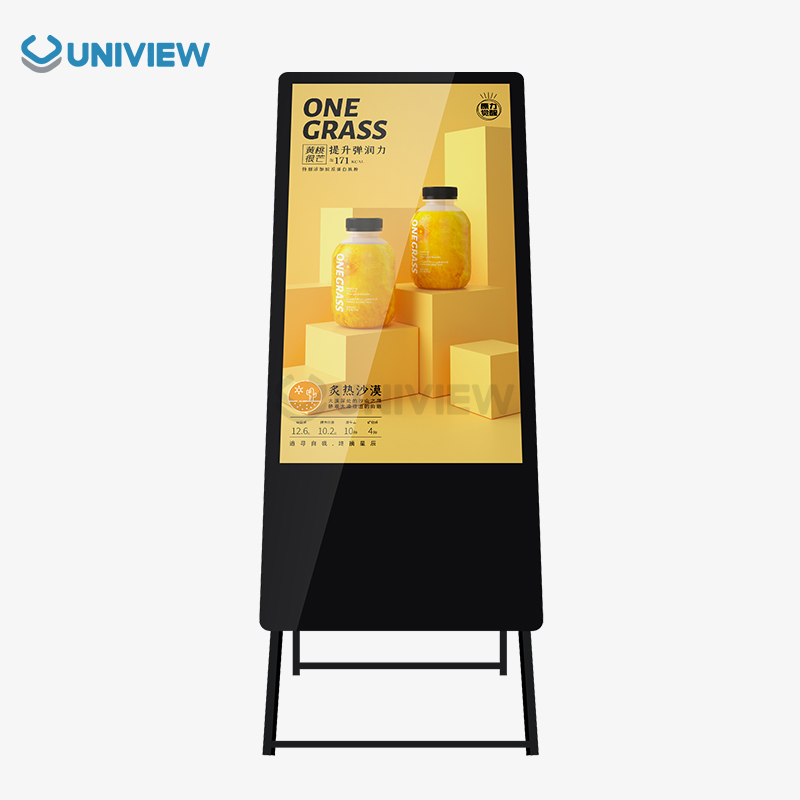
The optimal free-standing digital screen for retail marketing relies on your business environment and customer interaction goals. Storefronts with lots of natural light benefit from 2000-4000 nit LCD panels, whereas LED screens last longer and use less energy. Customer-interactive environments like product catalogs and navigation benefit from touchscreen models. Advertising and promotional content work well on non-touchscreen devices. Brightness, durability like IP65/66 certifications, screen size relative to viewing distance, and store management system integration are best balanced.

Understanding Free-Standing Digital Screens and Their Role in Retail Marketing
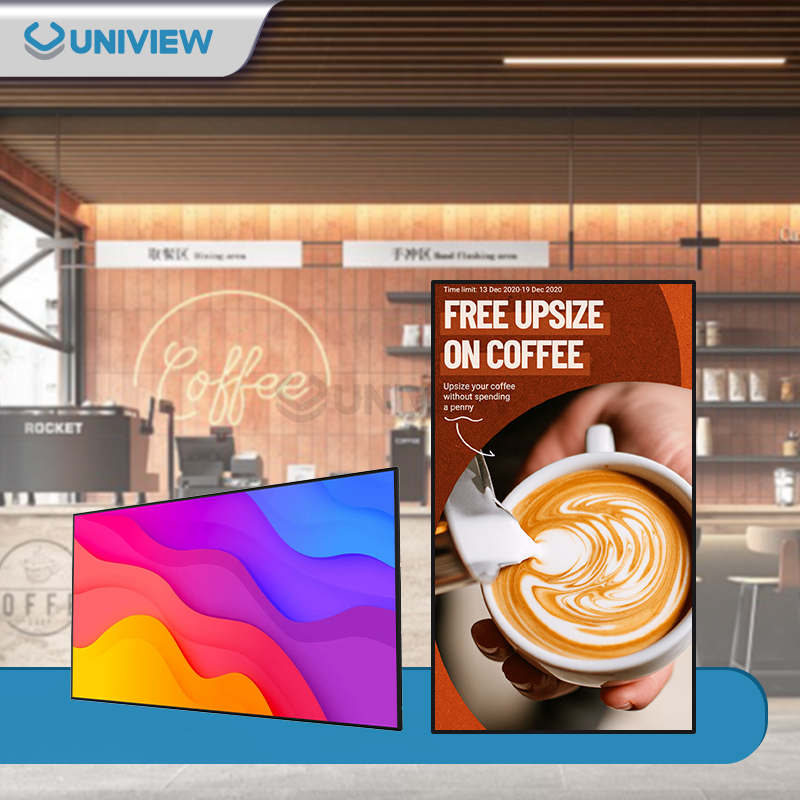
Free-standing digital screens revolutionize retail marketing by connecting businesses with customers and showcasing their items. Retailers can use these displays without wall mounting or permanent installation for unprecedented marketing flexibility.
Core Technologies and Display Types
Modern shop spaces benefit from digital display technologies built for marketing goals. LCD panels with LED backlighting create beautiful, crisp images for inside shop areas. These displays perform well under regulated lighting and have good color fidelity. However, LED screens directly create images using light-emitting diodes, making them brighter and more visible in poor lighting.
Touchscreens enable interactive client involvement that traditional signs cannot. Customers can browse product catalogs, view specifications, and buy directly from the display interface. Non-touchscreen choices are suitable for advertising campaigns and brand communications that don't demand input.
Connectivity and Installation Advantages
Independent displays are easier to install than mounted ones. Wi-Fi allows quick implementation and easy migration when retail layouts change without complex wiring. For content-heavy applications or wireless interference-prone situations, wired connections provide consistent, high-bandwidth transmission.
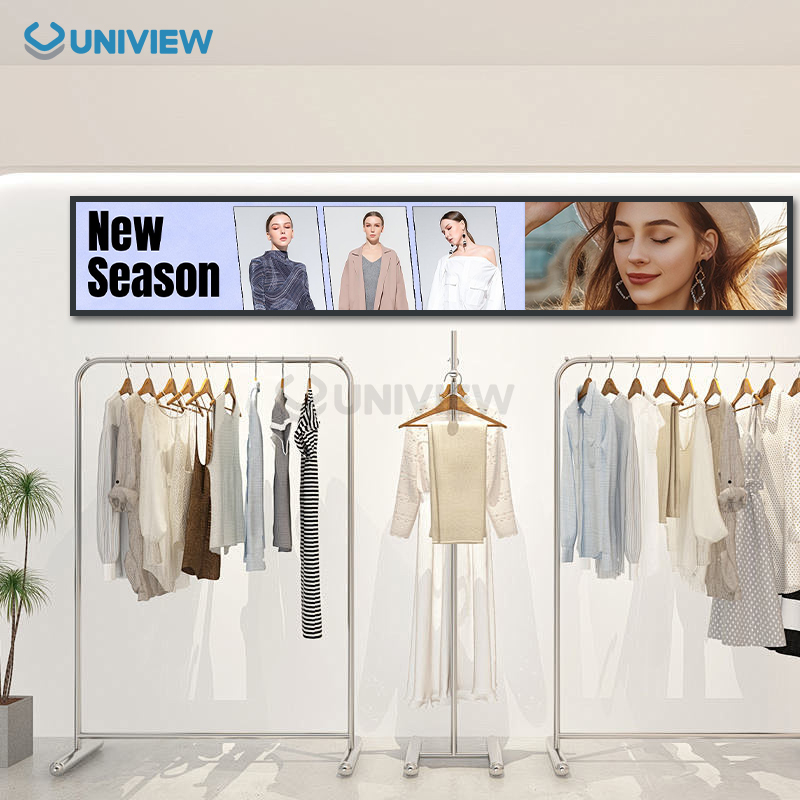
Strategic advantages come from these displays' versatility. Dynamic content refreshes price, promotions, and product information in real time, keeping marketing messages relevant. Displays can be moved to high-traffic areas during peak shopping hours or for special events and seasonal campaigns.
Evaluating Different Types of Free-Standing Digital Screens for Retail Use
Different retail display alternatives have different benefits based on the application. Understanding these variations helps procurement teams make marketing- and operational-aligned decisions.
Comparative Analysis of Display Technologies
Wall-mounted displays are permanent yet immobile in retail settings. Free standing digital screen kiosks are interactive but cost more and require more maintenance. Projectors may provide big displays at little cost, but diffuse illumination and bulb replacements are issues.
Professional presentation quality and operational flexibility are provided by standalone monitors. Units can be relocated to service locations without affecting store operations, making maintenance easy. Businesses that refresh their shop layouts or operate seasonal sites prefer isolated units due to cost.
LCD versus LED Performance Characteristics
Technical criteria distinguish LCD and LED technologies, which affect retail performance. For controlled lighting indoors, LCDs typically have 300-1000 nits of brightness. Storefronts and natural light applications benefit from 2000-4000 nit LED screens.
Technology energy usage habits vary greatly. LED displays last longer and use 30–50% less electricity than LCDs. LED displays demand larger initial investments, making LCD choices appealing for budget-conscious moderate-brightness deployments.
Interactive Features and Customer Engagement
Touchscreens turn passive advertising into client engagement. Interactive screens allow product demos, virtual try-ons, and instant product information. Complex product categories that require precise specs or comparison data benefit from these characteristics.
Interactive hardware requires more extensive software integration and technical support. Non-touchscreen displays are easier to use and maintain, but offer dynamic material that surpasses static signs.
How to Choose the Best Free-Standing Digital Screen for Your Retail Business?
Selecting the best display solution needs careful evaluation of numerous elements that affect performance and value. For successful deployment, procurement selections should balance technical demands with operational needs.
Essential Selection Criteria
Screen sizes must fit viewing distances and floor space to enhance visual impact without disrupting traffic. Product pictures and video material are increasingly displayed in 4K. Higher nit ratings are needed for situations with plenty of natural light.
Operational durability includes temperature tolerance, humidity resistance, and mechanical stability. To endure accidental hits and prolonged operating cycles, high-traffic displays must be durable. Connectivity solutions should match IT infrastructure capabilities and allow for expansion and integration.
Cost-Benefit Framework and Budget Planning
Comprehensive cost analysis beyond initial purchase pricing aids investment decisions. Manufacturer warranty durations vary, with extended warranties protecting mission-critical installations. Volume savings and service advantages lower the total cost of ownership in bulk purchase agreements.
Leasing benefits organizations with limited capital expenditures or frequent technology changes. Although stable installations require internal technical support, ownership offers long-term cost savings. Energy efficiency ratings affect display lifetime operational costs, making efficient models desirable despite higher upfront investments.
Projected usage patterns, content update frequencies, and retail management system integration complexity should be included in the decision framework. These factors affect operational costs and display option value.
Top Brands and Suppliers of Free Standing Digital Screens for Retail Marketing
Retail digital signage solutions are offered by many recognized manufacturers worldwide. Every brand offers unique technology advancements and services that appeal to different retail sectors.
Leading Manufacturer Capabilities
Samsung leads with display portfolios ranging from advertising panels to interactive solutions. QLED technology produces excellent color reproduction while meeting energy efficiency regulations for retail operation. LG OLED displays offer better contrast ratios and viewing angles, which are ideal for luxury retail locations where image quality affects brand perception.
Sony makes professional-grade screens with superior color accuracy and reliability for demanding commercial applications. Philips products are energy-efficient and environmentally friendly, appealing to CSR retailers. NEC's large-format screens and video walls generate stunning visuals for landmark retail sites.
Service and Support Considerations
Supplier evaluation goes beyond product specs to include service capabilities for long-term collaborations. Project timetables and seasonal marketing initiatives depend on delivery performance. Some companies provide turnkey installation support, while others specialize in hardware supply.
Retailers with special sizes, mounting, or environmental constraints need custom order flexibility. International merchants benefit from suppliers with worldwide service networks that can support numerous markets and time zones.
Technical support response affects operational continuity during peak business periods for display issues. Mission-critical retail installations benefit from 24-hour support and rapid replacement plans.
Setting Up and Maintaining Your Free-Standing Digital Screen System
Installation, configuration, and maintenance must be planned and systematic for success. A good setup ensures optimal performance and establishes maintenance routines that preserve investment value.
Installation Best Practices
Electrical requirements, network connectivity, and display-affecting environmental conditions are assessed during site evaluation. Marketing efficacy is maximized by strategic placement considering customer traffic, viewing angles, and lighting. Stability requires base selection and solid positioning to prevent tipping and movement.
Software calibrates displays for specific lighting and content. Color accuracy calibration maintains brand appearance across displays and locations. Brightness adjustment meets visibility and energy consumption goals without overwearing display components.
Maintenance Protocols and Troubleshooting
Regular maintenance extends display lifespan and prevents customer experience-affecting performance degradation. Avoid screen damage by considering screen surface treatments and touchscreen sensitivity during cleaning. Software upgrades fix security issues and add marketing features.
Hardware inspections detect faults before they impede operations. Content delivery and promotional material updates are guaranteed via connectivity monitoring. Network connection problems, display calibration drift, and content playback issues might affect retail operations. Common troubleshooting steps include
Performance monitoring and preventive maintenance avoid emergency service calls and optimize energy use. These programmes include scheduled cleaning, software upgrades, and component checks to maximise performance.
Company Introduction and Our Product & Service Solutions
Uniview Commercial is a major digital signage company serving retail clients in over 100 countries and regions. Our LCD and LED display technology is known for its high quality and flexible customisation for retail marketing.
Comprehensive Product Portfolio
From small boutiques to major department stores, our standalone digital displays cover every retail marketing scenario. LCD displays with 2000-4000 nits brightness give excellent image quality in harsh lighting conditions. Our LED solutions lower the total cost of ownership for continuous operation due to their energy efficiency and long lifespans.
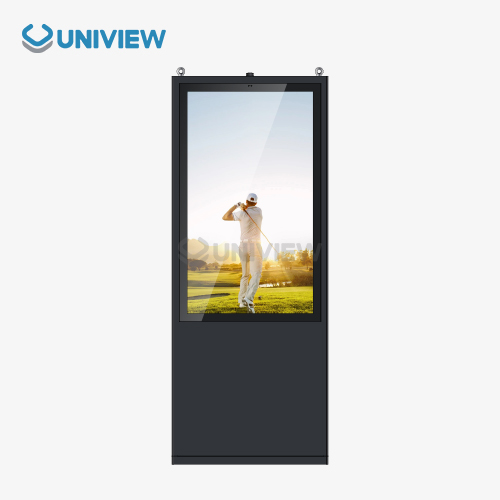
Interactive touchscreen devices use advanced touch technology to respond properly to client interactions while meeting high-traffic retail durability criteria. Durable IP65/66 dust and water-resistant screens ensure reliable performance in various retail conditions.
Value-Added Services and Support
Professional installation ensures ideal location and configuration for early marketing success. Our technical team trains retail workers on system operation and content management to maximize display potential. Maintenance plans include software upgrades, inspections, and quick repairs to minimize operational disruptions.
Extended warranty coverage from 3 to 5 years shows our product reliability and provides peace of mind for large retail purchases. For multinational retail enterprises where downtime immediately affects income, 24-hour online support is essential.
Conclusion
Technical parameters, operating needs, and budget must be considered while choosing a free-standing digital screen for retail promotion. Interactive information and high-brightness displays improve customer engagement in poor lighting. Successful implementation requires planning, competent installation, and regular maintenance to preserve investment value. Leading vendors provide comprehensive solutions with innovative technology and reliable support to meet retail marketing goals. Quality digital signage equipment boosts customer interaction, marketing flexibility, and brand visibility, helping retailers succeed.
FAQ
What screen size works best for retail marketing displays?
Optimal screen sizes depend on viewing distances and available floor space in retail environments. Displays between 43-55 inches work well for close customer interactions and detailed product information. Larger 65-75 inch screens provide better visibility in open retail spaces and high-traffic areas where customers view content from greater distances. The key is matching screen size to the typical customer viewing distance to ensure comfortable readability without overwhelming the space.
How do modern digital screens compare to traditional signage in energy efficiency?
Contemporary digital displays consume significantly less energy than traditional illuminated signage while providing superior flexibility and functionality. LED-based displays typically use 40-60% less power than older LCD models while delivering higher brightness levels. Smart power management features automatically adjust brightness based on ambient lighting conditions, further reducing energy consumption. Over a 5-year operational period, the energy savings often offset the higher initial investment costs compared to traditional signage solutions.
Can free-standing digital screens integrate with existing retail software systems?
Modern digital displays offer extensive connectivity options that enable seamless integration with retail management systems, inventory databases, and content management platforms. Wi-Fi and Ethernet connectivity support real-time updates to pricing, product information, and promotional content. Many displays include SDK (Software Development Kit) support that allows custom integration with proprietary retail systems. Cloud-based content management systems provide centralized control over multiple displays across different locations, enabling consistent brand messaging and efficient content updates.
Partner with Uniview Commercial for Superior Digital Signage Solutions
Ready to transform your retail marketing with cutting-edge display technology? Uniview Commercial delivers premium free standing digital screen solutions backed by comprehensive support services and industry-leading warranties. Our experienced consultants provide personalized evaluations and custom quotations tailored to your specific retail requirements. As a trusted global supplier with over a decade of manufacturing expertise, we offer reliable partnerships that drive retail success through innovative digital signage technology. Contact our team today at sales@univiewlcdisplay.com to discover how our advanced display solutions can elevate your customer engagement and boost marketing effectiveness.
References
1. Digital Signage Today. "Retail Digital Signage Market Analysis and Growth Projections 2024." Industry Research Publications, 2024.
2. Retail Technology Review. "Interactive Display Technologies: Impact on Customer Engagement in Modern Retail." Commercial Display Studies, 2024.
3. International Display Technology Association. "Energy Efficiency Standards and Best Practices for Commercial Digital Signage." Technical Standards Publication, 2024.
4. Global Retail Marketing Institute. "Free Standing Digital Display Implementation Guide for Retail Environments." Professional Guidelines Series, 2024.
5. Commercial Display Manufacturing Council. "Brightness Requirements and Environmental Considerations for Retail Digital Signage." Technical Specification Handbook, 2024.
6. Retail Space Design Journal. "Strategic Placement and ROI Analysis of Digital Display Systems in Retail Settings." Design and Technology Review, 2024.
Learn about our latest products and discounts through SMS or email