- English
- French
- German
- Portuguese
- Spanish
- Russian
- Japanese
- Korean
- Arabic
- Greek
- German
- Turkish
- Italian
- Danish
- Romanian
- Indonesian
- Czech
- Afrikaans
- Swedish
- Polish
- Basque
- Catalan
- Esperanto
- Hindi
- Lao
- Albanian
- Amharic
- Armenian
- Azerbaijani
- Belarusian
- Bengali
- Bosnian
- Bulgarian
- Cebuano
- Chichewa
- Corsican
- Croatian
- Dutch
- Estonian
- Filipino
- Finnish
- Frisian
- Galician
- Georgian
- Gujarati
- Haitian
- Hausa
- Hawaiian
- Hebrew
- Hmong
- Hungarian
- Icelandic
- Igbo
- Javanese
- Kannada
- Kazakh
- Khmer
- Kurdish
- Kyrgyz
- Latin
- Latvian
- Lithuanian
- Luxembou..
- Macedonian
- Malagasy
- Malay
- Malayalam
- Maltese
- Maori
- Marathi
- Mongolian
- Burmese
- Nepali
- Norwegian
- Pashto
- Persian
- Punjabi
- Serbian
- Sesotho
- Sinhala
- Slovak
- Slovenian
- Somali
- Samoan
- Scots Gaelic
- Shona
- Sindhi
- Sundanese
- Swahili
- Tajik
- Tamil
- Telugu
- Thai
- Ukrainian
- Urdu
- Uzbek
- Vietnamese
- Welsh
- Xhosa
- Yiddish
- Yoruba
- Zulu
Is a Free Standing Digital Screen Suitable for High-Traffic Areas?
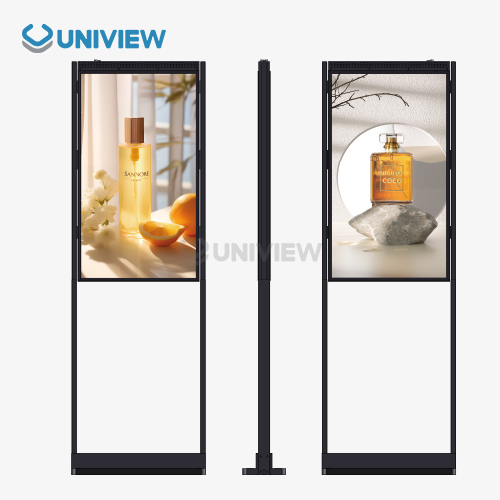
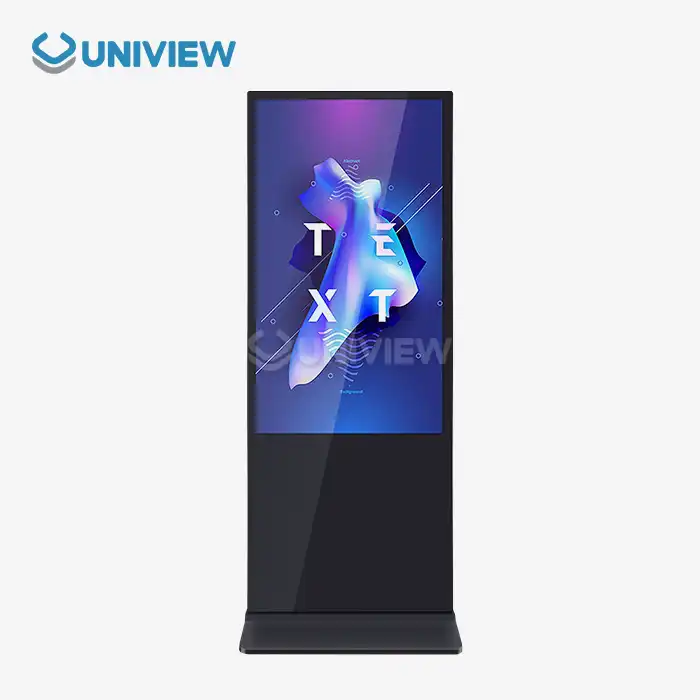
When accurately arranged and conveyed, free-standing advanced screens are perfect for high-traffic areas. Due to their situating flexibility, incredible perceivability, and solid development, these independent show units work well in active regions. Unsupported advanced screens can be deliberately set to maximize foot activity presentation, making them ideal for retail, transportation centers, corporate halls, and open-air publicizing settings that require energetic data conveyance.

Understanding Free Standing Digital Screens and Their Suitability for High-Traffic Areas
In congested commercial environments, autonomous display technology has transformed business-to-consumer communication. Free standing digital screens combine computing power, connectivity, and display capabilities in a portable unit.
Core Components and Technology Architecture
Cutting-edge standalone screens have various basic components for dependable operation in unforgiving conditions. High-resolution LCD or Driven shows give visuals, whereas inserted processors oversee and playback fabric. Progressed variations have remote communication modules for inaccessible substance overhauls and framework monitoring.
Application needs significantly influence the show of innovation. Indoor LCD boards give superior color exactness and viewing angles, though open-air LEDs have higher brightness levels. Real-time interactivity and information integration are conceivable on media players and advanced computing platforms.
Strategic Applications in Commercial Environments
Shopping centers use portable free standing digital screens to direct customers and promote seasonal marketing without infrastructure changes. These devices are deliberately placed for wayfinding and advertising at airports based on passenger traffic analytics. Lobbies and common spaces of corporate facilities use independent screens to dynamically display company messaging and visitor information.
These displays are versatile for temporary installations and events. Free-standing units enable rapid deployment at trade fairs, conferences, and pop-up retail sites. This flexibility saves money compared to standard signage options that need major installation.
Critical Performance Dimensions for High-Traffic Environments
Multiple technical aspects that affect visibility and operational reliability must be considered to optimize performance in congested regions. Environmental variables, viewing distances, and usage patterns affect digital display solution selection.
Brightness and Visibility Optimization
High-traffic ranges require screens with versatile brightness since encompassing light changes throughout the day. Indoor applications require 500 to 1,500 nits for perceivability, while open-air establishments require 2,500 to 4,000 nits to compete with coordinate daylight. Beneath unforgiving lighting, anti-glare coatings and high-contrast proportions make strides in readability.
The screen situation relative to normal and manufactured light sources significantly impacts seeing quality. Proficient installers assess, locate lines and lighting to decide suitable arrangement points and statures. Shows with programmed brightness sensors alter yield levels powerfully to protect perceivability and spare vitality.
Durability and Weather Resistance Standards
Advanced shows in high-traffic ranges are pushed by temperature, stickiness, tidiness, and physical touch. IP65 and IP66 benchmarks anticipate dampness and molecule interruption, and tempered glass overlays stand up to affect and vandalism.
Thermal administration frameworks diminish overheating during long operation, particularly in open-air applications with coordinate daylight. Nonstop operation plans in commercial situations must be considered in the ventilation plan and component determination. Quality screens utilize repetitive cooling and temperature checking to keep up execution.
Size and Resolution Considerations
The best screen sizes and pixel densities for message delivery depend on viewing distance. Large format displays from 55 to 98 inches accommodate high-traffic viewing distances, while 4K resolution shows text and graphics clearly from all angles.
Content design must account for brief viewing windows in hectic contexts. For moving audiences, bold images, large typography, and high contrast boost message understanding. Content types and viewing conditions can be optimized by screen orientation flexibility.
Evaluating Free-Standing Digital Screens Against Alternative Solutions
To choose the best display technologies and installation methods for certain applications and budgets, procurement decisions must be thoroughly examined.
Comparison with Wall-Mounted Displays
Wall-mounted installations save space and are secure, but they limit placement flexibility for changing traffic patterns. Mounting gear and skilled installation increase deployment costs and limit relocation. Freestanding solutions provide fast deployment and easy adjustment for seasonal or space changes.
Maintenance access varies greatly between mounting methods. Wall-mounted units may require specific equipment for service, although independent screens allow easy access to connections and components. Accessibility reduces service expenses and speeds up problem response.
Digital Kiosks versus Standalone Displays
Intuitively, stands offer more engagement than detached shows since they show and acknowledge client input. Stands have smaller screens and more complexity, which may not meet all communication needs. Standalone shows prioritize visual effect over interactivity.
For visibility-over-interactivity applications, detached screens are cheaper. Basic equipment formats diminish upkeep and component disappointment. Substance administration frameworks for standalone units permit more visit message upgrades than booth stages for particular applications.
Total Cost of Ownership Analysis
Long-term operational expenditures include energy, maintenance, and content management. Electricity prices drop over several years with energy-efficient LED backlighting and smart power management. Modular components provide cost-effective repairs and upgrades without unit replacement.
Display management platform choice affects software licensing and content authoring costs. Cloud-based CMSs scale well for multi-location deployments, whereas standalone solutions work best for single-site applications. Professional content production services maximize visual impact but need continuing costs.
Procurement and Deployment Considerations for B2B Buyers
Strategy must link technology capabilities with business goals and operational constraints for successful execution.
Traffic Analysis and Site Assessment
Understanding the group of onlookers' socioeconomics and behavior optimizes show and substance strategies. Crest activity, stay times, and seeing points influence screen specs and substance planning. Proficient location studies determine security and accessibility-compliant arrangement sites.
Installation complexity and operational capabilities depend on the control and network. Select electrical circuits and arrange associations permit reliable operation without building framework unsettling influence. Reinforcement control avoids benefit interferences amid imperative commerce periods.
Supplier Evaluation Criteria
Technical specifications represent just one aspect of supplier selection processes. Manufacturing quality standards, warranty terms, and local support capabilities significantly impact long-term satisfaction. International certifications and compliance documentation ensure compatibility with regional safety and electromagnetic interference regulations.
Here are the key evaluation factors that procurement teams should prioritize when assessing potential suppliers:
• Product quality certifications, including ISO standards and industry-specific approvals
• Warranty coverage duration and specific terms regarding component replacement and labor costs
• Local technical support availability and response time commitments
• Customization capabilities for unique application requirements
• Training programs for internal staff and ongoing support resources
These evaluation criteria help establish partnerships with suppliers who can deliver consistent value throughout the product lifecycle. Quality suppliers provide detailed technical documentation and application guidance that simplifies deployment and reduces implementation risks.
Installation and Integration Planning
Professional installation optimizes performance and meets local codes. Certified technicians know electrical, safety, and integration rules to protect equipment investments. Installation scheduling should allow for business operations and minimize inconvenience.
Display hardware, network infrastructure, and software platforms must coordinate for CMS integration. Before deployment, remote management and emergency notification systems are tested. Staff receive training in normal operating and basic troubleshooting.
Company Introduction and Product & Service Information
Uniview Commercial is a leading global manufacturer of professional LCD and LED digital signage systems for demanding commercial applications. Our decade of innovation has built strong collaborations in over 100 countries, offering high-quality products that succeed in high-traffic areas.
Advanced Technology and Quality Standards
Our manufacturing experience includes cutting-edge display technology for high-traffic deployments. Advanced heat dissipation technologies provide reliable operation in severe temperatures, and environmental simulation testing certifies performance under prolonged outdoor difficulties. International standards from Europe, America, and Japan ensure global compatibility and safety.
Every step of product development is quality-driven. High-quality offline coated AR glass provides visual clarity at 2,000 to 4,000 nits, making it visible in any setting. Operating at 60 dB is silent even in outdoor locations with varying ambient sound levels, thanks to acoustic engineering.
Robust Construction and Security Features
Our displays have sophisticated protective mechanisms for unsupervised public use. Water and dustproof ratings from IP65 to IP66 safeguard internal components, while corrosion resistance from European surface treatment technology improves operating longevity. Double-layer anti-theft locks prevent illegal entry, and 16-level wind resistance ratings stabilize in bad weather.
Comprehensive Support and Warranty Coverage
Because each customer has distinct operational needs, we offer customized solutions for specific applications and conditions. Our technical team works with clients to create high-performance, budget-friendly combinations.
Our 3- to 5-year warranty shows our trust in product durability and production excellence. Technical support is provided 24/7 online worldwide. Quality coverage from China Pacific Insurance Company and third-party insurers protects against unforeseen equipment breakdowns.
Conclusion
Free-standing digital screens are ideal for high-traffic locations when correctly configured and implemented. The versatility, visibility, and durable construction make them excellent for retail, corporate, hotel, and transportation applications. Success requires rigorous assessment of traffic, environmental, and performance factors. Advanced technology and extensive support services from Uniview Commercial help firms maximize digital display investments in tough commercial environments.
FAQ
What brightness level is recommended for outdoor screens in busy pedestrian zones?
Outdoor displays in high-traffic areas require brightness levels between 2,500 and 5,000 nits for optimal visibility during daylight hours. This range ensures content remains clearly visible even under direct sunlight conditions. Automatic brightness sensors can adjust output levels based on ambient conditions, optimizing both visibility and energy efficiency throughout the day.
How do maintenance requirements differ between free standing and wall-mounted units?
Free standing displays offer superior accessibility for routine maintenance and service procedures compared to wall-mounted alternatives. Technicians can access all connections and internal components without specialized equipment or safety procedures required for elevated installations. However, free standing units may experience greater exposure to environmental factors and potential physical contact in high-traffic areas.
Can free standing screens be easily moved to adapt to changing foot traffic patterns?
Modern free standing displays are designed with mobility in mind, featuring integrated wheels or lightweight construction that facilitates repositioning. However, power and network connections may limit placement flexibility unless wireless connectivity options are utilized. Professional consultation helps determine optimal mobility configurations based on specific site requirements and usage patterns.
Partner with Uniview Commercial for Your Digital Display Success
Ready to transform your high-traffic space with premium digital signage technology? Uniview Commercial offers comprehensive solutions tailored to demanding commercial environments. Our team provides expert consultation, customized product recommendations, and complete installation support to ensure optimal performance. Connect with our specialists at sales@univiewlcdisplay.com to discuss your free standing digital screen requirements and discover why leading brands trust Uniview Commercial as their preferred digital signage manufacturer. Experience the difference that professional-grade displays and dedicated support can make for your business communication objectives.
References
1. Digital Signage Federation. "Best Practices for High-Traffic Digital Display Deployment." Annual Industry Report, 2023.
2. International Display Society. "Brightness Standards and Visibility Guidelines for Commercial Digital Signage." Technical Publication Series, 2023.
3. Commercial Display Research Institute. "Total Cost of Ownership Analysis for Free Standing Digital Displays." Market Research Report, 2023.
4. Global Retail Technology Association. "Digital Signage Performance Metrics in High-Traffic Retail Environments." Industry White Paper, 2023.
5. Public Space Technology Council. "Weather Resistance and Durability Standards for Outdoor Digital Displays." Technical Standards Document, 2023.
6. Digital Display Manufacturers Association. "Procurement Guidelines for Commercial Digital Signage Systems." Professional Buyer's Guide, 2023.


Learn about our latest products and discounts through SMS or email