- English
- French
- German
- Portuguese
- Spanish
- Russian
- Japanese
- Korean
- Arabic
- Greek
- German
- Turkish
- Italian
- Danish
- Romanian
- Indonesian
- Czech
- Afrikaans
- Swedish
- Polish
- Basque
- Catalan
- Esperanto
- Hindi
- Lao
- Albanian
- Amharic
- Armenian
- Azerbaijani
- Belarusian
- Bengali
- Bosnian
- Bulgarian
- Cebuano
- Chichewa
- Corsican
- Croatian
- Dutch
- Estonian
- Filipino
- Finnish
- Frisian
- Galician
- Georgian
- Gujarati
- Haitian
- Hausa
- Hawaiian
- Hebrew
- Hmong
- Hungarian
- Icelandic
- Igbo
- Javanese
- Kannada
- Kazakh
- Khmer
- Kurdish
- Kyrgyz
- Latin
- Latvian
- Lithuanian
- Luxembou..
- Macedonian
- Malagasy
- Malay
- Malayalam
- Maltese
- Maori
- Marathi
- Mongolian
- Burmese
- Nepali
- Norwegian
- Pashto
- Persian
- Punjabi
- Serbian
- Sesotho
- Sinhala
- Slovak
- Slovenian
- Somali
- Samoan
- Scots Gaelic
- Shona
- Sindhi
- Sundanese
- Swahili
- Tajik
- Tamil
- Telugu
- Thai
- Ukrainian
- Urdu
- Uzbek
- Vietnamese
- Welsh
- Xhosa
- Yiddish
- Yoruba
- Zulu
Why Are Retailers Using Portrait LCD Window Displays?
Retailers are using portrait semi-outdoor LCD window displays more and more because they make storefronts much more visible and get customers more involved. The portrait style naturally fits the way people look at things, which makes promotional material easier to understand and more interesting to look at. These special digital screens are very bright—often more than 2000 nits—so images look clear and bright even when they're outside in the sun. Because they are partially outdoor, they are resistant to weather and use less energy. This gives stores a cheaper option than fully outdoor solutions that have been ruggedized, and they still work better in window-facing areas where regular indoor displays don't work.

Understanding Portrait Semioutdoor LCD Window Displays
What Defines a Portrait Semioutdoor LCD Window Display?
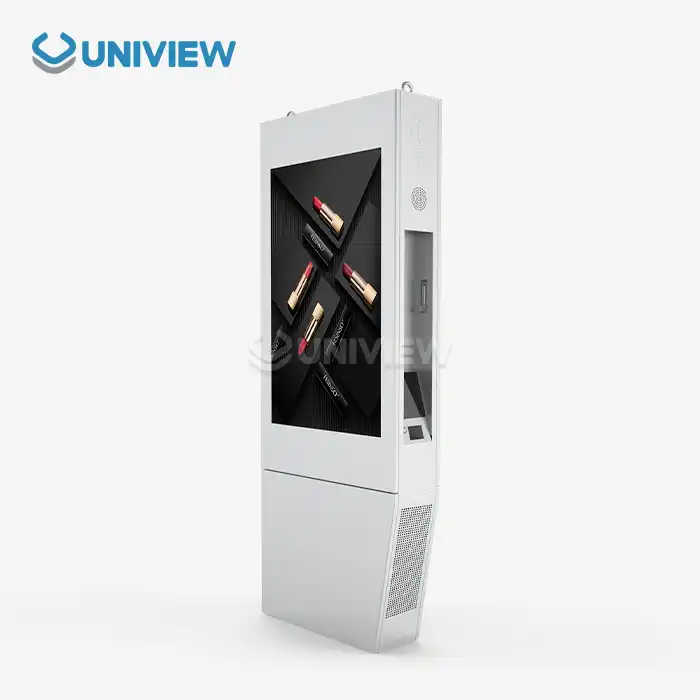
When used in partly open spaces like shops, portrait semioutdoor LCD window displays are special digital screens that are made to be viewed vertically. In contrast to traditional landscape monitors, these units improve content delivery by having upright aspect ratios that match how people naturally see things and make the most of limited window space. The semioutdoor label means that their design works both indoors and outdoors. They have improved brightness levels (between 1500 and 4000 nits), protective front panels with anti-glare coatings, and thermal management systems that handle changes in temperature without damaging the display.
Core Technology Behind High-Performance Window Displays
These screens use industrial-grade LCD panels with better backlit systems to power their technology. We use high-quality offline-coated AR glass that makes pictures very clear while reducing reflections, which is very important when fighting with sunlight. Advanced thermal management uses metal back covers to passively remove heat, which solves the important problem of heat building up in enclosed window areas. Our screens use high-Tni liquid crystals that don't turn black even when the temperature inside the screen goes up. This means that our screens don't have the slow response times that most consumer-grade screens do. These technical choices guarantee operating stability 24 hours a day, seven days a week. This is a must in retail settings where downtime directly affects sales.
Environmental Durability Meets Aesthetic Design
Portrait window displays are tough and look good at the same time. Our units have water and dustproof ratings of IP65 to IP66, which means that they keep internal parts safe from the water and dust that are typical in storefront setups. European surface treatment technology is used to make the building resistant to corrosion, which extends the product's life in humid or seaside store areas. Even though the displays are made with strong engineering, they still have thin profiles and smooth borders that don't take away from the design of the window. One problem that stores have been having for a long time is that their displays need to be strong enough to last in tough settings while also being stylish enough to improve how people think of their brand.
Key Benefits of Using Portrait LCD Window Displays in Retail
Maximum Visibility in High-Traffic Environments
Portrait screens get people's attention in a way that landscape screens can't because they are upright. People usually look up when they get close to storefronts, so portrait orientation is a great fit for how people see. Our portrait semioutdoor LCD window displays have brightness levels between 2000 and 4000 nits, which is a lot brighter than the 500 to 700 nits that most market displays have. This high level of brightness blocks out other visual noise, like direct sunlight and shop lights next door. Independent retail studies show that high-brightness digital signs make people stay on the street 35–40% longer than standard static posters. This directly leads to more people walking into the store and making purchases.
Operational Efficiency and Cost Savings
Here are the main practical benefits these screens offer:
- Energy Efficiency: Portrait semioutdoor LCD window displays use 30–40% less electricity than fully outdoor-rated digital signs but still provide the same level of visibility. Our units have ambient light sensors that change the brightness automatically depending on the lighting conditions around them. This saves energy in the evenings and on cloudy days.
- Minimal upkeep needed: Because the building is sealed and the parts are industrial-grade, retailers don't have to do as much upkeep. In contrast to projection systems that need new bulbs or outdoor displays that need to be cleaned often, our window displays only need to be cleaned on the outside three times a year and technically checked once a year.
- Extended Operational Lifespan: These investments will pay off for many years because the commercial-grade parts are rated for 50,000 hours of constant use. It is possible for our screens to run 24 hours a day, seven days a week, without any damage to the parts because they have strong power sources and cooling systems.
- These operational savings directly address the total cost of ownership worries of businesses that buy things. Retailers save money on energy costs, complicated installations, and ongoing upkeep contracts by getting a display option that is made to fit their needs. The combination makes for strong ROI estimates that show that the original investment was worth it because of the long-term savings in operations.
Enhanced Customer Engagement Through Interactive Capabilities
These days, portrait window screens do more than just show information. Touchscreen-enabled models turn stores into engaging experiences that let people look through catalogs of products, check inventory, or get information about sales without going inside the store. This feature is especially useful outside of business hours, allowing customers to interact with stores outside of normal business hours. Our all-in-one solutions let remote content management systems join via WiFi, 4G, and LAN. This lets retailers quickly change messages in multiple places in response to changes in inventory, weather, or competitive developments.
Comparing Portrait Semioutdoor LCD Displays with Other Types
Portrait Semioutdoor vs. Fully Outdoor Digital Signage
Fully outdoor shows offer the most safety for the environment, but they are very expensive and hard to set up. They usually need complicated mounting frames, separate cooling systems, and weatherproof shelters, which raises the costs of both buying them and keeping them in good shape. Portrait semioutdoor LCD window displays are safe enough for use in storefronts, where they face outward and are protected by window gaps or overhangs, without these extra requirements. Our semioutdoor units have 1500–4000 nits of brightness, which is bright enough for window viewing without the heat management problems and high power needs of fully outdoor screens with 5000+ nits of brightness.
Advantages Over Transparent LCD Window Displays
The look of transparent LCD technology is interesting, but it has some problems in real life. The brightness and color of these screens are usually only 40 to 50 percent of those of regular LCD panels. This makes material look washed out when it's bright outside. Portrait semioutdoor LCD window display screens make content brighter and easier to read, so advertising messages are always clear and powerful, no matter what the lighting is around. The opaque design also gives sellers full control over how content is shown without any visual distraction from items in the store or the inside of the store that can be seen through clear displays. After having trouble seeing in real life, clients who were first interested in clear technology often switch to portrait semioutdoor LCD window display options.
Enhanced Performance Compared to Indoor Displays
When standard indoor business displays are put near windows, they break down quickly. Their 500–700 nit brightness isn't enough to block sunshine, so material is hard to see during the hottest parts of the day. Also, indoor displays don't have the thermal control needed for sites near windows, where solar heat gain makes the temperature very high or very low. Our portrait semioutdoor LCD window displays have extra bright screens, anti-reflective coatings, and heat protection that were made to work in these tough conditions. As a result, stores get professional-grade performance that is tailored to window applications instead of solutions that aren't as good because they were used indoors.
Selecting the Right Portrait Semioutdoor LCD Window Display for Your Retail Business
Critical Performance Specifications to Evaluate
To choose the right window displays, you need to carefully weigh technical specs against working needs. Brightness is still very important. For stores that are in the shade, we recommend at least 1500 nits, and for places that get full sunlight, we suggest 2000–4000 nits. Resolution should meet the watching distance. 1080p resolution works well for screens that are seen from 10 feet or more, while 4K resolution is better for displays that are looked at up close. Panel technology is important. IPS panels offer wider viewing angles (160°+), which is important when people are walking by and looking at displays at odd angles. Operating temperature ranges should be based on the weather where you live. For example, industrial-grade screens are usually rated from -20°C to +70°C to keep the liquid crystal from freezing or responding slowly when temperatures drop or rise.
Leading Manufacturers and Customization Potential
LG, Samsung, Sony, Philips, and NEC are all well-known brands in the business display market, and each has its own benefits. But more and more, stores around the world are realizing that specialized makers like Uniview Commercial offer better value by letting customers customize their products in ways that big consumer electronics brands can't. Our tech teams work directly with clients to set custom aspect ratios, brightness levels, mounting arrangements, and computer systems that are built to work in a variety of store settings. This custom approach is especially helpful for stores that have specific architectural needs or brand-specific presentation needs that standard products can't meet.
Procurement Strategies and Support Considerations
Smart buying goes beyond unit price to include the value of the whole solution. When looking at portrait semioutdoor LCD window display suppliers, make sure you read the guarantee terms carefully. For example, our warranties are backed by China Pacific Insurance Company and third-party insurers for an extra 3 to 5 years and cover everything. Our live response system is available 24 hours a day, 7 days a week, so technical help is available no matter what time zone you're in or where you are in more than 100 countries. When deciding what to buy, you should think about how customizable the product is, how much it costs, and how much help you get with getting it installed. When retailers put up displays in more than one place, they get a lot more out of suppliers who offer "turnkey solutions" that include gear, content management platforms, installation services, and ongoing technical support.
Practical Applications and Use Cases for Retailers
Storefront Promotion and Brand Visibility
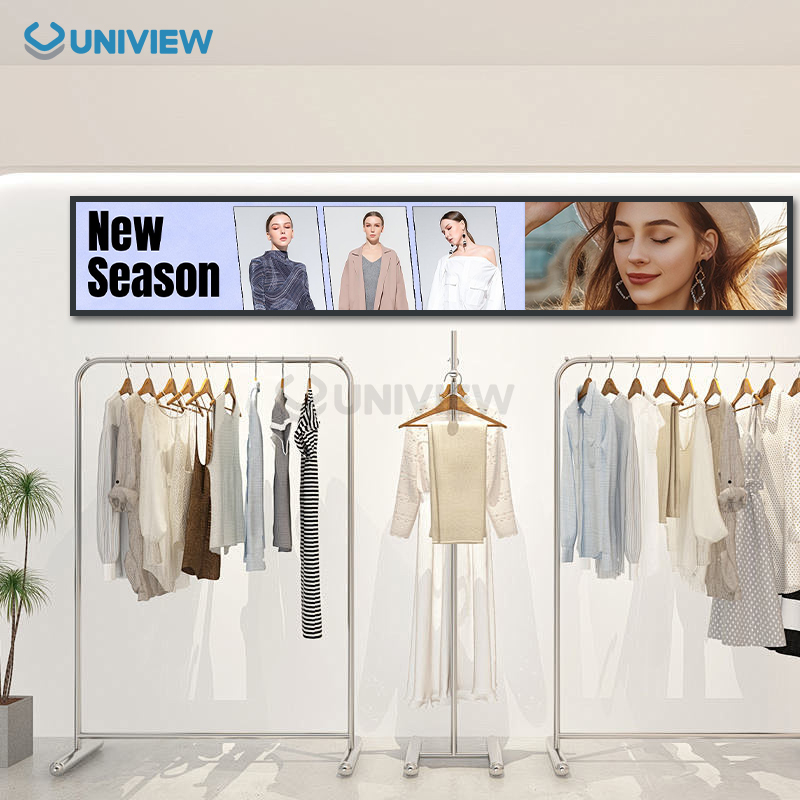
Fashion stores use portrait semi-outdoor LCD window displays to show off new styles every season. These displays use moving videos that static models can't do. The vertical format perfectly frames full-body fashion photos, so stores can show customers full-on styling ideas that spark their interest and make them want to buy. Electronics stores use these screens to show off product features through video clips, which really brings the features of the products to life for people who are just looking at them. Food stores use portrait semioutdoor LCD window display screens to show off food items with bright pictures that make people hungry, which directly affects their buying choices before they even enter the store. All of these apps have one thing in common: they use engaging visual storytelling to turn random people walking by into driven shoppers.
Interactive Product Catalogs and Wayfinding
With touchscreen-enabled portrait screens, shops can be used for sales 24 hours a day, seven days a week. Customers can look through inventory, compare choices, check specs, and get information about sales on their own, even when shops are closed. This self-service feature is especially useful for stores that have huge catalogs of products that they can't physically show. Shopping mall guides use portrait screens to help people find their way, and they also have interactive maps that make it easier for people to get around in large stores. Vertical formats naturally work better with full guide listings and floor plans with more than one level than landscape formats.
Measurable Results from Real-World Deployments
A national clothing store that put photo window displays in 50 sites saw a 28% rise in foot traffic in the first three months after the displays were put up. An electronics store found that interactive window displays got 40% more contact than standard signs, and that each customer spent more than 90 seconds interacting with the displays on average. These measured results prove that portrait semioutdoor LCD window displays are worth the money, turning them from marketing costs into assets that bring in money. System installers and brand owners who are thinking about investing in digital signs can use the data-driven results to back up their purchases.
Conclusion
Portrait semioutdoor LCD window displays give modern stores real economic benefits by making their products more visible, making their operations more efficient, and letting them interact with customers. Their advanced engineering, which combines high brightness, longevity in harsh environments, and vertical format optimization, directly solves the problems that come up with storefront digital signs. In comparison to other technologies, these give retailers marketing tools that work effectively in tough circumstances, use less energy, and need less maintenance. The flexibility allows for a wide range of uses, from passive brand promotion to interactive product study. In real life, deployments have regularly been shown to increase foot traffic and customer interaction. As the competition in stores gets tougher, these displays are smart investments that boost brand awareness and produce real business results.
FAQ
1. What brightness level is necessary for effective window display visibility?
The best light for you depends on where you are. At 1500 to 2000 nits, displays in stores that are covered or that face away from direct sunlight work well. Places that get full sunlight need between 2500 and 4000 nits to stay visible during the day. Our screens have ambient light sensors that change the output automatically to improve sight while saving power. For exact lighting suggestions, we suggest that you talk to our expert team about your location's conditions.
2. How often do portrait window displays require maintenance?
Compared to projection systems or fully outdoor signs, our industrial-grade portrait semioutdoor LCD window displays don't need as much upkeep. Maintenance usually includes cleaning the outside glass every three months and doing technical checks once a year to make sure the cooling system is working right and that all the connections are secure. Because they are protected and made with high-quality parts, they don't need as much maintenance. In fact, most units work perfectly for years of constant use.
3. Can these displays be customized for unique storefront configurations?
Of course. We are experts at making custom aspect ratios and sizes to fit the needs of each builder. Our engineers use cut-glass technology, which lets them make millimeter-level changes for setups that are set back, column spaces that are too small, or windows that aren't the standard size. In addition to changing the size, we can also change the lighting, add certain media players or computer platforms, and come up with mounting solutions that are perfect for your installation space and operating needs.
Partner with Uniview Commercial for Your Portrait Semioutdoor LCD Window Display Needs
Uniview Commercial is a reliable company that makes portrait semioutdoor LCD window displays. They offer cutting-edge solutions that are designed to work in tough store settings. Our screens are very bright (2000–4000 nits), have great AR glass coatings, and are protected by IP65/66 standards. They also come with full warranties that last 3–5 years and expert help that is available 24/7 around the world. We know that every store has its own problems, which is why we're dedicated to offering special customization services that big names in consumer electronics can't match. Our skilled engineers work directly with system installers and brand owners to create custom solutions that improve performance, installation speed, and the dependability of operations. Get in touch with our experts right away at sales@univiewlcdisplay.com to talk about your unique needs. Let us show you why stores in over 100 countries trust Uniview Commercial's portrait semioutdoor LCD window displays to turn storefronts into strong places for engaging customers.
References
1. Digital Signage Federation (2023). "Brightness Standards for Semi-Outdoor Commercial Display Applications." Commercial Display Technology Quarterly, Vol. 18, Issue 3.
2. Retail Technology Institute (2024). "Portrait vs. Landscape Orientation: Consumer Engagement Metrics in Window Display Applications." Journal of Retail Marketing Technology.
3. Thompson, R. & Martinez, J. (2023). "Thermal Management in Semi-Outdoor LCD Displays: Engineering Solutions for Extended Operational Life." Display Engineering and Technology Review.
4. National Retail Federation (2024). "Digital Window Displays: ROI Analysis and Implementation Best Practices for Multi-Location Retailers." NRF Technology Report Series.
5. Chen, L., Park, S. & Williams, K. (2023). "Comparative Analysis of Display Technologies for Storefront Applications: LCD, LED, and Transparent Display Performance Metrics." International Journal of Commercial Display Systems.
6. Global Digital Signage Association (2024). "Environmental Durability Standards for Semi-Outdoor Commercial Displays: IP Rating Requirements and Real-World Performance Data." GDSA Technical Standards Publication.
Learn about our latest products and discounts through SMS or email