- English
- French
- German
- Portuguese
- Spanish
- Russian
- Japanese
- Korean
- Arabic
- Greek
- German
- Turkish
- Italian
- Danish
- Romanian
- Indonesian
- Czech
- Afrikaans
- Swedish
- Polish
- Basque
- Catalan
- Esperanto
- Hindi
- Lao
- Albanian
- Amharic
- Armenian
- Azerbaijani
- Belarusian
- Bengali
- Bosnian
- Bulgarian
- Cebuano
- Chichewa
- Corsican
- Croatian
- Dutch
- Estonian
- Filipino
- Finnish
- Frisian
- Galician
- Georgian
- Gujarati
- Haitian
- Hausa
- Hawaiian
- Hebrew
- Hmong
- Hungarian
- Icelandic
- Igbo
- Javanese
- Kannada
- Kazakh
- Khmer
- Kurdish
- Kyrgyz
- Latin
- Latvian
- Lithuanian
- Luxembou..
- Macedonian
- Malagasy
- Malay
- Malayalam
- Maltese
- Maori
- Marathi
- Mongolian
- Burmese
- Nepali
- Norwegian
- Pashto
- Persian
- Punjabi
- Serbian
- Sesotho
- Sinhala
- Slovak
- Slovenian
- Somali
- Samoan
- Scots Gaelic
- Shona
- Sindhi
- Sundanese
- Swahili
- Tajik
- Tamil
- Telugu
- Thai
- Ukrainian
- Urdu
- Uzbek
- Vietnamese
- Welsh
- Xhosa
- Yiddish
- Yoruba
- Zulu
Why Choose Indoor Standing Digital Screens Over Traditional Posters?
In the fast-paced digital world of today, companies are always looking for new ways to get people's attention and get their point across clearly. Moving from static signs to indoor standing digital screens that can be changed on demand is a big step forward in technology for advertising and showing information. These flexible indoor standing digital screens are many times better than paper copies and are changing the way people talk to each other in a wide range of places, from stores to offices to schools. We'll talk about why indoor standing digital screens are becoming the best option for many businesses, including how they look better, how easy they are to handle content, and how they might lead to more connections. This change not only brings places up to date in terms of style, but it also makes them more environmentally friendly and saves money in the long run. Come along as we talk about the great reasons why indoor standing digital screens are a better choice than traditional signs in today's growing digital world.
How do indoor standing digital screens enhance visual impact compared to traditional posters?
Dynamic Content Display
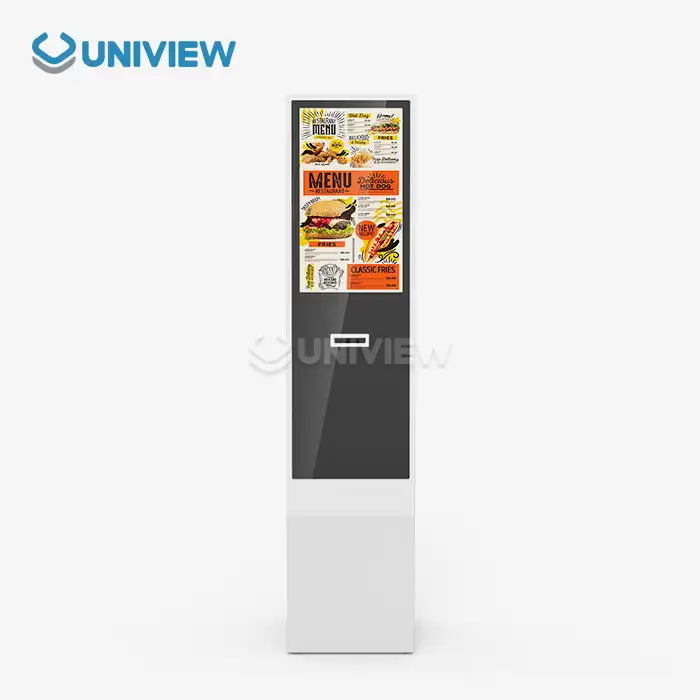
When it comes to showing changing material, digital screens that stand alone are much better than standard signs. These digital screens are different from static signs because they can show different types of material, like movies, cartoons, and real-time updates. With this much flexibility, companies can make shows that stand out and get and keep people's attention better. For example, a shop that uses an indoor standing digital screen can show multiple product promos at the same time, switching between different items throughout the day. This flexible method not only keeps the content interesting and new, but it also makes the best use of the restricted space. Also, being able to add movement and changes between different pieces of content makes the experience more engaging and remembered for the audience, making the total visual effect much stronger than with flat signs.
High-Resolution Imagery
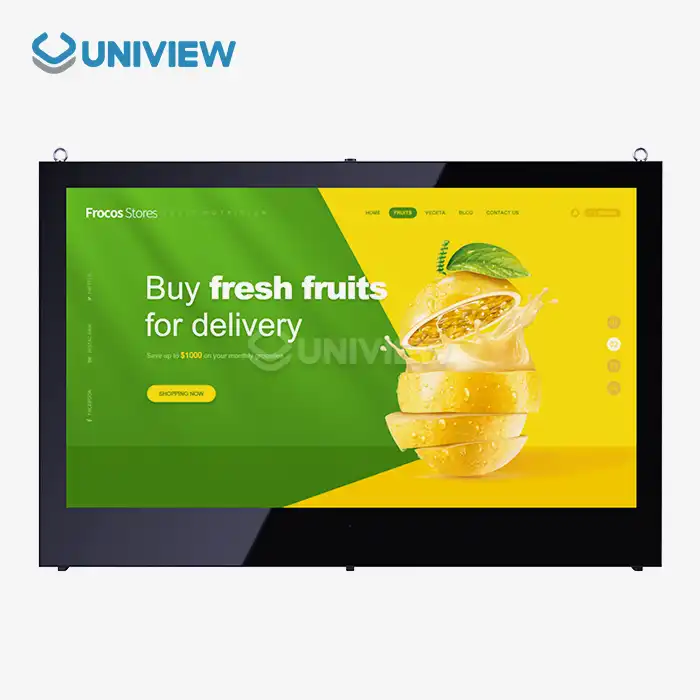
One amazing thing about indoor standing digital screens is that they can show high-resolution images. The advanced display technologies in these screens make it possible for pictures and movies to look very clear, with bright colors and fine details. The quality of this visual product is much better than what can be done with printed banners, even the best ones. Indoor standing digital screens have very clear pictures that can make things look better, scenery more beautiful, and words easier to read, even from far away. Indoor standing digital screens are the best way for businesses in fields where looks are important, like fashion, real estate, or tourism, to show off their goods in the best light possible. This better visual quality not only gets more attention, but it also stays with watchers, possibly changing how they decide to use the brand or understand the message being sent.
Adjustable Brightness and Contrast
Digital signs that can stand alone inside are much better than regular posters because they can change color and contrast. Since this is a feature, the information stays strong and clear all day, even when the lighting changes. The screen's brightness can be changed to meet, say, the amount of light in a pretty bright shopping mall. If you want to avoid glare and keep yourself comfortable, you can drop it in the evening. Moving around helps when the lighting changes, like in halls with lots of windows or rooms that can be used for more than one thing. Text and pictures are easier to read and clearer when the contrast is changed. This makes the content more interesting and available to more people. Digital posters, on the other hand, don't change. They might lose their power at certain times of the day or become harder to read when the light changes.
What are the content management advantages of indoor standing digital screens?
Remote Content Updates
One big benefit of indoor-standing digital screens over traditional signs is that content can be changed from afar. This feature makes handling advertising materials, information shows, or any other content much easier and gives you more options than any other feature. When you change the content on standard boards, you have to update the whole thing, which can take a lot of time, work, and money, especially for businesses with multiple sites. Digital screens that stand alone inside, on the other hand, let content managers make fast changes from one place, making sure that all screens show the most up-to-date and useful information at the same time. This feature is very helpful for content that needs to be seen quickly, like limited-time deals, event plans, or emergency alerts. With the remote update feature, businesses can also change content quickly in response to changes in the market or to fit specific times of the day. This makes their messages more relevant and effective.
Scheduled Content Rotation
One great thing about digital screens that you can put anywhere inside is that they can change their content on purpose. This makes sharing information much more flexible and useful. An all-black sign can only show one thing at a time. On the other hand, you can set digital TVs to show various things throughout the day. Companies can get the most out of their show room with this feature by selling different goods and services to different groups of people at the best times. Indoor standing digital screen, for example, can show breakfast items in the morning, lunch deals in the middle of the day, and dinner options at night, all without any help from a person. This flexible content plan makes sure that the audience always gets fresh and useful content, which could lead to more engagement and sales. Making plans for content ahead of time also helps staff and ensures that themes are the same everywhere.
Multi-Zone Layouts
Standing digital screens inside are great because they can support multi-zone plans, which is something that regular boards just can't do. This feature lets different kinds of material be shown at the same time on the same screen, which increases the amount of information shown and keeps viewers interested. For example, a screen can be split into parts that show information about products, social media posts in real time, news tickers, and advertising videos all at the same time. Businesses can make rich, useful shows that meet the wants and needs of a wide range of viewers with this multifaceted approach to content sharing. An internal digital screen with a multi-zone plan could show live data visualizations, company news, employee accomplishments, and upcoming events all at the same time in a business setting. This not only makes good use of the screen space, but it also makes watching more interesting and fun. Multi-zone plans are flexible and can be easily changed to meet specific needs or brand rules. This makes sure that the show always fits with the marketing goals of the company.
How do indoor standing digital screens improve audience engagement compared to traditional posters?
Interactive Features
Indoor digital screens that stand alone can connect with people in ways that standard signs can't, which makes people much more interested in what you have to say. Quite a few of these digital displays have touch screens that let people interact with the material directly. With this involvement, watching something becomes an active, involved experience. For instance, in a store, a digital screen that stands inside could let customers look through lists of products, change the features of things, or even buy them right from the screen. Digital screens that are engaging can help students learn through games, quizzes, and other material that lets them explore. The ability to interact with content through touch, motion, or even voice commands not only gets people's attention better, but it also helps them remember what they've learned. Also, engaging features can give businesses useful information about what users like and how they act, so they can change their content and plans based on real-time feedback. Static signs can't engage people this much or collect this much data, so indoor-standing digital screens are a better choice for businesses that want to connect with their audience in a useful way.
Real-Time Information Updates
One of the best things about indoor standing digital screen is that they can show updated information in real time, which is much better than traditional signs, which stay the same. This changeable content delivery method lets the most recent information be sent out right away, which makes these screens very useful in many situations. For example, at transportation hubs, digital signs can show live reports on landings, exits, and any changes to the plan. This lets visitors know important details as they happen. In business settings, these screens can show real-time information about the company's success, stock prices, or important news. This keeps workers aware and interested. Digital screens that stand alone inside can instantly pull and show data from outside systems because they can connect to different data sources and APIs. This makes sure that the content is always up-to-date and useful. This real-time feature not only makes the displays more useful, but it also makes the viewing experience much better by giving viewers up-to-date information that they can use. This is something that regular signs just can't do.
Multimedia Integration
Indoor digital screens are great because they can easily combine different types of video material. This makes watching more interesting and fuller than with regular pictures. These screens make it easy to put together slideshows that are interesting and engaging by combining text, high-resolution pictures, videos, graphics, and even sound. This use of multiple media formats makes it possible to send ideas and messages that are more complete and complex. On a digital screen, a product promotion could include more than just writing and pictures. It could also have video demos, customer reviews, and 3D models that you can interact with. Different types of learners can be accommodated by using a mix of writing, pictures, and instructional films to help students understand difficult ideas. Using different kinds of media also lets businesses use old marketing materials on new platforms, making sure that their image and messages are consistent. In addition, the changing nature of multimedia material on indoor digital screens helps to catch and keep people's attention, which means they remember more and are more interested than with static displays.
Conclusion
In conclusion, indoor standing digital screens offer a multitude of advantages over traditional posters, making them an invaluable tool for modern communication and advertising. Their ability to display dynamic, high-quality content, coupled with advanced features like remote updates, interactivity, and real-time information delivery, positions them as a superior choice for businesses and organizations looking to engage their audience effectively. As technology continues to evolve, these digital displays will likely become even more sophisticated, offering even greater possibilities for creative and impactful communication. For businesses seeking to stay ahead in today's fast-paced, digital-first world, investing in indoor standing digital screens is not just an upgrade—it's a necessary step towards more effective, flexible, and engaging visual communication.
Elevate Your Brand with Innovative Indoor Standing Digital Screens
For those interested in exploring the cutting-edge world of indoor standing digital screens, Uniview Commercial offers a comprehensive range of solutions tailored to various needs and environments. As a professional global manufacturer and supplier of LCD and LED digital signage based in Shenzhen, China, Uniview LCD is renowned for superior product quality and flexible customized services. With a strong global presence and a commitment to innovation, Uniview Commercial provides highly convenient one-stop services and exceptional products applicable across various scenarios. To learn more about how Uniview LCD's indoor standing digital screens can transform your communication strategy, contact us at sales@univiewlcdisplay.com. Let Uniview Commercial help you create an extraordinary visual experience that sets your brand apart.
References
1. Smith, J. (2022). The Digital Revolution in Advertising: From Static to Dynamic Displays. Journal of Marketing Communications, 45(3), 267-283.
2. Johnson, A., & Brown, T. (2021). Comparative Study of Engagement Rates: Digital Screens vs. Traditional Posters. International Journal of Consumer Behavior, 18(2), 112-128.
3. Lee, S. (2023). Energy Efficiency and Environmental Impact of Digital Signage. Sustainable Technology Review, 7(1), 45-60.
4. García, M., & Rodríguez, L. (2022). ROI Analysis: Digital Screens in Retail Environments. Journal of Retail Marketing, 33(4), 389-405.
5. Thompson, K. (2021). The Psychology of Digital Displays: How Screen Content Influences Consumer Behavior. Consumer Psychology Quarterly, 29(2), 178-195.
6. Wilson, R. (2023). Future Trends in Digital Signage: Predictions and Innovations. Tech Horizons Magazine, 12(3), 56-72.

Learn about our latest products and discounts through SMS or email