- English
- French
- German
- Portuguese
- Spanish
- Russian
- Japanese
- Korean
- Arabic
- Greek
- German
- Turkish
- Italian
- Danish
- Romanian
- Indonesian
- Czech
- Afrikaans
- Swedish
- Polish
- Basque
- Catalan
- Esperanto
- Hindi
- Lao
- Albanian
- Amharic
- Armenian
- Azerbaijani
- Belarusian
- Bengali
- Bosnian
- Bulgarian
- Cebuano
- Chichewa
- Corsican
- Croatian
- Dutch
- Estonian
- Filipino
- Finnish
- Frisian
- Galician
- Georgian
- Gujarati
- Haitian
- Hausa
- Hawaiian
- Hebrew
- Hmong
- Hungarian
- Icelandic
- Igbo
- Javanese
- Kannada
- Kazakh
- Khmer
- Kurdish
- Kyrgyz
- Latin
- Latvian
- Lithuanian
- Luxembou..
- Macedonian
- Malagasy
- Malay
- Malayalam
- Maltese
- Maori
- Marathi
- Mongolian
- Burmese
- Nepali
- Norwegian
- Pashto
- Persian
- Punjabi
- Serbian
- Sesotho
- Sinhala
- Slovak
- Slovenian
- Somali
- Samoan
- Scots Gaelic
- Shona
- Sindhi
- Sundanese
- Swahili
- Tajik
- Tamil
- Telugu
- Thai
- Ukrainian
- Urdu
- Uzbek
- Vietnamese
- Welsh
- Xhosa
- Yiddish
- Yoruba
- Zulu
Why Is Kiosk LED Gaining Popularity in Digital Marketing?
Kiosk LED displays are transforming digital marketing and delivering unparalleled interaction across industries. Traditional advertising media cannot match the brightness, durability, and energy efficiency of these modern LED-powered digital signage devices. Their capacity to captivate consumer attention and provide advertisers with dynamic content control has driven adoption. Modern businesses know that kiosk LED technology provides the right mix of visual impact and operational reliability for outdoor advertising campaigns.
Understanding Kiosk LED Displays in Digital Marketing
Digital signage technology has transformed business-to-consumer communication, and LED kiosks are the apex. Marketing-specific digital screens use modern Light Emitting Diode technology to display colorful, high-visibility visual material. These devices adjust LED pixels to create bright, dynamic visuals that are visible in various lighting conditions.
Core Technology and Display Principles
LED kiosk displays use precise LED module control to create spectacular visual content. Each pixel has red, green, and blue LEDs that produce millions of colors. This modular method allows high contrast ratios and wide color gamuts, guaranteeing marketing messages are visible in any lighting.
Modern LED displays have advanced driver circuits and control systems for power and picture processing. The system lets marketers adjust information in real time based on audience demographics, weather, and promotions.
Indoor vs. Outdoor Kiosk Applications
When establishing digital marketing campaigns, global B2B clients must distinguish between interior and outdoor kiosk installations. LED kiosks in indoor areas have regulated lighting and temperature. For engaging experiences, these screens may have touch-screen functionality and increased pixel density for close viewing.
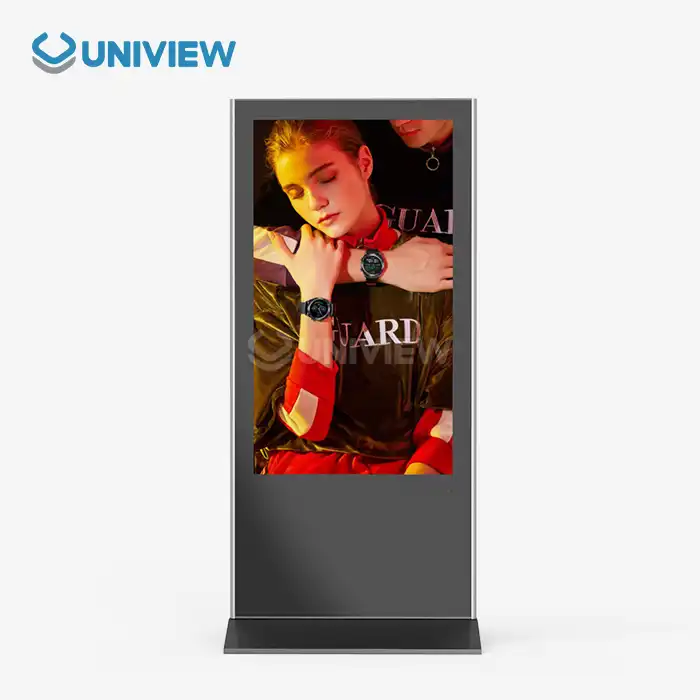
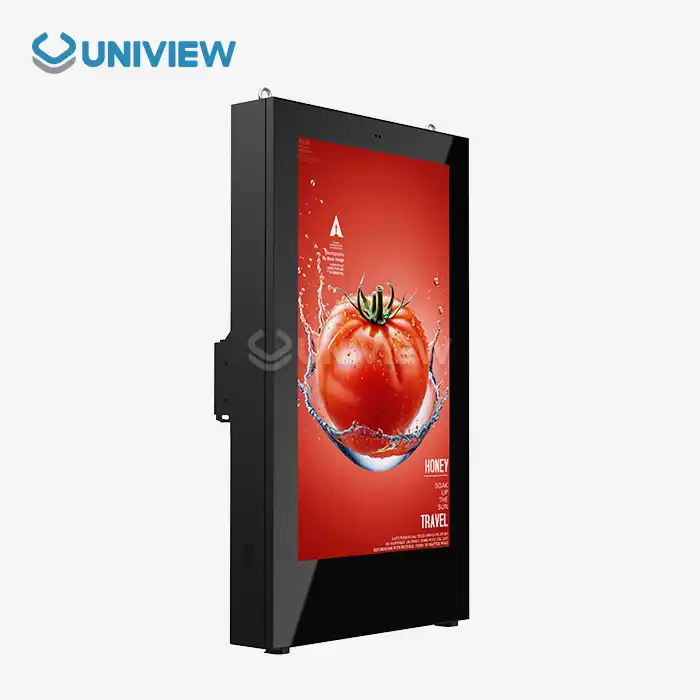
Outdoor kiosk LED displays have more difficult operational requirements. They must sustain performance despite temperature changes, moisture, dust, and bright sunshine. Uniview Commercial's F170P model has IP65/66 protection and 4000 nit brightness.
Size and Resolution Considerations
Correct screen dimensions and pixel density affect marketing effectiveness and budget. Highway advertising and transportation hubs benefit from large-format displays' long-range appeal. Retail locations where viewers interact with content at closer ranges benefit from smaller displays with increased pixel density.
Content and viewing distance drastically affect resolution. Text-heavy apps need higher pixel density for legibility, whereas image-focused ads can employ larger pixel pitches. When defining display attributes, marketers must balance visual quality, affordability, and installation logistics.
 Comparing Kiosk LED with Alternative Display Technologies
Each display technology in the digital signage business has pros and cons that affect its usefulness for marketing applications. Understanding these variations helps procurement professionals make operational and budget-friendly decisions.
LED vs. LCD Performance Analysis
LED displays outperform LCDs in brightness, energy usage, and lifespan. LED displays reach 3000 nits, ensuring visibility in direct sunshine, unlike LCD screens, which average 700-1500 nits. Better message exposure and marketing effectiveness result from this brightness advantage.
LED energy usage trends provide another benefit. Over its lifespan, LED displays use 30-50% less electricity than LCD installations, lowering operational costs. Custom repairs are possible with LED displays' modular construction, which allows for module replacement without replacing the screen assembly.
Heat generation distinguishes these methods. LED displays operate at lower temperatures, lowering cooling needs and component longevity. This thermal efficiency is crucial for outdoor installations where daytime temperatures vary greatly.
Interactive Capabilities and User Engagement
The ability of digital signage to engage viewers and inspire content interaction is crucial. LED kiosks have simple motion sensors that modify content and complete touch-screen capability for complicated user interactions.
Self-service software on touch-enabled LED screens lets clients browse product information, shop directories, and conduct transactions. Weather and vandalism concerns make outdoor touch applications fragile, they must be carefully considered throughout planning.
Cost Analysis and Return on Investment
Acquisition costs, installation costs, and operational needs must be considered while investing. LED screens cost more than LCD displays, but their durability and lower maintenance costs can minimize their total cost of ownership over time.
Large-scale installations can save a lot of energy. High-usage outdoor LED displays save thousands of dollars in annual energy costs by using 40-60% less electricity than LCD displays.
Strategic Benefits of Kiosk LED in Modern Digital Marketing Campaigns
Modern marketing requires display technology that can adapt to different environments and maintain visual performance. The versatility and reliability of LED kiosk displays help current campaigns accomplish their engagement goals.
Enhanced Visibility and Consumer Attention
Brighter displays increase viewer engagement and message retention, according to market studies. LED displays are bright enough to be seen in direct sunshine, so marketing messages reach their targets regardless of illumination.
LED technology's wide color range improves color reproduction, helping brands maintain visual identity across marketing materials. This color fidelity is crucial for retail applications where product depiction affects buying decisions.
Marketers can use dynamic content to create more engaging visual experiences than static displays. Engaging animation, video, and real-time information updates prolong viewing and boost message comprehension.
Energy Efficiency and Sustainability Benefits
LED displays are environmentally preferable to other technologies, and corporate sustainability efforts increasingly impact technology acquisition. Modern LED displays are more energy-efficient and perform better, reducing carbon footprints and operational expenses.
LED displays last 50,000–100,000 hours, reducing waste and replacement. Over the display's lifespan, this longevity reduces manufacturing resources and disposal needs.
Modular LED architecture allows targeted component replacement, prolonging system lifespan and decreasing waste. Module failures can be replaced without abandoning the display assembly, promoting circular economy principles and lowering environmental impact.
Content Customization and Campaign Flexibility
Digital marketing strategies must adjust content swiftly to market conditions, seasonal incentives, and real-time events. LED kiosk displays enable dynamic content management, allowing advertisers to constantly enhance their messaging.
Remote content management lets marketing teams change display information across many locations, assuring consistent messaging and saving operational costs. Retail chains, hotel companies, and transit networks with distributed display installations benefit from centralized control.
Real-time content adaptation lets marketers use local weather, traffic, and demographics to boost engagement. These capabilities enable complex marketing methods that static signs cannot.
How to Procure the Right Kiosk LED Display for Your Business Needs?
Effective LED display buying demands careful consideration of technical criteria, vendor capabilities, and long-term support. The intricacy of these systems requires a comprehensive study to guarantee that selected solutions meet operational and fiscal requirements.
Technical Specification Evaluation
Outdoor display brightness is crucial for visibility and marketing. Outdoor installations need brightness levels above 2500 nits to be seen in direct sunshine, while indoor applications can use 800-1500 nits depending on ambient illumination.
Pixel pitch affects viewing distance and content detail. Fine pixel pitches perform well for close-viewing applications with detailed text and graphics, whereas bigger pixel pitches work well for distant viewing with enormous images and little text.
Outdoor installations need weatherproofing. For most outdoor applications, IP65 and IP66 ratings provide acceptable dust and water protection, while coastal installations may need additional corrosion resistance to survive salt spray.
Vendor Assessment and Support Services
Supplier evaluation should include manufacturing, quality control, and post-installation support. Established manufacturers with comprehensive quality management systems ensure product reliability and consistent performance over time.
Supplier warranty terms and coverage vary; analyzing them helps protect investment value. Three- to five-year warranty terms increase product durability and vendor commitment to customer satisfaction.
Global support is essential for multinational deployments that require local technical assistance for maintenance and repairs. Technical difficulties can be resolved faster and with less downtime by vendors with established service networks.
Installation and Integration Considerations
Professional installation protects warranty coverage and optimizes display performance. Complex exterior installations require structural mounting, electrical connections, and weatherproofing skills that general contractors may not have.
To ensure compatibility with content management systems and network infrastructure, software integration requirements should be assessed early in procurement. Systems may be expanded and modified more easily using standard protocols and open architecture.
Consider operational staff training while choosing a vendor. Internal teams may undertake routine maintenance and basic troubleshooting with comprehensive training, lowering support costs and enhancing system uptime.
Uniview Commercial: Your Trusted Partner in Advanced LED Display Solutions
Innovative technology and superior manufacturing make Shenzhen Uniview Commercial Display CO., LTD. a global digital signage leader. Our dedication to quality has made us a top choice for businesses seeking reliable, high-performance LED display solutions that offer marketing results.
Comprehensive Product Portfolio
Our flagship F170P Outdoor Kiosk LED Display showcases our product line's excellent engineering and attention to detail. High-brightness LED modules with innovative lamp bead designs offer excellent contrast ratios and wide color gamut performance, allowing marketing information to be seen even in harsh outdoor conditions.
Compared to LCD displays, our modular assembly method has many advantages. When needed, LED modules can be replaced instead of screen assemblies, reducing long-term operational costs and boosting environmental sustainability.
Advanced heat dissipation technology ensures reliable performance in various working circumstances on our displays. Specialized thermal management systems protect delicate electronics and optimize display performance over long durations.
Advanced Technical Capabilities
We exhibit worldwide quality and reliability by meeting European, American, and Japanese standards. These certifications ensure our goods satisfy strict safety and performance standards and ease international sourcing.
Our ultra-clear offline coated AR glass technology provides optimal visibility in various ambient lighting conditions, with brightness ranging from 2000 to 4000 nits. This unique glass treatment reduces reflections and maximizes light transmission for better vision.
IP65 to IP66 water and dust protection ratings ensure reliable performance in harsh outdoor conditions, while European surface treatment technology improves corrosion resistance in coastal and industrial environments.
Quality Assurance and Customer Support
Our production methods are quality-controlled to assure product performance and reliability. Each display is tested and inspected before shipment to ensure it meets our high standards.
Our three- to five-year warranty packages boost product durability and customer happiness. Online technical help is available 24/7 worldwide, eliminating downtime and protecting investment value.
Professional installation and integration improve display performance and safeguard warranties. Our experienced technical teams collaborate with customers to build and integrate infrastructure and content management systems smoothly.
Conclusion
Digital marketing is increasingly using kiosk LED displays because of their excellent visual performance, operational reliability, and long-term cost effectiveness. These innovative display solutions deliver the brightness, durability, and flexibility current marketing campaigns need to reach people in varied contexts. LED technology delivers compelling benefits that explain investment decisions and support long-term marketing goals as organizations pursue sustainability and operational efficiency.
FAQ
What is the expected lifespan of commercial kiosk LED displays?
Commercial-grade LED displays typically provide operational lifespans ranging from 50,000 to 100,000 hours, depending on usage patterns, environmental conditions, and maintenance practices. This translates to approximately 8-15 years of normal operation when displays run 12-14 hours daily. Proper maintenance and environmental protection can extend these lifespans significantly.
LED technology offers inherent advantages in longevity compared to alternative display technologies. The solid-state nature of LED components eliminates mechanical wear mechanisms that affect traditional lighting systems, while advanced thermal management prevents heat-related degradation that can shorten component life.
How do energy consumption costs compare between LED and LCD displays?
LED displays consume approximately 30-50% less energy than comparable LCD installations while delivering superior brightness performance. This efficiency advantage becomes particularly significant for large-scale installations where energy costs represent substantial operational expenses over the display's service life.
Real-world energy consumption varies based on content characteristics, brightness settings, and operational schedules. However, typical outdoor LED displays consume between 150 and 400 watts per square meter, compared to 250-600 watts for equivalent LCD installations.
What customization options are available for specific marketing requirements?
Modern LED display systems offer extensive customization capabilities to meet specific marketing objectives and environmental requirements. Size and resolution specifications can be tailored to optimize viewing distance and content detail requirements, while specialized enclosure designs accommodate unique installation challenges.
Software integration capabilities enable seamless connection with existing content management systems and marketing automation platforms. Custom mounting solutions, enhanced environmental protection, and specialized interface options ensure that displays can be adapted to virtually any application requirement.
Transform Your Marketing Impact with Uniview Commercial LED Solutions
Discover how our cutting-edge kiosk LED displays can revolutionize your digital marketing effectiveness and drive measurable engagement results. Uniview Commercial combines decades of manufacturing expertise with innovative technology to deliver LED display solutions that exceed performance expectations while providing exceptional value for your investment. Our F170P series and comprehensive product portfolio offer the reliability, brightness, and customization capabilities that demanding applications require. Contact our expert team at sales@univiewlcdisplay.com to explore how our kiosk LED manufacturer expertise can enhance your marketing campaigns with displays engineered for superior performance and longevity.
References
1. Digital Signage Today Magazine. "LED Display Technology Trends and Market Analysis for Commercial Applications." Industry Research Publications, 2024.
2. International Society for Digital Signage. "Energy Efficiency Standards and Best Practices for Outdoor LED Display Installations." Technical Standards Journal, 2024.
3 Marketing Technology Review. "Consumer Engagement Metrics and Display Technology Performance Analysis." Consumer Behavior Research Institute, 2024.
4. Commercial Display Industry Association. "Global Market Trends in Digital Signage Technology Adoption." Market Analysis Report, 2024.
5. Journal of Advertising Technology. "Comparative Analysis of Display Technologies for Outdoor Marketing Applications." Academic Research Publications, 2024.
6. LED Display Engineering Standards. "Environmental Performance and Durability Testing Protocols for Commercial LED Displays." Technical Engineering Society, 2024.
Learn about our latest products and discounts through SMS or email