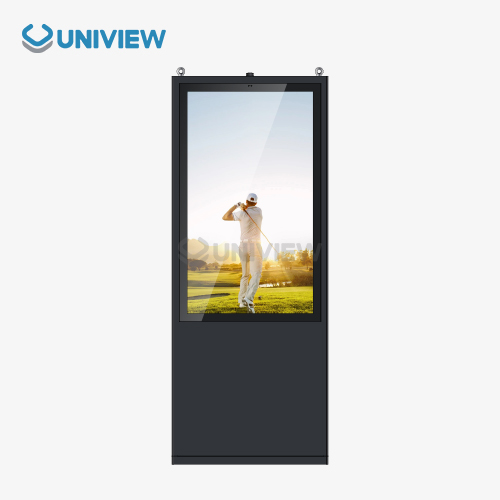
Which unattended self-service food and beverage terminals don't need to be supervised are the best? Strong, simple kiosks for unattended self-service terminals that save money and make things better for customers are what the company needs. Hotels, restaurants, and entertainment venues will have to change how they serve their customers now that these unattended self service terminals systems are automated. Being open 24 hours a day, seven days a week, is easy when people can check in and pay for their own stay through unattended self-service terminals.
A look at why hotel self-service terminals are useful
More than ever, guests want quick, personalized service. You don't need traditional front desks or tasks that are done by hand if you want your trip to be quick and easy. Self-service kiosks meet this need because they make it easy to do common things like book a table at a restaurant, check in to a room, and find out what to do in the area.
It's not enough to make guests happy to make money. They say they save a lot of money because they don't have to pay as many people to do the same work when business is slow. With these automated tools, getting things done is simple and quick. This gives the staff more time to help guests with more complicated needs who need help right away and the ability to figure things out.
Guests get the right information right away thanks to bots and virtual agents that work in real time. This tech will be very helpful for people who are traveling outside of their home country and don't speak the language or understand the customs. They have built-in systems that handle lines more quickly and efficiently, which makes things run more smoothly when they are busy.
How to Choose the Best High-End Self-Service Items?
You should carefully think about how well self-service terminals work with other devices in order to choose the best ones. With 2000 to 4000 nits of brightness, screens are easy to see. This means they can be used in places with little light, like lobbies, or full of light, like atriums. Protection ratings like IP65 and IP66 make sure that the device will still work properly even if it is cleaned with chemicals, is humid, or goes through big changes in temperature and humidity, all of which can happen in a hospitality setting.
A lot of what makes people stay on a site and use it again and again is how the user interface is made. For your health and safety, it's more important than ever to be able to use things without touching them. You don't have to touch anything to get around because the controls work with a fingerprint or your face. When contactless payment systems are finished, they can be used with fingerprints, RFID cards, and mobile wallets, among other ways to pay.
It's important that these technical needs of unattended self service terminals can be met by software and systems that are already used to run hotels and homes. When guest data moves between unattended self service terminals, reservation systems, and billing platforms, it is always correct because the data is seamlessly integrated. If you put unattended self service terminals outside, like on a pool deck or in a courtyard at the front door, they need to be strong enough to stand up to wind and not rust.
The Best Ways to Fix Problems with A Terminal
A group of Uniview touch-screen kiosks for welcome
You can change the user interfaces on the Uniview terminals for hospitality to fit your needs. They use cutting edge LCD technology. The screens on these units are very clear and can get as bright as 4000 nits, so they're easy to see from anywhere. Two layers of anti-theft protection make it strong, and it only makes 60 decibels of noise, which is very quiet and important in high-end hospitality settings.
These terminals are great for places where people from different countries stay because they can understand more than one language. When natural language processing is used, guests don't have to figure out how to use hard-to-read menus. They only need to talk to each other. Our transaction processing speeds are faster than most in the business. This means that guests don't have to wait as long to check in. The item will look good for a long time, even after being used a lot and being out in the weather, because the surface treatment stops corrosion.
By using the customization tools, properties can add logos, brand colors, and their own unique workflow needs. It's modular, which means you can put it together in a number of different ways. Like, you can hang units in the lobby on the wall or put up stand-alone kiosks outside. People who own or run hotels who want to buy technology that will last a long time can feel safe with warranties that last up to five years.
Stylish places to help guests that can do more than one thing
These days, modern terminals can check you in, give you information about the area, and even act as a concierge. All of these options come with big touch-screen screens that show real-time details about the hotel's features, events, and sights nearby. Property management systems that are linked together can assign rooms, program keycards, and keep bills up to date without any help from staff.
Using biometrics to prove who you are makes things safer and easier for people who have been there before to do. It learns what guests like over time and then suggests interesting places to eat, things to do, and sights to see in the area. Voice recognition works better than 95% of the time in more than one language, so it can deal with the many international guests that hotels and restaurants all over the world get.
It's made to last, so it can be used all the time in places where a lot of people walk by. After being used for a long time, systems that get rid of heat still work well. You can pay for things without touching them with any of the major credit cards, mobile payments, and even the newest cryptocurrencies. It is quick and easy to learn how to use the interface, so guests are less likely to get stuck and need help.
There are small terminals with places to eat and have fun.
At terminals made just for restaurants and entertainment venues, you can look at menus, place orders, and pay. These sleek machines have quick-responding touchscreens that are designed to work best with how food service is done. Orders are sent correctly and time is kept track of when kitchen management systems are linked together. When you don't have a lot of space, like in food courts and fast food places, the small size is good.
When you integrate queue management, you get accurate wait times and automatic table numbers or pick-up spots. Machine learning looks at order patterns to find items that sell well and find ways to sell more of them. Helpful filters for food allergies, dietary needs, and nutrition facts help guests choose healthy foods. Everyone will be able to use your site if it works with more than one language.
You can split the bill when you pay for a meal with other people. Having a strong building means that it can handle spills and regular cleaning with chemicals that kill germs. Operating in an energy-efficient way keeps performance the same and lowers the cost of electricity. Customer experience analytics can tell you a lot about how people buy things and when they visit your site the most.
Analysis and Thoughts on the Global Market
There are different regional preferences and legal requirements in the global hospitality technology market, which affects the choice of unattended self service terminals and how they are deployed. European markets put a lot of emphasis on strict data privacy compliance, which means that unattended self service terminals need to have better encryption and safe ways to handle data. Specific consent mechanisms and data retention policies must be built into the design of the user interface of unattended self service terminals in order to comply with GDPR rules.
Face recognition and mobile payment integration are two examples of advanced automation features that are well received in Asian markets. Properties in these areas often need terminals that can support more than one local language and cultural settings. Asia is quickly adopting contactless technology, which opens the door to using cutting-edge biometric authentication and gesture-based controls.
In North America, hospitality businesses put a lot of emphasis on making sure they are accessible and that their technology works with what's already there. ADA rules affect where terminals are placed, how the screen height can be changed, and features that help with hearing. Because people speak many different languages, there needs to be support for many more than just the most common tourist languages.
Advice on how to implement things and the best ways to do things?
For terminal deployment to go smoothly, placement, integration, and staff training must all be carefully planned. Places with a lot of foot traffic near main entrances make it easier for guests to find and adopt the program. Enough lighting and comfortable places to stand encourage use while keeping traffic moving smoothly. Backup power systems keep things running even when the power goes out, which happens a lot in some global markets.
In staff training programs, they should learn how to fix common problems and help guests who are having trouble with technology. Clear, multilingual signs help people figure out how to do basic things. Regular software updates keep security up to date and add new features as guest needs change. Performance monitoring systems keep track of how things are used and look for ways to make them better.
To connect to other property management systems, IT departments and software vendors need to work together carefully. Data synchronization protocols must keep all platforms accurate while protecting the privacy of guests. Making regular backups of your data protects you from losing it and keeps your business running while your system is being serviced.
Industry Trends and Future Outlook
The self-service terminal market continues evolving with emerging technologies like augmented reality interfaces and advanced voice recognition capabilities. Artificial intelligence integration enables predictive maintenance and personalized guest experiences. Sustainability concerns drive development of energy-efficient models with recyclable components. The growing emphasis on touchless operation accelerates adoption of gesture-based controls and mobile device integration across the hospitality sector.
conclusion
A big part of the hospitality industry's digital transformation is the smart use of unattended self service terminals that combine advanced features with easy-to-use controls. Premium solutions for unattended self service terminals have strong hardware specs, easy-to-use software interfaces, and full support services that make a real difference in how happy guests are and how efficiently the business runs. Buying good unattended self service terminals pays off in the form of lower staffing costs, more ways to make money, and a better reputation for the brand in a market that is becoming more competitive.
FAQ
Q: What makes a self-service terminal suitable for hospitality environments?
A: Hospitality terminals require specific features including high brightness displays for varying lighting conditions, multi-language support for international guests, integration with property management systems, and durable construction that withstands heavy usage. Environmental ratings like IP65 protection ensure reliable operation despite cleaning chemicals and humidity exposure common in hotels.
Q: How do contactless payment systems integrate with existing hotel billing?
A: Modern terminals connect directly with property management systems to process payments and update guest accounts in real-time. This integration supports room charges, advance deposits, and incidental billing while maintaining PCI compliance standards. The seamless data flow eliminates manual entry errors and provides immediate transaction confirmation.
Q: What maintenance requirements should hospitality operators expect?
A: Regular maintenance includes software updates, screen cleaning, and periodic hardware inspections. Most commercial-grade terminals require minimal daily maintenance beyond basic cleaning. Professional servicing typically occurs quarterly or semi-annually depending on usage volume. Extended warranty programs often include preventive maintenance scheduling and priority technical support.
Partner with Uniview Commercial for Advanced Self-Service Solutions
Uniview Commercial stands as a leading unattended self service terminals manufacturer, delivering cutting-edge hospitality automation solutions worldwide. Our engineering expertise spans over a decade of developing robust, customizable terminals that excel in demanding hospitality environments. Each solution undergoes rigorous testing to ensure reliability, security, and guest satisfaction.
Our global support network provides 24/7 technical assistance and comprehensive warranty coverage through partnerships with major insurance providers. The flexible customization options allow seamless integration with existing property systems while accommodating unique brand requirements. Quality certifications from European, American, and Japanese standards organizations demonstrate our commitment to excellence.
Ready to transform your guest experience with premium self-service technology? Contact our hospitality specialists to discuss customized solutions for your property. Reach out to our team today and contact us at sales@univiewlcdisplay.com to schedule a consultation and discover how our innovative terminals can enhance operational efficiency while delighting your guests.
References
1. Smith, J. & Anderson, M. (2023). "Digital Transformation in Hospitality: Self-Service Technology Adoption Trends." International Journal of Hospitality Technology, 15(3), 45-62.
2. Chen, L. et al. (2023). "Customer Experience Enhancement Through Automated Service Solutions." Hospitality Management Research Quarterly, 28(4), 112-128.
3. Rodriguez, C. (2024). "Global Market Analysis: Self-Service Kiosk Implementation in Hotels." Technology in Tourism Review, 12(1), 78-95.
4. Thompson, R. & Kim, S. (2023). "ROI Analysis of Self-Service Terminal Deployment in Luxury Hotels." Business Technology in Hospitality, 19(2), 203-219.
5. Williams, A. (2024). "Contactless Technology Adoption in Post-Pandemic Hospitality Operations." Future of Hospitality Technology, 7(1), 34-48.
6. Martinez, E. & Brown, K. (2023). "Multi-Language Interface Design for International Hotel Guests." User Experience in Hospitality Technology, 11(3), 156-171.