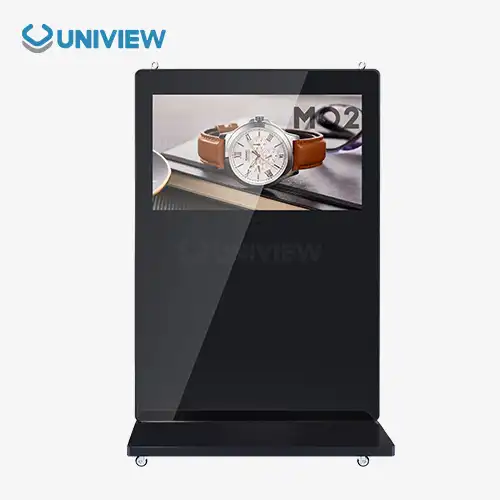
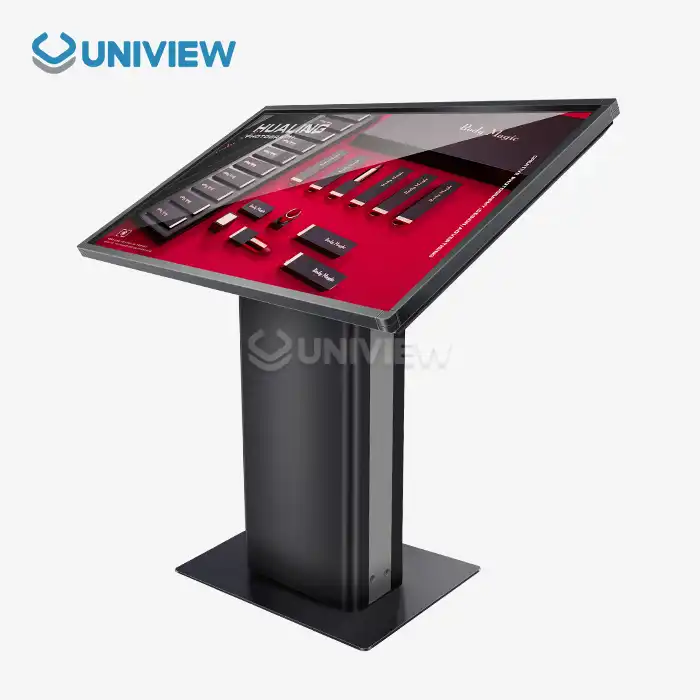
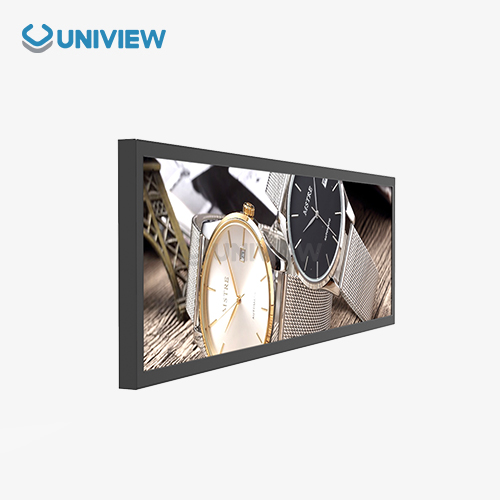
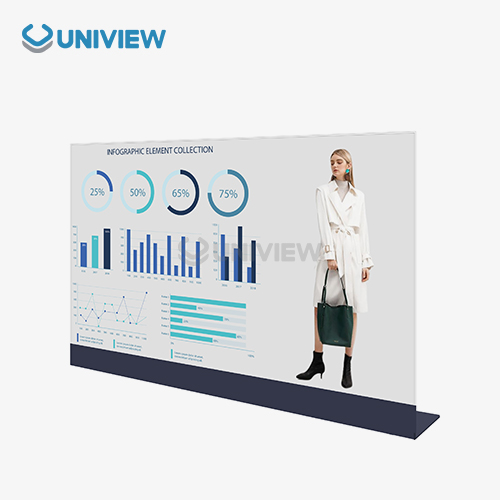
Floor standing LCD advertising players have changed the way businesses connect with customers in retail and hospitality settings. These digital signage displays are very flexible and can show a wide range of content. They also let you interact with the content and communicate your brand effectively. These self-contained digital kiosks turn everyday interactions with customers into memorable brand experiences. They can be used to greet guests in hotel lobbies or show shoppers around stores. Because they can be used in a variety of business settings, they are essential for modern companies that want to get customers more involved and make more money.
Changing the ways that customers are greeted and found
Digital signs are great for making a strong first impression in both stores and places that serve food and drinks. In the lobbies of hotels, these interactive advertising screens show off amenities, local attractions, and special deals. With dynamic content, properties can change their messages based on seasonal events, guest demographics, or occupancy levels.
These stand-alone digital signage solutions are used in stores to help customers find their way around and tell stories about their brands. Large department stores put commercial LCD screens at the front doors to show off sales, new items, and department locations. The screens are very bright, so they can be seen even in stores with a lot of light, and their sleek design goes well with the modern look of stores.
Digital posters have become popular in shopping malls as all-around ways to help people find their way. At the same time, these systems offer interactive maps, store directories, and advertising content. Touch screens make it easy for customers to look for specific brands, find amenities, and find places to eat.
Improving how menus are shown and how orders are taken?
Touch screen advertising players have changed the way restaurants and quick-service restaurants take orders by strategically installing them. Instead of static menu boards, these digital marketing displays show changing content that changes in real time based on stock, time of day, or marketing campaigns.
These commercial advertising players are used by fast-casual restaurants to show pictures of delicious food along with nutritional information and prices. Being able to instantly change menu items cuts down on paper waste and lets businesses respond quickly to changes in the supply chain or price changes.
Floor standing LCD advertising player kiosks are used in hotel restaurants and bars to show daily deals, wine options, and chef suggestions. A lot of the time, these floor standing LCD advertising player installations are connected to property management systems. This lets you make menus that are more appealing to people in loyalty programs or who have special dietary needs.
Self-service ordering through interactive LCD kiosks has made things run more smoothly and more accurately. Customers can make changes to their orders, see full lists of ingredients, and finish transactions without having to wait for staff to help them. This technology has been especially helpful during busy times and in places where there aren't many people who can speak more than one language.
Showcases of products and interactive catalogs
Retail stores have found that advertising display monitors can be very useful as virtual product displays. Electronics stores put these stand-alone ads next to expensive items to show full product specs, demo videos, and reviews from previous customers. This method cuts down on the need for a lot of printed materials while still giving customers a lot of information about the products.
Digital signage players are used by clothing stores to make virtual styling sessions and lookbook presentations. Customers can look at items in different colors, see whole outfit combinations, and get styling tips through interesting multimedia content. A lot of the time, these installations work with inventory management systems to make sure that the items being shown can still be bought.
Large-format commercial LCD displays are used in auto showrooms to show different vehicle configurations, color options, and feature demonstrations. People who might buy the car can look at 360-degree photos of the outside, different trim levels, and even virtual tours of the inside. This technology is especially helpful for dealerships that don't have a lot of floor space or can't physically stock certain vehicle configurations.
These digital advertising stands are used by furniture and home improvement stores to show ideas for room designs and how products can be used. You can see how certain items might look in different rooms of your house, get help with putting them together, and see suggestions for other products that go well with what you're buying.
Taking care of lines and having fun
Service-based businesses have changed the way people wait by strategically placing LCD advertising units. These systems are used by banks and other financial institutions to show the number of people in line, how long they think they will have to wait, and information about financial products. This strategy has two goals: it lowers the time people think they have to wait, and it also opens up chances for cross-selling and customer education.
Medical centers and clinics use stand-alone floor standing lcd advertising player digital advertising solutions to keep track of patients and show them health-related content. These floor standing lcd advertising player installations can show facility information, wellness tips, and appointment reminders, making the patient experience more informed and engaging.
Digital signs are used in hotel check-in areas to keep guests entertained during busy times. Content could include updates on the local weather, upcoming events, spa deals, or the ability to make reservations at restaurants. This method turns wait times that could be annoying into valuable chances for people to interact with the brand.
These systems are used in line areas of theme parks and other entertainment venues to get people excited about the attractions they offer while also giving them information about safety and expected wait times. The dynamic content features let you make changes in real time and present content with a seasonal theme.
Putting up ads for events and changing ads
Digital posters help hospitality venues make the most of their space and promote events in a number of different ways. Hotels and convention centers use these to let people know when events are, where their rooms are, and how they can meet new people. With instant updates, you can change your plans at the last minute and let everyone know the most up-to-date specifics.
For things like flash sales and campaigns that change with the seasons, stores use interactive advertising screens. Based on the time of day, the weather, or the type of customer, these installations have sensors that can play different types of music.
Digital marketing screens are used in shopping malls to let people know about events and new tenants. More people will notice small stores with these systems, and mall managers can make more money by teaming up with stores that sell things.
Lots of hotels put ads on LCD screens in the elevators, gyms, and public areas to get people to use their spas, eat at their restaurants, and do other things in the area. This method makes sure that guests see ads that are related to them while they are staying.
Making loyalty programs more personalized and putting them all together
Advertising companies today are very good at making sure that every customer has a unique experience because they use loyalty programs. These systems are used by stores and can connect to apps on phones. Customers can use NFC or QR codes to get deals that are just for them, see how many reward points they have left, and see content that is only visible to them.
Hotels have high-tech floor standing lcd advertising player digital kiosks that can scan a room key or a phone nearby to see if the person is a member of a loyalty program. People who stay in these places can see personalized welcome messages, upgrade options, and service suggestions based on what they liked before and what they like now.
Ad players with touchscreens make it easier for people to use coffee shops and fast food chains' loyalty programs. People can use coupons, see how much money they have in rewards, and find new menu items based on what they have bought before.
This kind of digital sign player is used by big box stores to make shopping feel more like a personal experience. Systems that are connected to what a customer has bought before can send them suggestions for things to buy that go with what they already bought. These systems can also let them know early about sales and when their favorite items come back in stock.
Emergency Communication and Safety Information
Critical communication capabilities make advertising display monitors essential safety tools in both retail and hospitality environments. These systems can instantly broadcast emergency instructions, evacuation routes, and safety updates across multiple locations simultaneously.
Hotels utilize these freestanding digital signage solutions for multilingual safety information display and emergency procedure communication. The ability to quickly switch between languages ensures all guests receive critical information in their preferred language.
Large retail complexes implement network-connected digital advertising stands for coordinated emergency response communication. These systems can display specific instructions for different areas of a facility while maintaining consistent messaging across all locations.
Transportation hubs within hospitality settings, such as hotel shuttle stops and parking areas, use these commercial LCD displays to communicate service updates, safety reminders, and operational changes in real-time.
Conclusion
Floor-standing LCD advertising players are a must-have for modern stores and restaurants that want to get customers more involved and run more smoothly. These digital signage options are very adaptable and can be used for many different business purposes. This is strong proof of their value. Some of these are dynamic menu screens, interactive systems for finding your way, personalized loyalty programs, and tools for communicating in an emergency on floor standing lcd advertising players. Customers want more personalized and interactive experiences. Businesses that use these floor standing lcd advertising player technologies will be able to stay ahead of the competition in a market that is becoming more and more digital.
FAQ
Q: How long do floor standing LCD advertising players typically last in commercial environments?
A: High-quality commercial-grade units typically operate continuously for 50,000 to 70,000 hours, which translates to approximately 8-10 years of 24/7 operation. Proper maintenance and environmental controls can extend this lifespan significantly, making them excellent long-term investments for retail and hospitality applications.
Q: Can these displays withstand high-traffic environments without frequent maintenance?
A: Yes, commercial-grade freestanding digital kiosks are specifically engineered for demanding environments. They feature robust construction, scratch-resistant screens, and advanced thermal management systems. Most units require only periodic cleaning and software updates, with major components designed to handle thousands of daily interactions.
Q: What content management options are available for multiple display locations?
A: Modern digital signage systems offer cloud-based content management platforms that enable remote control of multiple displays across different locations. Administrators can schedule content updates, monitor display performance, and customize messaging for specific locations or time periods from a centralized dashboard, making them ideal for chain operations in retail and hospitality.
Partner with Uniview Commercial for Premium Floor Standing LCD Advertising Player Solutions
Uniview Commercial stands as your trusted floor standing LCD advertising player manufacturer, delivering cutting-edge digital signage solutions that transform customer experiences across retail and hospitality environments. Our extensive portfolio includes high-brightness displays ranging from 2000 to 4000 nits, ensuring optimal visibility in any lighting condition. With IP65 to IP66 protection ratings and advanced corrosion resistance technology, our commercial LCD displays withstand demanding commercial environments while maintaining exceptional performance.
We understand that each business has unique requirements, which is why our team specializes in creating customized digital signage solutions tailored to your specific operational needs. Our products feature advanced heat dissipation systems, ultra-clear AR glass technology, and whisper-quiet 60 dB operation levels that ensure seamless integration into any environment. With comprehensive warranties extending 3 to 5 years and global 24-hour support coverage across over 100 countries, we provide the reliability and service excellence your business demands.
Ready to elevate your customer engagement strategy with premium floor standing digital displays? Our experienced team is standing by to discuss your project requirements and provide detailed technical specifications. Contact us at sales@univiewlcdisplay.com to explore how our innovative digital signage solutions can enhance your retail or hospitality operations. Let us help you create memorable customer experiences that drive business growth and strengthen brand loyalty.
References
1. Johnson, M. & Smith, R. (2023). "Digital Signage Impact on Customer Engagement in Retail Environments." Journal of Retail Technology Research, 45(3), 78-92.
2. Chen, L. (2024). "Interactive Display Systems in Modern Hospitality: A Comprehensive Analysis." International Hospitality Technology Review, 12(1), 134-149.
3. Williams, A., Thompson, K., & Davis, P. (2023). "Queue Management and Customer Experience Enhancement Through Digital Solutions." Service Industry Quarterly, 28(4), 201-218.
4. Rodriguez, E. & Martinez, C. (2024). "Personalization Technologies in Retail Digital Signage: Customer Response and Business Outcomes." Digital Marketing Communications, 19(2), 67-84.
5. Brown, T., Wilson, J., & Anderson, S. (2023). "Emergency Communication Systems in Commercial Buildings: Digital Signage Applications." Safety Management Today, 31(6), 112-127.
6. Lee, H. & Park, Y. (2024). "ROI Analysis of Digital Menu Boards in Quick Service Restaurant Operations." Foodservice Technology International, 17(3), 45-61.