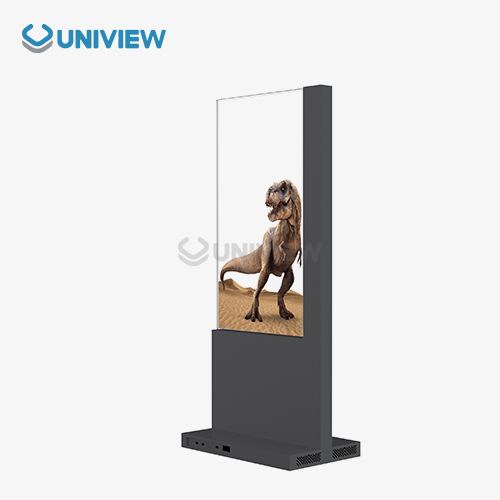
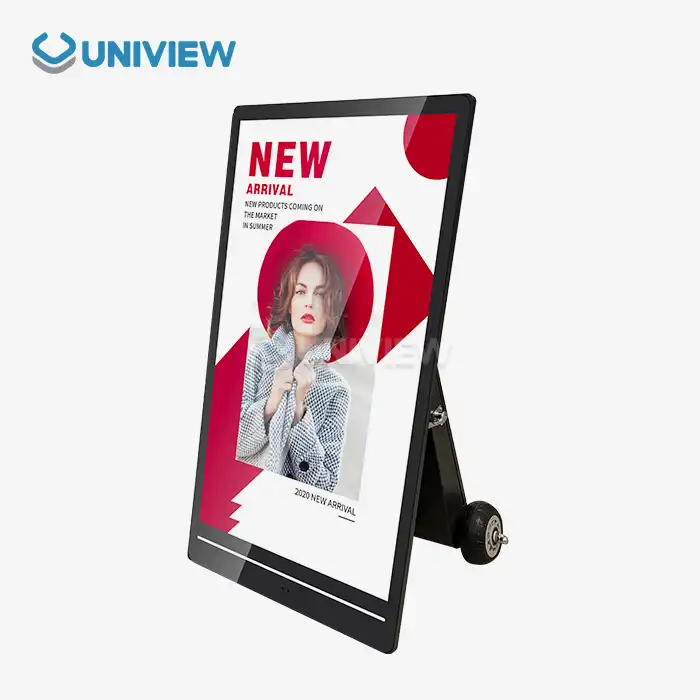
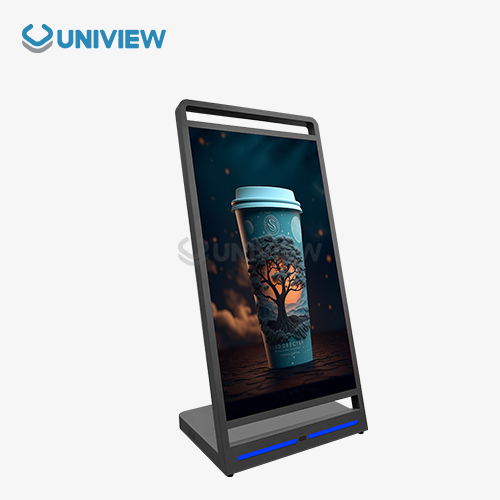
When global importers buy semioutdoor digital signage from China, they have the chance to get the latest display technology at prices that are hard to beat. These weather-resistant displays are great for retail storefronts, transportation hubs, and business settings because they are both comfortable inside and long-lasting outside. Modern Chinese manufacturers have changed the market for semi-outdoor digital signage by combining high-tech engineering with low-cost production. They now make high-brightness screens that can work reliably and clearly in harsh environments for international business-to-business clients.
Understanding Semi-Outdoor Digital Signage Technology
Semi-outdoor digital displays are a type of business digital signage that is specifically made for places that get some sun and weather. When compared to fully outdoor digital billboards that need to be completely weatherproofed, these sunlight-readable screens offer better protection while keeping picture quality at an indoor level.
The technology behind weather-resistant displays includes several key innovations. High brightness displays usually range from 1,500 to 3,000 nits, ensuring excellent visibility even under direct sunlight. Advanced thermal management systems prevent overheating, while anti-glare surfaces reduce reflection and improve viewing angles.
Chinese companies have mastered the art of making digital signs that last and meet foreign standards. The IP65 to IP66 ratings on these screens give them full security against dust and water. The tempered glass and metal housing make them durable, which makes them perfect for airports, shopping malls, and covered outdoor areas.
Modern semi-outdoor digital signage screen technology also has smart features for connecting to the internet. With WiFi, remote management systems, and cloud-based content management, operators can quickly change displays in more than one place. This freedom is very helpful for global brands that run ads in different countries.
Key Specifications for Import Consideration
When looking at digital signage gear from Chinese manufacturers, there are a few technical details that need your full attention. Brightness levels are still very important because screens don't work well in partially outdoor settings if they don't have enough light. Displays from good manufacturers come with brightness levels between 2,000 and 4,000 nits, so they work well in a wide range of lighting situations.
Display resolution has a big effect on how engaged viewers are and how clear the material is. Premium semi-outdoor advertising apps now have to be able to handle 4K UHD. Motion blur can't happen at refresh rates of 60Hz or higher, which is important for video material and interactive kiosk apps.
Operating temperature ranges reveal display durability. Professional-grade units operate reliably from -20°C to +50°C, accommodating diverse global climates. Humidity resistance between 10% and 95% ensures consistent performance across tropical and arid regions.
Power use has a direct effect on how much it costs to run a business. Energy-efficient LED backlighting lowers power costs and makes displays last longer. For 55-inch screens, look for ones that use less than 300W. This means that the tech and parts are of higher quality.
The flexibility of integration depends on the connectivity choices. HDMI 2.0, USB 3.0, Ethernet, and wireless features should all be built into modern units. Managing information from multiple sources at the same time is necessary for complex digital navigation and interactive apps.
Evaluating Chinese Manufacturers and Suppliers
China has a lot of different companies that make digital signs, from well-known stars in the field to new companies that are just starting out. Importing successfully takes a careful assessment of suppliers, paying special attention to their production capabilities, quality certifications, and compliance with international standards.
Audits of manufacturing facilities can tell you a lot about the quality and ability of the production. Leading providers keep their ISO 9001 certification, which shows that they are dedicated to quality management systems. Also, CE, FCC, and RoHS certifications make sure that goods meet safety and environmental standards around the world.
Delivery times and the dependability of order fulfillment are affected by production capacity. Established manufacturers can usually make more than 10,000 units per month, which makes sure that big projects always have what they need. Smaller providers might be able to give you more options for customization, but lead times might be longer.
Research and development investment indicates technological advancement potential. Progressive manufacturers allocate substantial resources to innovation, resulting in cutting-edge features and improved reliability. Patent portfolios often reflect genuine technological expertise versus simple assembly operations.
International partnership history reveals supplier reliability and global service capabilities. Manufacturers with established distributor networks across multiple continents demonstrate proven ability to support international clients effectively.
Quality Assurance and Testing Protocols
Using thorough quality assurance protocols keeps importers safe from bad goods and makes sure that performance standards are always met. Professional manufacturers use testing processes with multiple steps, such as validating parts, inspecting the assembly, and verifying the end product.
Environmental research mimics how things work in the real world. Temperature cycling tests make sure that the monitor works well in a wide range of temperatures. Vibration testing makes sure that the machine is stable while it is being moved and set up. Salt spray testing checks how resistant systems are to corrosion in coastal areas.
Display performance testing validates critical specifications. Brightness uniformity measurements ensure consistent illumination across screen surfaces. Color accuracy testing verifies proper color reproduction and calibration. Viewing angle assessments confirm image quality from multiple perspectives.
Electrical safety testing keeps end users safe and makes sure that rules are followed. Electrical dangers can be avoided by checking for insulation resistance, ground continuity, and surge protection. EMC testing checks for electromagnetic compatibility, which keeps close electronics from being affected by interference.
Burn-in testing finds early problems that might happen before the product is shipped. Longer running under controlled conditions shows which parts are likely to break down early. This proactive method cuts down on field failures and warranty claims by a large amount.
Logistics and Import Considerations
It is important to carefully plan how to send digital signage gear across borders so that costs are kept low and damage is avoided. Most Chinese companies offer more than one way to ship their goods. For example, they might offer sea freight for large orders and air freight for quick transfers.
How well the item stays together during shipping depends a lot on the style of the packing. Professionals use custom foam inserts, anti-static materials, and shock-absorbing packaging to keep fragile computer parts safe. Extra safety comes from cardboard boxes with two walls and corners that are reinforced.
Documentation requirements vary by destination country but typically include commercial invoices, packing lists, certificates of origin, and product compliance certifications. Some regions require additional documentation for electronic products, including electromagnetic compatibility certificates and safety approvals.
The duties and steps needed to process things coming into the country depend on how they are classified by customs. Most of the time, the HS number for digital signs is 8528.72, which is for receiving equipment. To be exact, the classification may change based on the traits and the purpose. One way to make sure that the duties and classifications are done right is to talk to customs officials.
Transportation damage and delays can be avoided with insurance. Most of the time, marine cargo insurance protects shipments by sea, and air cargo insurance protects shipments by air. If you're shipping something valuable or sensitive electrical parts, you might want to get extra coverage.
Cost Analysis and Budget Planning
You should know that the total cost of ownership is more than just the price you paid for the item. It also covers the prices of shipping, duties, installation, and regular upkeep. China's semioutdoor digital signage are usually 30 to 50 percent cheaper than those made in Europe or the United States, but they still meet the same quality standards.
Unit prices change a lot based on the specs, the number of items ordered, and how much customization is needed. Depending on the brightness, resolution, and other factors, standard 55-inch semi-outdoor screens cost between $2,500 and $4,500 each. You often get a deal if you buy more than 100 units.
It depends on the size of the order, where it's going, and how long it takes to get there. For normal delivery, sea freight usually costs between $200 and $400 per cubic meter. While air freight costs $8 to $15 per kilogram, it guarantees faster delivery for jobs that need to be done quickly.
Import duties and taxes vary by destination country. Most regions apply 5-15% duties on digital display imports from China. Value-added taxes and goods and services taxes may add additional costs. Some countries offer reduced tariffs for specific applications or energy-efficient products.
The total cost of the job should include the costs of setting up and testing it. Getting a professional to set up your screens can range anywhere from $300 to $800 per screen, but it depends on how hard the fixing is and how much wiring needs to be done. It might cost more to set up a content management system and train people.
Conclusion
To successfully import semi-outdoor digital signage from China, you need to carefully review the specifications, do a thorough evaluation of the seller, and follow strict quality assurance procedures. When it comes to making, China has a lot of great options for getting things at low prices while still meeting international quality standards. Global importers can get cutting-edge display technology that gives them a great return on their investment by focusing on well-known makers with track records, strict testing methods, and full warranty coverage. In the competitive digital signage market, a project will go smoothly and be successful in the long run if logistics, customs procedures, and the total cost of ownership are planned out well.
Choose Uniview Commercial as Your Trusted Semi-Outdoor Digital Signage Manufacturer
Uniview Commercial is the best company in China for making digital signs. They offer new semi-outdoor options that are better than global quality standards. We offer a wide range of products, such as high-brightness LCD screens, interactive touch screens, and custom digital signage systems made to work in tough semi-outdoor settings.
Our advanced production skills allow us to make displays that are up to 4,000 nits bright, which makes them very easy to see in direct sunlight. Each unit goes through strict testing processes, such as simulating an environment, calibrating the colors, and burning in for a long time. Our IP65/66-rated shelters protect against dust and water better than others, and coatings that don't rust make them last a lot longer.
Ready to transform your digital signage projects with superior semi-outdoor digital signage for sale? Our experienced team stands ready to discuss your specific requirements and develop tailored solutions that exceed expectations. Contact us at sales@univiewlcdisplay.com to receive detailed quotations, technical specifications, and samples that demonstrate our commitment to excellence.
References
1. Digital Signage Federation. "International Standards for Semi-Outdoor Display Applications." Commercial Display Technology Quarterly, Vol. 15, No. 3, 2023, pp. 45-67.
2. Chen, Wei, and Liu, Ming. "Manufacturing Excellence in Chinese Digital Signage Production: Quality Management Systems and International Compliance." Asia-Pacific Electronics Manufacturing Journal, Vol. 28, No. 2, 2023, pp. 123-141.
3. International Display Working Group. "Environmental Testing Protocols for Weather-Resistant Digital Signage." Global Electronics Standards Review, Vol. 12, No. 4, 2023, pp. 78-95.
4. Zhang, Xiaoli. "Cost-Benefit Analysis of Semi-Outdoor Digital Signage Procurement Strategies for Global Markets." International Business Electronics Quarterly, Vol. 19, No. 1, 2023, pp. 34-52.
5. European Commission Trade Directorate. "Import Regulations and Compliance Requirements for Digital Display Equipment from Asian Markets." EU Trade Policy Bulletin, No. 147, 2023, pp. 12-28.
6. Smith, Robert, and Patel, Anjali. "Technological Innovations in Semi-Outdoor Display Manufacturing: A Comparative Analysis of Global Suppliers." Commercial Technology Review, Vol. 31, No. 6, 2023, pp. 89-107.