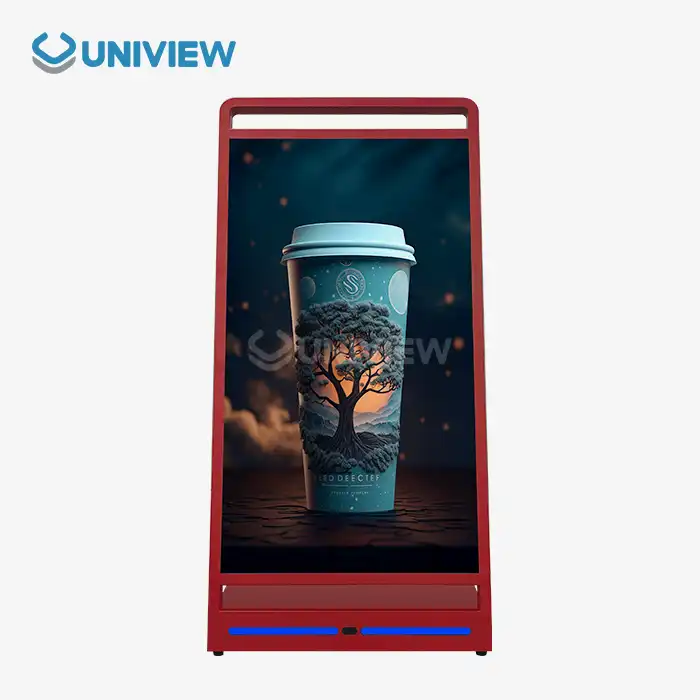
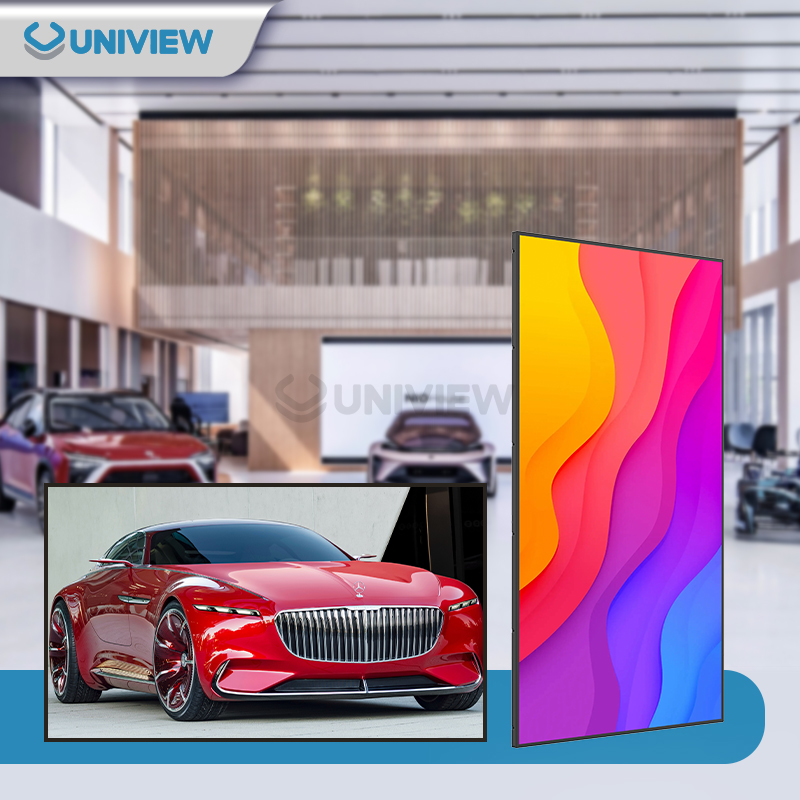
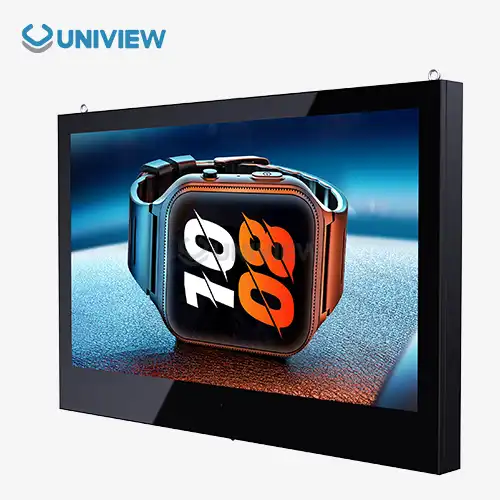
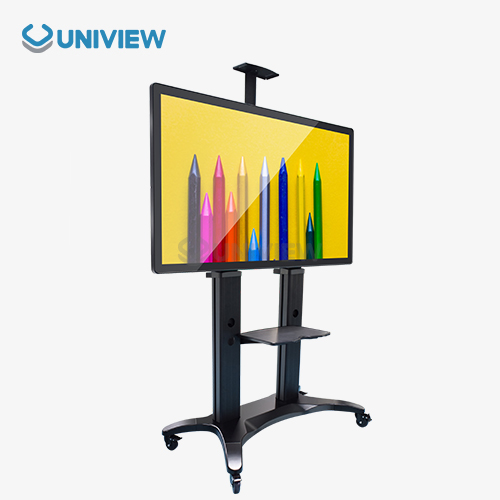
Your installation environment, space limits, and operating needs determine whether you choose wall-mounted or semi-outdoor digital signage. Wall-mounted screens are space-efficient and secure, while standing devices are flexible and easy to move. Both layouts work well in semi-protected areas including covered sidewalks, transit stations, and store entrances where weather resistance is crucial. Understanding these fundamental differences helps organizations maximize their digital signage investment and perform well in demanding semi-outdoor circumstances.
Understanding Semi-Outdoor Digital Signage Applications
Regular indoor displays struggle in semi-outdoor situations. Shopping mall entrances, airport terminals, covered bus stops, and hotel lobbies with large windows are examples. Changes in light, temperature, and moisture without weather interaction are key.
Digital signage for these places needs 1,500–3,000 nits. This criterion makes material visible in indirect sunlight or bright artificial lighting. Operating temperatures must accommodate seasonal fluctuations from -10°C to 50°C.
Semi-outdoor applications require humidity resistance. Semi-outdoor displays work well with IP54 protection, unlike completely outdoor systems that need IP65 or IP66. This rating protects against dust and minor water splashes while being cost-effective.
In high-traffic areas with changing illumination, semi-outdoor displays are better than inside ones for visibility.
Wall-Mounted Semi-Outdoor Display Advantages
Businesses seeking permanent digital signage benefits from wall-mounted systems. Space optimization is a major benefit in busy areas like shop corridors or transportation hubs. These installations have distinct pedestrian routes and powerful visuals.
Security prioritizes wall-mounted installations. Elevated positions reduce vandalism and unlawful entry. Tamper-resistant brackets and concealed hardware protect expensive equipment.
Installation versatility allows wall-mounted displays to accommodate various architectural constraints. Professional mounting systems support both portrait and landscape orientations, enabling creative content layouts that maximize visual impact. Cable management becomes streamlined through concealed routing options that maintain clean aesthetic appearances.
Maintenance accessibility requires careful planning during installation phases. Service panels and cooling vents need adequate clearance for routine cleaning and technical support activities. If you need permanent installations with enhanced security features, then wall-mounted configurations are more suitable than portable alternatives.
Standing Semi-Outdoor Display Benefits
Standing displays provide exceptional flexibility for dynamic business environments requiring frequent layout adjustments. Retail environments particularly benefit from repositionable displays during promotional campaigns, seasonal changes, or special events. This adaptability maximizes return on investment through versatile deployment options.
Installation complexity decreases significantly with standing configurations. Setup procedures typically require minimal technical expertise and standard tools. This advantage proves valuable for businesses lacking dedicated IT support or those requiring rapid deployment capabilities.
Maintenance accessibility improves dramatically with standing displays. Service technicians can easily access all components without specialized equipment or safety considerations associated with elevated installations. Regular cleaning, component replacement, and software updates become straightforward procedures.
Interactive applications often favor standing configurations due to optimal user engagement positioning. Touch screen interfaces, QR code displays, and proximity sensors function more effectively at accessible heights. If you need flexible positioning with easy maintenance access, then standing displays are more suitable than fixed wall-mounted options.
Technical Specifications Comparison
Wall-mounted and standing semi-outdoor displays differ mostly in structural engineering, not display technology. Both systems use LCD or LED panels with similar brightness, resolution, and color accuracy.
Thermal management varies by mounting method owing to airflow. Natural convection patterns help wall-mounted displays cool. Due to reduced airflow around base-mounted components, standing units may need stronger cooling systems.
Power consumption remains consistent across both configurations when using identical display panels. However, standing displays may require additional power for integrated cooling fans or heating elements depending on environmental conditions. Typical power requirements range from 200W to 800W based on screen size and brightness settings.
Viewing angle optimization differs based on installation height and audience positioning. Wall-mounted displays typically install at heights ranging from 2.5 to 4 meters, requiring careful consideration of vertical viewing angles. Standing displays position screens at eye level, maximizing optimal viewing zones for pedestrian traffic.
Installation Requirements and Considerations
Structural requirements vary significantly between wall-mounted and standing installations. Wall-mounted displays demand thorough structural analysis to ensure adequate weight support and vibration resistance. Professional engineers often evaluate wall composition, mounting point distribution, and seismic considerations for permanent installations.
Foundation requirements for standing displays focus on stability and wind resistance rather than structural integration. Concrete footings, weighted bases, or anchor systems provide necessary stability without permanent building modifications. These solutions prove advantageous for leased spaces or temporary installations.
Electrical infrastructure planning differs between configuration types. Wall-mounted installations typically utilize concealed conduit systems for professional appearances and code compliance. Standing displays may require floor-mounted electrical pedestals or overhead feed systems depending on location constraints.
Permits vary by jurisdiction and installation. Commercial buildings with wall-mounted displays need structural permits and electrical inspections. Zoning and accessibility compliance may be needed for standing installations. Standing installations simplify permitting more than wall-mounted designs.
Cost Analysis and ROI Considerations
Initial investment costs vary between wall-mounted and standing configurations due to installation complexity differences. Wall-mounted displays typically incur higher installation expenses through structural mounting, electrical work, and professional labor requirements. These costs range from $2,000 to $8,000 depending on complexity and local labor rates.
Standing display installations generally require lower initial setup investments. Basic assembly and positioning procedures reduce labor costs significantly. However, premium standing systems with weather protection and security features may offset these initial savings through higher equipment costs.
Long-term operational costs benefit wall-mounted installations due to simpler maintenance and vandalism hazards. Permanently installed equipment may have lower insurance prices due to these security benefits. Less physical stress and environmental exposure mean longer service lives for wall-mounted displays.
Return on investment calculations must consider deployment flexibility benefits of standing displays. Businesses requiring seasonal repositioning or temporary installations may achieve higher ROI through standing configurations despite higher operational costs. If you need cost-effective permanent installations with minimal ongoing expenses, then wall-mounted displays are more suitable than standing alternatives.
Environmental Durability and Weather Resistance
Digital signage must be weatherproof for wall-mounted and semi-outdoor use. No matter mounting configuration, temperature cycling, humidity changes, and UV exposure influence semi-outdoor displays. Installation method affects exposure and protection.
Wall-mounted displays often benefit from building shade and structural protection that reduces direct environmental exposure. Proper mounting orientation can minimize sun glare and precipitation contact while maintaining optimal viewing angles. These positioning advantages contribute to extended equipment lifespan and reduced maintenance requirements.
Standing displays typically experience more uniform environmental exposure from all directions. This exposure pattern requires comprehensive weather protection through sealed enclosures, drainage systems, and thermal management solutions. Advanced standing displays incorporate automatic brightness adjustment and temperature compensation to maintain performance consistency.
Corrosion resistance becomes particularly important for standing displays due to ground-level moisture exposure and cleaning chemical contact. Premium materials including marine-grade aluminum and stainless steel hardware extend service life in challenging environments. If you need maximum environmental protection with minimal maintenance intervention, then properly specified wall-mounted installations are more suitable than exposed standing alternatives.
Uniview LCD's Advanced Semi-Outdoor Digital Signage Solutions
Uniview Commercial stands as a leading semi outdoor digital signage manufacturer with comprehensive solutions for both wall-mounted and standing applications. Our engineering expertise addresses the unique challenges of semi-outdoor environments through innovative design and premium materials. With over a decade of global experience, we understand the critical requirements for reliable performance in challenging conditions.
Our semi-outdoor displays feature industry-leading specifications that ensure optimal performance regardless of mounting configuration:
- High-brightness LCD panels delivering 2,000 to 4,000 nits for exceptional visibility
- Advanced thermal management systems maintaining operation from -20°C to 55°C
- IP65/IP66 rated enclosures providing comprehensive environmental protection
- Anti-reflective coated glass reducing glare and improving contrast ratios
- Whisper-quiet operation at 60dB even under maximum load conditions
- European surface treatment technology ensuring corrosion resistance and longevity
- 16-level wind resistance certification for outdoor stability requirements
- Double-layer anti-theft locking systems protecting valuable equipment investments
- Modular design enabling easy maintenance and component replacement
- Comprehensive warranty coverage extending 3 to 5 years with global support
Through extensive testing and international certifications, we ensure quality beyond hardware specifications. Environmental simulation testing ensures stable performance over long operational lifespans for each display. We meet European, American, and Japanese quality standards for global deployment reliability.
Customization lets us meet project needs with personalized solutions. For custom applications, our engineering team works with clients to optimize display specifications, mounting solutions, and integration features. This collaborative strategy maximizes performance within budget and timing restrictions.
Making the Right Choice for Your Business Needs
Space, security, and operational flexibility must be considered when choosing wall-mounted or standing semi-outdoor digital signage. Permanent applications needing greatest security and space economy benefit from wall-mounted systems. Flexible standing displays are ideal for dynamic contexts and temporary installations.
Consider your primary use case scenarios when making this decision. Retail environments with frequent layout changes benefit from standing display flexibility. Transportation hubs and corporate lobbies typically favor wall-mounted installations for security and space optimization. Interactive applications often require standing configurations for optimal user engagement.
Budget considerations should include both initial investment and long-term operational costs. While wall-mounted installations may require higher upfront expenses, reduced maintenance and security costs often provide better long-term value. Standing displays offer lower initial costs but may incur higher operational expenses over time.
Future expansion plans also influence configuration selection. Wall-mounted systems integrate more seamlessly into building infrastructure for permanent installations. Standing displays provide easier relocation and reconfiguration capabilities for growing businesses or changing requirements.
Conclusion
Your operating needs, budget, and long-term business goals determine whether you choose wall-mounted or standing semi-outdoor digital signage. Wall-mounted installations are more secure, space-efficient, and cost-effective for permanent applications. For dynamic contexts, standing displays offer unrivaled flexibility, easier maintenance, and reduced initial investment.
Uniview LCD's revolutionary semi-outdoor display technology provides high-brightness panels, robust environmental protection, and reliable performance in tough situations for both configurations. No matter your arrangement, our extensive support and extended warranty coverage maximize ROI.
Environmental, installation, and operating concerns must be considered for semi-outdoor digital signage implementation. Wall-mounted and standing displays improve brand visibility and customer interaction in semi-outdoor locations with proper planning and quality equipment.
Partner with Uniview Commercial for Your Semi-Outdoor Digital Signage Success
Uniview Commercial is a leading semi-outdoor digital signage supplier with complete wall-mounted and standing solutions. Our presence in over 100 countries provides local support and service for your projects. We deliver reliable solutions that exceed expectations using cutting-edge technology and practical engineering.
Our dedicated support team provides 24/7 global response capabilities ensuring minimal downtime and maximum operational efficiency. Comprehensive insurance coverage through China Pacific Insurance Company and other third-party underwriters protects your investment throughout the extended warranty period. This commitment to service excellence sets us apart from standard equipment suppliers.
Ready to explore how our innovative semi-outdoor digital signage solutions can transform your communication strategy? Our experienced team stands ready to discuss your project requirements and recommend optimal configurations for your specific applications. Contact us at sales@univiewlcdisplay.com to schedule your consultation and discover why leading brands worldwide trust Uniview Commercial for their digital signage investments.
References
1. Digital Signage Federation. "Semi-Outdoor Display Installation Standards and Best Practices." Professional Guidelines for Commercial Applications, 2023.
2. International Display Technology Association. "Environmental Testing Protocols for Semi-Protected Digital Signage Systems." Technical Specification Document, 2023.
3. Commercial AV Magazine. "Wall-Mounted vs. Freestanding Digital Signage: A Comprehensive Analysis of ROI and Performance Metrics." Industry Research Report, 2023.
4. Signage Manufacturing Institute. "Weather Resistance Standards for Semi-Outdoor Electronic Display Systems." Engineering Guidelines and Certification Requirements, 2023.
5. Global Digital Signage Research Council. "Installation Configuration Impact on Display Longevity and Maintenance Costs." Longitudinal Study Results, 2023.
6. Professional Display Technologies Journal. "Thermal Management Considerations in Semi-Outdoor Digital Signage Installations." Technical Analysis and Recommendations, 2023.