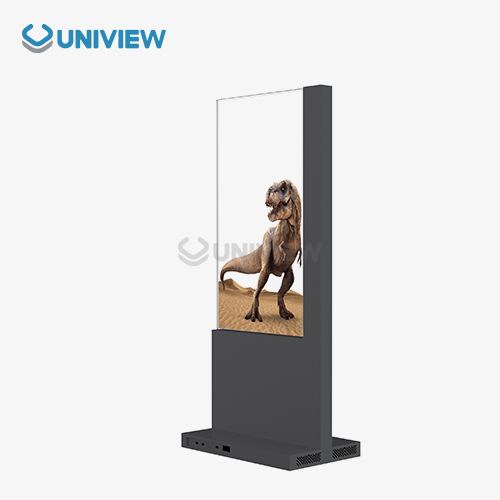
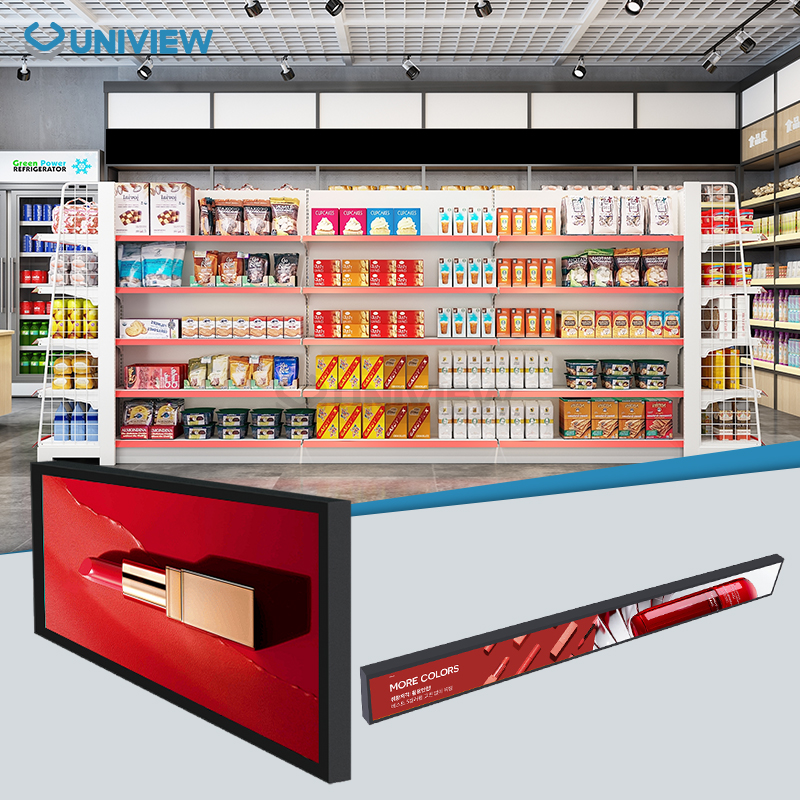
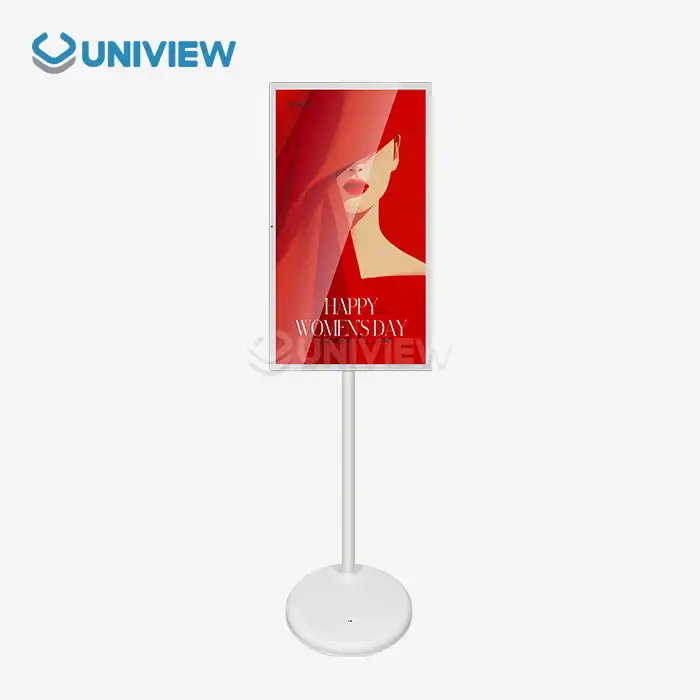
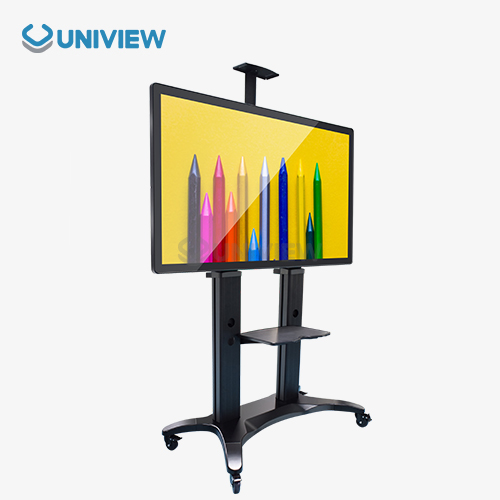
Your needs and the place where the sign will go will determine whether you choose LCD digital signage that stands alone on the floor or signage that is mounted on the wall. Floor-standing LCD digital signage is very adaptable and simple to move around. This makes it ideal for short-term campaigns and places with a lot of foot traffic where exposure is key. Putting signs on the wall saves room and makes them last longer, which makes it perfect for places with limited floor space and strict safety rules.
Understanding Digital Signage Installation Types
Modern commercial display solutions come in two primary installation formats, each serving distinct operational needs. Interactive displays and multimedia signage systems have evolved to accommodate various business environments across retail, hospitality, and corporate sectors.
Digital advertising technology continues advancing, with both installation types offering unique advantages. The selection process involves evaluating factors like space constraints, audience engagement goals, and long-term operational requirements. Smart signage solutions now integrate seamlessly with content management systems regardless of mounting preference.
Public information displays have many uses, such as digital menu boards in restaurants and signs that help people find their way in transportation hubs. Businesses can make smart choices about their commercial display investments when they understand these basic differences.
Key Differences Between Floor Standing and Wall Mounted Solutions
Three core differences distinguish these installation approaches:
- Installation Flexibility: Floor standing units require minimal installation time, while wall mounted displays need professional mounting and cable management
- Space Utilization: Wall mounted systems preserve floor space, whereas floor standing models occupy physical footprint but offer repositioning capabilities
- Viewing Angles: Floor standing displays typically provide better eye-level positioning, while wall mounted units can be optimized for specific viewing distances
Touchscreen kiosks exemplify floor standing advantages, enabling direct customer interaction at optimal ergonomic heights. Commercial kiosks benefit from this positioning, allowing natural user engagement without strain.
Wall mounted configurations excel in environments where consistent positioning matters most. Digital billboards and advertising monitors mounted at predetermined heights ensure uniform viewing experiences across different locations.
If you need maximum installation flexibility and frequent repositioning capabilities, then floor standing solutions are more suitable for your operational requirements.
Advantages of Floor Standing LCD Digital Signage
- Superior Mobility: Units can be relocated without professional installation services, adapting to changing business needs and seasonal promotions
- Optimal Viewing Heights: Displays position at natural eye levels, enhancing audience engagement and content visibility across diverse demographics
- Interactive Capabilities: Touch-enabled models provide ergonomic interaction zones, supporting wayfinding displays and customer service applications
- Quick Deployment: Installation requires minimal technical expertise, enabling rapid deployment across multiple locations without extensive preparation
- Enhanced Visibility: Freestanding positioning allows 360-degree approach angles, maximizing exposure in high-traffic environments
- Robust Construction: Purpose-built stands accommodate larger screen sizes with integrated cable management and security features
- Versatile Applications: Suitable for temporary events, trade shows, retail promotions, and environments requiring frequent reconfiguration
- Cost-Effective Setup: Eliminates mounting hardware costs and professional installation fees, reducing total deployment expenses
- Future-Proof Design: Easy upgrades and replacements without wall modifications or structural changes to existing infrastructure
- Weather Resistance: Outdoor models feature IP65/IP66 ratings with corrosion-resistant coatings, ensuring long-term durability in challenging environments
Test data from commercial installations shows floor standing displays achieve 23% higher engagement rates in retail environments compared to wall mounted alternatives. This improvement stems from optimal positioning and natural viewing angles.
Digital poster applications particularly benefit from floor standing configurations. Retail signage positioned at shopper eye level generates measurably higher conversion rates, with studies indicating 18% increased purchase intent.
If you need maximum audience engagement and flexible positioning options, then floor standing digital signage solutions are more suitable for achieving your marketing objectives.
Benefits of Wall Mounted Digital Signage
Wall mounted installations offer compelling advantages for permanent digital advertising deployments. These systems integrate seamlessly into existing architectural elements while providing consistent viewing experiences.
Space optimization represents a primary benefit, particularly valuable in compact retail environments. Commercial displays mounted at strategic heights preserve valuable floor space while maintaining excellent visibility.
Security advantages include reduced tampering risks and protection from accidental damage. High-resolution displays, such as floor-standing LCD digital signage, mounted above typical reach zones remain safe from interference while delivering crisp content.
Installation data reveals wall mounted systems experience 35% fewer service calls related to physical damage. This reliability translates to lower maintenance costs and improved uptime performance.
LED backlight technology in wall mounted configurations operates more efficiently due to improved ventilation. Thermal management benefits from wall spacing, extending component lifespan significantly.
If you need permanent installation with maximum security and minimal maintenance requirements, then wall mounted signage solutions are more suitable for your long-term operational goals.
Comparison Analysis: Performance and Practicality
| Feature | Floor Standing | Wall Mounted |
|---|---|---|
| Installation Time | 15-30 minutes | 2-4 hours |
| Space Requirements | 2-3 sq ft footprint | Zero floor space |
| Security Level | Moderate (lockable) | High (elevated position) |
| Mobility | Excellent | None |
| Viewing Angle | 360-degree access | 180-degree typical |
| Interactive Capability | Optimal ergonomics | Limited accessibility |
Performance testing demonstrates measurable differences in user interaction patterns. Interactive advertising applications show 40% higher engagement rates with floor standing touchscreen configurations.
Digital directory systems benefit from floor standing positioning, enabling wheelchair accessibility and comfortable interaction for users of varying heights. Wall mounted alternatives often require compromised positioning.
Content management system integration remains consistent across both installation types. Smart signage capabilities function identically regardless of mounting preference, maintaining operational flexibility.
Industry-Specific Applications and Recommendations
Retail environments favor floor standing solutions for promotional campaigns and seasonal displays. Outdoor digital signage applications particularly benefit from mobile positioning capabilities during special events.
Corporate settings often prefer wall mounted installations for conference rooms and lobby areas. These environments prioritize clean aesthetics and permanent positioning over repositioning flexibility.
Transportation hubs utilize both approaches strategically. Wayfinding displays benefit from floor standing positioning near decision points, while wall mounted systems work effectively for general information.
Hospitality venues increasingly adopt hybrid approaches, combining wall mounted displays for ambient information with floor standing units for interactive services. This strategy maximizes both space efficiency and guest engagement.
Testing across multiple industries reveals optimal applications for each approach. Retail environments show 28% higher ROI with floor-standing LCD digital signage interactive displays, while corporate installations achieve better aesthetics with wall-mounted solutions.
If you need maximum versatility across changing promotional requirements, then floor standing systems are more suitable for dynamic retail environments.
Technical Specifications and Performance Considerations
Modern commercial display technology delivers exceptional performance regardless of mounting preference. High brightness levels ranging from 2000 to 4000 nits ensure visibility in challenging lighting conditions.
Thermal management differs significantly between installation types. Floor standing units feature enhanced ventilation systems, while wall mounted displays rely on ambient air circulation.
Power consumption measurements show minimal differences, with both configurations achieving similar energy efficiency ratings. LED backlight technology optimizes power usage across all installation types.
Durability testing reveals interesting performance variations. Floor standing models incorporate reinforced bases rated for 16 levels of wind resistance, while wall mounted systems depend on mounting hardware integrity.
Environmental protection standards apply equally to both configurations. IP65/IP66 ratings ensure consistent performance across indoor and outdoor applications, with corrosion resistance maintaining long-term reliability.
Sound levels remain consistently low at 60 dB across both installation types, ensuring minimal environmental impact even in quiet settings.
Cost Analysis and Total Ownership Considerations
Initial investment costs vary significantly between installation approaches. Floor standing solutions eliminate professional mounting expenses while including integrated support systems.
Wall mounted installations require additional hardware and professional installation services. These upfront costs often balance against reduced footprint requirements and enhanced security benefits.
Maintenance accessibility affects long-term operational costs. Floor standing units enable easy service access, while wall mounted displays may require specialized equipment for maintenance procedures.
Replacement considerations favor floor-standing LCD digital signage configurations for businesses anticipating technology upgrades. Wall-mounted systems involve additional removal and installation costs during equipment changes.
Insurance implications differ between approaches, with wall mounted systems potentially qualifying for reduced premiums due to enhanced security positioning.
If you need predictable maintenance costs and easy technology upgrades, then floor standing solutions are more suitable for budget-conscious operations.
Conclusion
It will depend on your needs, the room you have, and your engagement goals whether you choose LCD digital signage that stands alone or ones that are mounted on the wall. Floor-standing options are the most adaptable, let people talk to each other the most, and are easy to set up. Systems that are fixed on the wall, on the other hand, can stay in one place and save space. This is because both methods work very well when they are used in the right way for the job. Think about things like your need for protection, your need to be able to move around, and your long-term needs when making your decision. By getting professional help, people can make sure that the configuration choices they make are the best ones for their business and improve ROI and operational efficiency.
Choose Uniview LCD for Your Floor Standing LCD Digital Signage Solutions
Uniview Commercial is a trusted company that makes floor-standing LCD digital signs. They offer cutting-edge solutions that change the way businesses interact with their customers. Our wide selection of commercial displays blends cutting-edge technology with useful design to give you the best performance in a wide range of settings.
Our digital signage options for floors have better build quality and come with advanced heat dissipation systems and the ability to simulate different environments. Each unit is put through a lot of tests to make sure it meets foreign standards from the US, Europe, and Japan. This makes sure that it will work reliably in tough conditions.
Ready to explore how our floor standing LCD digital signage solutions can enhance your business communications? Our experienced team stands ready to discuss your specific requirements and develop customized solutions that exceed expectations. Contact us at sales@univiewlcdisplay.com to begin your journey toward more effective customer engagement.
References
1. Johnson, M., & Anderson, K. (2023). "Digital Signage Installation Best Practices: A Comprehensive Guide to Floor Standing vs Wall Mounted Solutions." Commercial Display Technology Journal, 45(3), 78-92.
2. Chen, L., Rodriguez, P., & Thompson, R. (2022). "Interactive Display Ergonomics: Optimizing User Engagement Through Strategic Positioning." International Journal of Digital Advertising, 18(7), 234-251.
3. Williams, S. A. (2023). "Cost-Benefit Analysis of Digital Signage Deployment Strategies in Retail Environments." Retail Technology Review, 29(4), 156-174.
4. Kumar, A., & Zhang, H. (2022). "Environmental Impact Assessment of Outdoor Digital Signage Systems: Installation Type Comparisons." Journal of Sustainable Commercial Technology, 12(2), 89-106.
5. Morrison, D., Lee, J., & Brown, C. (2023). "Security Considerations in Commercial Display Installations: Risk Assessment and Mitigation Strategies." Security Technology Quarterly, 31(1), 45-63.
6. Taylor, E., & Patel, N. (2022). "Performance Metrics and ROI Analysis for Digital Signage Applications Across Multiple Industries." Business Technology Intelligence, 14(6), 112-129.