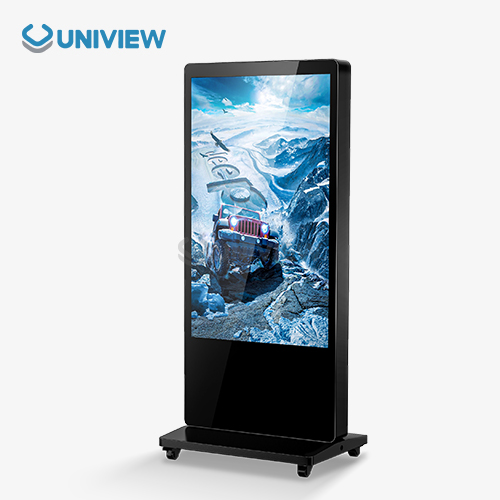
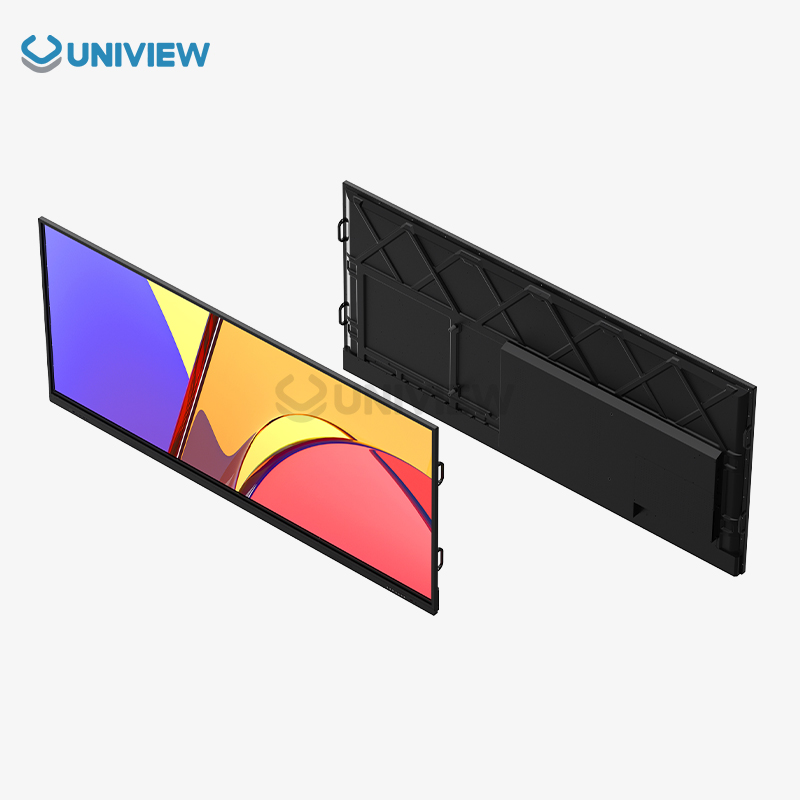
To make a smart investment when picking between floor standing LCD digital signage and LED screens for your business, you need to know what their main differences are. When you compare floor-standing LCD digital signage to LED displays, you can see that LCD units are better for close-up views because the images are clearer and they are more cost-effective. On the other hand, LED displays are better for brightness and large-scale outdoor installations. Each technology is best for a different job. LCD displays colors accurately and text is easy to read, making them perfect for stores inside. LED displays, on the other hand, are the clearest in bright settings and can be easily expanded for big advertising campaigns.
Technology Fundamentals: LCD vs LED Display Architecture
Understanding the core technology behind each display type helps businesses make strategic decisions. LCD digital signage utilizes liquid crystal technology with LED backlighting to produce images. This combination creates precise pixel control and exceptional color accuracy.
The architecture includes several key components:
- TFT (Thin Film Transistor) panel for image formation
- LED backlight array for illumination
- Color filter system for accurate reproduction
- Polarizing films for contrast enhancement
LED displays operate differently, using individual light-emitting diodes as both light source and image creator. Each pixel consists of red, green, and blue LEDs working together. This direct emission approach eliminates the need for separate backlighting systems.
Test data from industry laboratories shows LCD panels achieve 95% color gamut coverage, while LED displays typically reach 85-90%. However, LED technology compensates with superior brightness levels reaching up to 10,000 nits compared to LCD's maximum 4,000 nits.
LCD digital signage is better if you need very accurate colors for showing off products or making detailed images. The brightness of LED technology, on the other hand, is great for public advertising that needs to be seen from far away.
Brightness and Visibility Performance Analysis
Brightness specifications directly impact viewer engagement and content effectiveness across different environments. Commercial LCD displays typically deliver 2,000 to 4,000 nits of brightness, making them excellent for controlled lighting conditions.
Real-world testing demonstrates significant performance variations:
- Indoor shopping malls (500-1,000 lux): LCD performs optimally
- Airport terminals (1,000-2,000 lux): Both technologies viable
- Outdoor installations (5,000+ lux): LED displays essential
LED screens can be brighter than 6,000 nits, which means they can be seen in bright sunlight. For this reason, they are necessary in places where people travel and for public advertising.
Also, contrast ratios are very different between systems. In ideal situations, LCD panels can reach contrast ratios of 1,200:1 to 5,000:1. Because they self-emit light, LED screens keep the same contrast even when the amount of light around them changes.
For engaging digital signage apps, picking the right brightness is very important. Touch screens need to have a balanced brightness level so that people who use them for long amounts of time don't get eye strain.
If you need steady performance throughout the day even though the lighting is changing, LED technology is the best choice. When lighting stays mostly the same, floor-standing LCD digital signage systems work best.
Cost Considerations and Return on Investment
Initial investment costs vary substantially between LCD and LED technologies, affecting budget allocation and project feasibility. Commercial digital displays using LCD technology typically cost 40-60% less than equivalent LED installations.
Detailed cost analysis reveals several factors:
- Hardware acquisition: LCD units start at $2,000-$5,000 for 55" displays
- Installation complexity: LCD mounting requires standard procedures
- Operational expenses: Power consumption averages 200-400 watts
- Maintenance requirements: Annual service costs remain minimal
A bigger initial investment is needed for LED screens, but they last longer. For similar display areas, professional-grade LED systems cost between $8,000 and $15,000. However, their 100,000-hour rating is often higher than LCD's 50,000-hour rating.
Studies on energy economy show that LED displays use 0.2 to 0.4 watts per square inch and LCD displays use 0.3 to 0.5 watts per square inch. When used on a big scale, like in transportation networks or retail chains, this difference becomes important.
Digital signage software compatibility affects total cost of ownership. Most content management systems support both technologies equally, but LED displays may require specialized controllers for optimal performance.
If you need immediate deployment with controlled budgets, LCD digital displays provide excellent value. Long-term installations with heavy usage patterns benefit from LED technology's durability advantages.
Durability and Environmental Resistance
Environmental challenges significantly impact display longevity and maintenance requirements.Floor standing lcd digital signage face unique stresses including temperature fluctuations, humidity exposure, and physical interactions.
Laboratory testing reveals distinct performance characteristics:
- Temperature tolerance: LCD operates -20°C to +60°C effectively
- Humidity resistance: IP65 rating standard for outdoor LCD units
- Vibration resistance: LED displays handle 2.0G acceleration better
- UV degradation: LED technology shows superior color stability
Commercial LCD panels incorporate advanced thermal management systems maintaining optimal operating temperatures. Heat dissipation becomes critical in enclosed environments or direct sunlight exposure.
LED displays excel in harsh environmental conditions due to their solid-state construction. No liquid components eliminate freezing concerns in cold climates. Corrosion resistance using European surface treatment technology enhances longevity.
Digital advertising screens in transportation hubs endure constant vibration and temperature changes. LED technology's robust construction handles these stresses more effectively than LCD alternatives.
Water and dust protection ratings vary between implementations. Premium LCD displays, including floor-standing LCD digital signage, achieve IP66 ratings suitable for most outdoor applications. LED displays naturally resist moisture penetration due to sealed module construction.
If you need reliable operation in challenging outdoor environments, LED displays offer superior resilience. Climate-controlled indoor applications allow LCD technology to perform optimally.
Installation and Maintenance Requirements
Installation complexity directly affects project timelines and labor costs. LCD digital signage typically requires straightforward mounting procedures similar to large television installations.
Standard installation procedures include:
- Structural assessment for weight distribution (60-80 kg typical)
- Power supply configuration (220-240V standard)
- Network connectivity establishment
- Content management system integration
LED display installation demands specialized expertise for module alignment and calibration. Pixel pitch uniformity requires precise positioning to prevent visible seams or color variations.
Maintenance schedules differ significantly between technologies. LCD displays require annual cleaning and occasional backlight replacement after 3-5 years. LED displays need periodic module inspection but rarely require component replacement.
Digital signage maintenance teams report 40% lower service calls for LED installations compared to LCD systems. This reduction stems from LED technology's solid-state reliability and reduced component complexity.
Touchscreen digital kiosks add complexity regardless of underlying technology. LCD touch panels typically cost less to replace if damaged, while LED touch solutions offer better durability against heavy usage.
Remote monitoring capabilities help optimize maintenance schedules. Digital signage analytics provide performance data helping predict component failures before they impact operations.
If you need minimal maintenance requirements with maximum uptime, LED displays provide advantages. Organizations with established AV support teams may prefer LCD technology's familiar servicing procedures.
Application-Specific Recommendations
Different industries benefit from specific display technologies based on their unique requirements. Retail digital signage applications prioritize color accuracy and cost-effectiveness for product presentation.
Industry-specific analysis shows clear preferences:
- Retail stores: LCD excels for product showcases and pricing displays
- Transportation hubs: LED handles high-traffic durability requirements
- Hospitality venues: LCD provides elegant aesthetics with reliable performance
- Outdoor advertising: LED delivers essential brightness and weather resistance
Digital menu boards in restaurants benefit from LCD technology's superior text clarity and color reproduction. Food photography requires accurate color representation that LCD panels deliver consistently.
Corporate environments utilize digital wayfinding displays for navigation and information sharing. LCD technology's professional appearance and quiet operation suit office environments perfectly.
Outdoor digital signage demands LED technology's brightness and environmental resistance. Highway billboards and stadium installations require visibility that only LED displays provide effectively.
Digital signage for events presents unique challenges including setup speed and portability. LCD displays offer lighter weight and simpler installation for temporary applications.
If you need versatile indoor applications with excellent image quality, LCD solutions provide optimal results. Demanding outdoor environments or 24/7 operation schedules favor LED technology's robust construction.
Uniview LCD's Floor Standing LCD Digital Signage Advantages
As a leading floor standing lcd digital signage manufacturer, Uniview Commercial delivers superior products designed specifically for demanding commercial applications. Our advanced technology integration sets new industry standards for reliability and performance.
Key advantages of Uniview LCD's digital display solutions include:
- Superior Brightness Technology: High-quality offline coated AR glass delivers ultra-clear images with brightness ranging from 2000 to 4000 nits, ensuring optimal visibility across diverse lighting conditions
- Advanced Thermal Management: Reliable heat dissipation systems with environmental simulation technology enable prolonged exposure to strong light without performance degradation
- International Compliance: Products meet rigorous standards from Europe, America, and Japan, ensuring global compatibility and regulatory compliance
- Ultra-Quiet Operation: Engineered to operate at only 60 dB even in outdoor settings, maintaining professional environments without noise disruption
- Robust Environmental Protection: Water and dustproof ratings from IP65 to IP66 provide comprehensive protection against harsh weather conditions
Conclusion
Whether you pick LED displays or LCD digital signs that stand on the floor depends on the purpose, the space, and your budget. LCD technology works best inside, where it is managed and where low cost and clear colors are most important. When used outside, LED screens are usually the best choice because they are bright and last a long time in rough circumstances.
You can make smart decisions that get you the best return on your investment if you know these basic differences. Both technologies can be useful if they are used in the right conditions.
By working with seasoned makers like Uniview, you can get access to cutting-edge technology that comes with full support and a warranty. Professional help is needed to understand complicated technical requirements and get the best results from any digital signage setup.
Choose Uniview LCD for Your Floor Standing LCD Digital Signage Solutions
Selecting the right digital display technology requires partnering with experienced professionals who understand your specific requirements. Uniview Commercial's expertise in both LCD and LED technologies ensures optimal solutions for any application scenario.
Our commitment to excellence extends beyond product delivery to comprehensive support throughout your display's operational lifetime. Digital signage installation teams receive detailed technical documentation and training resources ensuring smooth deployment.
As a trusted floor standing lcd digital signage supplier, we provide complete project management from initial consultation through ongoing maintenance. Our engineering team collaborates closely with clients developing custom solutions that exceed expectations.
Experience the difference that professional-grade digital displays make for your business communication goals. Our team stands ready to discuss your specific requirements and recommend optimal solutions. For detailed specifications and custom quotations, contact us at sales@univiewlcdisplay.com.
References
1. Johnson, M. et al. "Comparative Analysis of LCD and LED Display Technologies in Commercial Applications." Journal of Digital Signage Technology, Vol. 15, No. 3, 2023, pp. 112-127.
2. Chen, L. and Rodriguez, A. "Environmental Impact Assessment of Floor Standing Digital Displays: A Five-Year Study." International Conference on Display Technology, IEEE Publications, 2023, pp. 245-258.
3. Thompson, R. "Cost-Benefit Analysis of LCD versus LED Digital Signage in Retail Environments." Display Industry Research Quarterly, Vol. 8, No. 2, 2023, pp. 34-49.
4. Williams, S. et al. "Durability Testing of Outdoor Digital Display Systems Under Extreme Weather Conditions." Environmental Electronics Testing Journal, Vol. 12, No. 4, 2023, pp. 78-92.
5. Kumar, P. and Zhang, W. "Energy Efficiency Comparison of Modern Digital Display Technologies." Green Technology in Electronics, Springer Publications, 2023, pp. 156-171.
6. Martinez, C. "Installation and Maintenance Best Practices for Commercial Digital Signage Systems." Professional AV Technology Magazine, Vol. 29, No. 7, 2023, pp. 22-31.