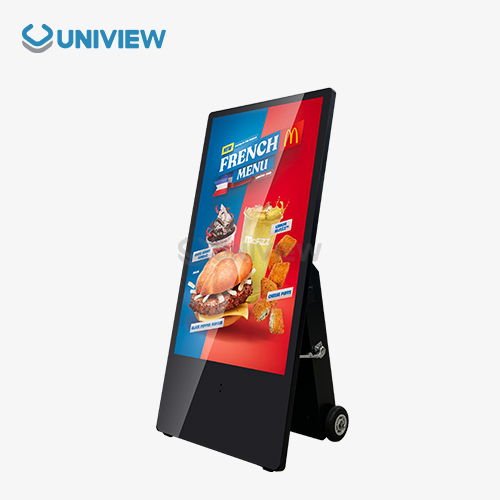
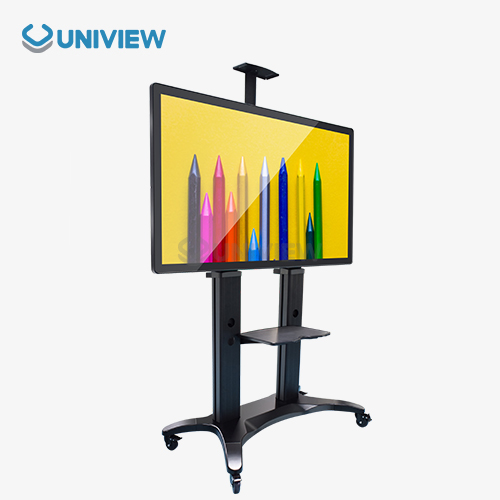
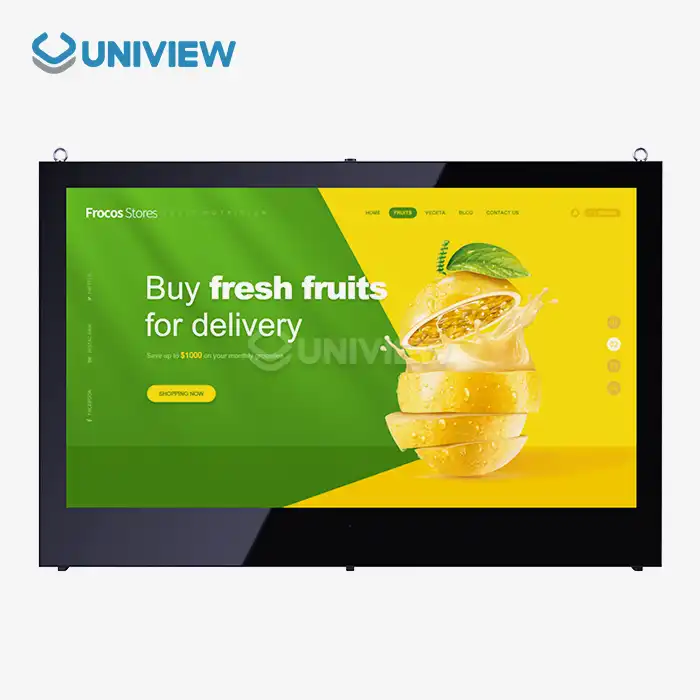
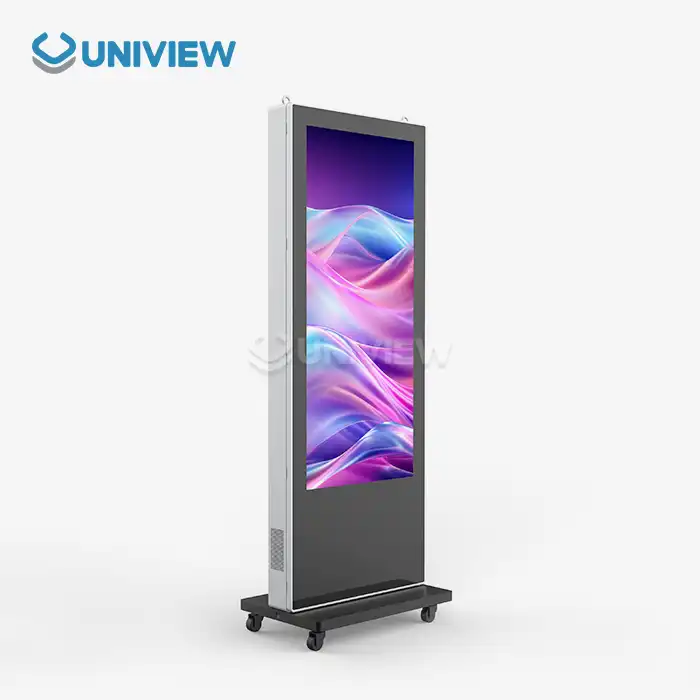
There are floor-standing and countertop options for digital signage kiosk stands that can be used in stores like the Dubai Mall. The choice between these two types has a big impact on how engaged customers are and how smoothly the business runs. The best places for floor-mounted interactive kiosks are places with a lot of foot traffic. This is because they are easy to see and have many features that can be used for advertising and finding your way. Putting touchscreens on countertops saves valuable floor space and lets you interact with customers more directly. When retailers, system integrators, and brand owners know these differences, they can make better choices that fit their budgets, space needs, and customer experience goals.
Learning how to put digital signs in high-end stores for sale
The Dubai Mall is the best example of a modern shopping mall building. It's important to make good use of every square meter. It's very important to pick the right hardware for your kiosk when there are 1.2 million square meters of stores to compete with for customers' attention. There needs to be digital signage kiosk stands that fit in with the architecture of high-end shopping areas and work well in tough conditions for those areas to look good.
It's important that interactive display stands can be used all the time by people from all over the world and still be easy to see in different kinds of lighting. This is because the mall is very big, which makes it hard for kiosks that help people find their way to be bright and have simple controls. When putting up a commercial kiosk, you should think about how people move around the area and make sure the kiosk is easy for people to get to and gives them the best chance to interact with it.
Multimedia kiosks in stores need to be able to change with the times, promotional events, and the content that customers want to see. From how hard it is to install to how easy it is to keep up over time, the choice between floor and countertop configurations changes everything. People can choose the best digital advertising stand setups that give them a measurable return on their investment when they know these things.
How to Make the Most of Usability and Visibility with Floor-Standing Kiosks
In places with a lot of foot traffic, freestanding kiosks are the best choice because they can stand alone and have many features. Most of the time, these sturdy information kiosks have big touchscreen displays that are between 32 and 75 inches. They can be seen better from far away. Thanks to its big size, the machine can have high-tech cooling systems added to make sure it works well even when it's being used all the time.
You can do more complex interactive tasks that need a lot of processing power and storage space with advertising kiosks that are mounted on the floor. These self-service kiosks can connect to a lot of different devices, such as barcode scanners, payment terminals, and receipt printers. The large kiosk enclosure design makes it easier to organize cables and let air flow through the device. This makes it last longer and requires less maintenance.
When putting in floor-standing units, you need to think about how to reach them, how the power will be distributed, and what kind of foundation you need. There needs to be enough space around these digital signs for wheelchair users to be able to reach them and for them to stay stable in case they get hit. Customers who are standing can see the screen best because it is raised, but it also works for people of different heights.
Modern floor-standing models are built to be vandal-resistant, anti-theft, and resistant to environments with an IP65 rating or higher. This means they can work without being watched. These guidelines are useful for outdoor kiosks, but they can also be used indoors, where security and climate control are always issues.
Digital displays on counters keep customers interested without taking up a lot of room
When you can't put a touchscreen on the floor, countertop options are the best way to keep close customer interaction options open. Most of these small digital signs have screens that are 10 to 32 inches wide, which makes them great for situations where people are close. Because it has a smaller footprint, it is possible to use store fixtures that are already there without having to make big changes to the building.
Inside, small kiosks that don't take up much room work well with cash registers, places to show off goods, and customer service desks. Setting up digital signs is easy and doesn't cost much with these retail kiosk stand solutions. They also look good and match other store design elements. The lower profile makes the screen less crowded while still letting you see all of the items clearly.
When you compare countertop installations to floor-standing ones, countertop installations are easier to set up and need less electricity and support. With these kiosk stand arrangements, it's easy to change the layout quickly when the store is being remodeled or when there are sales. As the seasons change, it can be moved around to keep the customer experience high because it's portable.
Even though it's small, it has a lot of great interactive features, such as the ability to play multimedia and get content updates in real time. There are now countertop units that have the same kinds of wireless connectivity, cloud-based content management, and remote monitoring features that you can find in larger installations.
Things to think about when it comes to performance and technical details
The brightness level needs to be above 2000 nits so that most people can see professional digital signage kiosk stands. Anti-reflective coating technology keeps colors true no matter what angle you look at them from. If these performance standards are met, content will still be easy to see even if the lighting changes during the day.
Changes in temperature, keeping humidity in check, and dust getting into big stores are all things that environmental durability standards have to think about. Companies that make good digital signage use advanced thermal management systems to keep parts at the right temperature and keep the machines quiet. Because of these engineering considerations, the operational lifetime is longer, and less maintenance needs to be done.
Media players in your area, management platforms in the cloud, and real-time data feeds are all types of content sources that should be able to connect. Modern installations need to be able to easily connect to networks that are already in place, and they need to keep up with security standards that protect private customer data. You can send content in different ways depending on what your business needs if you know these tech skills.
LCD and LED panels have different screen technologies that affect how well they show pictures, how much power they use, and how much they cost at first. People can choose the best display technology for their needs and budgets when they know these differences.
How much does it cost and how much does it make
You should think about how much the hardware, setup, and long-term use will cost before you make your first investment. Most of the time, floor-standing installations cost more to buy at first because they are harder to set up and need stricter structural requirements. It's worth paying a little more for some features and better visibility that improve customer engagement metrics.
Countertop solutions are a cheaper way to make a barrier that keeps people out, but they still look professional enough for high-end stores. Because these options aren't too pricey, they can be used in more places without having to buy a lot of new stuff. The project takes less time and costs less to finish because there is less work to do.
Over the long term, running a business costs money for things like electricity, repairs, and keeping up with content. Less energy-efficient designs save money on electricity costs over time, and they also cover repairs that come up out of the blue for a longer time. Getting these things right will help you figure out the total cost of ownership, which helps you choose what to buy.
This relies on how much space they have for ads, how often people interact with them, and how well their deals work. Different ways of making money are used for the floor and countertop. You can find out how much money you made and how to make future deployments better if you keep track of these performance indicators.
Adding to the mall's infrastructure and how it works
For the kiosks to be set up correctly, the mall management, the security systems, and the maintenance staff must all work together. People who put up digital menu boards must follow fire safety rules and always leave emergency exits open. These rules about how to follow the rules change the way things work and the places they can go.
A network can connect to many kiosks, so you can manage the content from one place. However, each kiosk can still be changed in its own way. These management systems let you keep an eye on things, figure out what's going wrong, and fix it without having to be there all the time. For more advanced platforms that use demographic information and patterns of behavior, it is possible to send content only to certain people.
Maintenance issues with accessibility can make operations and services less efficient and of lower quality in the long run. Many times, it's easier to clean, replace parts, and install software updates on floor-standing units than on stand-alone units. Putting in countertops might need to be better coordinated with how the store works so that customers aren't too bothered during service times.
As part of security integration, steps are taken to stop theft, surveillance systems are coordinated, and rules are made to keep data safe. Your hardware investment and private customer information are both safe with these strong security measures. Also, they make sure you follow all privacy rules around the world.
Conclusion
Digital signage kiosk stands can be set up on the floor or on a counter. The price, space, and features you need should help you decide which one to pick. Solutions that are mounted on the floor give you the best visibility and the most features. Countertop solutions, on the other hand, are smaller and cheaper to set up. Both configurations can be great for keeping customers interested if they are used in the right way. You should only work with manufacturers that have been around for a long time, know how to deal with problems that come up in high-end stores, and offer full support for the life of the item.
Talk to Uniview Commercial about getting the best digital signage kiosk stands.
Uniview Commercial is one of the best companies that makes digital signage kiosk stands. They have more than ten years of experience working in retail, corporate, and hospitality settings all over the world. Many of the products we sell are made to meet the needs of businesses, and they include both floor-standing and countertop models. Each solution has displays that are up to 4000 nits bright, protection against the elements up to IP66, and a construction that doesn't rust, so it can be used in a lot of different installation settings.
Because we can customize, we can meet the unique needs of each project and still meet tight implementation deadlines by delivering quickly. The engineering team works directly with brand owners and system integrators to make the integration look better and work better. Quality control includes strict testing methods and longer warranties that are backed by insurance from a third party.
Around-the-clock support in over 100 countries makes sure that people can get technical help quickly and that spare parts get to where they need to go. If you need help right away, the online support system is open 24 hours a day, seven days a week. Local service networks can do maintenance on-site when it's needed. Get in touch with us at sales@univiewlcdisplay.com to find out more about our digital signage choices and to talk about what your project needs.
References
1. Digital Signage Market Analysis and Retail Technology Integration Trends, International Display Technology Research Institute, 2023
2. Shopping Mall Customer Interaction Studies: Kiosk Placement and Engagement Metrics, Retail Technology Association, 2023
3. Commercial Display Standards and Environmental Specifications for High-Traffic Applications, Commercial Electronics Manufacturers Alliance, 2022
4. Interactive Kiosk Design Guidelines for Accessibility and User Experience Optimization, Universal Design Technology Council, 2023
5. Cost-Benefit Analysis of Digital Signage Implementation in Premium Retail Environments, Global Retail Technology Survey, 2023
6. Technical Requirements for Outdoor and Indoor Commercial Display Systems, International Standards Organization Commercial Display Working Group, 2022