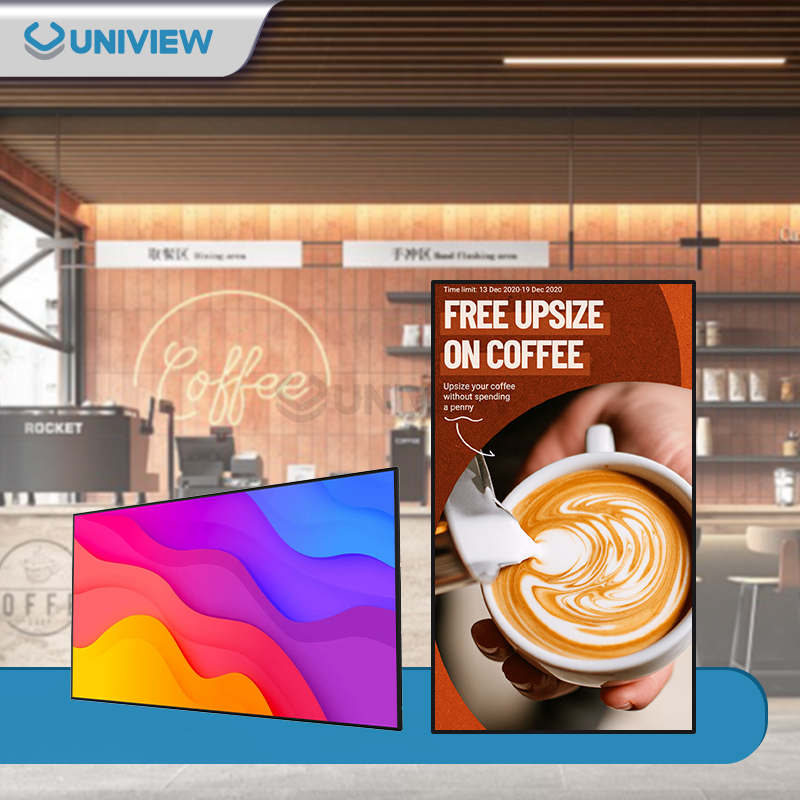
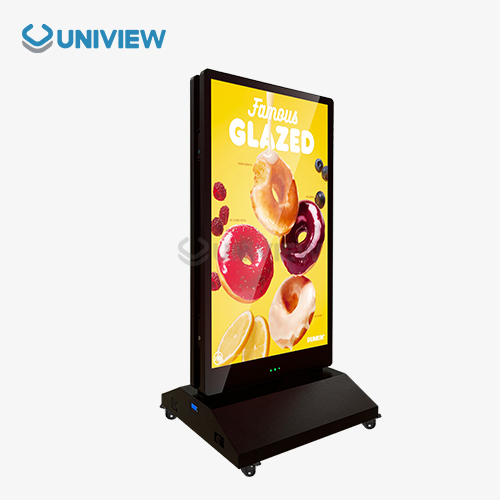
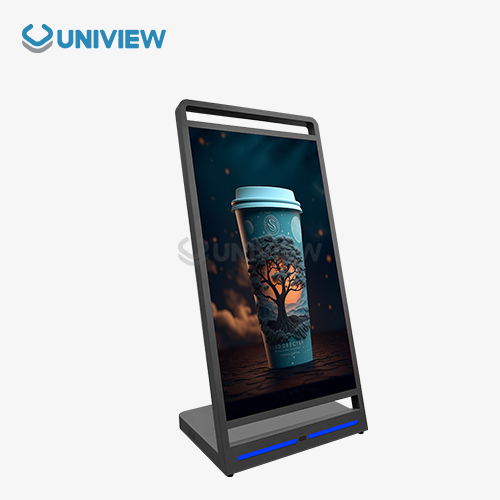
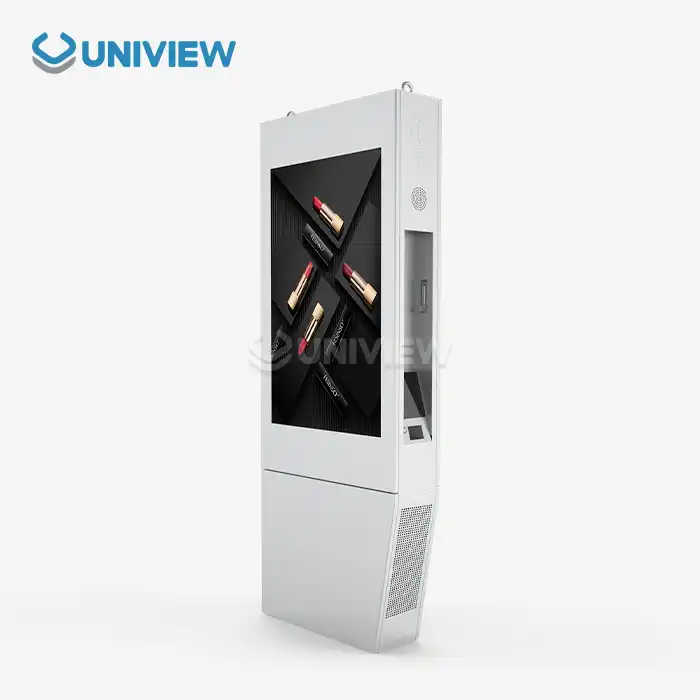
The best semioutdoor digital signage displays for store promotion are waterproof and beautiful. These screens provide merchants with the ideal solution for covered areas, storefronts, and transitional spaces by combining indoor comfort and outdoor resistance. Semi-outdoor digital screens are brighter and cheaper than regular outdoor displays. These units provide high-impact retail advertising presence without the excessive weatherproofing of outdoor units. They are perfect for shopping malls, covered walkways, transit stations, and retail entrances with indoor-outdoor variations.
Introduction
Retail marketing has changed considerably, with digital signage being essential to customer engagement. With more competition in congested markets, the appropriate display technology may turn passersby into customers. Semi-outdoor digital displays are a game-changer for retailers seeking maximum impact in poor illumination.
These elegant screens strike the right mix between performance and convenience. They protect against dust, moisture, and temperature changes while providing enough brightness to cut through ambient light. Semi-outdoor digital signage can enhance your store location for seasonal promotions, new arrivals, and brand experiences.
Investment in quality display technology boosts foot traffic, brand perception, and sales conversion. Modern consumers want interactive, relevant content. Semi-outdoor displays meet this goal while surviving retail obstacles.
Why Semi Outdoor Digital Signage Matters for Retail Success
Retailers need displays that work in all conditions. Bright ambient light or changing temperatures can damage traditional indoor screens. However, fully outside displays are sometimes overkill for retail uses, wasting money.
Semi-outdoor solutions cover this crucial gap. They boost brightness to make content visible in well-lit areas. Storefronts, mall corridors, and other transitional places with natural and artificial illumination require this functionality.
These displays differentiate brands beyond technical performance. Moving content stands out in a sea of static ads. Retailers can quickly adapt to market trends, seasonal changes, and promotional opportunities by updating information in real time.
Many retail applications use semioutdoor digital signages due to cost. They offer the essential performance without the high cost of fully ruggedized outdoor equipment. They are accessible to boutique stores and massive chain organizations.
Selection Criteria for Best Semi Outdoor Digital Signage
Selecting a display needs careful consideration of many things. Effective semi outdoor units offer 1500-3000 nits of luminance, making brightness the main factor. This range displays content in bright ambient settings without using as much power as outdoor displays.
Protection of the environment is equally vital. Displays with IP54 to IP65 certifications resist dust and moisture. Temperature tolerance should match your installation environment. Many semi-outdoor displays work from -20°C to +60°C.
Display technology impacts image quality and lifespan. Traditional fluorescent systems are less bright and energy-efficient than LED backlighting. Color fidelity and viewing angle performance assure content consistency.
Connectivity affects content management and integration. Modern monitors should accept HDMI, USB, and network inputs. Built-in media players facilitate installation and maintenance without external hardware.
Thermal management, component quality, and manufacturer warranty coverage affect reliability. Professional displays use high-quality components and excellent heat dissipation systems for prolonged operation. Longer warranties provide you piece of mind and protect your investment.
Top 5 Semi Outdoor Digital Signage Solutions
1. High-Brightness LCD Display Panel
This category is the most flexible for retail. High-brightness LCD screens (2500-3000 nits) produce excellent images. Applications demanding accurate visuals and perfect color reproduction benefit from the technology.
Superior color fidelity ensures brand consistency across marketing materials. For busy retail situations with consumers coming from all directions, wide viewing angles assure content visibility from many positions. Even during long hours, energy efficiency keeps prices down.
These screens have superior anti-glare coatings to reduce reflections in bright settings. Images are clear and reduce eye strain with the coatings. Temperature compensation systems automatically alter brightness and color to sustain performance in changing situations.
Wall, ceiling, and freestanding mounting options are available. Slim shapes fit into existing architecture without sacrificing space. Professional installations are clean with cable management.
Content management capabilities support dynamic scheduling and remote updates. This functionality enables retailers to modify messaging based on time of day, seasonal promotions, or inventory levels. Integration with point-of-sale systems allows real-time promotional adjustments based on sales data.
2. Semi Outdoor LED Video Wall System
LED video walls create stunning large-format displays perfect for high-impact retail applications. These systems combine multiple LED modules to create seamless displays of virtually any size. The modular design provides scalability and replacement flexibility.
Superior brightness levels often exceed 4000 nits, making these displays visible even in direct sunlight conditions. This capability makes them ideal for storefront applications and outdoor mall installations. The high contrast ratios create dramatic visual impact that commands attention.
Pixel pitch options range from fine pitch for close viewing to standard pitch for larger viewing distances. Fine pitch displays deliver incredible detail for applications where customers view content from short distances. Standard pitch options provide cost-effective solutions for larger installations.
Durability characteristics include robust housing construction and advanced thermal management systems. Many units feature fanless cooling designs that eliminate moving parts and reduce maintenance requirements. The solid-state LED technology offers extended lifespan compared to traditional display technologies.
Modular construction simplifies maintenance and allows selective component replacement. This feature minimizes downtime and reduces long-term operational costs. Hot-swappable modules enable repairs without system shutdown in critical applications.
3. Interactive Touch Screen Display
Interactive displays transform passive viewing into engaging customer experiences. These units combine high-brightness displays with responsive touch technology to create intuitive user interfaces. The interactive capability opens new possibilities for customer engagement and data collection.
Multi-touch allows complicated gestures and simultaneous interactions. This allows product configurators, retail directories, and promotional games. Touch responsiveness is steady even when wearing gloves, vital for seasonal retail.
Construction is durable for high-traffic retail areas. Tempered glass maintains optical clarity and resists scratching and impact damage. Anti-bacterial coatings improve public hygiene.
Interactive application content management systems enable engaging user experiences. Analytics capabilities track user interactions and provide customer preferences and behavior patterns in these systems.
Integration with retail systems like inventory, CRM, and POS platforms is possible. Connection allows individualized experiences and real-time inventory checks from the display interface.
4. Weatherproof Digital Signage Kiosk
Complete digital signage systems are enclosed in self-contained kiosks. These integrated units have displays, media players, and environmental protection. An all-in-one design simplifies installation and reduces component compatibility issues.
Environmental sealing shields internal components from dust, moisture, and severe temperatures. Many units are IP65-rated for outdoor use. Ventilation systems maintain ideal temperatures without harming the environment.
Security safeguards valuables from theft and vandalism. Reinforced construction and improved locks prevent unwanted entry. Equipment tamper detection systems warn management to attempted interference.
Built-in media players eliminate the need for external computers or content delivery devices. These integrated systems often include substantial storage capacity for local content caching. Network connectivity enables remote content updates and system monitoring.
Accessibility features meet disability accommodation criteria. Audio output, height-adjustable mounting, and high-contrast display modes are examples. The displays are accessible to clients of all abilities thanks to universal design.
5. Digital Billboard Display
Large-format digital billboards maximize visibility in high-traffic shopping areas. These massive displays are bright enough to attract attention from afar. Their size suits highway-adjacent retailers and huge shopping malls.
To stay visible in direct sunshine, ultra-high brightness levels approach 6000+ nits. Advanced LED technology ensures display performance across the board. Ambient light changes throughout the day trigger automatic brightness adjustment.
Wind load engineering stabilizes outdoor structures. These displays must endure strong winds and stay aligned for excellent image quality. Supporting structures receive loads securely from structural mounting systems.
Content management solutions for huge displays enable billboard-style advertising. Automatic scheduling based on traffic and demographic data is common in these systems.
Energy management optimises power use and performance. Smart power systems can conserve energy during low-traffic times and boost brightness when needed. Solar power integration allows sustainable operation in suitable places.
Global Market Characteristics and Considerations
Regional restrictions, cultural preferences, and technological infrastructure shape the global digital signage business. These variations help shops choose display technology and content strategies.
Regional regulatory environments vary greatly. With tight power consumption and recyclability criteria, European markets prioritize energy efficiency and environmental compliance. Asian markets prioritize tech innovation and feature integration. Performance reliability and total cost of ownership dominate North American markets.
Cultural preferences affect content and user interaction. Some markets want dramatic, attention-grabbing information, others like subtle, educational presentations. Digital signage investments are more effective when targeting local tastes.
Power, network connectivity, and installation support are infrastructure factors. Emerging markets may need displays with higher voltage ranges and better power protection. Established markets may have better support infrastructure for networking and remote management.
Display needs vary greatly with climate. Tropical climates need better humidity and thermal control. Displays for cold climates must resist thermal cycling and operate at low temperatures.
Purchasing Recommendations and Key Considerations
Balancing urgent demands with long-term strategic goals is key to digital signage buying. Define your application requirements, including viewing distances, ambient light, and environmental elements.
Budgets should cover purchasing, installation, maintenance, and operational expenditures over the product's lifespan. Despite high initial cost, higher-quality displays often have lower TCO.
Experience, support, and warranty should be considered when choosing vendors. Find manufacturers with retail experience and global support. Local support can greatly effect operational efficiency and long-term satisfaction.
Content strategy design should precede display selection to ensure hardware supports messaging. Assess your need for real-time inventory, social media, and other dynamic content integration.
Plan installation around power, network, and maintenance. Professional installation improves performance and may be warranty-required. Start your project budget with installation fees.
Industry Trends and Summary
The digital signage sector is improving resolution, connectivity, and interaction. AI allows dynamic content optimization depending on audience demographics and engagement. Cloud-based CMSs ease multi-location installations and reduce IT infrastructure.
Energy-efficient screens and recyclable parts are developed for sustainability. Manufacturers significantly reduce environmental effect across product lifecycles. These developments support corporate accountability and reduce operating costs.
Despite their maturity, semioutdoor digital signages continue to improve brightness, durability, and feature integration. Retail display solutions are in high demand as consumer experience becomes more important.
Conclusion
Semi-outdoor digital signage is a retail marketing strategy investment. It combines indoor comfort and outdoor durability with the visual impact needed to attract customers in competitive retail situations.
Based on application needs, environment, and long-term goals, selection is key to success. This guide offers proven retail solutions in five areas, each with unique benefits for different use cases.
Experienced manufacturers provide advanced technology, broad support, and reliable performance throughout product life. High-quality digital signage improves customer engagement, brand perception, and sales.
As the retail landscape continues evolving, digital signage will play an increasingly important role in creating memorable customer experiences and driving business success.
FAQ
Q: What brightness level is recommended for semi outdoor digital signage in retail environments?
A: Semi outdoor retail displays typically require brightness levels between 1500-3000 nits depending on the specific installation environment. Covered storefronts and mall corridors usually perform well with 1500-2000 nits, while areas with significant natural light may need 2500-3000 nits for optimal visibility.
Q: How do semi outdoor displays differ from fully outdoor digital signage?
A: Semi outdoor displays offer moderate environmental protection (typically IP54-IP65) and brightness levels suitable for covered or partially sheltered installations. They provide a cost-effective alternative to fully outdoor displays while offering enhanced performance compared to indoor units. Fully outdoor displays feature higher brightness (4000+ nits) and more robust weatherproofing for direct weather exposure.
Q: What maintenance requirements should retailers expect for semi outdoor digital signage?
A: Regular maintenance includes cleaning display surfaces monthly, checking ventilation systems quarterly, and inspecting connections annually. Professional service visits every 6-12 months help ensure optimal performance. Many displays include remote monitoring capabilities that alert operators to potential issues before they affect performance.
Partner with Uniview Commercial for Premium Semi Outdoor Digital Signage Solutions
Long-term project success depends on choosing the correct semioutdoor digital signage manufacturer. Uniview has over a decade of experience producing high-performance, reliable display solutions.
High-brightness LCD panels, LED video walls, and interactive touch screens for semi-outdoor shops are among our many products. Each display has improved heat dissipation, environmental simulation testing, and international quality standards.
Technical requirements include 2000–4000 nits brightness, IP65–IP66 water and dust protection, and corrosion-resistant construction using European surface treatment techniques. With high-quality AR glass technology, our screens work quietly at 60 dB and produce excellent images.
Ready to transform your retail marketing impact with professional-grade digital signage? Our experienced team stands ready to develop customized solutions that meet your specific requirements and exceed your performance expectations. Contact us at sales@univiewlcdisplay.com to discuss your project needs and discover how Uniview Commercial can elevate your retail marketing effectiveness.