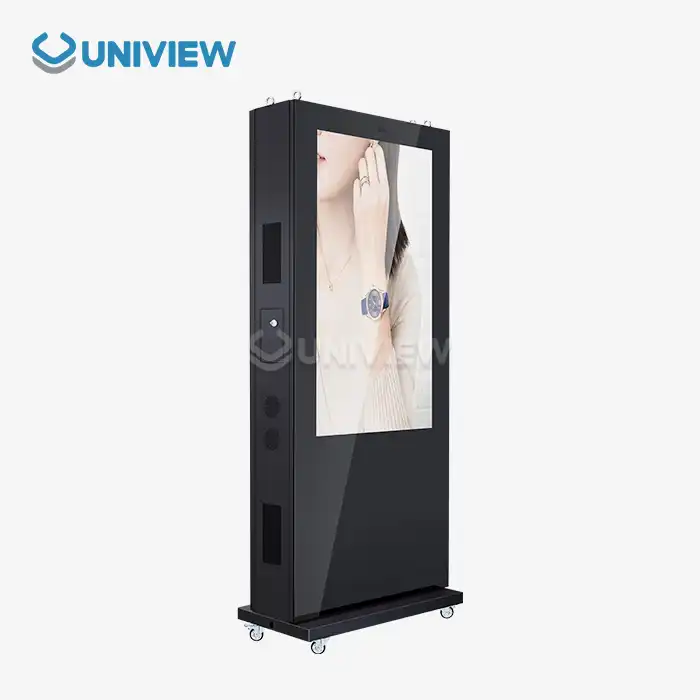
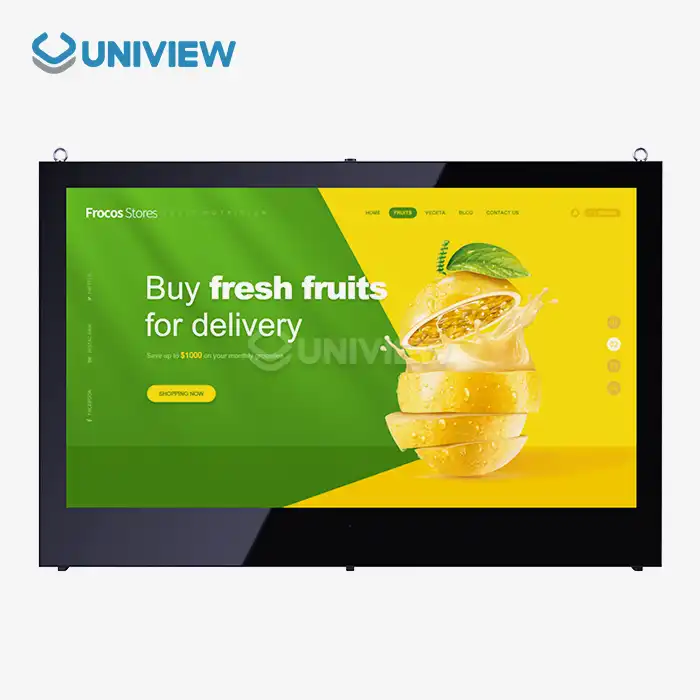
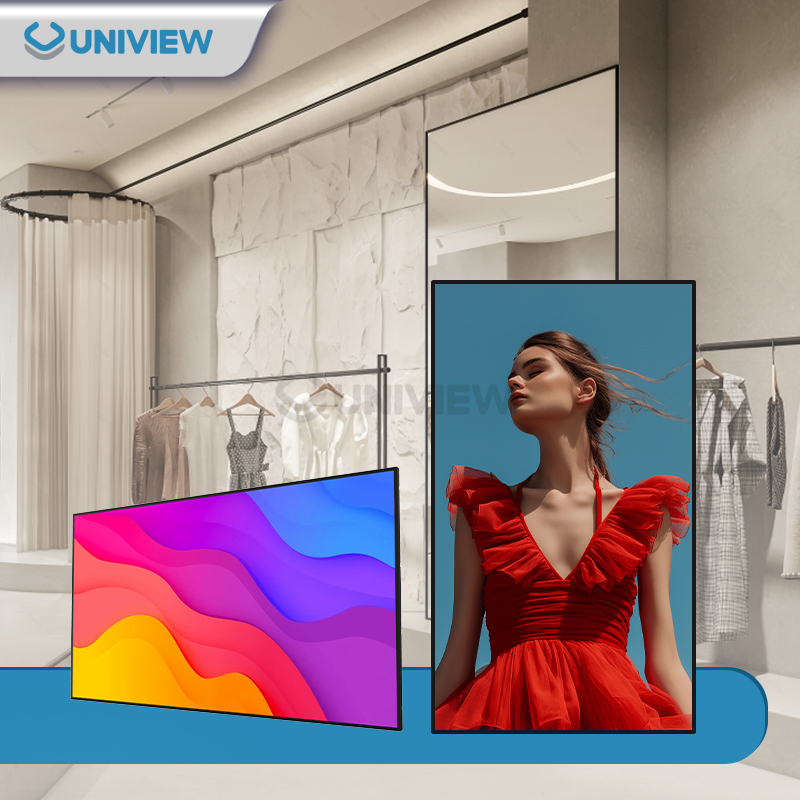
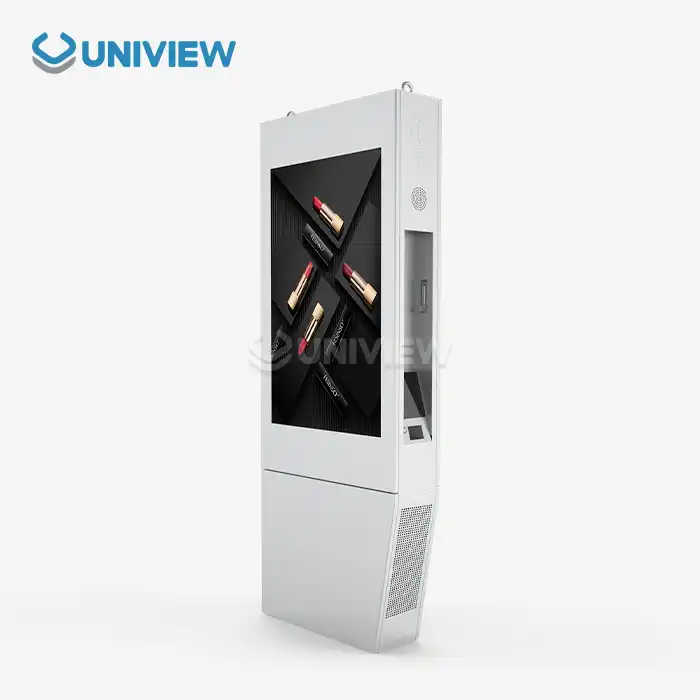
If you need to choose between LCD and LED wall-mounted digital display options, it depends on what you want and where you are. LED screens are great for outside use because they last a long time and are very bright (4,000+ nits). This makes them perfect for advertising displays and signs that are in full sunlight. LCD technology offers low-cost indoor options with great picture quality and low power use. Both technologies have come a long way. For example, current wall-mounted digital display systems have smart features, touchscreens, and powerful content management systems to meet the needs of businesses in the retail, corporate, and hospitality sectors.
Understanding the Core Technology Differences
The biggest difference between LCD and LED wall-mounted screens is how the light is sent out. For pictures to show up on LCD screens, the liquid crystal cells need to be lighted. On the other hand, light-emitting diodes make light directly on LED screens.
LCD screens have many layers that work together. They have polarizing filters, liquid crystal cells, and LED lights. This setup shows colors accurately and makes images clear, which is great for close-up watching and interactive apps.
Pictures can be made with LED technology because each diode gives off its own color of light. With this direct discharge method, the brightness is higher, the contrast is better, and it's easier to see in low light.
Three core differences emerge from these technological approaches:
- Brightness output: LED displays achieve 2,000-4,000 nits compared to LCD's typical 500-1,000 nits
- Power efficiency: LED consumes 30-40% less energy per square foot
- Lifespan: LED modules last 50,000-100,000 hours versus LCD's 30,000-50,000 hours
If you need maximum visibility in bright environments, then LED technology proves more suitable for your digital signage requirements.
Brightness and Visibility Performance Analysis
How well a panel works in different environments depends on how well it handles brightness. Testing tools in the real world shows that they are very different.
LED displays always have brightness levels above 3,000 nits, which means they can be seen clearly even in full sunlight. In tests done in public shopping areas, LED screens stayed 95% readable at noon, while LCD screens only stayed 60% readable in the same conditions.
LCD tech works great in places where the lighting can be managed. LCDs work well indoors because the light is spread out evenly and there is less glare. LCD screens are easiest to see when there is less than 500 lux of natural light, according to studies.
Environmental tracking data shows that LEDs can change their brightness levels. Modern LED wall panels change their output automatically depending on the lighting around them. This makes it easier to see and uses less energy.
LED displays keep their brightness even when the temperature changes from -20°C to 60°C, according to tests that check their weather protection. LCD performance drops significantly above 45°C, which limits how it can be used outside.
For demanding uses that need consistent performance in a variety of environmental conditions, LED technology is the best choice.
Installation and Mounting Considerations
The installation needs for LCD and LED wall-mounted digital displays are very different. Understanding these differences is important for a project's progress.
LCD screens usually weigh 15–25% less than similar LED screens, so they don't need as much support. Most LCD installations can be made with standard wall mounting methods and don't need any extra support.
LED installations demand robust mounting solutions due to higher weight and thermal considerations. Professional installation teams recommend reinforced wall structures for displays exceeding 55 inches diagonal measurement.
Cable management differs substantially between technologies. LCD displays require single power and signal connections, while LED wall configurations may need multiple power feeds and specialized control interfaces.
Ventilation requirements favor LCD technology for indoor installations. LED displays generate more heat, necessitating adequate airflow or active cooling systems in enclosed spaces.
For long-term operation, maintenance entry is very important. LCD screens usually need to be replaced as a whole in order to be fixed, but modular LED designs let you service individual parts.
If you need simplified installation with minimal infrastructure requirements, then LCD solutions provide more straightforward deployment options.
Cost Analysis: Initial Investment vs Long-Term Value
When thinking about money, you should think about the original purchase price, the installation costs, and the ongoing costs of running the display.
Commercial-grade LCD screens start at $500 to $800 per square foot, making them easier for more people to afford. LED technology costs a lot, between $800 and $1,500 per square foot, based on the features and pixel pitch.
Installation expenses vary based on complexity. LCD mounting typically costs $200-400 per unit, while LED installations range from $500-1,200 due to structural requirements and specialized expertise needs.
An study of LED's energy use shows their long-term benefits. LED screens use 0.1 to 0.25 watts per square inch, while LCD screens use 0.2 to 0.35 watts. This means that LED screens use 20 to 30 percent less electricity each year.
Even though it costs more at first, LED technology is better in terms of maintenance costs. Targeted repairs with modular LED components cost about $100 to $300 per event, while replacing an LCD panel costs $800 to $2,000.
| Cost Factor | LCD Display | LED Display |
|---|---|---|
| Initial Investment | Lower ($500-800/sq ft) | Higher ($800-1,500/sq ft) |
| Installation | $200-400 per unit | $500-1,200 per unit |
| Annual Energy | $150-250/sq ft | $100-180/sq ft |
| Maintenance | $800-2,000 per repair | $100-300 per repair |
LCD technology offers digital signage options that are easy on the wallet if you need to save money right away with a smaller initial investment.
Durability and Weather Resistance Capabilities
Environmental resilience determines display longevity and reliability across diverse installation scenarios. Comprehensive testing reveals distinct performance characteristics.
LED displays achieve superior weather resistance ratings, with premium models certified for IP65-IP66 protection standards. These ratings ensure complete dust protection and resistance to powerful water jets from any direction.
Corrosion resistance testing shows LED panels withstanding salt spray exposure for 1,000+ hours without degradation. European surface treatment technology provides additional protection in coastal and industrial environments.
Temperature cycling tests demonstrate LED's robust performance. Units operate reliably through 16 levels of wind resistance and temperature variations exceeding 80°C differential.
LCD displays excel in controlled environments but require protective enclosures for outdoor deployment. Specialized outdoor LCD enclosures add $1,000-3,000 to project costs while maintaining environmental protection.
Vibration testing reveals LED's modular construction absorbs mechanical stress better than LCD's rigid panel structure. Transportation and high-traffic installations benefit from LED's enhanced durability.
Real-time updates capabilities remain consistent across both technologies when properly protected. Network connectivity and IoT integration function reliably within each technology's environmental operating range.
If you need maximum environmental resilience without additional protective housing, then LED displays deliver superior durability for challenging installations.
Application-Specific Recommendations
Different industries and use cases favor specific display technologies based on operational requirements and environmental conditions.
Retail environments benefit from LCD's superior close-viewing performance and interactive capabilities. Touchscreen integration works seamlessly with LCD technology, enabling engaging customer experiences and wayfinding applications.
Transportation hubs require LED's high brightness and weather resistance. Airport terminals, train stations, and bus stops demand displays visible across long distances and various lighting conditions.
Corporate applications often favor LCD for conference rooms and indoor information boards. Energy efficiency and quiet operation align with professional environment requirements.
Hospitality venues utilize both technologies strategically. LED displays excel in outdoor pool areas and entrance signage, while LCD panels serve restaurants and indoor event spaces effectively.
Advertising displays in outdoor environments universally benefit from LED technology. Data visualization capabilities and multimedia display features attract attention and deliver impactful messaging.
Interactive kiosk applications leverage LCD's responsive touchscreen performance and user interface capabilities. Content management systems integrate more readily with LCD-based interactive solutions.
If you need versatile indoor applications with interactive features, then LCD technology offers optimal user engagement and visual communication capabilities.
Conclusion
The choice between LCD and LED wall-mounted digital displays ultimately depends on your specific application requirements, environmental conditions, and budget considerations. LED technology excels in outdoor environments requiring maximum brightness and weather resistance, while LCD displays provide cost-effective solutions for indoor applications with excellent image quality and interactive capabilities.
Both technologies offer distinct advantages when properly matched to application needs. LED displays deliver superior performance in challenging environments with long-term value through energy efficiency and durability. LCD technology provides accessible entry points for digital signage projects with immediate deployment advantages and proven reliability in controlled environments.
For implementation to go well, you need to work with skilled manufacturers who know how to meet the needs of different industries. With global support and extended warranty coverage, Uniview's complete solutions make sure that your investment gives you consistent performance and great value in any application situation.
Partner with Uniview Commercial for Your Wall-Mounted Digital Display Solutions
Expert advice and a history of excellent production are needed to choose the right display technology. You can trust Uniview to make wall-mounted digital displays. They use cutting-edge technology and personalized service to give you solutions that go above and beyond your hopes.
With ten years of experience serving global markets, we have a deep knowledge of how to meet a wide range of application needs. Even if you need high-brightness LED displays for public advertising or advanced LCD solutions for interactive apps, Uniview can make solutions that are tailored to your needs.
Every wall-mounted digital panel meets the highest quality standards thanks to advanced manufacturing techniques. Our cutting-edge factories in Shenzhen, China, use precise engineering and strict testing methods to make sure that our products are always reliable and work at their best.
Ready to transform your visual communication strategy with professional-grade digital signage? Our technical experts provide comprehensive consultation services, helping you navigate technology choices and implementation strategies. Contact us at sales@univiewlcdisplay.com to discuss your wall-mounted digital display requirements and discover how Uniview's innovative solutions can enhance your brand visibility and audience engagement.