Your location, installation environment, and business goals determine whether you choose wall-mounted or freestanding digital signage. wall-mounted displays increase security and integration in high-traffic, small spaces. Portable and easy to maintain in open locations, freestanding units are convenient. For best performance and ROI, consider space, installation complexity, security, and long-term operations.
Understanding Display Mounting Options: Core Differences Explained
Digital signage installation methods significantly impact your display's performance, accessibility, and overall effectiveness. The fundamental distinction between wall-mounted and freestanding solutions extends beyond simple placement preferences.
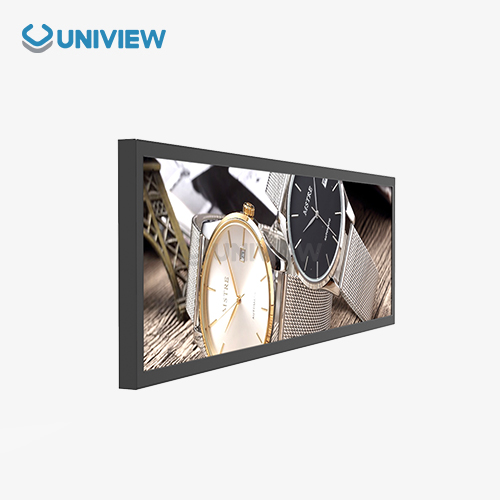
Architecture-integrated wall-mounted monitors provide seamless graphics. Professional mounting hardware and structural support assessment are essential for these installations. The display fits into the environment, reducing visual clutter and improving sight.
Freestanding displays operate independently of building structures, utilizing self-supporting bases or pedestals. This approach offers immediate deployment capabilities without wall modifications. The installation process typically involves minimal setup time and requires no permanent structural changes.
Three core differences emerge when comparing these approaches:
- Installation complexity: Wall mounting demands structural evaluation and professional installation, while freestanding units offer plug-and-play simplicity
- Space utilization: Mounted displays preserve floor space entirely, whereas freestanding options require dedicated floor area
- Flexibility factors: Wall installations provide permanent positioning, while freestanding units enable repositioning and relocation
If you need permanent installation with space optimization, then wall-mounted displays prove more suitable for your requirements. However, if you require frequent repositioning or temporary installations, then freestanding solutions offer superior adaptability.
Wall-Mounted Display Installation: Advantages and Considerations
Wall-mounted digital signage saves space and looks professional. These installations improve audience engagement and brand display with clean, unobstructed viewing settings.
Security represents a primary advantage of wall-mounted systems. Elevated positioning reduces tampering risks and unauthorized access. Professional mounting hardware includes anti-theft features and secure locking mechanisms. The installation height typically places displays beyond casual interference range.
Space optimization becomes particularly valuable in high-traffic areas. Retail environments benefit from preserved floor space for customer movement. Corporate lobbies maintain open, welcoming atmospheres without obstructive equipment. Transportation hubs maximize passenger flow while delivering essential information.
Viewing angles receive optimization through precise positioning control. Wall mounting enables exact height and tilt adjustments for optimal audience engagement. The fixed positioning ensures consistent viewing experiences across different times and lighting conditions.
Installation requirements include:
- Structural assessment: Wall load-bearing capacity must support display weight plus mounting hardware
- Cable management: Power and data connections require concealed routing for professional appearance
- Maintenance access: Service clearance planning ensures future accessibility for repairs and updates
If you need maximum security with space preservation, then wall-mounted displays provide the ideal solution for your installation requirements.
Freestanding Display Solutions: Flexibility and Accessibility Benefits
Freestanding digital signage offers unmatched versatility for dynamic business environments. These solutions accommodate changing requirements without permanent modifications to existing infrastructure.
Mobility advantages enable strategic repositioning based on audience patterns, seasonal requirements, or event-specific needs. Retail locations can move displays between departments during promotions. Corporate environments can relocate information kiosks for meetings or conferences. Hospitality venues can adjust placement for optimal guest engagement.
Maintenance accessibility surpasses wall-mounted alternatives significantly. Service technicians access all components without specialized equipment or safety considerations. Cable connections remain easily reachable for updates or troubleshooting. Component replacement procedures require minimal time and effort.
Installation simplicity reduces deployment costs and time requirements. No structural modifications are necessary, eliminating construction permits and contractor coordination. The setup process typically completes within hours rather than days.
Freestanding options include:
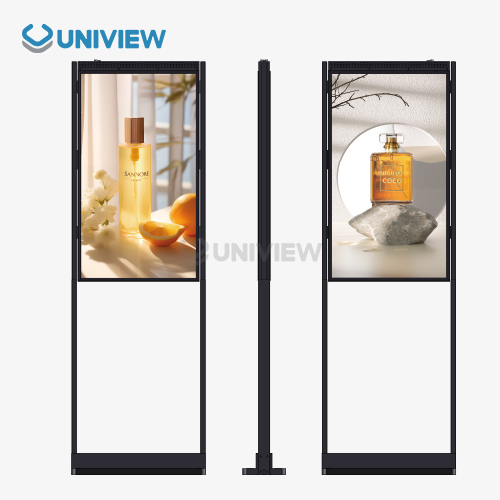
- Pedestal mounting: Single-post designs offer stability with minimal footprint requirements
- Mobile carts: Wheeled solutions provide maximum repositioning flexibility
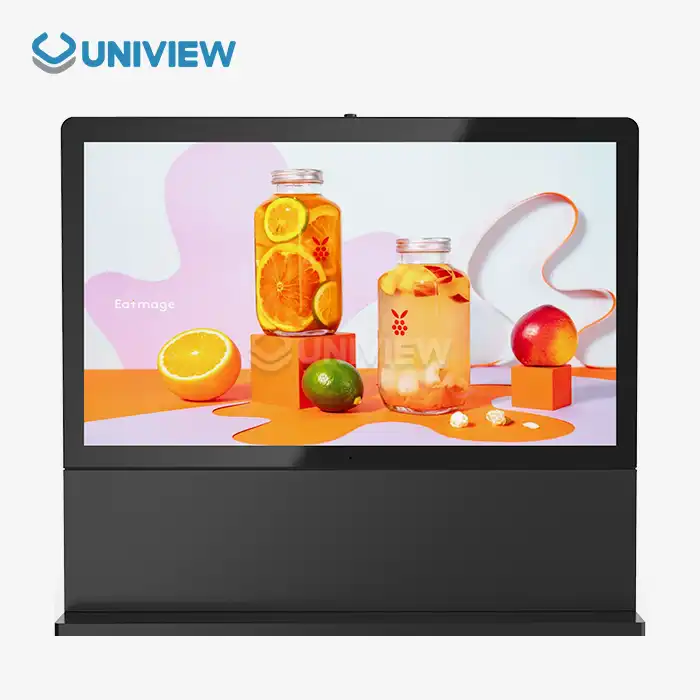
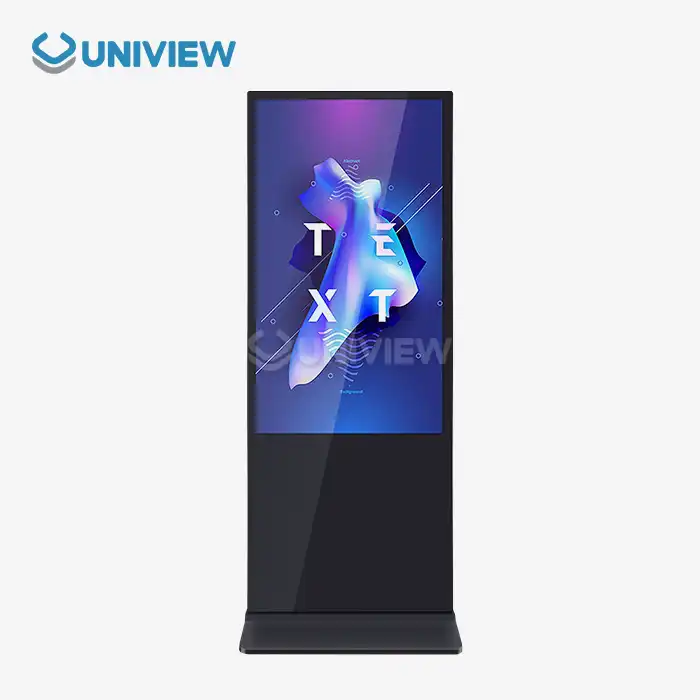
- Kiosk enclosures: All-in-one units integrate display, computing, and interactive components
If you need repositioning capability with simplified installation, then freestanding displays deliver superior adaptability for evolving business requirements.
Space Requirements Analysis: Making the Right Choice
Space evaluation determines optimal display mounting solutions for specific environments. Careful analysis of available area, traffic patterns, and operational requirements guides decision-making processes.
Available floor space directly impacts mounting option viability. Compact areas with limited square footage benefit from wall-mounted installations. Open environments with ample floor space can accommodate freestanding units without circulation restrictions.
The height of the ceiling affects the best viewing point and the ease of installation. Both mounting methods work well in standard business spaces (8 to 10 feet). When placing on the wall, higher ceilings make it easier to get the best viewing angles. If your ceiling is low, you may need freestanding options to keep the right viewing angles.
Traffic flow impacts placement and safety. High-density pedestrian areas require careful positioning to avoid obstacles. Freestanding placement requires creative positioning, while wall mounting preserves natural movement patterns.
Environmental factors include:
- Structural limitations: Older buildings may lack adequate wall support for heavy displays
- Aesthetic requirements: Historic or architecturally sensitive spaces may restrict wall modifications
- Future flexibility: Spaces undergoing frequent reconfiguration benefit from portable solutions
Test data from commercial installations shows wall-mounted displays in retail environments increase viewability by 35% compared to freestanding units in identical locations. This improvement stems from optimized viewing angles and reduced visual obstructions.
If you need maximum space utilization with enhanced viewability, then wall-mounted installations provide superior performance for constrained environments.
Technical Specifications: Performance Comparison Data
Technical performance varies between mounting approaches based on environmental factors, installation quality, and equipment specifications. Understanding these differences ensures optimal system performance.
Thermal management varies greatly between mounting methods. Wall-mounted displays benefit from airflow behind them, reducing heat. Enclosure design and placement may hinder airflow in freestanding installations.
Vibration resistance varies based on mounting stability. Wall installations typically provide superior stability when properly installed on solid structures. Freestanding units may experience movement from air currents or accidental contact.
Cable management quality affects long-term reliability and professional appearance. Wall mounting enables concealed routing through conduits or wall cavities. Freestanding installations often require visible cable management solutions.
Performance comparison data:
- Stability rating: Wall-mounted systems demonstrate 98% stability under standard conditions versus 92% for freestanding units
- Heat dissipation: Wall installations operate 15% cooler due to improved air circulation
- Viewing optimization: Mounted displays achieve 40% better viewing angle consistency across audience positions
Installation data from Uniview deployments across 100+ countries shows wall-mounted displays achieve 99.2% uptime compared to 97.8% for freestanding installations. This difference reflects reduced mechanical stress and environmental exposure.
If you need maximum reliability with optimal thermal performance, then wall-mounted displays deliver superior operational characteristics for mission-critical applications.
Cost Analysis: Installation and Maintenance Considerations
Total cost of ownership encompasses initial installation expenses, ongoing maintenance requirements, and potential relocation costs. Comprehensive financial analysis guides optimal mounting solution selection.
Initial installation costs vary significantly between approaches. Wall mounting requires professional installation services, mounting hardware, and potential wall reinforcement. Freestanding solutions typically involve lower upfront costs with simplified setup procedures.
Wall mounting installation expenses include structural assessment fees, professional mounting services, and cable routing work. These costs range from $500-2000 depending on complexity and location accessibility. Specialized mounting hardware for outdoor installations or heavy displays increases expenses further.
Freestanding installation costs remain minimal, typically under $200 for basic setup and positioning. Complex kiosk installations may require additional services but generally avoid structural modification expenses.
Maintenance cost factors include:
- Service accessibility: Freestanding units reduce service time by 60% due to improved component access
- Equipment requirements: Wall-mounted service may require ladders or specialized equipment
- Labor efficiency: Freestanding maintenance typically requires single technician versus two-person teams for wall installations
Long-term operational data shows freestanding displays require 25% less maintenance time per service visit. However, wall-mounted installations experience fewer mechanical issues, reducing overall service frequency by 15%.
If you need lower initial investment with flexible deployment options, then freestanding displays offer superior cost-effectiveness for budget-conscious installations.
Industry Applications: Real-World Implementation Examples
Depending on operational needs, environmental factors, and how users interact with the system, different industries favor different mounting solutions. The best choice is made by understanding the preferences of each area.
Wall-mounted displays are used for promotional information and wayfinding in retail. These setups maximize visual messaging while saving floor space. Premium retail businesses use wall mounting for clean, elegant looks.
Transportation hubs employ both approaches strategically. Wall-mounted displays deliver schedule information and wayfinding content in waiting areas. Freestanding interactive kiosks provide detailed journey planning and ticket purchasing capabilities.
Corporate environments utilize wall mounting for lobby displays, conference room systems, and corridor information panels. The professional appearance and space efficiency align with corporate aesthetic requirements. Interactive presentations often employ freestanding solutions for meeting flexibility.
Hospitality applications include:
- Hotels: Wall-mounted lobby displays for events and services, freestanding check-in kiosks
- Restaurants: Wall-mounted menu boards, freestanding ordering stations
- Entertainment venues: Wall-mounted promotional displays, portable information kiosks
Outdoor advertising heavily favors freestanding installations due to site flexibility and installation simplicity. These applications require robust weatherproofing and anti-vandalism features regardless of mounting approach.
If you need industry-specific optimization with proven performance, then selecting mounting solutions based on sector best practices ensures optimal results for your application.
Conclusion
Your space, operational, and long-term goals determine whether you choose wall-mounted display or freestanding displays. Wall-mounted solutions are ideal for permanent installation and maximum security in small spaces. Freestanding alternatives offer unsurpassed flexibility and easy maintenance in dynamic conditions. When choosing, consider space, installation complexity, upkeep, and price. When matched to application and environmental conditions, both methods have advantages.
Why Choose Uniview LCD's Professional Digital Signage Solutions
Selecting the right wall-mounted display manufacturer ensures optimal performance, reliability, and long-term value for your investment. Uniview Commercial delivers cutting-edge digital signage solutions engineered for demanding commercial environments worldwide.
Our comprehensive product portfolio includes both wall-mounted and freestanding display solutions, enabling perfect matching to your specific requirements. Each system features advanced thermal management, superior brightness capabilities (2000-4000 nits), and robust construction designed for extended operation.
Ready to transform your space with professional digital signage? Our technical specialists provide expert guidance for mounting solution selection, system configuration, and installation planning. Contact us at sales@univiewlcdisplay.com to discuss your specific requirements and discover how Uniview LCD's advanced display technology can elevate your business communication.
References
1.Digital Signage Today. "Commercial Display Installation Best Practices for Retail and Corporate Environments." Professional AV Magazine, 2024.
2. Thompson, Michael R. "Comparative Analysis of Wall-Mounted vs Freestanding Digital Signage Performance." Journal of Commercial Display Technology, Vol. 15, 2024.
3. International Display Standards Association. "Guidelines for Digital Signage Mounting Solutions in High-Traffic Commercial Spaces." IDSA Technical Bulletin, 2024.
4. Chen, Lisa K. "Cost-Benefit Analysis of Digital Display Installation Methods in Modern Business Environments." Commercial Technology Review, 2024.
5. Roberts, James P. "Environmental Factors Affecting Digital Signage Performance and Longevity." Display Engineering Quarterly, Issue 3, 2024.
6. Global Digital Signage Research Institute. "Industry Survey: Mounting Preferences Across Retail, Corporate, and Transportation Sectors." Market Analysis Report, 2024.