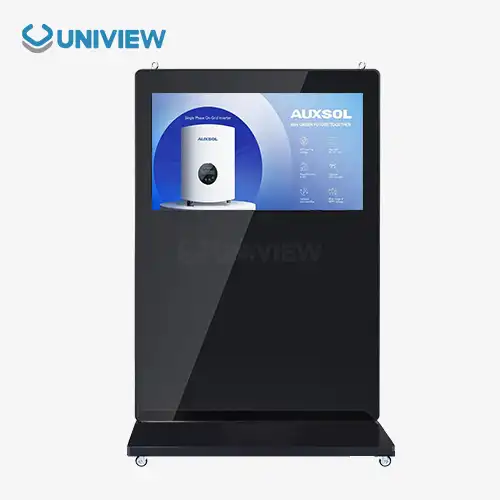
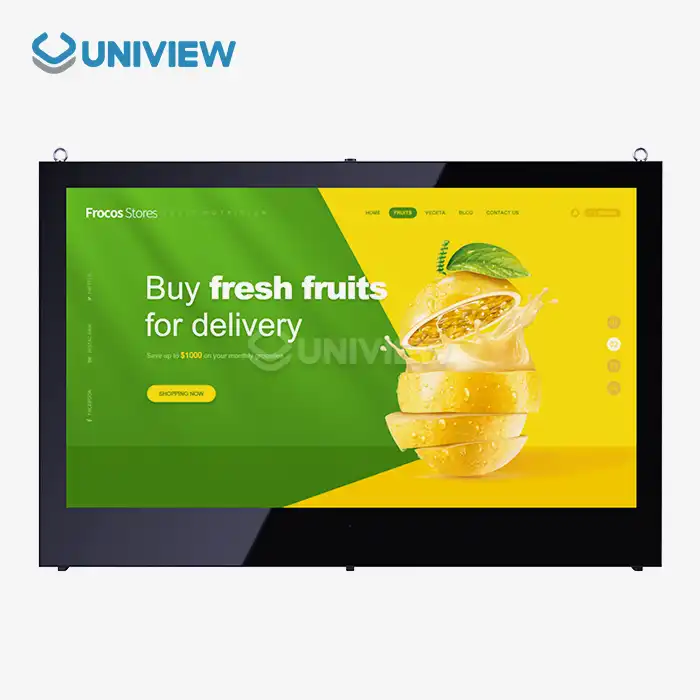
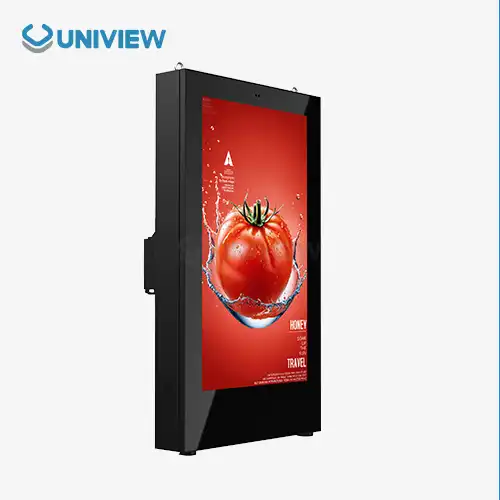
When contrasting the costs of indoor standing digital screens in China and Japan, considerable price discrepancies become apparent within the worldwide market. Chinese manufacturers commonly sell units at cheap prices, which range from $800 to $3,500 per unit. In contrast, their Japanese equivalents, which have comparable specs, typically charge premium prices ranging from $2,200 to $8,000. Manufacturing costs, technical positioning, and the market strategies that are implemented by different countries in the digital signage business are the causes of this significant range in pricing.
Understanding Global Indoor Digital Display Pricing Dynamics
Market Trends Driving Price Variations
There is a significant expansion taking place in the market for digital signage across the retail, hospitality, and corporate sectors. There has been a tremendous increase in the demand for interactive displays and commercial kiosks worldwide. This demand has risen by twelve percent each year, providing significant opportunities for businesses that are looking for affordable solutions. Importers are able to make well-informed decisions regarding the selection of vendors for their digital advertising requirements provided they have a grasp of these pricing trends.
Regional Manufacturing Advantages
The economies of scale that are offered by China's manufacturing ecosystem have a substantial impact on the pricing of floor-standing monitors. The overall costs associated with manufacturing are lower as a result of the effective supply chains that are utilized by the sophisticated production facilities in Shenzhen and the neighboring areas. Japanese companies, on the other hand, are concentrating on premium positioning through the implementation of improved quality control procedures and the integration of specialist technologies.
Comprehensive Price Breakdown Analysis
Factory Price Ranges and FOB Considerations
The cost of indoor advertising displays, including indoor standing digital screens, in China normally ranges from eight hundred to three thousand five hundred dollars FOB, and this price is dependent on the screen size and specifications. The entry-level 32-inch devices begin at approximately $800, and the premium 75-inch interactive digital signage units can cost as much as $3,500. Japanese equivalents are priced at a premium of 60-140%, while those with comparable characteristics range in price from $2,200 to $8,000 FOB.
Minimum Order Quantities and Bulk Pricing
For conventional configurations, Chinese vendors generally request a minimum order quantity (MOQ) of between 10 and 50 units. They also provide a discount of 15 to 25 percent for orders that are larger than 100 pieces. In comparison, Japanese manufacturers typically require a minimum order quantity of between twenty and one hundred pieces and offer less significant bulk discounts of eight to fifteen percent. For large-scale deployments, these discrepancies have a substantial impact on the overall cost of the project.
Additional Import Costs and Hidden Fees
Importing digital kiosks involves various additional expenses beyond factory pricing. Typical import duties range from 8-12% for electronic displays, while freight costs add $200-$600 per unit depending on destination. Customs clearance fees, insurance, and local handling charges contribute another 5-8% to total landed costs.
Critical Factors Influencing Pricing Structures
Raw Material Cost Fluctuations
Because of the state of the global supply chain and the availability of semiconductors, costs for LCD panels vary. The pricing of multimedia displays has been directly affected by the fluctuations in panel costs, which have been ranging from 20 to 30 percent per quarter as a result of the market's recent volatility. Because of the bigger volumes of production they have and the relationships they have with suppliers, Chinese manufacturers are frequently better able to absorb these changes.
Labor and Manufacturing Overhead
Labor costs in China remain significantly lower than Japan, contributing to substantial price advantages. Manufacturing overhead, including facility costs and regulatory compliance, varies considerably between regions. These factors create the foundation for sustained pricing differences between Chinese and Japanese digital poster manufacturers.
Currency Exchange Rate Impact
There is a direct impact on the level of pricing competitiveness as a result of the fluctuations in the exchange rates between the United States dollar (USD), the Chinese yuan (CNY), and the Japanese yen (JPY). Because of the appreciation of the Japanese yen, manufacturers in Japan are seeing an increase in pressure, although the most recent variations in currency values have been beneficial to Chinese exports. In order to maximize the timing of their purchases, savvy customers closely monitor these changes.
Strategic Market Comparison: China vs Japan
Technology and Quality Positioning
Japanese manufacturers emphasize premium quality and advanced features in their commercial displays, including indoor standing digital screens, justifying higher pricing through superior components and extensive testing. Chinese producers offer excellent value propositions with competitive quality standards while maintaining cost advantages through efficient manufacturing processes.
Customization Capabilities and Flexibility
Chinese providers are particularly adept at delivering a wide range of customizable alternatives for both digital navigation solutions and shop displays. Manufacturing agility makes it possible to complete adjustments and quick prototyping without incurring major cost penalties. The customization of products is something that Japanese manufacturers provide, but they usually take more time to complete orders and a greater minimum number of products to be manufactured.
Global Support Infrastructure
Both regions provide comprehensive global support, though delivery models differ significantly. Chinese manufacturers leverage extensive distributor networks and competitive service pricing. Japanese companies maintain premium service standards with higher associated costs reflecting their market positioning strategy.
Optimizing Procurement Strategies
Effective Negotiation Techniques
In order to successfully negotiate, it is necessary to have an awareness of both market positioning and the cost structures of suppliers. Chinese manufacturers are frequently willing to be flexible when it comes to pricing, payment terms, and customisation possibilities. The development of long-term relationships provides customers with access to more advantageous price tiers and the ability to schedule production on a priority basis for orders that will be placed in the future.
OEM and ODM Cost-Saving Approaches
Original Equipment Manufacturing partnerships with Chinese suppliers offer substantial savings for branded digital information boards. ODM arrangements provide complete product development services while maintaining competitive pricing. These approaches reduce development costs while ensuring product differentiation in competitive markets.
Volume Planning and Timing Strategies
Strategic volume planning maximizes bulk discount opportunities while minimizing inventory risks. Seasonal purchasing patterns affect pricing, with optimal procurement windows typically occurring during manufacturing low seasons. Advanced planning enables suppliers to offer enhanced pricing for confirmed volume commitments.
Future Price Forecast and Market Trends
Economic Indicators and Market Predictions
Global economic conditions suggest continued price competitiveness from Chinese manufacturers through 2024-2025. Inflation pressures affect both regions, though China's manufacturing scale provides better cost absorption capabilities. Digital advertising screen demand growth supports stable pricing environments for established suppliers.
Technology Evolution Impact on Pricing
Advancing display technologies and smart display integration create new price segments within the market. Higher resolution capabilities and enhanced connectivity features command premium pricing regardless of manufacturing origin. These developments provide opportunities for value-conscious buyers seeking future-proof solutions.
Supply Chain Resilience Considerations
Recent global events highlight supply chain resilience importance in procurement decisions. Diversified sourcing strategies balance cost optimization with risk management. Chinese manufacturers demonstrate strong supply chain adaptability, while Japanese suppliers offer stability through established processes and relationships.
Conclusion
Price comparisons between Chinese and Japanese indoor standing digital screens reveal substantial advantages for Chinese manufacturers across most market segments. While Japanese products command premium positioning, Chinese suppliers deliver exceptional value through competitive pricing, flexible customization, and comprehensive global support. The 60-140% price differential reflects fundamental differences in manufacturing approaches rather than quality compromises. Buyers seeking cost-effective digital signage solutions find Chinese manufacturers provide optimal balance of quality, features, and pricing for most commercial applications. Strategic procurement planning and supplier relationship development maximize these advantages while ensuring long-term project success.
Partner with Uniview for Premium Indoor Standing Digital Screen Solutions
Uniview Commercial stands as your trusted indoor standing digital screen supplier, delivering exceptional value through our advanced manufacturing capabilities and global support network. Our comprehensive product portfolio includes high-brightness displays ranging from 2000-4000 nits, IP65/66 protection ratings, and corrosion-resistant designs perfect for demanding commercial environments. With over a decade of experience serving clients across 100+ countries, we understand the unique requirements of retail, hospitality, and corporate applications.
Our customization expertise enables tailored solutions matching your specific project requirements while maintaining competitive pricing structures. Extended warranty coverage of 3-5 years, backed by China Pacific Insurance Company, ensures long-term investment protection. Global 24-hour online support provides immediate assistance regardless of your location or time zone. Whether you need interactive touch screen kiosks, digital menu boards, or large-format commercial displays, Uniview Commercial delivers superior quality with industry-leading technical specifications. Ready to explore how our indoor standing digital screen manufacturer capabilities can transform your digital signage projects? Contact us at sales@univiewlcdisplay.com to discuss your requirements and receive detailed quotations.
FAQ
Q: What accounts for the significant price difference between Chinese and Japanese indoor digital displays?
A: The price differential primarily results from manufacturing cost structures, labor expenses, and market positioning strategies. Chinese manufacturers benefit from economies of scale and lower operational costs, while Japanese companies focus on premium positioning with enhanced quality control processes.
Q: Are Chinese indoor standing digital screens reliable for long-term commercial use?
A: Modern Chinese manufacturers produce highly reliable digital signage meeting international quality standards. Many suppliers offer 3-5 year warranties with comprehensive support, demonstrating confidence in product durability and performance for commercial applications.
Q: How do minimum order quantities affect total project costs?
A: Chinese suppliers typically require lower MOQs (10-50 units) with substantial bulk discounts, while Japanese manufacturers often demand higher quantities (20-100 units) with modest discounts. This difference significantly impacts small to medium-sized projects where Chinese suppliers provide better flexibility.
References
1. Asia-Pacific Digital Signage Market Analysis Report 2023, International Display Technology Research Institute
2. Global Manufacturing Cost Comparison Study: Electronics Industry, World Trade Economics Journal, Vol. 45, 2023
3. LCD Panel Supply Chain and Pricing Trends, Display Industry Analysis Quarterly, 2023
4. Commercial Display Market Segmentation and Regional Analysis, International Business Technology Review, 2023
5. Digital Signage Industry Outlook and Price Forecasting, Electronic Commerce Research Association, 2023
6. Comparative Study of Asian Display Manufacturing Capabilities, Technology Manufacturing International, 2023