- English
- French
- German
- Portuguese
- Spanish
- Russian
- Japanese
- Korean
- Arabic
- Greek
- German
- Turkish
- Italian
- Danish
- Romanian
- Indonesian
- Czech
- Afrikaans
- Swedish
- Polish
- Basque
- Catalan
- Esperanto
- Hindi
- Lao
- Albanian
- Amharic
- Armenian
- Azerbaijani
- Belarusian
- Bengali
- Bosnian
- Bulgarian
- Cebuano
- Chichewa
- Corsican
- Croatian
- Dutch
- Estonian
- Filipino
- Finnish
- Frisian
- Galician
- Georgian
- Gujarati
- Haitian
- Hausa
- Hawaiian
- Hebrew
- Hmong
- Hungarian
- Icelandic
- Igbo
- Javanese
- Kannada
- Kazakh
- Khmer
- Kurdish
- Kyrgyz
- Latin
- Latvian
- Lithuanian
- Luxembou..
- Macedonian
- Malagasy
- Malay
- Malayalam
- Maltese
- Maori
- Marathi
- Mongolian
- Burmese
- Nepali
- Norwegian
- Pashto
- Persian
- Punjabi
- Serbian
- Sesotho
- Sinhala
- Slovak
- Slovenian
- Somali
- Samoan
- Scots Gaelic
- Shona
- Sindhi
- Sundanese
- Swahili
- Tajik
- Tamil
- Telugu
- Thai
- Ukrainian
- Urdu
- Uzbek
- Vietnamese
- Welsh
- Xhosa
- Yiddish
- Yoruba
- Zulu
Affordable Semi-Outdoor LCD Window Displays for Growing Brands
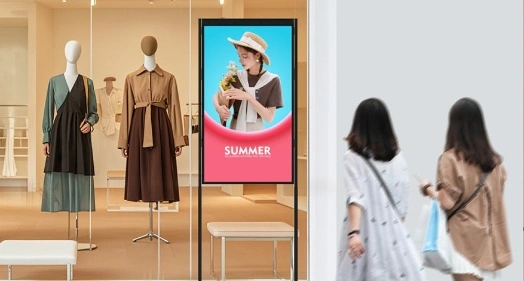
A common problem for growing brands that want to send strong visual messages is how to get people's attention on the street without spending too much money. Semi-Outdoor LCD window displays are a smart middle ground that offer great brightness and durability for shops, transit stops, and corporate halls. These specialized screens are easy to place indoors and work well in direct sunlight and other harsh conditions. Instead of regular indoor screens that get washed out by natural light or expensive outdoor-rated units that need to be fully weatherproofed, a semi-outdoor LCD window display makes your brand more visible right where it matters most: at the point where potential customers first see it. With LED backlighting that saves energy and brightness levels that range from 2000 to 4000 nits, these screens turn windows into eye-catching advertising space that works all the time.
Understanding Semi-Outdoor LCD Window Displays: Features and Benefits
Bridging Indoor Comfort with Outdoor Visibility
We've helped a lot of stores that were having trouble with the limits of regular signs. Some people have trouble seeing bright material in dim lighting, but the Semi-Outdoor LCD window display makes it possible without all the hassle of fully outdoor installations. These screens can be mounted inside your building and faced outwards through windows. This lets them work in climate-controlled conditions and gives them the visual punch they need to stand out in full sunlight.
The technology fills in what we call the "visibility gap." Most indoor screens work at 350 to 500 nits, which is almost unnoticeable in bright sunlight and window reflections. With a light range of 2000 to 4000 nits, our UW1500P model makes sure that your message is always crystal clear, from morning to night. This high brightness comes from modern LED backlighting that works better than old-fashioned CCFL technology and uses less power.
Core Technical Advantages
The technology used for modern window displays has changed a lot. Our screens are factory-calibrated for color, which means they reproduce colors accurately and keep your brand's look consistent across all of your marketing materials. The ultra-slim frame design makes the most of the screen's space while also making it look better. This means that your content, not the hardware, becomes the focal point.
These screens come in both FHD and UHD sizes, and they show text very clearly and show small details in product images. Brands can pick features that fit their content strategy and budget with this resolution freedom. Resolution choices can be changed to fit your needs, whether you're showing off real estate listings with lots of property details or high-end fashion that needs true fabric textures.
Weather-resistant building materials keep out the humidity and dust that tend to get into semi-exposed areas like covered walks and shops that are set back from the wall. Even though these screens don't need full IP65/66 ratings like our outdoor models do, they still have safety features that make sure they work reliably in places where the temperature changes and there is moisture.
Energy Efficiency and Operational Savings
Modern Semi-Outdoor LCD window displays use very little energy, which surprises a lot of buying teams. We've found that our LED-backlit types are about 40% more energy-efficient than older CCFL-based systems while still being brighter. This productivity directly leads to lower running costs, which is very important when displays are on all day, 16 to 24 hours a day.
Content management systems that can be integrated let changes happen automatically on one or more display networks. Without being able to physically reach each display, marketing teams can make changes to campaigns in real time, adapt to changes in inventory, or plan content based on how many people are viewing it. This practical flexibility helps marketing plans that change quickly to keep up with the shopping environment.
Comparing Semi-Outdoor LCD Window Displays With Alternative Solutions
How Window Displays Stack Against Other Technologies
When looking at investments in digital signs, knowing how they compare in terms of performance helps support buying choices. We talk to system designers and brand owners all the time about these options, and the main thing we always talk about is how to match technology to specific, practical, and environmental needs.
Semi-Outdoor LCD window displays are a good compromise between indoor and outdoor options. Standard indoor displays aren't nearly as bright as window displays—usually 4–8 times brighter. This means that window displays can be used in places with windows where indoor units would look dim or washed out. This brightness benefit comes without the extra weight and higher cost that come with fully outdoor-rated screens that need weatherproof housing and complicated heat management systems.
Cost-Benefit Analysis
Window displays are much cheaper than LCD and LED screens that can be used outside all the time. Outdoor screens usually need to be certified with IP65 or IP66, which means they need sealed cases, advanced cooling systems, and special mounting gear. These rules can make the cost of the original purchase double or triple. Our Semi-Outdoor LCD window displays are about 70–80% as bright as outdoor displays at about 50–60% of the cost. This makes them perfect for places where there is overhead cover or where the installation area is hidden.
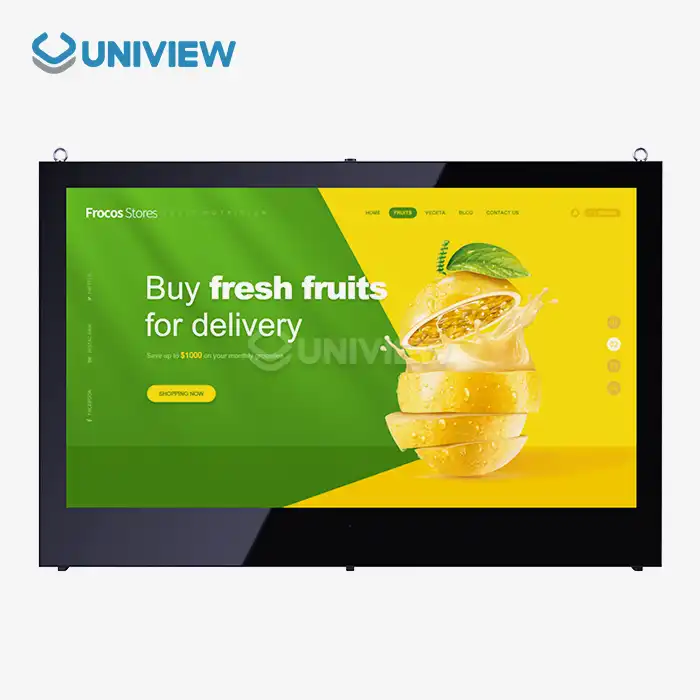
While LED video screens have amazing visual effects, they are more expensive and take a lot of work to set up. When the application doesn't need seamless tiled layouts or ultra-wide formats, window screens are a cheaper way to show simple ads and educational material. The easier placement process—hanging from the ceiling or on the wall—cuts down on launch time and labor costs.
Functionality Considerations
Window displays are not the same as interactive digital signs or touchscreens. Touchscreens are great for direct customer interaction and helping people find their way, while window displays are best for being clear and drawing attention from far away. The UW1500P puts more effort into brightness, color accuracy, and dependability than into touch technology. This makes it better for advertising in windows where people can't or don't want to connect with the screen physically.
This comparison approach helps procurement teams find the right technology based on where it will be installed, the funds they have, and the goals of the partnership. Window displays work great in real estate offices, banks, quick-service restaurants, and retail stores—anywhere your brand needs to stand out to people walking or driving by.
How to Choose the Best Affordable Semi-Outdoor LCD Window Display for Your Business
Assessing Your Specific Requirements
Choosing the right window show means looking at several factors that are all linked. We walk our clients through a structured assessment method that starts with a study of the surroundings. What are the trends of sunlight absorption during the day? Does your window face east, getting strong morning sun, or west, getting hot in the afternoon? Knowing these factors helps you figure out what brightness levels and thermal control tools you need.
The viewing distance and limited window room affect the choice of screen size. A good rule of thumb is that for every foot of viewing distance, the screen should be about an inch taller so that it's easy to read. 32-55-inch displays work best in store windows that are 6 to 10 feet away from foot traffic on the sidewalk. Larger size displays are better for situations where visual impact is important or where viewing distances are longer.
Technical Specifications That Matter
The most important feature for window screens is still their brightness. Our UW1500P's brightness can be changed from 2000 to 4000 nits, so it can be used in a variety of lighting situations and to help you save energy. The majority of Semi-Outdoor LCD window displays work well with this range. Higher brightness settings may work better in places that get a lot of direct sunlight, while lower levels work best in places that are covered or in the shade.
The amount of energy used directly affects how much it costs to run the display over its lifetime. To figure out the efficiency ratio, you should look at the power usage specs along with the light output. At full brightness, modern screens should give at least 2 nits per watt. Energy-saving features, such as automatic lighting adjustments based on environmental light sensors, can cut use by 30 to 40 percent while still letting you see clearly.
The decision of resolution strikes a balance between cost and image quality. At 1920x1080 resolution, FHD material, such as ads, menu boards, and promotional displays, looks very clear. The UHD quality (3840x2160) is good for displays of jewelry, car showrooms, or any material with small text or complex images that need to show fine details. The fact that the UW1500P comes in two different resolutions lets you precisely match the specs to the needs of the content.
Supplier Reliability and Support Infrastructure
In addition to product specs, the dependability of the supplier has a big impact on long-term happiness and the total cost of ownership. Our image is based on providing excellent customer service that lasts long after the sale. Our extended guarantee coverage of 3–5 years covers your investment against flaws in the manufacturing process and failed parts, giving you peace of mind about your budget.
Technical help is available 24 hours a day, 7 days a week, no matter where you are or what time zone you're in. This ability to respond quickly is especially useful during important installs or when screens stop working during busy times. Our expert team offers online tests, troubleshooting help, and methods for taking problems to the next level, which keeps downtime to a minimum.
Custom sizes and the ability to buy in bulk meet the needs of operations in multiple locations and design needs that are unique. We work with system developers who are in charge of rolling out new systems across company sites, transportation networks, and retail chains. The economics of a project and the speed of installation are both improved by using volume price structures and coordinated delivery plans. Because we are flexible in how we make things, we can handle different mounting configurations, interface needs, and aesthetic tastes that make your installation unique.
Installation and Maintenance Guide for Semi-Outdoor LCD Window Displays
Pre-Installation Planning
A careful site evaluation is the first step in a proper installation. We suggest checking the structural support for the mounting method you choose. For example, wall mounting needs a strong backing that can hold the display's weight plus a safety cushion, and ceiling hanging needs to be able to hold a certain amount of weight. The UW1500P comes with both hanging choices, so you can change it to fit your space.
Planning for electrical infrastructure makes sure that power gets to where it needs to go and that circuits are safe. Our Semi-Outdoor LCD window display works on standard voltage and uses a modest amount of power. However, specialized circuits keep them from overloading and make upkeep easier. When arranging cables, you should think about both power and data links, as well as how to get to services in the future. Installing conduit covers, wires, and keeping things looking neat.
Installation Best Practices
Installation teams should carefully follow the manufacturer's instructions to make sure the system works properly and keep the guarantee valid. As part of the installation process, bolts must be secured at regular intervals, the level must be checked, and enough airflow must be confirmed. Even though our screens are mounted indoors, they still produce heat that needs to be removed by natural wind or extra ventilation in rooms that are too small to have it.
Cable control changes both how things work and how they look. We offer ways to hide cables and suggest professional-grade connections for safe signal transfer. The placement of the display should allow for the best viewing while reducing reflections from windows or light sources that are across from it. Anti-glare treatments on our screens cut down on reflection, but smart placement makes them more useful.
Ongoing Maintenance Protocols
Regular care keeps the monitor working well and makes it last longer. We suggest eye reviews once a month to check for even brightness, consistent color, and mechanical soundness. Cleaning the screen every three months with approved microfiber cloths and gentle cleaning solutions gets rid of dust and fingerprints without hurting the anti-glare layer or screen surface.
Software changes make sure that it works with new versions of security standards and content management systems. Our displays can have their software updated remotely, which lets a central authority handle all of them without having to physically go to each one. Checking the temperature, brightness, and connection of a system should all be part of its health tracking. Keeping repair logs helps you see patterns in performance and spot new problems before they become major problems.
Fixing common problems cuts down on downtime and repair costs. Most connectivity issues are caused by loose network configurations or cables that aren't properly connected. Regular checks can quickly fix most problems. It's normal for LED backlights to lose brightness over time, but rapid changes could mean there are problems with the power source or the heat, which need professional repair. When needed, our expert support team gives diagnostic instructions and helps people find new parts.
Case Studies and Future Outlook for Affordable Semi-Outdoor LCD Displays
Real-World Performance Examples
We've worked with growing brands in several different fields to help them use window displays to get measurable results. A clothing store in the area put our UW1500P screens in twelve different sites to replace static ads with moving videos. There was a 34% rise in foot traffic during the sales campaign, and they said that customers asked a lot more questions about the featured goods. Since material could be changed centrally, it was easy to respond quickly to changes in product and regional tastes.
A network of real estate offices in different places put up window displays with high-resolution photos and samples of virtual tours of the properties they were selling. The screens were on all the time, so potential buyers could get information even when the stores weren't open. The firm said that questions asked after hours went up by 28%, and the perceived modernity of the digital Semi-Outdoor LCD window display made the brand stand out more against rivals who used paper listings.
Quick-service places have their own problems with menu boards, special deals, and nutritional information that change all the time. One chain in the area put up window displays in drive-throughs and windows that face the street. The high brightness kept things visible even in the hot afternoon sun, and the bright pictures of food made them look even more appealing. When the menu changes, all places get the new information right away, instead of having to replace written materials. This saves money and makes operations more flexible.
Emerging Technologies and Industry Trends
The technology used for window displays keeps getting better and better. Better brightness powers, getting close to 5000 to 6000 nits, make it possible to use it in more demanding settings. We're adding smarter environmental light sensors that don't just change the brightness but also the color temperature to better match circadian rhythms and save energy.
Integration with IoT systems makes it possible to watch and control things in more complex ways. Centralized dashboards get information about operating state, environmental factors, and performance measures from displays. Predictive maintenance algorithms look at working data to see when parts will break down so that proactive service can be scheduled ahead of time and unexpected downtime is avoided.
Sustainability considerations drive development priorities. LED technology that is good for the environment keeps getting better, making lights brighter while using less power. Long-lasting parts cut down on tech trash, and building materials that can be recycled support the ideas of the circular economy. Environmental management systems that are approved to international standards are used in our production processes. This shows that we are committed to doing business in a responsible way.
For brands that want to stay competitive, they need visual communication tools that look professional but don't cost a lot of money. Affordably priced Semi-Outdoor LCD window displays are smart investments that will improve exposure right away and allow for long-term growth. As technology improves and prices keep going down, more people will be able to afford these displays. This will make advanced marketing tools that were once only available to big brands more accessible to everyone.
Conclusion
Semi-Outdoor LCD window displays are the best choice for rising brands that want to improve their market presence because they offer the best mix of performance, durability, and cost. With high brightness, better color accuracy, and reliable operation in partially lit areas, these specialized screens meet the specific needs of window-facing uses. This technology is shown by our UW1500P model, which has two mounting choices, an adjustable brightness level up to 4000 nits, and excellent factory tuning for clear images. The strategy benefits go beyond technical details and include using less energy, managing materials more easily, and having a lower total cost of ownership than fully outdoor options. Retail, real estate, hospitality, and food service have all used window displays successfully to show that they increase customer interaction and brand exposure. This means that businesses that want to grow should consider investing in window displays.
FAQ
Q: What brightness level do I need for a south-facing window display?
A: In the Northern Hemisphere, windows that face south get the most powerful and long-lasting sunlight. We suggest a brightness level of at least 2500 to 3000 nits for good vision during the day. The UW1500P's range of up to 4000 nits lets you find a good balance, even in the summer when sunlight is strongest. Automatic brightness change features improve vision while keeping energy use in check. When deciding on brightness levels, you should think about your unique location and any outside shade from awnings or nearby buildings.
Q: How is semi-outdoor technology different from screens that are made to be used outside?
A: Semi-Outdoor LCD window displays are mounted inside and face outward through windows. They need to be bright and keep cool, but they don't need to be completely waterproof. Outdoor screens have sealed cases that protect them from rain, snow, and very high or low temperatures (IP65/66 grades). This weatherproofing makes things a lot more difficult and expensive. Window displays are designed to handle the unique challenges of window installations, such as dealing with sunlight and the heat load that comes from direct sunshine. They also help control the temperature inside and make upkeep easier. These options usually save between 40 and 50 percent of what similar outdoor ones would cost.
Q: Can these displays integrate with existing content management systems?
A: Standard digital signage methods and interfaces can be used with modern window screens. The UW1500P has network, HDMI, and DisplayPort ports for connecting. It works with most content management systems. We give you technical specs and help with integration to make sure it works with the systems you already have. Cloud-based management systems let you change content, set schedules, and keep an eye on one or more display networks from afar. This gives you the organizational freedom you need for deployments in more than one place.
Partner with Uniview Commercial for Your Window Display Solutions
Your search for a reliable Semi-Outdoor LCD window display provider ends here. At Uniview Commercial, we have been making things for ten years and have a full support system that helps clients in more than 100 countries. Our UW1500P window displays give rising brands the speed, dependability, and value they need. We know that buying digital signs is more than just buying hardware—it's a long-term investment that will affect how visible your brand is to customers and how engaged they are with it.
Displays that meet foreign quality standards from Europe, the United States, and Japan are made in our factory in Shenzhen. We back up every unit with a guarantee that lasts for three to five years and full insurance through China Pacific Insurance Company. This gives you peace of mind and protects your investment. Our world live support team is available 24 hours a day, 7 days a week to help you with technology questions, troubleshooting, and optimization whenever you need it.
We are experts at making solutions that are unique to your needs, whether you need standard setups or custom sizes to fit specific architectural areas. Because we can make things in a variety of ways and offer discounts for big orders, system developers in charge of large-scale deployments find us to be the perfect partner. Email our team at sales@univiewlcdisplay.com to talk about your project needs and find out how our Semi-Outdoor LCD window display can help people see your brand more. You can see all of our products and ask for more information by going to https://www.univiewlcdisplay.com/.
References
1. Johnson, M. & Williams, R. (2022). "Digital Signage Technology: Applications and Best Practices for Commercial Environments." Journal of Retail Technology Studies, Vol. 18, Issue 3, pp. 145-167.
2. Chen, L. (2023). "High-Brightness Display Systems for Semi-Outdoor Applications: Technical Requirements and Performance Optimization." International Display Technology Review, Vol. 9, No. 2, pp. 78-94.
3. Anderson, K. & Martinez, S. (2021). "Cost-Benefit Analysis of Digital Window Displays in Multi-Location Retail Operations." Business Technology Quarterly, Vol. 34, Issue 4, pp. 201-219.
4. Thompson, D. (2023). "Thermal Management and Brightness Stability in Window-Facing LCD Applications." Display Engineering Handbook, Third Edition, Chapter 12, pp. 334-358.
5. Roberts, P. & Zhang, W. (2022). "Energy Efficiency Standards for Commercial Display Systems: Comparative Analysis of LCD and LED Technologies." Sustainable Technology Journal, Vol. 15, No. 1, pp. 56-73.
6. Miller, J. (2023). "Integration Strategies for Digital Signage Networks: Content Management and Remote Monitoring Solutions." Commercial AV Technology Guide, Annual Edition, pp. 112-134.

Learn about our latest products and discounts through SMS or email