- English
- French
- German
- Portuguese
- Spanish
- Russian
- Japanese
- Korean
- Arabic
- Greek
- German
- Turkish
- Italian
- Danish
- Romanian
- Indonesian
- Czech
- Afrikaans
- Swedish
- Polish
- Basque
- Catalan
- Esperanto
- Hindi
- Lao
- Albanian
- Amharic
- Armenian
- Azerbaijani
- Belarusian
- Bengali
- Bosnian
- Bulgarian
- Cebuano
- Chichewa
- Corsican
- Croatian
- Dutch
- Estonian
- Filipino
- Finnish
- Frisian
- Galician
- Georgian
- Gujarati
- Haitian
- Hausa
- Hawaiian
- Hebrew
- Hmong
- Hungarian
- Icelandic
- Igbo
- Javanese
- Kannada
- Kazakh
- Khmer
- Kurdish
- Kyrgyz
- Latin
- Latvian
- Lithuanian
- Luxembou..
- Macedonian
- Malagasy
- Malay
- Malayalam
- Maltese
- Maori
- Marathi
- Mongolian
- Burmese
- Nepali
- Norwegian
- Pashto
- Persian
- Punjabi
- Serbian
- Sesotho
- Sinhala
- Slovak
- Slovenian
- Somali
- Samoan
- Scots Gaelic
- Shona
- Sindhi
- Sundanese
- Swahili
- Tajik
- Tamil
- Telugu
- Thai
- Ukrainian
- Urdu
- Uzbek
- Vietnamese
- Welsh
- Xhosa
- Yiddish
- Yoruba
- Zulu
Are Indoor Standing Digital Screens Worth the Investment?
Indoor standing digital screens represent a compelling investment opportunity for businesses seeking to enhance their visual communication strategies and customer engagement capabilities. These versatile display solutions offer significant value through their flexibility, advanced technology integration, and ability to deliver dynamic content across various business environments. With proper selection and implementation, these digital displays can generate substantial returns through improved customer experiences, enhanced brand visibility, and operational efficiencies that justify their initial investment costs.

Understanding Indoor Standing Digital Screens
Businesses that want to improve their visual communication and customer interaction can make a lot of money by investing in indoor standing digital screens. These flexible display options are very valuable because they can present dynamic content in a variety of business settings and are compatible with cutting-edge technology. If you choose and use these digital screens correctly, they can give you big returns on your investment through better customer experiences, higher brand exposure, and more efficient operations that cover their initial costs.
Indoor standing digital screens are high-tech display units designed to work in business settings. They are a great way for companies to communicate visually with customers and keep them interested. These flexible options combine cutting-edge LCD or LED technology with strong hardware that is made to work nonstop in busy business environments.
Core Technology and Display Capabilities
The latest digital signs use complex panel technologies that give them great visual performance. LCD screens with IPS technology have better viewing angles, up to 178 degrees, and LED screens have better light levels, from 500 to 4000 nits. These requirements make sure that visibility is at its best in a range of lighting conditions that are typical in places like stores, business halls, and hospitality settings.
System-on-Chip (SoC) media players remove the need for external computers, making installation easier and lowering the amount of upkeep that needs to be done. Content management systems allow updates and scheduling to be done from afar, so businesses can keep their message new and current without having to physically change anything.
Versatile Applications Across Industries
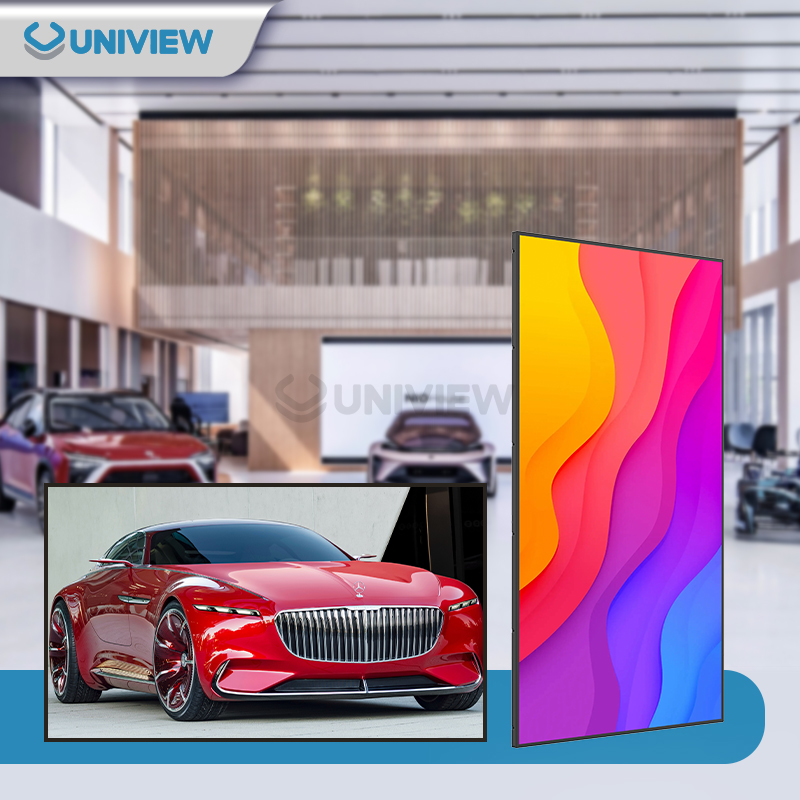
Digital display options meet a wide range of business goals in many fields. These screens are used in stores for advertising efforts, showing off products, and helping customers find their way. They are used for internal communications, guest information, and brand messages in reception areas of business buildings. Interactive screens are used in hospitality places to help with guest services, show information, and make the customer experience better.
Real-time information screens are helpful in transportation hubs, and they're also used in healthcare centers to help patients communicate and find their way. Because these systems are flexible, businesses that need all-around contact options should buy them.
Interactive Features and Connectivity Options
Touch-enabled screens turn watching something idle into an interesting, hands-on experience. Capacitive touch technology correctly reacts to what the user does, letting them use multiple touches and easily navigate. These engaging features make it possible for self-service apps, information kiosks, and customer interaction tools that make service more efficient while also reducing the task of staff.
DisplayPort, USB, Ethernet, and wireless choices are all available for connectivity, making it easy to connect to current business systems. Cloud-based content management lets you keep control from one place over many places. This makes these solutions especially useful for companies with operations in different places.
Comparing Indoor Standing Digital Screens with Alternative Solutions
To choose the best display solution, you need to carefully consider all of your choices and the benefits of each. Businesses can make better purchasing choices when they know the differences between standing displays and other hanging options.
Standing vs. Wall-Mounted Display Configurations
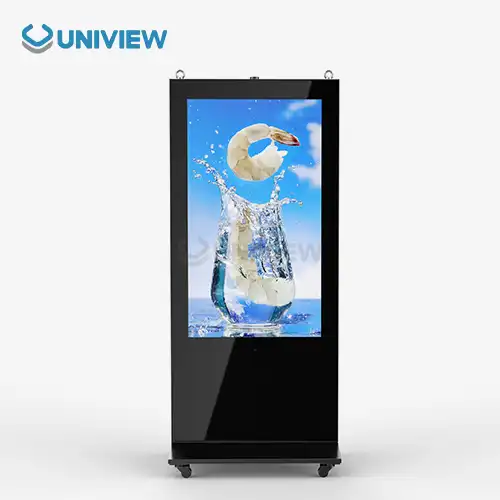
When it comes to placement, standing digital screens, such as indoor standing digital screens, are more flexible than wall-mounted ones. These stand-alone units don't need any wall changes or structural checks, which makes them perfect for rented spaces or places where fixed installations aren't possible. Because they are mobile, businesses can move indoor standing digital screens to meet changing needs or seasonal needs.
Wall-mounted screens work well in places with limited room and offer better security because they are permanently installed. However, they need to be mounted by professionals and may make it harder to change the plan in the future. Standing displays get rid of these problems while keeping a professional look with their sleek, modern designs.
Material Construction and Durability Considerations
Frame materials have a big effect on how long a display lasts and how nice it looks. A design made of aluminum gives it great sturdiness while still being lightweight enough to be moved around a lot. Steel frames make places with a lot of traffic safer and more stable, but they also make things heavier and harder to move.
Plastic parts are cheaper, but they might not last as long in harsh industrial settings. Professional-grade screens are made of stronger materials that can stand up to long periods of use and still look good.
Resolution and Brightness Performance Analysis
Resolution has a direct effect on how clear the information is and how interested the user is in it. Full HD (1920x1080 pixels) is good enough for normal business apps, while 4K resolution (3840x2160 pixels) gives you a lot of detail for high-definition material. Ultra-high-definition screens are worth the extra money in places where picture quality has a big effect on how customers see things.
The brightness requirements must match the lighting conditions in the room. For good vision, indoor areas usually need 300 to 500 nits, while places with a lot of natural light might need 700 to 1000 nits. Automatic brightness change features keep watching experiences at their best while using the least amount of energy.
Interactive vs. Non-Interactive Display Options
Interactive screens are more expensive, but they offer better involvement features that make up for their higher prices in customer-facing settings. Touch technology makes self-service possible, which cuts down on staff needs and makes customers happier by giving them instant access to information.
Non-interactive displays work great for spreading messages where the user doesn't need to connect with the screen. The total cost of ownership for these options is lower, and they provide great visual communication for promoting, sharing information, and sending brand messages.
Procurement Considerations for B2B Clients
To buy digital signs successfully, you need to carefully consider the skills of the suppliers, the details of the products, and the needs for long-term assistance. Businesses can get the most out of their investments when they understand these important factors.
Supplier Selection and Brand Reputation
Forming relationships with reputable manufacturers guarantees access to good items and dependable customer service. Leading brands show their dedication to quality by offering extensive guarantee programs, maintaining high-quality standards, and having a history of success in business settings.
Authorized partner networks let you get help in your area while still getting support from the maker. Businesses can get technical help, skilled installation services, and ongoing maintenance support through these relationships. This makes the systems more reliable and effective.
Warranty Programs and Support Services
Businesses can avoid unexpected service costs and be sure that their systems will work reliably with extended guarantee coverage. The guarantee programs from high-end makers last between 3 and 5 years and cover hardware parts, software updates, and expert support services. Full coverage includes problems with panels, power supplies, and parts that don't work right and could stop a business from running.
Global help networks make it possible to quickly fix technology problems, which keeps business going even when systems are down. Businesses get instant help 24 hours a day, 7 days a week, no matter what time zone they are in or what their work routine is.
Budget Planning and Cost Optimization Strategies
When investing in digital signs, you need to carefully plan your budget so that you can cover the costs of buying it, installing it, and keeping it running. When a business uses multiple units in different places, volume purchasing can save them a lot of money.
This is a list of the main ways that businesses can lower their costs:
• Agreements to buy in bulk that lower the cost per unit and get better payment terms and delivery times
• OEM customization choices that let you get solutions that fit your needs without having to pay a lot for custom building
• Lease-to-own payment plans that help businesses save money while letting them use digital signage options right away
• Energy-efficient types that lower operating costs by using less power and increasing the life of their parts
These strategic methods help companies get the most out of their investments while keeping their operations flexible and their finances stable.
Leading Global Brands and Market Options
There are well-known companies in the digital signage market that have been making business display systems for a long time. Samsung, LG, Sony, and Philips all have large product lines and are able to keep their marketplaces by constantly coming up with new ideas. These brands come in a wide range of sizes, have high-tech features, and work reliably, making them ideal for challenging business settings.
New makers offer competitive options that have unique features or lower prices. When looking at these choices, you need to carefully consider the technical details, the level of support, and the long-term success to make sure that the business partnerships will last.
Maximizing the ROI of Indoor Standing Digital Screens
To get the best results on investments in digital signs, you need to plan ahead, implement the system well, and keep improving it. Businesses can get the most out of their technology investments if they know the best ways to install and handle it.
Strategic Placement and Installation Considerations
The best placement of the screen has a big effect on how engaged viewers are and how well the message works. High-traffic places give you the most publicity, and strategically placing your business near decision points makes it easier to change how customers act. When planning an installation, it's important to think about things like viewing points, lights, and foot traffic.
Professional installation services make sure that the TV is placed correctly, mounted securely, and has the best watching experience possible. As part of these services, site reviews, assessments of electricity needs, and suggestions for content optimization that make the system work better are all available.
Content Strategy and Engagement Optimization
Digital screens are different from static sign options because they can show changing material. Scheduled content change keeps viewers interested and lets you send specific messages based on time, groups, or events. Interactive material gets people to interact with it and keeps them interested for longer, which helps people remember the message and the brand.
Content management platforms let you make changes in real time and keep track of everything from one place. With these features, businesses can quickly adapt to changes in the market, advertising opportunities, or operational needs, all without having to go to each display spot and make changes by hand.
Energy Efficiency and Operational Cost Management
Energy-efficient screens lower operating costs and help companies with their environmental efforts. Traditional display technologies use a lot more power than LED backlighting technology, but LED backlighting technology is brighter and more accurate in terms of color. Automatic power control features make the best use of energy based on how it is used and the environment.
Indoor standing digital screen systems equipped with intelligent scheduling capabilities can automatically adjust brightness levels and power states based on business hours and usage patterns. These features contribute to substantial cost savings over the display lifecycle while maintaining optimal performance characteristics.
Real-World Performance Case Studies
Implementations in stores show real changes in how engaged customers are and how well sales go. Interactive screens in electronics shops cut the time it takes to connect with a product by 40–60% while giving customers a lot of information about it that affects their decision to buy. Self-service options cut down on the need for staff while giving customers faster access to information, which makes them happier.
Strategic usage of digital signs has improved the experiences of visitors and made internal communication more effective in corporate settings. Interactive guides cut down on staff interruptions while giving guests full information about the building and help them find their way around.
Future-Proofing Technology Investments
Scalable systems let businesses grow and change their needs without having to update their whole infrastructure. It is possible to increase capacity by adding more screens to modular designs, which still allow for centralized control. Software updates make sure that systems always have the latest security fixes and feature additions.
Businesses will be able to benefit from new technologies like IoT devices, voice recognition, and artificial intelligence (AI) when they can integrate them. These features look to the future and protect technology investments while letting people follow changing digital communication trends.
Conclusion
Indoor standing digital screens deliver compelling value propositions for businesses seeking enhanced communication capabilities and customer engagement solutions. When you combine flexible deployment choices, advanced interactive features, and full content management capabilities, you can make big changes to both operations and the customer experience. To have a successful application, you need to carefully choose your suppliers, plan strategically, and keep optimizing to get the best return on your investment. Businesses that buy digital signs after careful planning and with clear goals will find that these solutions give them real benefits that make their investment costs worthwhile and set them up for continued success in business environments that are becoming more and more digital.
FAQ
Q: Are indoor digital displays suitable for small businesses?
A: A lot of small companies can benefit from digital display options, especially if they choose units that are the right size for their needs and their budget. Professional communication is possible with entry-level systems that don't require big amounts in cash. Small screen sizes and the ability to lease these technologies make them available to businesses of all sizes. They also make it easier to communicate with customers and show your company in a better way.
Q: What maintenance requirements do standing digital screens have?
A: Maintenance schedules that are followed on a regular basis ensure that systems work at their best and last longer. Cleaning the screen once a week with a microfiber cloth keeps it clear, and once a month, system checks make sure that all of the parts are working properly. Professional service once a year includes checking the internal parts, updating the software, and making changes to the calibration. Most business displays don't need much upkeep as long as they are used properly and in the right setting.
Q: Can these displays be customized for specific branding requirements?
A: Modern indoor standing digital screen solutions let you change a lot of things, like the color of the housing, the way the name is integrated, and the way the interface looks. Content management systems support all aspects of branding, and hardware changes can be made to meet specific design needs. Professional manufacturers offer consulting services to make sure that the end products are in line with the brand standards and practical needs of the company.
Take the Next Step Toward Smarter Digital Signage
Uniview Commercial stands ready to transform your business communication strategy with premium indoor standing digital screen solutions engineered for exceptional performance and reliability. Our comprehensive product portfolio features advanced LCD and LED technologies with brightness levels reaching 4000 nits, IP65/66 environmental protection, and robust construction designed for continuous 24/7 operation. As a leading indoor standing digital screen manufacturer, we provide customized solutions backed by 3-5 year warranties and global 24-hour technical support services. Contact our expert team at sales@univiewlcdisplay.com to explore how our innovative digital signage solutions can enhance your business environment while delivering measurable returns on your technology investment.
References
1. Digital Signage Today Research Institute, "Commercial Display Market Analysis and ROI Performance Studies," 2023.
2. Retail Technology Review, "Interactive Digital Signage Impact on Customer Engagement and Sales Conversion Rates," 2024.
3. Journal of Business Communication Technology, "Comparative Analysis of Indoor Digital Display Solutions for Corporate Environments," 2023.
4. International Display Technology Association, "Energy Efficiency Standards and Performance Metrics for Commercial Digital Signage," 2024.
5. Commercial Real Estate Technology Quarterly, "Installation and Maintenance Best Practices for Standing Digital Display Systems," 2023.
6. Business Technology Investment Review, "Total Cost of Ownership Analysis for Interactive Digital Signage Solutions," 2024.


Learn about our latest products and discounts through SMS or email